Netflix's Most Comforting Show Returns Quietly: A Hidden Gem Amid Streaming Content Overload
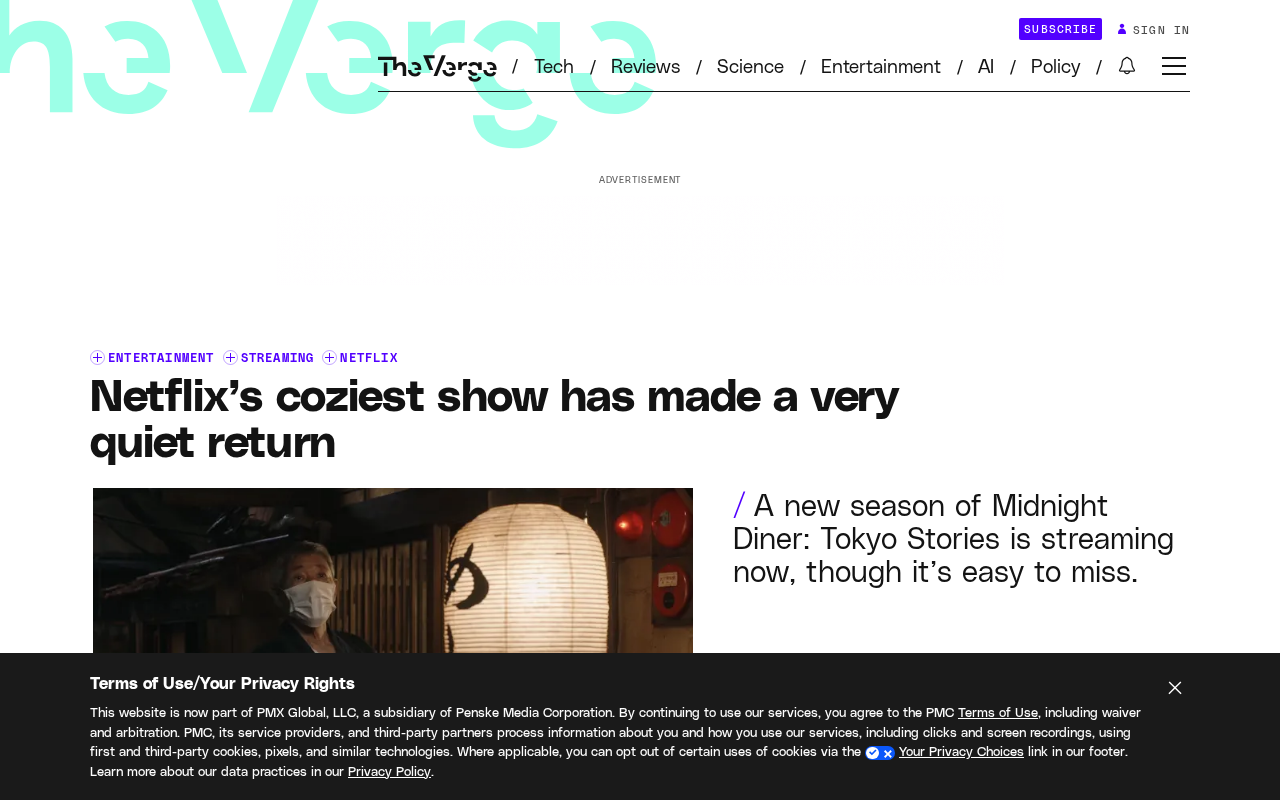
Netflix's content explosion leaves a comforting gem's quiet return unnoticed, reflecting the streaming discovery dilemma.
Netflix's rapid library expansion—spanning reality shows, live programming, and games—fragments user attention and buries quality shows. A show called "the most comforting" returned quietly with almost no buzz, contrasting sharply with the platform's marketing push for blockbusters. Healing shows lack strong conflict and topicality, putting them at a disadvantage in algorithmic recommendations, and the platform's marketing strategy for certain content types exacerbates the issue. Streaming platforms' content discovery mechanisms face challenges, and viewers need professional reviews, vertical communities, and manual recommendations to find gems. This reminds us that in the age of information overload, the ability to discover good content has become a skill that needs to be cultivated.
Netflix's content library is becoming larger than ever. As the platform continues to expand into reality shows, live programming, and even games, some quality productions are more easily buried. Recently, a show hailed as "the most comforting" returned quietly, yet it barely caused a ripple. This reflects the dilemma of content discovery in the streaming era.
Content Explosion: Netflix's Sweet Burden
Netflix's expansion pace is obvious to all. From its early film and TV series to today's diverse formats spanning reality shows, live broadcasts, and games, the platform's content landscape keeps extending outward. This expansion has a direct consequence: users' attention is extremely fragmented. According to the original report, Netflix's library also includes a growing roster of reality shows, live programming, and even games, making some of the best content easy to miss.
This "content overload" is not unique to Netflix but a common problem for all digital platforms. Yet Netflix's recent situation is particularly pronounced. When the platform's homepage is dominated by a flood of new content and algorithmic recommendations tend to promote trending topics,低调 but high-quality shows can only rely on word-of-mouth to spread slowly—or even disappear without a trace.
Recommendation Algorithms and Content Discovery
Streaming platforms' recommendation systems typically rely on collaborative filtering and content feature matching. Collaborative filtering analyzes users' historical behavior (viewing, ratings, dwell time) to find similar user groups and recommend their preferences to target users; content feature matching depends on metadata such as show tags, genres, and cast. However, both methods have limitations: collaborative filtering easily falls into "information cocoons," reinforcing existing preferences; content feature matching struggles to capture subjective, emotional experiences like "comforting." Moreover, platform algorithms often prioritize optimizing click-through rates and watch time, causing content that triggers strong emotions or high interaction to gain more exposure, while slow-paced shows that require quiet appreciation are marginalized. This systemic bias is an important technical reason why quality content gets buried.
What Is "The Most Comforting"?
The label "most comforting" usually points to shows with a slow pace, warm emotions, and the ability to help people relax. Such shows often lack intense conflict or dramatic twists, instead soothing viewers through everyday warmth, humor, or beauty. In fast-paced modern life, the demand for this type of content is actually very strong.
However, it is precisely this "gentle" quality that puts them at a disadvantage in algorithmic recommendations. Platform algorithms tend to promote content that triggers strong emotional reactions or high interaction rates, while healing shows often require viewers to settle down to appreciate their charm. As a result, they are easily drowned in the flood of information.
Healing Content and Emotional Value
The term "healing" (iyashikei) originates from Japanese culture, originally referring to music, film, or manga that bring calm, comfort, and relaxation. In the streaming context, healing shows typically feature low conflict, high empathy, and soft visuals, with their core value lying in providing emotional comfort rather than dramatic stimulation. Psychological research shows that such content can effectively reduce viewers' anxiety levels and meet modern people's need for mental rest. However, the spread of healing shows relies heavily on word-of-mouth and community recommendations, because their value is difficult to convey quickly through trailers or algorithmic tags. Viewers often need to immerse themselves personally to appreciate their charm, which creates an "experience threshold" for platforms promoting them and explains why such shows easily vanish quietly in the content flood.
Behind the Quiet Return
This show, called Netflix's most comforting, returned this time with almost no large-scale promotion. No overwhelming trailers, no密集 interviews with creators, and many subscribers didn't even know the new season had launched. This "quiet" return contrasts sharply with Netflix's marketing investment in its headline blockbusters.
This may reflect a strategic choice by the platform: for certain types of shows—especially healing content with a relatively fixed audience and word-of-mouth-driven spread—the platform may believe there's no need to invest excessive marketing resources. But this also raises a question: in an era of content surplus, should quality content get more exposure opportunities?
The Logic of Resource Allocation in Streaming Marketing
Streaming platforms typically follow the "head effect" in allocating marketing resources: directing most of the budget toward heavyweight works with broad audience bases and high topicality to maximize subscription growth and user retention. For content with a relatively vertical audience and word-of-mouth-driven nature, platforms often adopt a low-cost or even zero-cost "natural launch" strategy. This choice is based on return-on-investment calculations: healing shows have a smaller target audience, so the marginal benefit of large-scale marketing is limited. However, this strategy also carries risks: quality content cannot reach potential viewers due to lack of exposure, which in the long run may weaken the platform's content diversity and user loyalty. Some platforms have begun trying manual interventions such as "editor's picks" and "niche recommendations" to compensate for the shortcomings of pure algorithmic distribution.
The Discovery Dilemma of Streaming Platforms
Netflix's content discovery mechanism is facing challenges. As the library expands, the difficulty for users to find content they like also increases. Although the platform continuously optimizes its recommendation algorithms, algorithms struggle to fully understand subjective feelings like "comforting." Users may discover a gem through an accidental click, or they may never find it.
For content creators, this is also a warning: even with outstanding quality, works may struggle to reach audiences if they cannot gain sufficient visibility within the platform's ecosystem. This prompts creators to think about how to promote themselves through social media, word-of-mouth marketing, and other channels rather than relying solely on the platform.
How Viewers Can Avoid Missing Good Content
Faced with content overload, viewers can adopt strategies to discover hidden gems. Following professional critics and vertical community recommendations is often more effective than relying on the platform homepage. Additionally, regularly browsing the platform's "underrated picks" or "editor's selections" sections may yield unexpected finds. For fans of healing shows, joining relevant discussion groups or forums can help them get return information in a timely manner.
The quiet return of Netflix's most comforting show may just be a small episode in the streaming era. But it reminds us that in today's world of abundant content, the ability to discover good content has itself become a skill that needs to be cultivated. Platforms, creators, and viewers all need to rethink how to let truly valuable content be seen in this information-overloaded environment.
(Note: The original material did not provide the specific show name, return date, or detailed data; this article conducts industry analysis based on limited information.)
Content Discovery Strategies Under Information Overload
In an information-overloaded environment, viewers' content discovery ability has become a form of media literacy. Beyond relying on platform algorithms, actively building diverse information channels is crucial. Vertical communities (such as Douban groups or Reddit subreddits) and professional critics often provide in-depth recommendations that algorithms cannot capture; word-of-mouth spread on social media can accelerate the diffusion of niche gems. Additionally, viewers can periodically clear their viewing history or actively search for specific genre tags to break out of algorithmic cocoons. For fans of healing shows, joining themed discussion groups not only helps them get return information in a timely manner but also allows them to discover more hidden gems through sharing with like-minded people. Only through collaboration among platforms, creators, and viewers can valuable content be seen in the flood.
Related articles
Uncertainty in Machine Learning: Concepts, Sources, and Mitigation
Machine learning models are not always deterministic. This article introduces the two major types of uncertainty in ML—aleatoric and epistemic—and discusses their sources, quantification methods, and practical significance in reliable AI systems.

Banks Seek to Dump AI Debt: A Risk Signal Behind the AI Investment Boom
Banks are seeking to sell AI-related debt assets, a move that reveals financial risk reassessment behind the AI investment boom. This article analyzes possible reasons for banks reducing AI debt and the impact on AI industry financing.
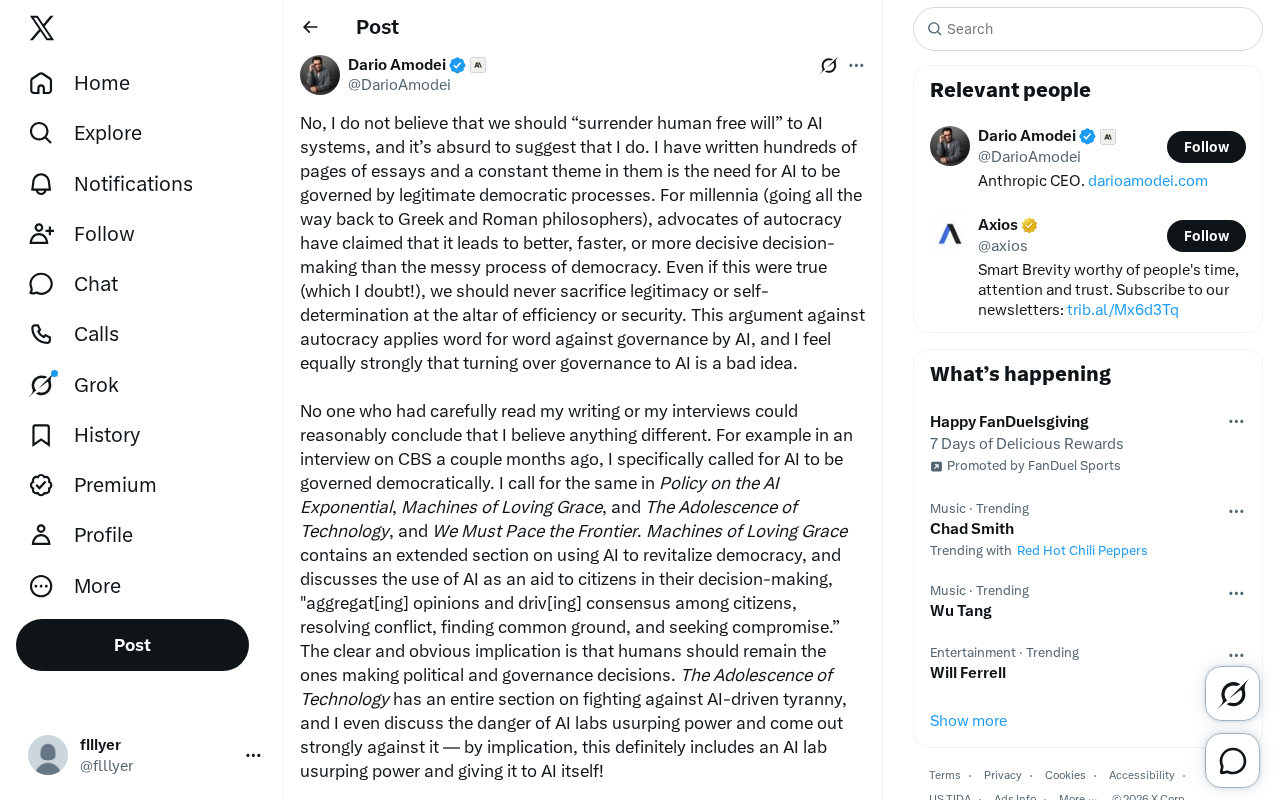
AI Should Not Take Over Governance: A Deep Analysis of Why Democratic Legitimacy Outweighs Efficiency
Anthropic co-founder Dario Amodei responds to the controversy over "surrendering human free will," stressing that AI must be governed by legitimate democratic processes and distinguishing global governance from task automation.