New York Plans to Ban Horse Carriages by 2028: Will Carriage Tourism Come to an End?

New York plans to ban Central Park carriage rides by 2028, possibly sparking a global ripple effect.
New York Mayor Zoran Mamdani and City Council Speaker Julie Mennon announced a plan to end Central Park carriage operations by June 2028, with legislation expected to pass next week. The industry has long been criticized by animal rights groups; about 40 horses have died from accidents or illness over decades, and a teenager's death this summer in a horse-spooking accident became the direct trigger. The Transport Workers Union opposes the bill, saying it fails to guarantee compensation for drivers. Philadelphia, Montreal, Barcelona, and others have already phased out carriage tourism, so New York's ban could push more cities to reconsider.
New York's Central Park horse carriages may be counting down their final days. Mayor Zoran Mamdani and City Council Speaker Julie Mennon announced this week a plan to end carriage passenger operations by June 2028. The legislation is expected to pass next week, marking a milestone in a decades-long animal protection protest.
A Controversy Spanning Decades
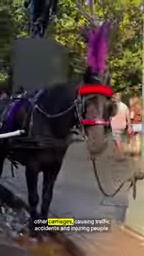
New York City currently has over 150 horses dedicated to pulling tourists around Central Park. Animal rights advocates consider the industry cruel: horses are overworked, exposed to extreme temperatures, housed in inhumane conditions, and sometimes denied adequate veterinary care. Over the past few decades, roughly 40 horses have died from fatal accidents, injuries, illness, and other causes. Many others have broken loose, colliding with vehicles or other carriages, causing traffic accidents and injuring people.
The last straw came this summer: a spooked horse bolted, throwing a woman from a carriage. Her teenage son died while trying to help. This tragedy reignited calls to ban New York's carriage operations.
The Scale and Operation of the Carriage Tourism Industry
New York's carriage tourism industry is not a simple street business but a commercial activity strictly licensed and regulated by city law. Carriage drivers must hold a license issued by the Department of Consumer Affairs, and horses must undergo regular health checks. Operating routes typically circle the perimeter of Central Park and designated internal roads, with fares set by the city government. According to industry statistics, during peak season a horse may work several consecutive hours a day, and working year-round without rest is not uncommon. This high-intensity use is one of the focal points of long-standing criticism from animal rights organizations.
Legislative Push and Union Opposition
The Transport Workers Union, which represents the carriage industry, has long opposed the ban. The union president criticized the legislation for failing to provide compensation guarantees for carriage drivers, while Mamdani's spokesperson said the government plans to help these workers find new jobs.

This is not an isolated incident. Cities such as Philadelphia, Montreal, Barcelona, San Antonio, and Prague have all phased out carriage tourism. If the bill passes, New York will join their ranks. But more cities in the U.S. and around the world still permit carriage operations.

The Transport Workers Union (TWU) and Its Ties to the Carriage Industry
Transport Workers Union Local 100 represents about 200 carriage drivers and related workers. The union is not focused solely on animal issues; its core demand is labor rights: if the ban takes effect, hundreds of families will lose their source of income. The union argues that any phase-out plan should include retraining, severance pay, or pension compensation. The city government has so far only promised to "help find new jobs," without mentioning specific compensation amounts or timelines, which has become the main obstacle in negotiations.
New York's Demonstration Effect
New York's legislation could trigger a chain reaction. As one of the world's most influential tourist destinations, its policy shift may prompt other cities to reexamine a tourist attraction many consider inhumane. Whether carriage tourism will come to an end depends on whether more cities are willing to follow suit.
The Context of Other Cities Phasing Out Carriage Tourism
Philadelphia suspended operations in 2019 after a horse died of heatstroke; Montreal passed a ban in 2020 after a horse collapsed on the street and sparked public outrage; European cities such as Barcelona and Prague have gradually eliminated the practice, mostly citing animal welfare and traffic congestion. What these cases have in common: long-term pressure from animal protection groups, media exposure of accidents, a shift in public opinion, and ultimately legislative action. New York's scale and global visibility far exceed those cities, so its decision could accelerate similar processes elsewhere.
One-line Summary
New York plans to ban Central Park horse carriages by 2028, potentially triggering a global chain reaction.
Paragraph Summary
New York Mayor Zoran Mamdani and City Council Speaker Julie Mennon announced a plan to end Central Park carriage operations by June 2028, with legislation expected to pass next week. The industry has long been criticized by animal rights groups; roughly 40 horses have died from accidents or illness over the past few decades, and this summer a teenager died in a horse-spooking accident, becoming the direct trigger for the ban. The Transport Workers Union opposes the legislation, arguing it fails to guarantee compensation for carriage drivers. Philadelphia, Montreal, Barcelona, and other cities have already phased out carriage tourism, and if New York passes the ban, it may prompt more cities to reexamine the practice.
Related articles

WorkBuddy in Action: How Tencent's AI Agent Gets LLMs to Actually Do the Work
WorkBuddy is Tencent's AI Agent for office scenarios that understands natural language and directly operates your computer. This hands-on file conversion demo contrasts chat models like Doubao with Agents, analyzes the capability gap between WorkBuddy and CodeX, and outlines suitable use cases.

A Step-by-Step Vibe Coding Tutorial: Get Started with AI Programming in 3 Steps
A step-by-step Vibe Coding tutorial for beginners, covering Claude Code installation, DeepSeek API integration, and editor configuration in three steps, with troubleshooting tips.

Instagram Is Letting Celebrity AI Deepfakes Run Rampant?
An AI-generated Mia Goth photo posted by a verified Instagram fan account went viral and was summarized by Google AI Overview as real. AI videos of Taylor Swift and Lionel Messi hit millions of views, yet Meta doesn't require AI labeling—raising doubts about platform governance.