Ninjō AI: Omnichannel AI Sales Agent Infrastructure with Conversational Orchestration
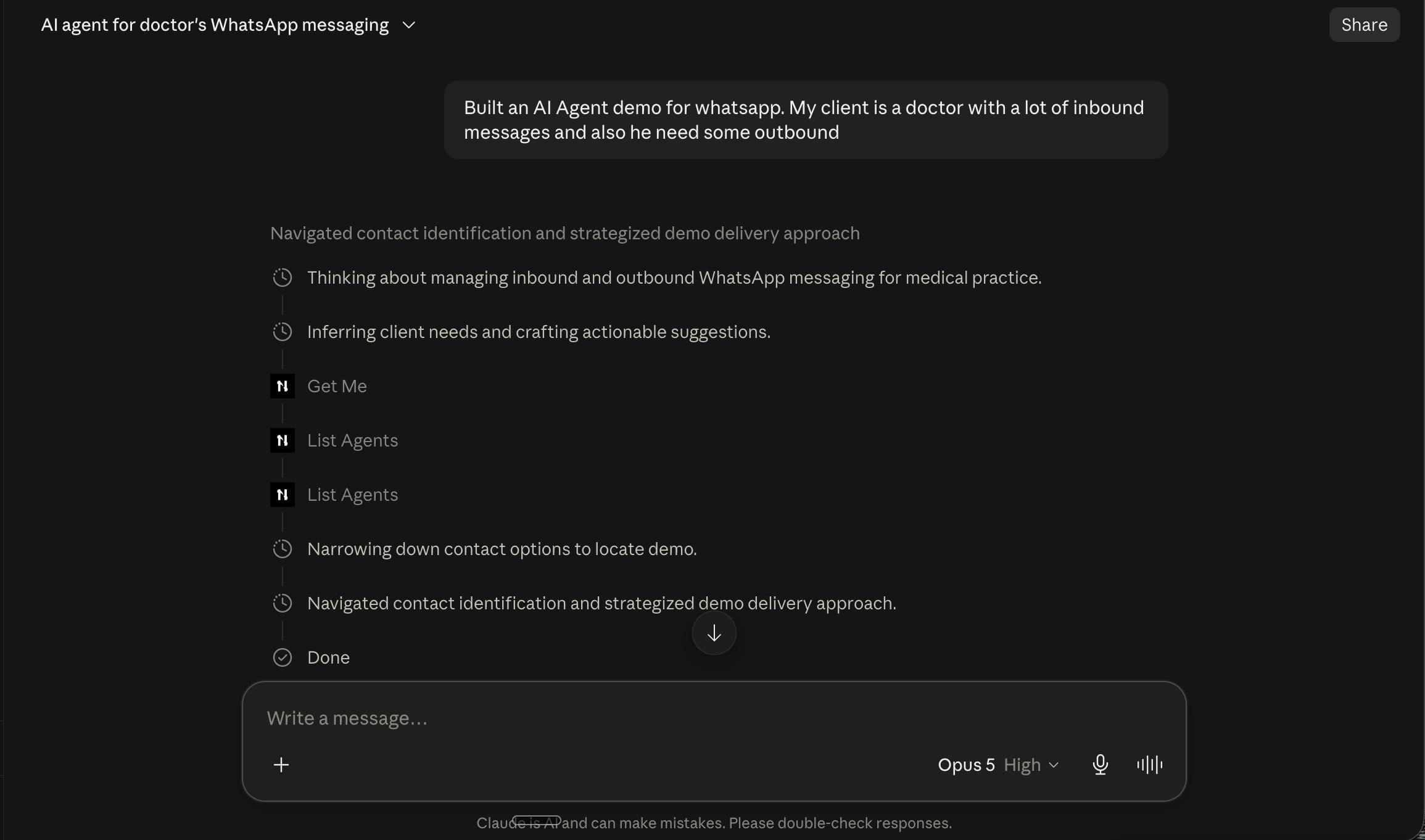
Ninjō AI uses MCP to enable conversational, engineering-grade management of omnichannel AI sales agents.
Ninjō AI is an AI sales agent infrastructure platform for developers and operations teams, supporting channels like Instagram and WhatsApp. Its key differentiator is MCP integration, letting users create and iterate on sales agents through natural language in Claude Code or Codex. The platform offers version control, instant rollback, and synthetic conversation testing, plus built-in follow-ups, keyword triggers, and CRM. Templates are validated across 150+ production agents with ~$750K in attributed revenue. It offers a free tier with 1,000 messages and represents a broader shift from "conversational" to "engineering-grade" AI agent management.
When AI Sales Agents Meet Conversational Orchestration
As AI Agent applications rapidly move into production, the sales domain has long been one of the most anticipated — yet hardest to crack — use cases. Ninjō AI, which recently ranked #10 on Product Hunt, offers a compelling answer: let developers and operators create, test, and optimize cross-channel AI sales agents simply by conversing with Claude Code or Codex.
The product's positioning is crystal clear — it's not another chatbot builder, but rather infrastructure for AI sales agents. It supports Instagram, WhatsApp, and virtually every major sales channel, tackling a real business pain point: how to deploy AI sales assistants at scale across social and messaging platforms in ways that actually drive conversions.

Core Differentiator: Managing Agents via AI Conversation Through MCP
Ninjō's biggest differentiator is its embrace of MCP (Model Context Protocol), an emerging open standard. Instead of configuring workflows in traditional visual drag-and-drop panels, users can create, test, analyze, and improve sales agents directly through natural language instructions inside AI coding environments like Claude Code or Codex.
This "conversational infrastructure management" paradigm is worth paying attention to. It fundamentally transforms agent configuration and iteration into a collaborative dialogue with a large language model. For technical teams already accustomed to developing in Claude Code, this means building sales agents can seamlessly integrate into existing AI-assisted workflows — dramatically reducing the cost of switching between multiple tools.
A Template Library Validated in Production
It's worth emphasizing that Ninjō is not a purely conceptual product. According to the company, its underlying templates have been validated across 150+ production agents, which have collectively generated approximately $750K in revenue for customers. This figure stands out among the many concept-first AI Agent products — it attempts to prove value through real business outcomes rather than stopping at technical demos.
MCP (Model Context Protocol) is an open protocol standard introduced by Anthropic in late 2024, designed to give large language models a unified way to connect with external tools, data sources, and services. The core idea: rather than having each AI application implement its own tool-calling interface, define a universal protocol so that any compliant tool can be called directly by MCP-supporting AI clients. For developers, MCP's value lies in "integrate once, use everywhere" — a single MCP Server can be invoked by Claude, Cursor, Windsurf, and other AI environments alike. By exposing its agent management capabilities as an MCP Server, Ninjō allows users to issue commands directly in Claude Code or Codex (e.g., "create a follow-up script for Instagram"), with the AI translating natural language into actual calls to the Ninjō API. This is a textbook implementation of the "AI managing AI" pattern now emerging across the AI toolchain.
Engineering Capabilities: Version Control and Synthetic Testing
If conversational configuration is Ninjō's surface-level experience, its engineering-grade underlying capabilities are what truly justify the "infrastructure" label.
Version Management and Instant Rollback
Ninjō introduces versioned changes and instant rollback. This design borrows from mature software engineering version control principles — if you tweak a sales agent's scripts or logic and find the results lacking, you can roll back to the previous stable version with a single click. For sales scenarios that directly face customers and impact real revenue, this kind of controllability is critical.
Synthetic Conversation Testing
Another highlight is synthetic conversation testing. Before an agent goes live, the system can simulate a wide range of customer conversation scenarios to validate agent behavior. This effectively gives AI sales agents a "unit test suite," allowing operators to surface problems in a low-risk environment rather than pushing an immature agent directly to real customers.
Synthetic Conversation Testing is a quality assurance technique gaining traction in the AI Agent space. It works by using another LLM to play the role of a "simulated customer," conducting large-scale automated conversations with the agent under test — covering scenarios like standard inquiries, price objections, complaints, and multi-turn follow-ups. Like unit tests in traditional software, it can expose logic gaps, mishandling of sensitive topics, or brand voice inconsistencies before the agent goes live. The advantage is repeatability and quantifiability — hundreds of conversations can be generated and auto-scored, whereas manual testing typically covers only a handful of scenarios. As AI agents increasingly participate directly in commercial conversion, synthetic testing is shifting from a "nice to have" to a "necessary infrastructure" component — and is becoming a key indicator of a platform's engineering maturity.
A Complete Sales Funnel Toolchain
Beyond its core agent orchestration capabilities, Ninjō includes a full suite of features to support sales conversion:
- Follow-ups: AI agents can proactively reach out to prospects to prevent leads from going cold
- Keyword triggers: Automatically trigger specific response logic based on keywords in customer messages
- Built-in CRM: Directly integrated customer relationship management, keeping leads, conversations, and deal data flowing within a single platform
The intent behind this combination is clear: from initial customer conversations through follow-up and conversion to data retention, Ninjō aims to cover the entire sales lifecycle — not just act as a message-replying bot.
Onboarding and Business Model
Ninjō claims users can go "zero to live in minutes" and offers a free starter plan with 1,000 messages included. This low-barrier free-tier strategy is common in SaaS products — the goal is to let users quickly experience core value, then naturally convert to paid plans as message volume grows.
From Product Hunt metrics, the product received 81 upvotes and ranked #10 on the daily leaderboard, reflecting sustained market interest in the "AI sales agent infrastructure" vertical.
Observations and Takeaways
Ninjō AI's emergence represents an important trend in AI Agent applications: moving from "can hold a conversation" to "can be engineered and managed." Early sales bots largely stopped at automated replies, while Ninjō — by introducing version control, synthetic testing, and MCP integration — is attempting to bring agent development and operations closer to the rigor of software engineering.
That said, several questions remain worth watching:
- While configuring agents through natural language conversation lowers the barrier to entry, could it limit precise control over complex sales logic?
- The $750K revenue figure is compelling, but the sample size and industry distribution remain unclear
- With Instagram and WhatsApp API policies growing increasingly restrictive, the stability of omnichannel deployment is a real challenge
Overall, Ninjō AI offers a practical, engineering-minded example of how to genuinely deploy large model capabilities into sales conversion workflows — and is worth tracking for anyone focused on the commercial operationalization of AI.
Meta's API policies for Instagram and WhatsApp represent a substantive risk for omnichannel AI sales deployments. WhatsApp Business API enforces strict message template review and a 24-hour conversation window — once that window closes, businesses can only send pre-approved template messages, which directly constrains an AI agent's ability to conduct free-form follow-ups. On Instagram, automated DMs are similarly subject to rate limits and anti-spam policies, and excessive automation can trigger account throttling or even suspension. This means "omnichannel deployment" in practice requires careful adaptation to each platform's API rules — it's far more than just connecting the pipes technically. For small and medium-sized businesses relying on these channels for sales, compliance risks from shifting platform policies need to be factored into any evaluation.
Related articles
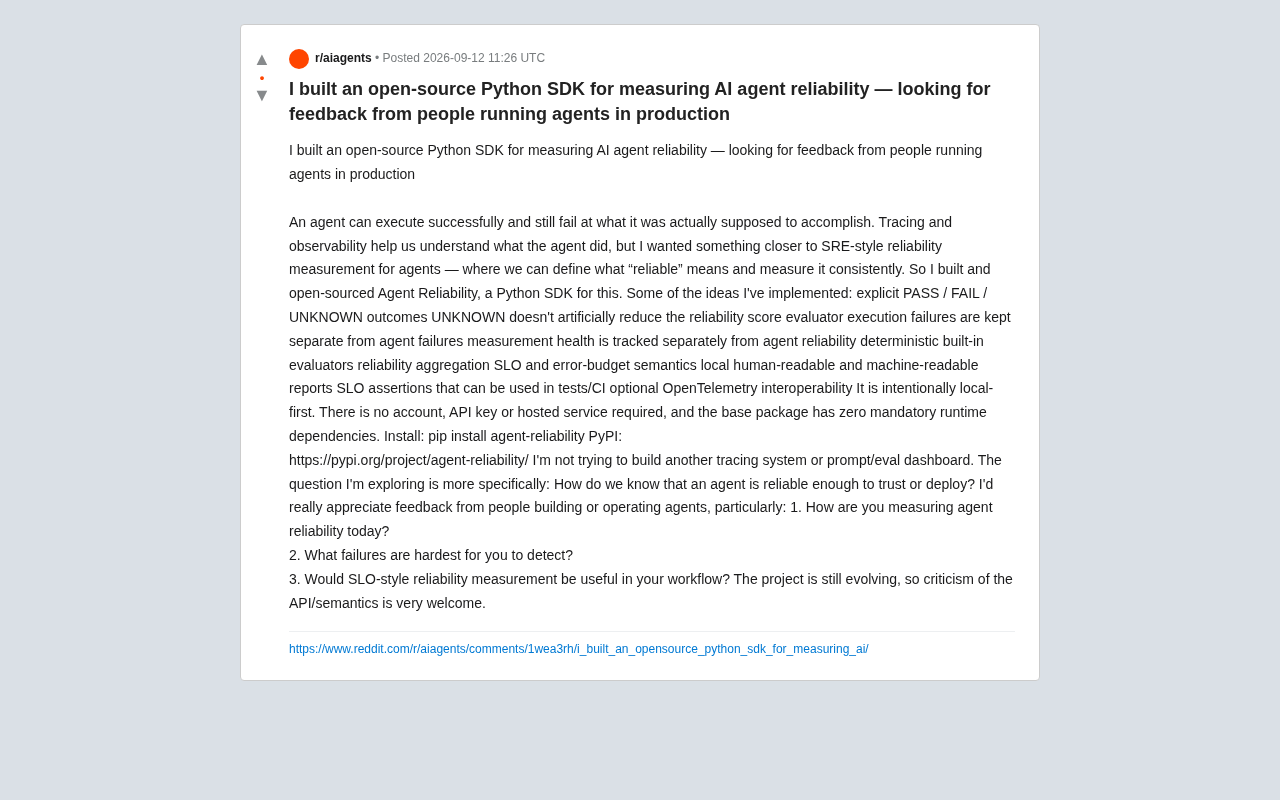
Open-Source Python SDK: Measuring AI Agent Reliability with SRE Principles
Agent Reliability is an open-source Python SDK that applies SRE's SLO and error budget concepts to AI Agent evaluation, with PASS/FAIL/UNKNOWN states, CI assertions, and zero forced dependencies.
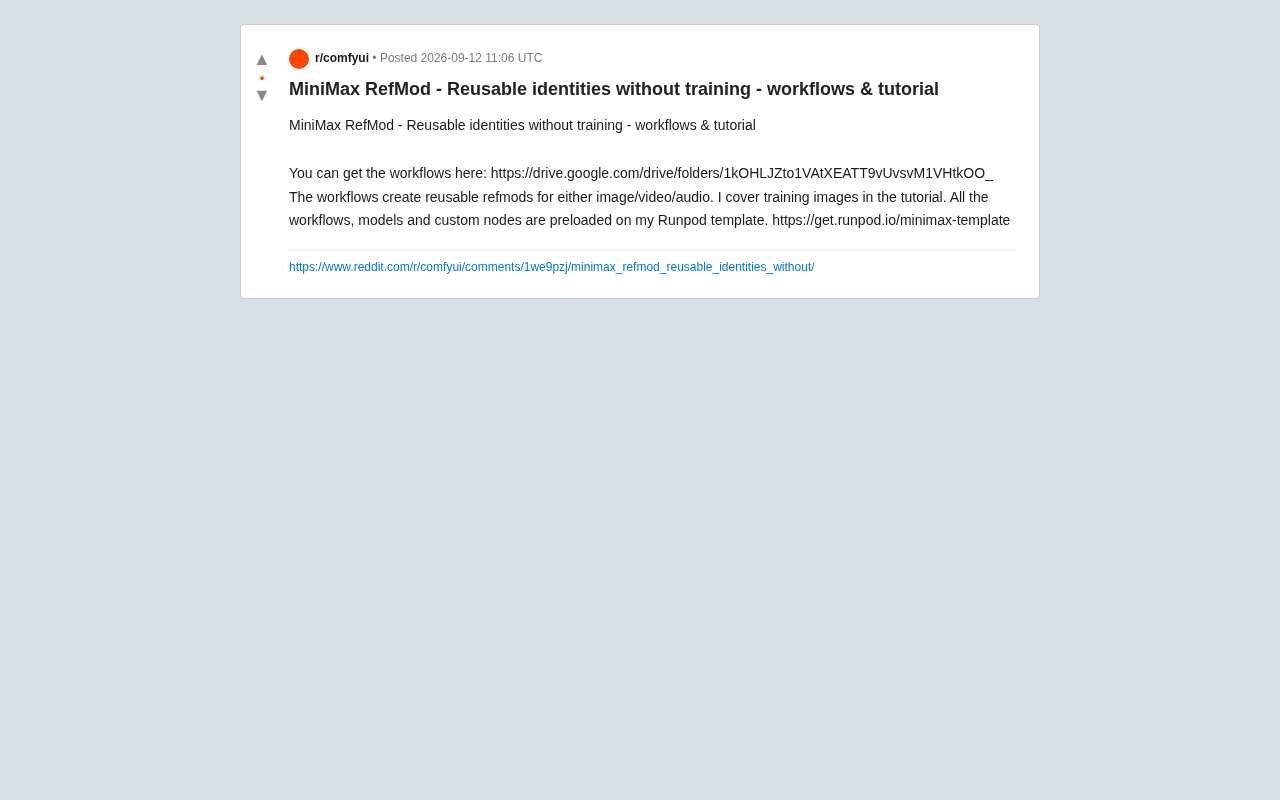
MiniMax RefMod: A Complete Guide to Training-Free Reusable Identity Workflows
MiniMax RefMod offers training-free reusable identity workflows for image, video, and audio generation. Includes Runpod template and tutorial for quick setup.

Invalid Source Material Notice
The source material provided lacks substantive information and is unrelated to AI/tech topics, making it impossible to produce a complete professional article.