NVIDIA Co-Signs Open Letter: Why Open Models Matter

NVIDIA endorses open AI models, arguing the world needs both open and closed frontier models.
NVIDIA co-signed an open letter championing open AI models, arguing they enhance security through transparent review, accelerate innovation by lowering barriers, and enable national AI sovereignty. The move aligns with NVIDIA's business interests—open models diversify GPU demand beyond a few cloud giants. The letter's key message: the world needs both frontier closed-source and open models as complementary pillars of a healthy AI ecosystem.
NVIDIA's Stance: Open Models Are Not Optional
Recently, NVIDIA co-signed and publicly released an open letter on the importance of Open Models, drawing widespread attention across the industry. As the core supplier of global AI computing infrastructure, NVIDIA made its position clear: The world needs both frontier closed-source models and frontier open models.
NVIDIA's status as the core supplier of AI computing infrastructure stems from the absolute dominance of its GPUs (Graphics Processing Units) in deep learning training and inference tasks. Since AlexNet leveraged GPU acceleration for image recognition in 2012, NVIDIA has continuously invested in AI-specific hardware R&D, successively launching the Tesla, A100, H100, B200 series accelerators, along with the complementary CUDA programming framework and cuDNN deep learning library. As of 2024, NVIDIA holds over 80% of the data center AI accelerator chip market. Its CUDA ecosystem, built over more than a decade, has become the de facto standard runtime environment for deep learning frameworks (such as PyTorch and TensorFlow). This integrated hardware-software ecosystem lock-in effect has made NVIDIA nearly irreplaceable in the AI computing market.
This statement may seem understated, but it carries profound implications. In the current competitive landscape of large models, the battle between the closed-source camp (such as OpenAI, Anthropic) and the open-source camp (such as Meta's Llama, DeepSeek, Qwen, etc.) is intensifying. The closed-source camp is represented by OpenAI (GPT series), Anthropic (Claude series), and Google DeepMind (Gemini series)—they do not release model weights and only provide services through API interfaces, arguing that this prevents model misuse, protects commercial competitiveness, and enables better safety alignment. The open-source camp is represented by Meta (Llama series), Alibaba (Qwen series), DeepSeek, and Mistral AI, among others—they release model weights and even training code, allowing the community to freely use and modify them. This debate involves not just technical route selection but the distribution of power in the AI industry: should frontier AI capabilities be controlled by a handful of companies, or should they be part of the public infrastructure? As a neutral "shovel seller," NVIDIA's decision to publicly endorse open models is driven by both industrial logic and strategic considerations.
AI Will Reshape Every Industry
The open letter begins with a sweeping declaration: AI will transform every industry, empower every company, and be built by every nation.
This sentence encapsulates three key dimensions of current AI development:
- Industry level: From healthcare and finance to manufacturing and education, AI is becoming a general-purpose productivity tool with penetration far deeper than any previous technological revolution. In healthcare, AI-assisted diagnostics, drug molecule design (such as AlphaFold's breakthrough in protein structure prediction), and clinical trial optimization are shortening drug development cycles. In finance, large language models are being used for risk assessment, compliance review, and intelligent customer service. In manufacturing, AI-driven predictive maintenance and quality inspection are reshaping industrial processes. In education, personalized learning assistants and automated assessment systems are transforming traditional teaching models. Compared to previous technological revolutions (steam engine, electricity, the internet), AI's distinguishing feature is its generality—it is not a tool for solving a single problem, but a meta-technology that can be embedded into virtually all cognitively intensive workflows.
- Enterprise level: AI is no longer the exclusive domain of a few tech giants; it is a capability every company needs to develop.
- National level: AI has risen to the level of a strategic national resource, with countries around the world seeking to build autonomous, self-controlled AI capabilities.
It is precisely against the backdrop of "every nation needing to build AI" that the value of open models truly comes into focus. If all frontier capabilities are monopolized by a handful of closed companies, the vast majority of nations and enterprises will lose their technological sovereignty.
Three Core Values of Open Models
In the letter, NVIDIA systematically articulates the core advantages of open models, which can be summarized across three dimensions.
Enhancing Safety and Cybersecurity
The letter states that open models can "strengthen safety and cybersecurity." This point is often misunderstood—many people intuitively assume that open source means insecure because the code and weights are publicly available. But the reality is exactly the opposite: open models allow researchers worldwide to collectively review, test, and harden them, enabling vulnerabilities to be discovered and patched more quickly.
This aligns with the security logic of open-source software. As projects like Linux and OpenSSL have demonstrated, the "many eyes" mechanism often ensures greater system robustness than closed black boxes. This principle originates from a classic tenet of the open-source software movement—the "Linus's Law" proposed by Eric Raymond in The Cathedral and the Bazaar: "Given enough eyeballs, all bugs are shallow." In the security domain, this principle has been repeatedly validated. For example, while the 2014 OpenSSL Heartbleed vulnerability had a massive impact, it was precisely because of its open-source nature that the vulnerability was rapidly discovered and collaboratively fixed on a global scale. By contrast, security vulnerabilities in closed-source systems may remain hidden for extended periods. In the AI domain, model security issues include adversarial attacks, biases, and hallucinations. Open models allow independent researchers to conduct Red Teaming, alignment research, and security audits. This distributed security review mechanism is theoretically more comprehensive and robust than internal testing by a single organization. For a technology as consequential as AI, transparency itself is a form of security assurance.
Accelerating Innovation and Technology Diffusion
The second value lies in accelerating innovation and diffusion. Open models lower the barrier to entry, enabling developers, startups, and academic institutions worldwide to build on frontier models through secondary innovation, without needing to train from scratch.
This "standing on the shoulders of giants" approach dramatically increases the iteration speed of the entire ecosystem. The massive proliferation of fine-tuned versions, vertical applications, and toolchains that have emerged around open models like Llama, Qwen, and DeepSeek is a direct manifestation of this innovation diffusion effect. A complete technology stack and collaborative model has formed around open models: fine-tuning techniques, particularly parameter-efficient methods like LoRA (Low-Rank Adaptation), allow developers to adapt general-purpose foundation models to specific vertical domains at minimal cost; the Hugging Face platform has become the central hub of the open model ecosystem, hosting over one million models and datasets, creating a community effect similar to GitHub's role in software development; advances in quantization technology enable models that originally required hundreds of gigabytes of VRAM to run on consumer-grade hardware, further lowering the barrier to entry. Additionally, the emergence of inference frameworks such as vLLM, llama.cpp, and Ollama, along with rapid iteration of application-layer tools like RAG (Retrieval-Augmented Generation) and Agent frameworks, collectively form a vibrant open model innovation ecosystem.
Achieving Technological Sovereignty
The third—and most geopolitically significant—value is sovereignty. Open models enable nations and organizations to deploy and control AI capabilities locally, without relying on a foreign company's API and policies.
AI Sovereignty is a concept that has rapidly gained traction in international policy discussions in recent years. It refers to a state in which a country or region maintains autonomous decision-making capability in AI technology research, deployment, and governance. The EU has sought to establish the world's first comprehensive AI regulatory framework through the AI Act; China is vigorously promoting domestically developed large models and AI chips under its "New Generation Artificial Intelligence Development Plan"; India, the UAE, Japan, France, and other countries have also released national-level AI strategies. For nations relying on foreign closed-source APIs, they face risks related to cross-border data flows, service interruptions, and policy changes—for example, export controls could directly cut off certain countries' access to frontier AI capabilities.
For nations concerned about data security, regulatory compliance, and strategic autonomy, being able to obtain model weights and run them on their own infrastructure is a prerequisite for maintaining "AI sovereignty." This is also why an increasing number of countries are beginning to support domestic open model projects.
Analysis of NVIDIA's Strategic Motivations
It is worth analyzing in depth why NVIDIA has chosen to so clearly support open models.
From a business logic perspective, the answer is quite straightforward. The flourishing of open models directly expands demand for GPU computing power. As more nations and enterprises choose to locally deploy and fine-tune open models, they need to procure large volumes of computing hardware—which is precisely NVIDIA's core business.
By contrast, if AI capabilities are highly concentrated among a handful of closed-source giants, computing demand would still be substantial, but excessive concentration would raise concerns for NVIDIA around bargaining power and customer risk. A diversified, decentralized AI ecosystem represents a healthier and more sustainable market structure for a "shovel seller" like NVIDIA. In fact, several of NVIDIA's largest customers—Microsoft, Google, Amazon, and other cloud giants—are actively developing their own custom AI chips: Google's TPU has iterated to its sixth generation, Amazon has launched the Trainium and Inferentia series, and Microsoft is also investing in custom chip projects. Excessive customer concentration means these giants have stronger bargaining power and are motivated to reduce their dependence on NVIDIA through custom chips. The proliferation of open models means that thousands of enterprises, government agencies, and research institutions all need to build their own computing infrastructure, which would greatly diversify NVIDIA's customer base, reduce dependence on a few large accounts, and create a healthier revenue structure. By some estimates, NVIDIA's data center business revenue exceeded $47 billion in fiscal year 2024, and the expansion of the open model ecosystem is expected to continue driving this figure upward.
Therefore, NVIDIA's support for open models aligns with both its value proposition and its commercial interests. This is a public statement where ideology and interest are in remarkably close alignment.
Closed-Source vs. Open: Not a Zero-Sum Game
The most essential conclusion of the open letter is: The world needs frontier closed-source models, and it also needs frontier open models.
This "dual-track coexistence" perspective is quite constructive. Rather than simply taking sides, it acknowledges that both approaches have their own value:
- Closed-source models have unique advantages in pursuing peak performance, exploring capability boundaries, and ensuring controllability in certain high-risk scenarios;
- Open models are irreplaceable in terms of accessibility, innovation diffusion, sovereign autonomy, and transparent security.
The two are not in a zero-sum relationship where one's gain is the other's loss. Instead, they together form the two pillars of a healthy AI ecosystem. For the industry as a whole, this balance may be the most ideal state.
Conclusion
The weight of NVIDIA's open letter lies not only in its content but also in the identity of its signatory. As the most important infrastructure provider of the AI era, NVIDIA's endorsement of open models signals that the open-source approach is gaining increasingly solid support across the industry.
As the debate between closed-source and open approaches continues, the pragmatic stance of "we need both" may well be the best answer for driving AI technology to truly benefit the world and serve every industry and nation.
Related articles
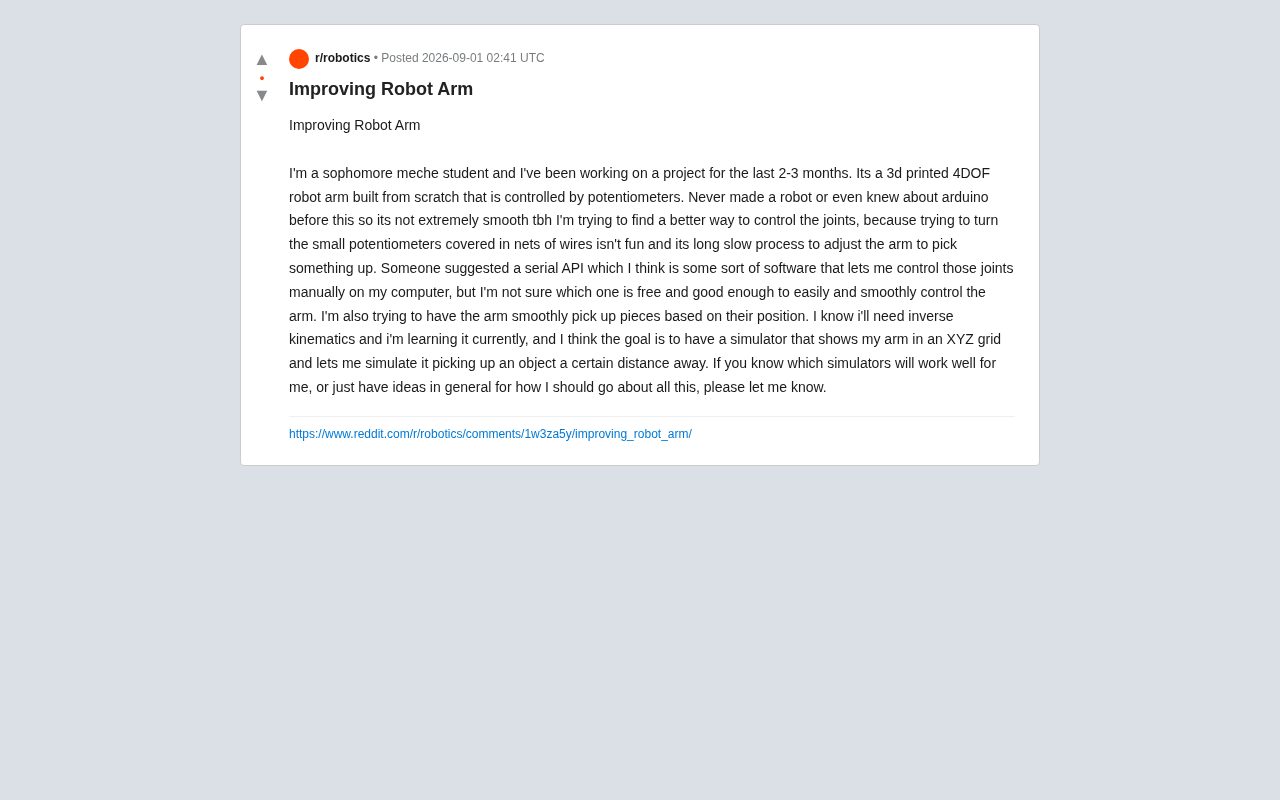
4DOF Robotic Arm DIY Tutorial: A Progressive Guide from Potentiometer Control to Inverse Kinematics
Complete guide to building a 4DOF robotic arm: from potentiometer control to Python serial communication, inverse kinematics, PyBullet simulation, and vision-based grasping for Arduino robotics beginners.

Google Antigravity + Gemini 3.7 Flash: An Efficient Approach to Multi-Agent Collaboration
Explore how Google's Antigravity orchestration platform and Gemini 3.7 Flash model work together to solve complex multi-agent math and engineering problems.
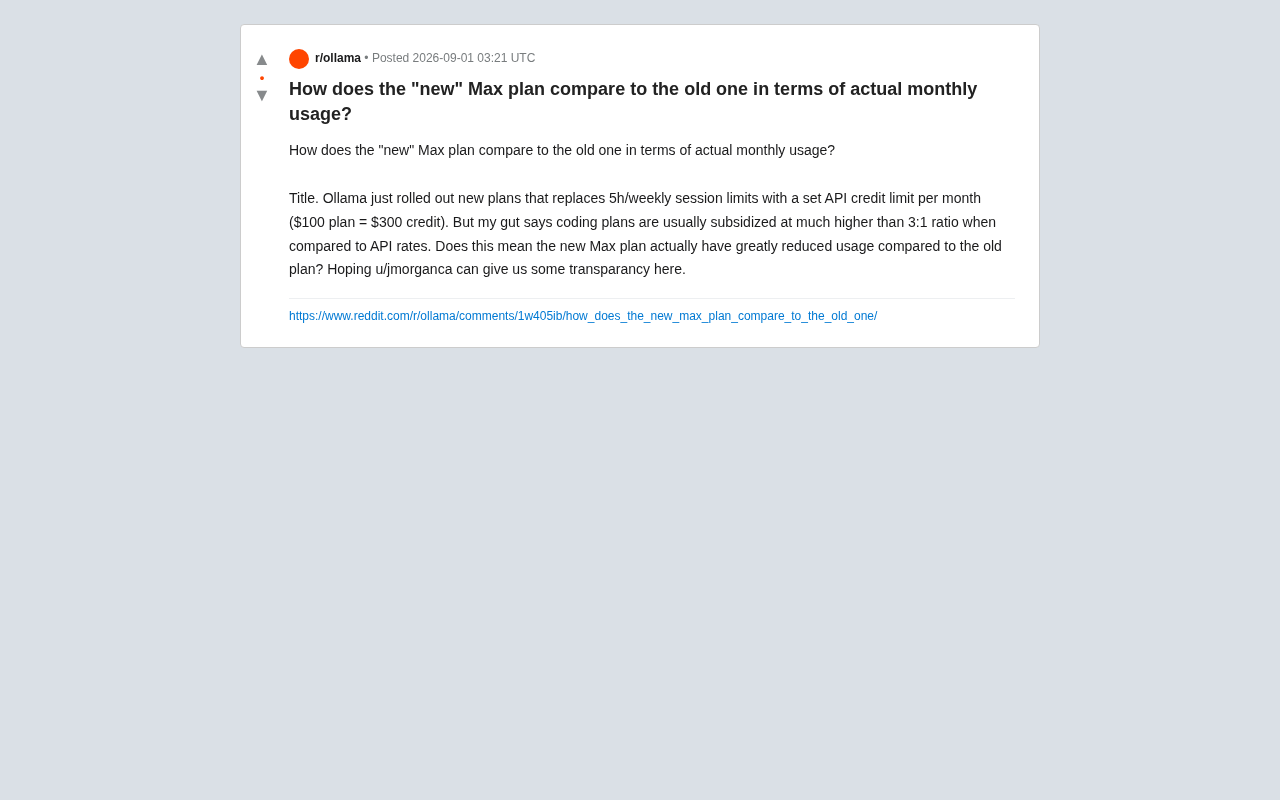
Max Plan Shifts from Subscription to Credits — Has Your Usage Actually Shrunk?
AI coding subscriptions shift from session-time to API credits. A $100 Max plan now offers $300 in credits at a 3:1 ratio — has actual usage really shrunk?