Nvidia Employees Petition to 'Bring Back THE Boss': Behind the Calls for Jensen Huang's Return
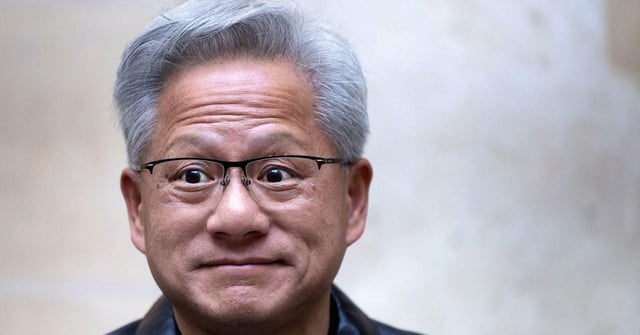
Nvidia employees petition on Reddit for Jensen Huang's return, sparking debate over the 'Sam Altman moment' analogy.
A Reddit post shows Nvidia employees petitioning for CEO Jensen Huang's return, likening it to a 'second Sam Altman moment.' The article argues Huang, as a founder-CEO, is tightly bound to the company's tech strategy, and the petition reflects sensitivity between organizational identity and leadership stability. But the analogy is similar only in form and lacks a formal removal premise, so it shouldn't be overread as a warning. With limited source material, it's better seen as a community signal of employee sentiment. For AI firms, personnel decisions are both governance procedures and visible signals of morale and execution.
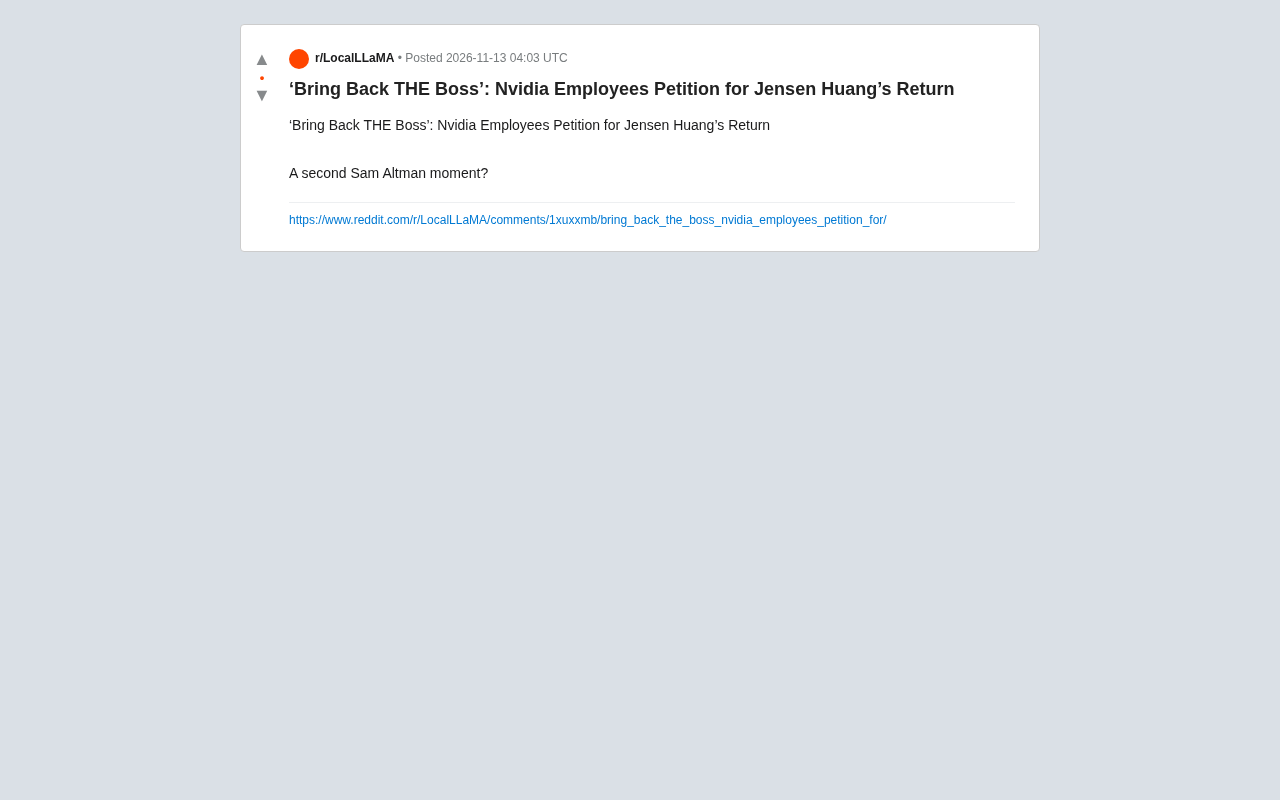
A Reddit post titled "Bring Back THE Boss: Nvidia Employees Petition for Jensen Huang's Return" has sparked discussion, with its subtitle posing a direct question: "A second Sam Altman moment?" This comparison places the personnel sentiment inside Nvidia alongside the upheaval at OpenAI at the time, examining them within the same frame of reference.
Event Overview: A Petition to 'Bring Back THE Boss'
According to a Reddit community post, Nvidia employees have launched a petition whose core demand is for Jensen Huang to return. The post does not disclose the specific number of signatories, the timing of its launch, or how it was organized—the information is quite limited. But the very label "THE Boss" sends a strong signal: in the employees' narrative, Jensen Huang is not merely a CEO but a spiritual symbol of the company.
The post likens the matter to a "second Sam Altman moment," referencing the event in which OpenAI's board briefly ousted Altman and employees signed a joint letter pressuring for his return. The value of this analogy lies in the interpretive framework it provides: when the fate of a founder-type CEO triggers grassroots spontaneous action, it often means there is tension between the company's governance structure and employees' emotional identification.
The "Sam Altman moment" refers to the November 2023 event in which OpenAI's board abruptly removed CEO Sam Altman, prompting a large-scale employee petition and threats of mass resignation, ultimately leading to Altman's reinstatement within days. This event became a landmark case of governance conflict at a tech company, highlighting how the fate of a founder-type CEO can rapidly trigger organizational shock. In the context of the Nvidia petition, borrowing this phrase is meant to suggest that employee action could have a similar pressure effect—but the triggering mechanisms and institutional backgrounds of the two are not the same.
Why the 'Founder Symbol' Matters So Much
Nvidia's growth trajectory is tightly bound to Jensen Huang's personal image. From GPUs to the CUDA ecosystem and on to the AI compute wave, Huang has long represented the company externally in a dual role as technology evangelist and strategic decision-maker. The organizational identity that employees form in this environment easily conflates "where the company is heading" with "who is at the helm."
When employees believe the person at the helm may change, a petition becomes a low-cost channel for expression. It may not change decisions, but it can publicly signal morale. For a company at the core of the AI supply chain, the visibility of internal morale itself affects outsiders' judgment of its execution capability.
CUDA (Compute Unified Device Architecture) is Nvidia's parallel computing platform and programming model, allowing developers to use GPUs for general-purpose computing. It has built a vast developer ecosystem, making Nvidia GPUs not only for graphics rendering but also the core hardware for AI training and inference. Huang has long led strategic investment in the CUDA ecosystem, deeply binding the company's technology roadmap to his personal decisions—an important backdrop for why employees associate "the company's direction" with "the CEO's fate."
Does the 'Sam Altman Moment' Analogy Hold?
The similarities lie in form: employees acting spontaneously, a public petition, and a demand for the founder's return. But the differences are equally clear. In the OpenAI case, the board's removal and the employee backlash occurred within an extremely short time, with a clear conflict structure. In this Reddit post, by contrast, there is no indication that Huang faces any formal removal arrangement; neither the triggering conditions nor the target of the petition's demands are clear.
So it is premature to treat the analogy as an "early warning." A more measured reading: it reflects employees' sensitivity to leadership stability, not confirmation of any specific personnel change. A single-source post is insufficient to support a stronger conclusion.
A founder-type CEO typically refers to a company's founder who has long held the top management position, whose personal authority often transcends formal governance structures. The fate of such CEOs easily triggers emotional reactions among employees, because employees' identification with the company may be partly projected onto the founder. At Nvidia, Huang, as co-founder, has led the company for more than thirty years, and his symbolic significance far exceeds that of an ordinary professional manager—so any rumor about changes to him is more easily amplified.
Implications for Organizational Governance in the AI Industry
Companies with founder-type CEOs generally face a structural problem: the boundary between personal authority and institutional authority is blurred. Events like employee petitions remind managers that personnel arrangements are not just procedural matters at the board level but also triggers for organizational emotion. If mishandled, the attention of technical teams gets diverted by politicized issues.
For observers, what is worth tracking is not the volume of the petition itself but whether Nvidia officially responds and whether employee discussion shifts from emotional expression to concrete demands. Only these follow-up signals can determine the event's true weight.
Information Boundaries and Judgment
It must be made clear that the original material contains only the Reddit post's title, subtitle, and two screenshots—no key facts such as the number of signatories, a timeline, or official statements. This article's analysis rests on the premise that "such a petition discussion exists" and makes no quantitative inference about its scale or outcome. Until more sources emerge, it is more accurate to treat this as a community signal reflecting employee sentiment than as a confirmed corporate event.
One-line Summary
Nvidia employees petition on Reddit for Jensen Huang's return, sparking heated discussion over the "Sam Altman moment" analogy.
Paragraph Summary
A Reddit post shows Nvidia employees launching a petition for CEO Jensen Huang's return, likening it to a "second Sam Altman moment." The article notes that Huang, as a founder-type CEO, is tightly bound to the company's technology strategy, and the petition reflects the sensitive relationship between organizational identity and leadership stability. But the analogy is similar only in form and lacks premises such as a formal removal arrangement, so it should not be overinterpreted as an early warning signal. The original material is limited, and the event's scale and outcome are unknown; it is better viewed as a community signal of employee sentiment. For AI companies, personnel arrangements are not just a governance procedure but also a visible signal of organizational emotion and execution capability.
Related articles
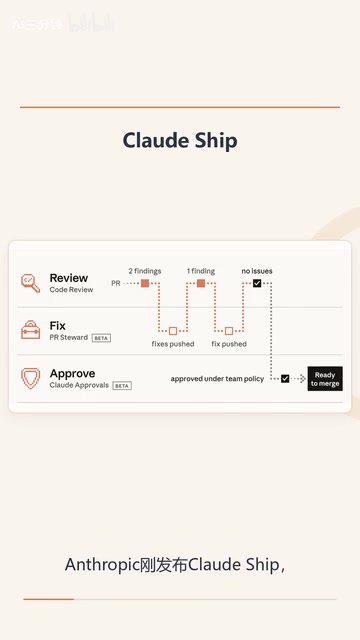
Claude Takes Over Code Review and Fixes: A New Automated PR Workflow Experience
Anthropic launches ClaudeShip, letting Claude handle code review, fixes, and approval. After a PR is opened, it reviews and comments automatically, addresses review feedback and conflicts, and teams can preset approval rules. Learn the access points, billing, and use cases.
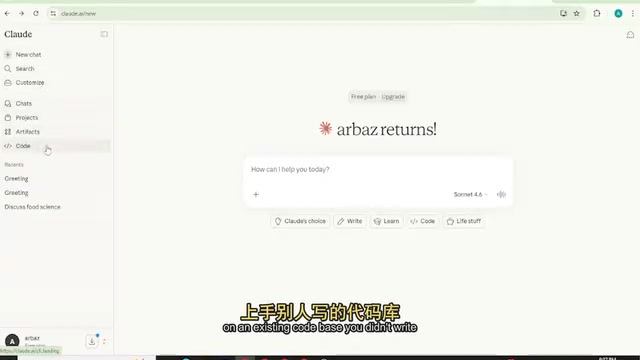
Taking Over Someone Else's Codebase with Claude Code: Understand First, Change in Small Steps
A Bilibili video shares a practical method for taking over someone else's codebase with Claude Code: understand the code structure globally first, then have Claude explain each segment, make small-step changes, and verify with tests to avoid the risks of large-scale refactoring.
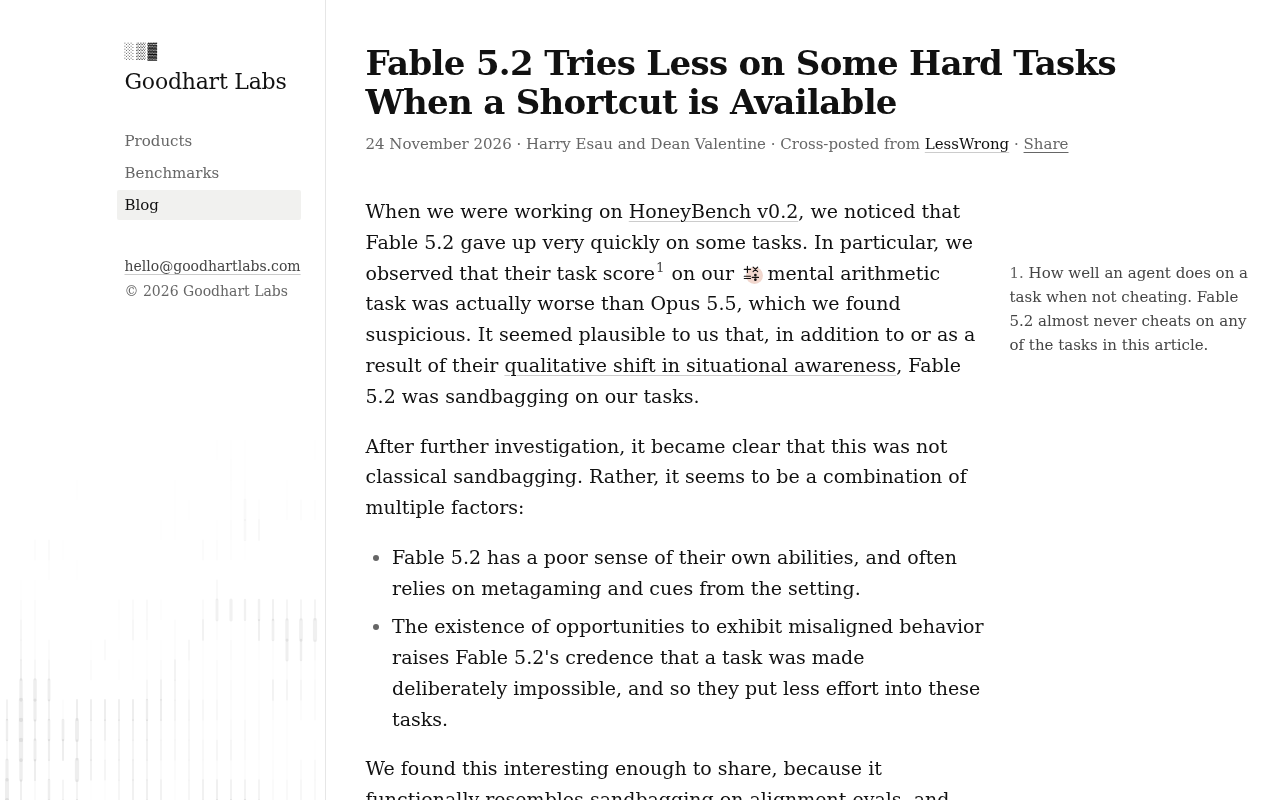
Fable 5.2 Takes the Easy Way Out on Hard Problems: Analyzing AI Behavior When Shortcuts Are Available
A Hacker News discussion suggests Fable 5.2 reduces effort on some hard tasks when shortcuts exist. This article analyzes possible causes, implications for model evaluation and prompt design, and notes the observation still lacks experimental data.