NVIDIA Partners with Hugging Face: A New Variable in the Open-Source Model Ecosystem
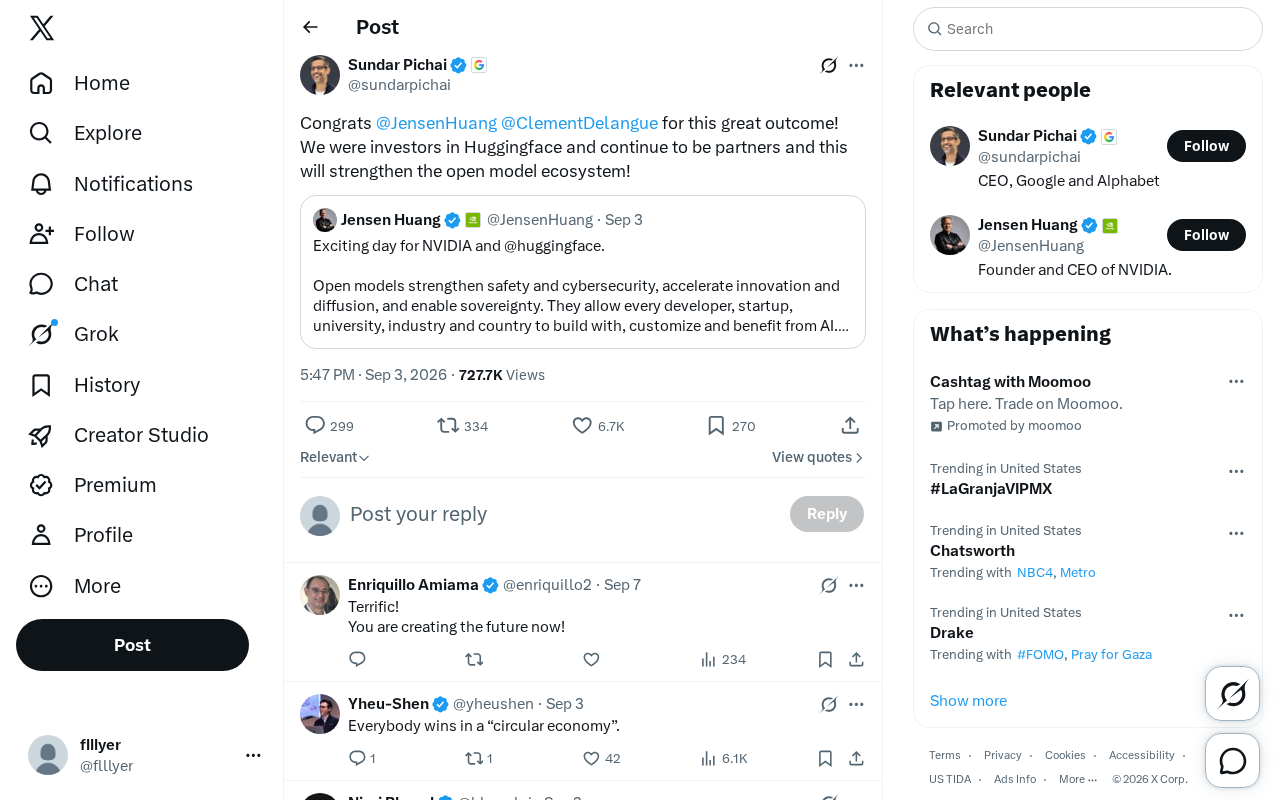
NVIDIA and Hugging Face partner up, signaling big tech's growing embrace of open-source AI.
NVIDIA CEO Jensen Huang and Hugging Face co-founder Clement Delangue have announced a partnership, revealed through an investor's congratulatory tweet and framed as a move to "strengthen the open model ecosystem." NVIDIA dominates the GPU market for AI training and inference, while Hugging Face is the world's largest open-source model hosting platform. Their collaboration represents a deeper coupling of compute and model ecosystem — extending NVIDIA's hardware reach into the open-source community while giving Hugging Face developers smoother hardware integration. Specific terms remain undisclosed, but the move signals accelerating vertical integration across the AI industry.
Recently, a congratulatory tweet from an investor sparked significant industry attention: NVIDIA CEO Jensen Huang and Hugging Face co-founder Clement Delangue have formed a partnership, widely regarded as an important step toward strengthening the open-source model ecosystem. The investor who posted the announcement noted that their firm was an early backer of Hugging Face and will continue to participate as a partner.
The Signal Behind a Congratulatory Tweet
Though brief, the tweet conveyed several key messages: chip giant NVIDIA and open-source AI platform Hugging Face are forging closer ties, and investors have explicitly framed this move as strengthening the "open model ecosystem."
For those following AI infrastructure, such a partnership is hardly surprising. NVIDIA has long dominated the GPU market for AI training and inference, while Hugging Face is one of the world's largest open-source model hosting and collaboration platforms, home to a vast collection of pretrained models, datasets, and an active developer community. At its core, this partnership represents a deeper coupling of "compute" and "model ecosystem."
Why This Partnership Deserves Attention
A Two-Way Lock-In Between Compute and Ecosystem
Hugging Face's value lies in its massive open-source model library and vibrant developer network — and the training and deployment of those models are highly dependent on high-performance computing resources. As a core player on the compute supply side, if NVIDIA deepens its collaboration with Hugging Face, developers who access models through the platform may benefit from smoother hardware compatibility and optimization pathways.
This lock-in is strategically significant for both parties: NVIDIA can extend its hardware advantages into the broader open-source community, cementing its position in the AI stack; Hugging Face, in turn, can leverage NVIDIA's resources to lower the barrier for developers adopting open-source models.
Background: Hugging Face was founded in 2016, originally as a chatbot company before pivoting to an AI model hosting and collaboration platform. It currently hosts over 700,000 pretrained models and 150,000 datasets, with more than 5 million monthly active developers. Its core product, the "Hub," functions like GitHub for AI — allowing researchers and developers to freely upload, download, fine-tune, and deploy models. The platform supports mainstream open-source frameworks such as Transformers and Diffusers, and offers commercial services including Spaces (model demo environments) and an Inference API. NVIDIA has already established dominance over the deep learning compute layer through its CUDA ecosystem. If this partnership with Hugging Face deepens, it could extend into areas such as model compilation optimization (e.g., TensorRT integration), cloud inference acceleration, or joint developer programs — significantly improving the deployment efficiency of open-source models on NVIDIA hardware.
Impact on the Open-Source Ecosystem
The tweet specifically highlighted the goal to "strengthen the open model ecosystem." Against the backdrop of intensifying competition between closed-source and open-source large language models, a top-tier compute vendor tilting toward the open-source camp could inject more resources and confidence into the open-source community.
That said, a measured perspective is warranted — a single investor's congratulatory tweet does not disclose the specific form, scale, or commercial terms of the partnership. Whether the collaboration takes the form of capital investment, joint technical optimization, or product-level integration remains unclear from available public information.
Context: The competition between open-source and closed-source large models is at a critical inflection point. Open-source models like Meta's Llama series, Mistral, and Falcon have been steadily closing the performance gap with closed-source products like GPT-4 — but the open-source camp has long faced an uneven playing field when it comes to compute resources. The GPU clusters required to train and deploy large-scale models are enormously expensive, and typically only large tech companies can afford them. If NVIDIA were to extend preferential compute resources, joint optimization tools, or dedicated support programs to the open-source community, it could help narrow this gap — enabling smaller teams and academic institutions to train and deploy frontier models at lower cost. This would have a positive downstream effect on the pace of innovation and diversity across the entire open-source ecosystem.
The Role of the Investor
The institution that posted this announcement identifies itself as an early investor in Hugging Face and states it will "continue as a partner." This signals sustained confidence from the capital markets in both Hugging Face and the broader open-source AI sector. In recent years, investment interest in open-source AI infrastructure has remained high, and every strategic move by leading platforms is closely tracked.
For founders and developers, signals like this suggest that resource support for open-source toolchains is likely to keep growing — though they also serve as a reminder that the healthy development of the open-source ecosystem still requires striking a balance between commercialization and community openness.
Summary
This brief congratulatory tweet reflects the accelerating trend of vertical integration across the AI industry. The convergence of a compute giant and an open-source platform could reshape how developers access and deploy models. Given the limited public information available at this stage, the partnership's real-world impact will require further official details before it can be fully assessed. For readers tracking AI infrastructure and the open-source ecosystem, this is a development worth watching closely.
Related articles
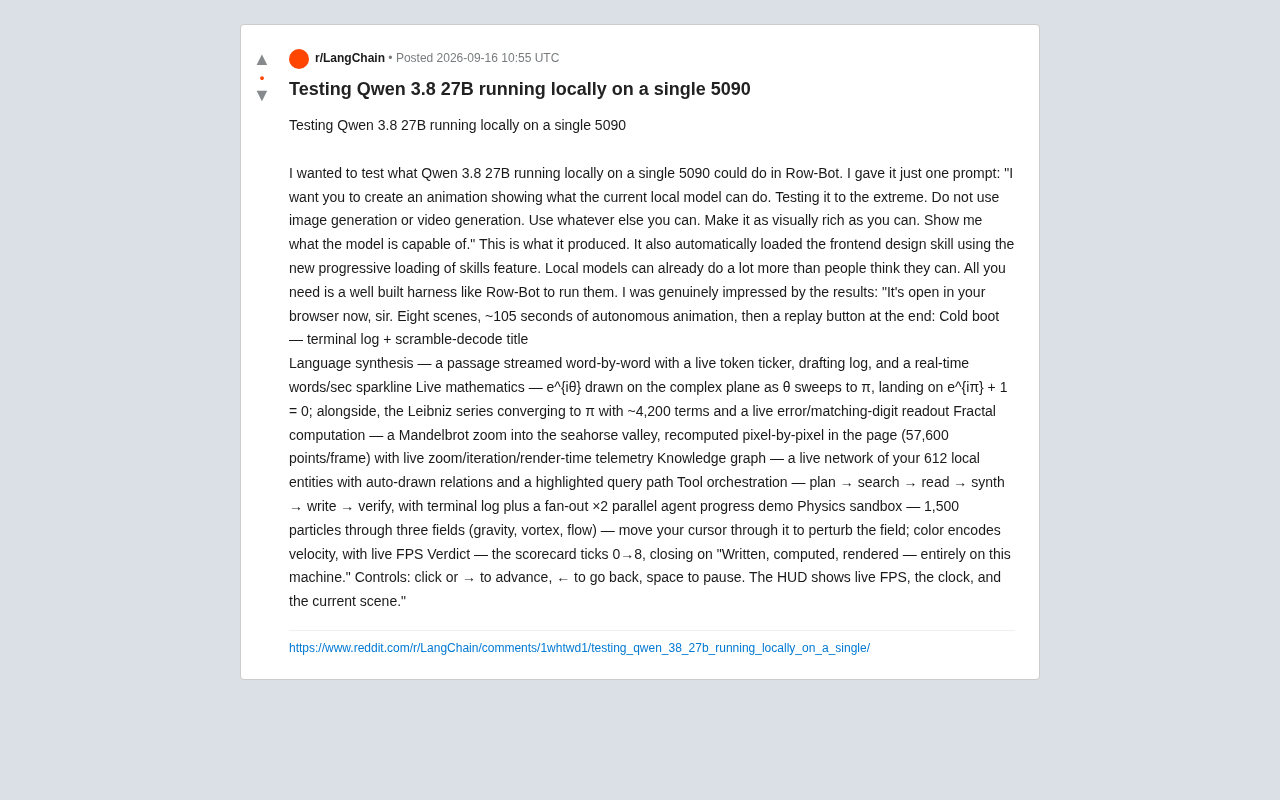
Running Qwen3 27B Locally on a Single RTX 5090: What Can It Actually Do?
A developer runs Qwen3 27B locally on a single RTX 5090 via the Row-Bot Agent framework, generating an 8-scene, 105-second interactive animation from one prompt — including real-time math, fractals, and physics.
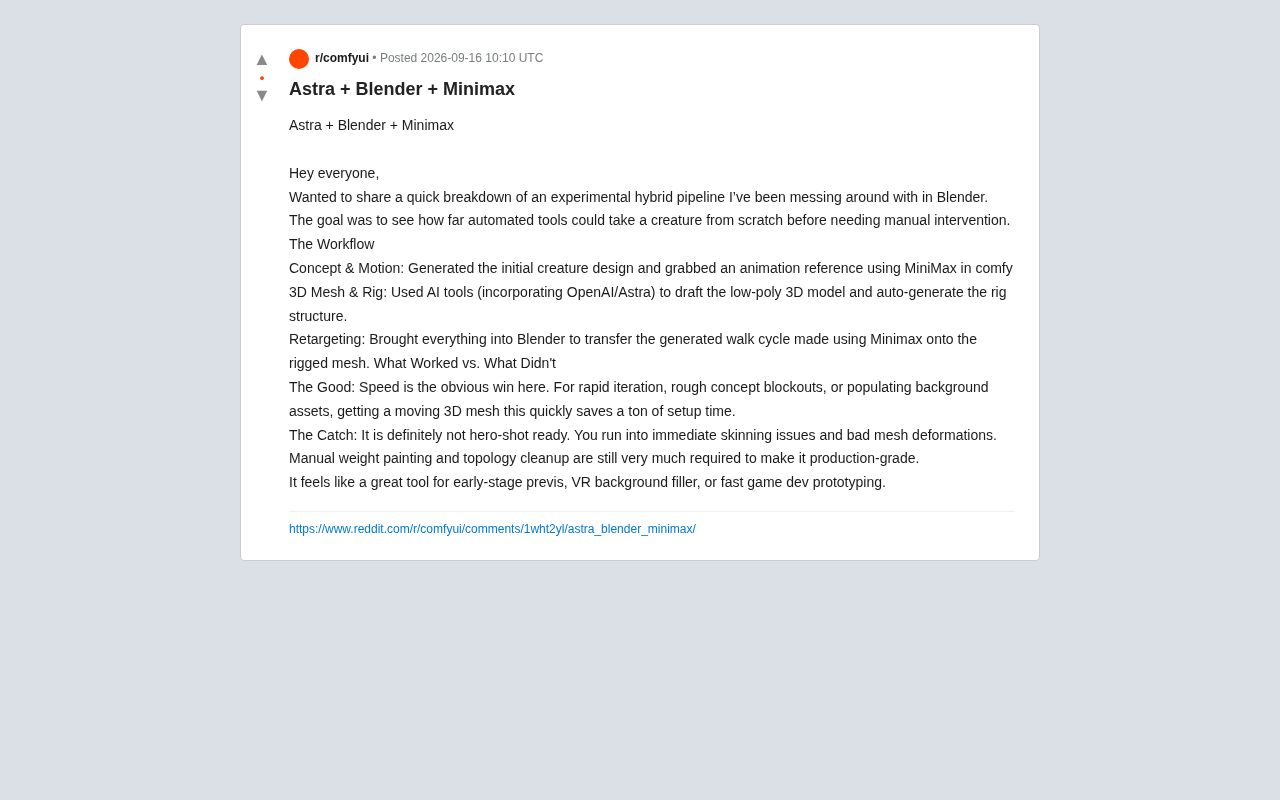
AI Hybrid Workflow in Practice: Auto-Generating 3D Creatures with Astra + Blender + MiniMax
A Reddit creator tests an Astra+Blender+MiniMax hybrid AI workflow for 3D creature animation — from concept to rigging to retargeting. Here's what works and what doesn't.
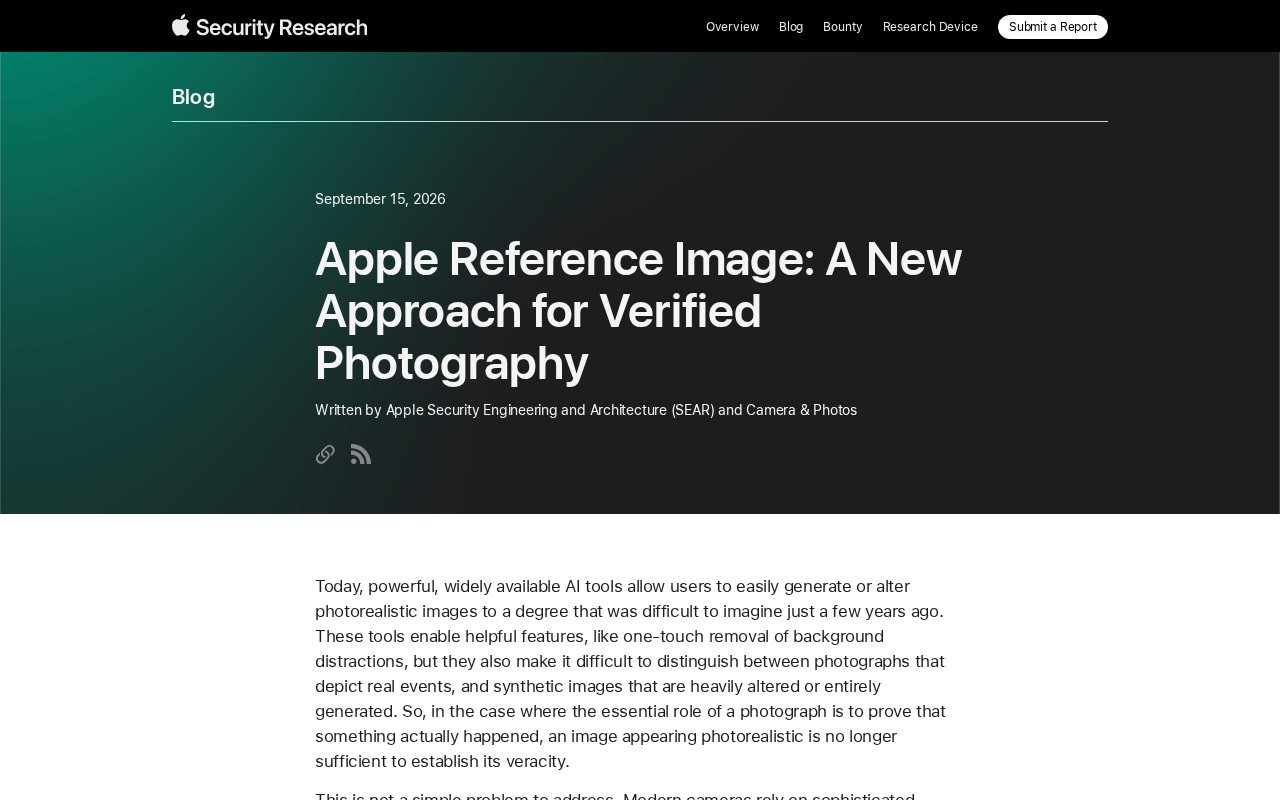
Apple Reference Image: A New Paradigm for Verifiable Photography
Apple's Reference Image proposal uses on-device cryptographic signing to establish verifiable baselines for real photos, tackling AI-generated image authenticity at the hardware level.