NVIDIA Partners with Hugging Face: How Open-Source AI Infrastructure Enables Universal Access
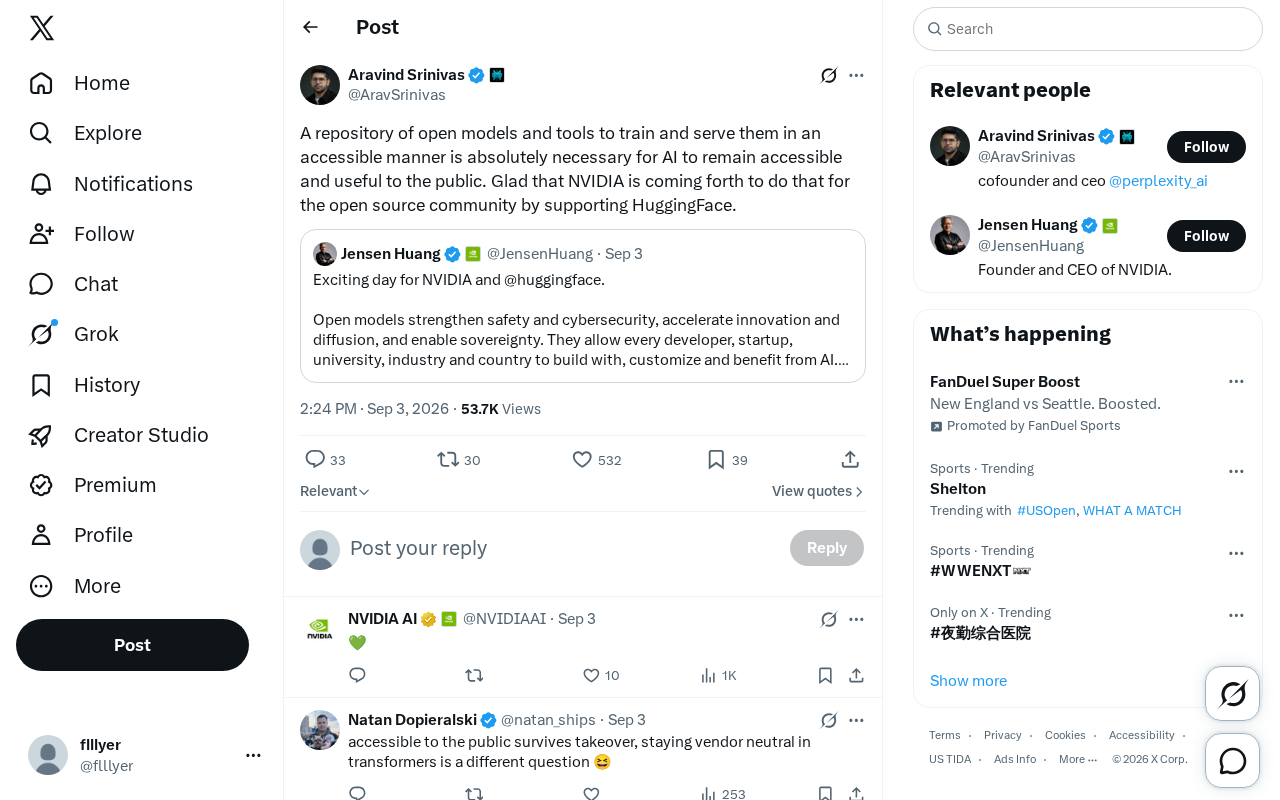
NVIDIA's partnership with Hugging Face strengthens open-source AI infrastructure to democratize access.
NVIDIA is partnering with Hugging Face to support the open-source AI community by deeply integrating its compute power with the model ecosystem. This strategic alliance aims to lower AI adoption barriers through optimized training, simplified deployment, and a complete open-source toolchain. As the open-source vs. closed-source debate intensifies, the collaboration signals that AI accessibility is becoming a priority for industry leaders.
Open-Source Model Repositories: The Cornerstone of AI Accessibility
As artificial intelligence advances at breakneck speed, a critical question has come to the fore: will AI capabilities be monopolized by a handful of tech giants? Recent industry discussions have highlighted that repositories containing open-source models along with their associated training and deployment tools are the key infrastructure for keeping AI publicly accessible and practical.
This perspective strikes at the heart of the current AI ecosystem's pain point. The cost of training large models continues to skyrocket—with compute investments easily reaching millions of dollars, putting them out of reach for most researchers, startups, and academic institutions. Training a frontier large language model (at the GPT-4 level) now costs tens of millions or even hundreds of millions of dollars, with expenses primarily driven by GPU cluster procurement or rental, power consumption, data center cooling, and engineering team salaries. Taking the NVIDIA H100 GPU as an example, a single card costs approximately $25,000–$40,000, and training a model with hundreds of billions of parameters typically requires thousands of these GPUs working in concert for weeks or even months. This capital-intensive nature is creating significant barriers to entry. Without open-source infrastructure support, AI technology could easily devolve into a race of capital and compute power, leaving the public behind.
The Strategic Value of NVIDIA Supporting Hugging Face
NVIDIA is serving the open-source community through its support of Hugging Face—a move driven by deep strategic considerations.
Deep Integration of Compute Power and the Model Ecosystem
As the world's core AI compute supplier, NVIDIA's GPUs are the de facto standard for training large models. NVIDIA currently holds approximately 80%–95% of the AI training chip market. Its CUDA (Compute Unified Device Architecture) programming platform, launched in 2007, has built a formidable software ecosystem moat—virtually all mainstream deep learning frameworks (PyTorch, TensorFlow, etc.) treat CUDA as their primary supported platform. Beyond hardware, NVIDIA also provides a suite of AI software tools including TensorRT (an inference optimization engine), Triton Inference Server (a model serving framework), and NeMo (a large model training framework), forming a complete technology stack from chip to application.
Hugging Face, on the other hand, is the most important open-source model hosting and distribution platform. Founded in 2016, the platform hosted over 1 million models, 200,000 datasets, and 300,000 demo applications (Spaces) as of 2024, earning it the title of "GitHub for AI." Its core open-source library, Transformers, supports three major deep learning frameworks—PyTorch, TensorFlow, and JAX—providing a unified API for loading and using various pretrained models. Additionally, Hugging Face has developed companion tools such as Datasets (data loading), Accelerate (distributed training), and PEFT (Parameter-Efficient Fine-Tuning), forming a complete open-source toolchain from data processing to model deployment.
The combination of these two players is essentially a strategic alliance between the compute supply side and the model ecosystem side. For the open-source community, this means a smoother pipeline for model training and deployment. Developers can focus on model innovation itself without expending energy on low-level tasks like hardware adaptation and inference optimization.
Dramatically Lowering the Barrier to AI Adoption
True open source goes beyond publishing model weights—it requires a complete toolchain: fine-tuning frameworks, quantization tools, inference engines, and deployment solutions. Among these, quantization is a critically important technique that converts model parameters from high-precision floating-point representations (such as FP32 or FP16) to lower-precision formats (such as INT8, INT4, or even lower), drastically reducing model size and the computational resources required for inference. For example, a 7-billion-parameter model requires approximately 14GB of VRAM at FP16 precision, but only about 3.5GB after INT4 quantization, making it runnable on consumer-grade GPUs. Common quantization methods include GPTQ, AWQ, and GGUF, and the Hugging Face platform already hosts a large number of quantized model versions. Inference optimization encompasses an even broader range of techniques, including KV Cache optimization, Flash Attention, Speculative Decoding, and Continuous Batching, all working together to improve model serving throughput and reduce latency.
Only when tools are sufficiently user-friendly can small and medium-sized teams convert open-source models into real productivity. NVIDIA's involvement injects robust performance guarantees at the hardware-software co-optimization level, making it a reality to "train and deploy models in an accessible way."
Open Source vs. Closed Source: The Battle Over AI's Development Path
This partnership serves as an important footnote to the ongoing open-source vs. closed-source debate in the AI industry.
Strengths and Limitations of the Closed-Source Model
The closed-source camp, led by companies like OpenAI and Anthropic, maintains a lead in model capabilities through first-mover advantages and massive investment. However, the closed-source approach also brings issues of insufficient transparency, poor controllability, and high costs—and concerns about the model "black box" among enterprises and researchers are growing.
The "black box" problem refers to the fact that users cannot access key information about closed-source models, including training data sources, architectural details, safety alignment strategies, and potential biases. This raises multi-layered concerns in enterprise applications. First, there are compliance risks—in regulated industries like finance, healthcare, and law, using unexplainable AI systems may violate regulatory requirements. Second, there are data privacy concerns—calling closed-source APIs means sensitive data must be transmitted to third-party servers. Third, there is vendor lock-in—once an enterprise's core business logic becomes deeply coupled with a specific closed-source API, it becomes extremely vulnerable to price adjustments or service changes. Emerging regulatory frameworks such as the EU AI Act also impose explicit requirements on AI system transparency and explainability, further highlighting the compliance advantages of open-source models.
The Rapid Rise of Open-Source Forces
Open-source forces represented by Meta's Llama series, Mistral, and numerous Hugging Face community models are accelerating their catch-up. Meta released Llama in February 2023, followed by the Llama 2 and Llama 3 series, progressively opening up multiple versions ranging from 7B to 405B parameters. The Llama series' open-source strategy has profoundly reshaped the industry landscape—it proved that open-source models can approach, and even surpass on specific tasks, their closed-source counterparts. Mistral AI is another significant open-source force; this French startup's Mixtral 8x7B model employs a Mixture of Experts (MoE) architecture, achieving excellent performance at lower inference costs. Additionally, open-source models from Chinese teams—including Alibaba's Qwen, DeepSeek, and 01.AI's Yi—are playing increasingly important roles in the global open-source ecosystem. These models are further fine-tuned, quantized, and adapted by the community on Hugging Face, spawning tens of thousands of derivative versions and forming a thriving open-source model ecosystem.
The core advantages of open-source models lie in their transparency, customizability, and ability to be deployed privately—making them highly attractive to enterprises focused on data security and cost control. When a core compute provider like NVIDIA explicitly supports the open-source ecosystem, it undoubtedly injects a shot of confidence into the open-source camp and helps balance the industry's power dynamics to some degree.
Tangible Benefits for Developers and Enterprises
From a practical perspective, this partnership is likely to deliver direct value on multiple fronts:
- Significant improvements in training efficiency: NVIDIA's deep optimizations for the Hugging Face ecosystem make model training faster and more efficient on its GPUs. Specifically, this includes CUDA kernel-level optimizations for the Hugging Face Transformers library, automatic mixed-precision training adaptation for different GPU architectures (such as Hopper and Ada Lovelace), and improvements in distributed training communication efficiency.
- Simplified deployment workflows: The "last mile" from model to service is often the trickiest part, and hardware vendor support will significantly streamline this process. Through seamless integration of TensorRT with Hugging Face models, developers can convert trained models into high-performance inference services with a single click, without needing to understand the underlying optimization details.
- A positive ecosystem feedback loop: The emergence of more open-source models and tools will create a virtuous cycle that benefits the entire community. When developers find that using the Hugging Face toolchain on NVIDIA hardware is a smooth experience, they'll be more motivated to contribute code, share models, and write tutorials—which in turn attracts more users, creating network effects.
The Future of AI Accessibility Lies in Open Infrastructure
Whether the future of artificial intelligence trends toward centralized monopoly or open sharing depends largely on whether open-source infrastructure can continue to develop. NVIDIA's support for Hugging Face, while its concrete impact still needs time to be validated, at least sends a positive signal: AI's public accessibility is being taken seriously by industry leaders.
It's worth noting that this "openness" is not without its boundaries and tensions. NVIDIA's CUDA ecosystem itself has a strong lock-in effect, and its support for the open-source community, while advancing AI accessibility, also reinforces its own irreplaceable position in AI infrastructure. AMD's ROCm, Intel's oneAPI, and various AI-specific chips (such as Google TPU and various domestic Chinese AI chips) are all attempting to break this monopoly, but their software ecosystems still lag noticeably in maturity. True AI accessibility may require not only open source at the model level, but also more robust competition and openness at the compute infrastructure level.
For developers and enterprises at large, a healthy, open, and well-tooled model ecosystem is the fundamental guarantee for AI technology to truly land and serve the public. This contest over AI accessibility has only just begun.
Related articles

Magnitude: One Service to Handle Local LLM Inference and Agent Integration
Magnitude is an open-source local LLM inference server that auto-optimizes for your hardware and integrates seamlessly with Codex, Claude Code, and other AI Agents.
Mac Local AI Buying Guide: A Complete Breakdown of Memory Configurations and Model Speed
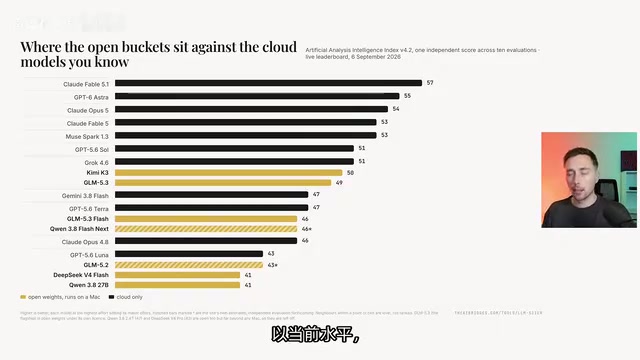
In-depth analysis of Mac memory requirements, inference speed, and costs for running local AI LLMs. From 48GB to 512GB configs — which models fit, how bandwidth affects speed, and local vs. cloud cost comparison.
Perplexity Builds AI Sandbox with Rust: A Deep Dive into the RustConf Technical Talk
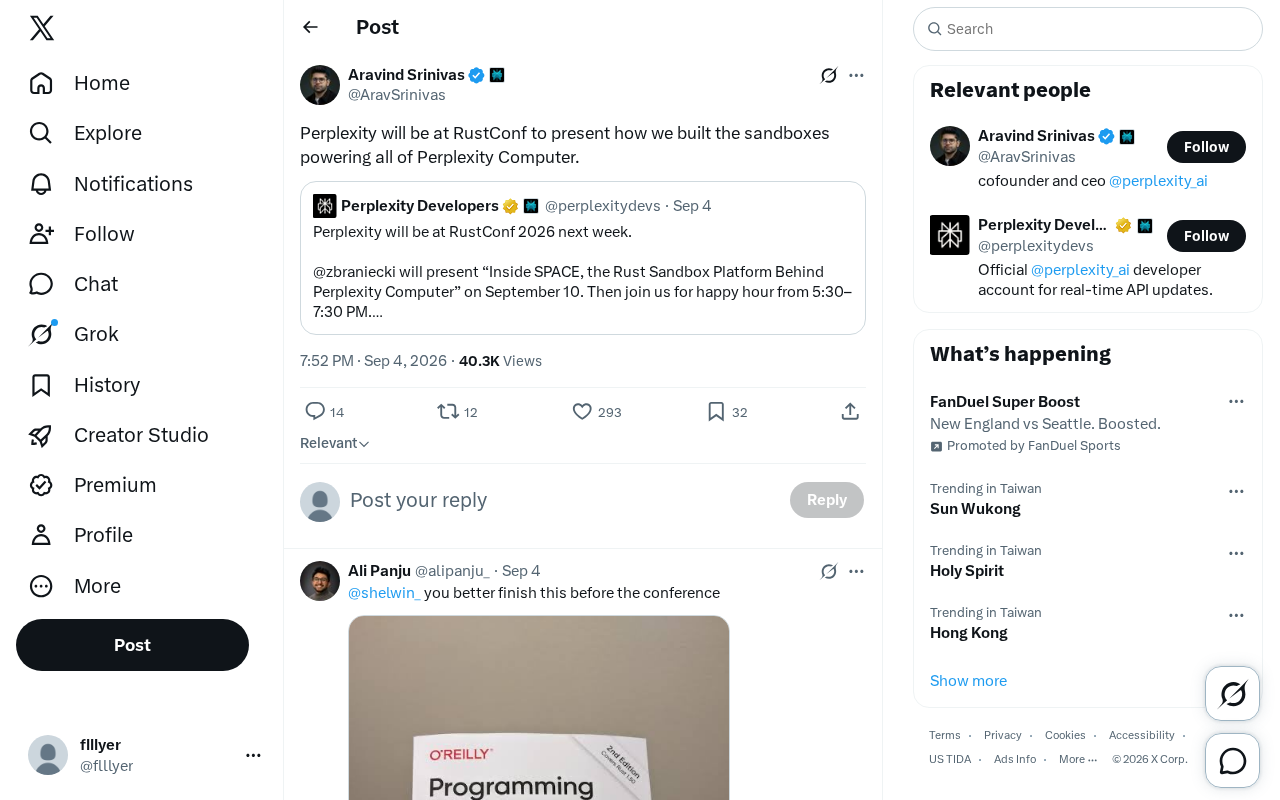
Perplexity shares its Rust-built sandbox architecture for its Computer product at RustConf. Explore why Rust is ideal for secure AI execution environments.