Onset MCP: An MCP Tool That Uses AI to Automatically Generate and Publish Changelogs
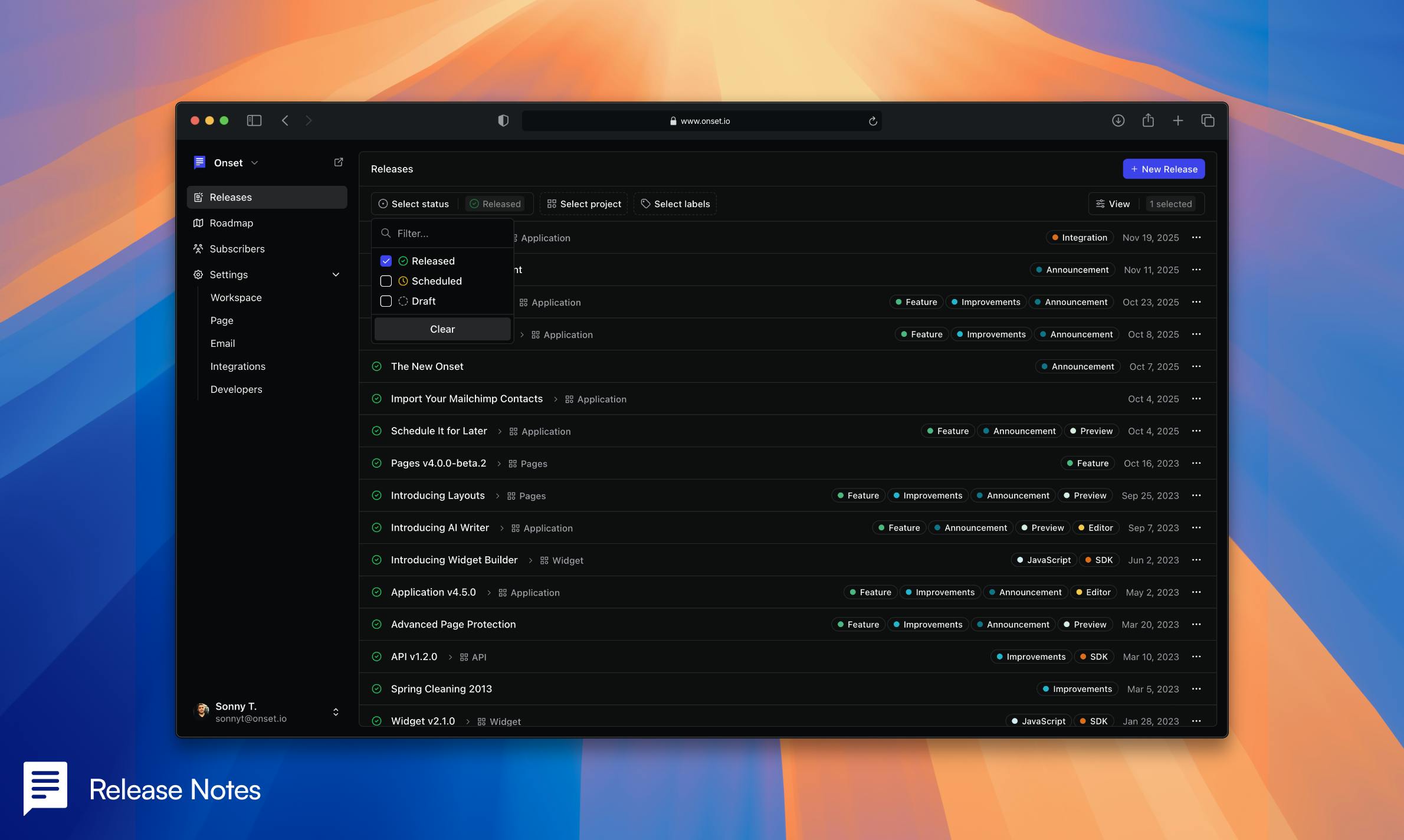
Onset MCP uses AI and the MCP protocol to automate changelog generation and publishing within your editor.
Onset MCP is an MCP-based tool that integrates changelog drafting, scheduling, and publishing directly into AI coding environments like Claude and Cursor. By leveraging full code context, AI generates high-quality, user-facing release notes automatically. The tool supports scheduled publishing, requires no credit card to start, and eliminates context switching by keeping the entire workflow within the editor.
Every Release, the Changelog Is the Last Pain Point
In the software release process, once the code is written, tests pass, and deployment goes live, developers often breathe a sigh of relief—but there's still one final step: writing the release notes. This task seems simple but is actually time-consuming and mentally draining. You need to review all commit records, organize feature changes, craft the language, and then publish to the appropriate channels. Many teams either phone in their changelogs or skip them entirely.
A changelog is a document in software engineering that records the changes included in each version release, typically categorized into new features, bug fixes, performance improvements, breaking changes, and so on. Industry standards like Keep a Changelog have attempted to unify the format, and Semantic Versioning gives version numbers clear meaning. In practice, however, changelog quality varies wildly across teams: some simply dump the raw git log, filled with meaningless commit messages like 'fix typo' and 'WIP'; others write them manually but fall seriously behind on updates. A high-quality changelog is essentially a user-facing translation effort—converting developer-perspective technical changes into feature descriptions that users can understand.
Onset MCP was built to solve exactly this pain point. As an MCP (Model Context Protocol) service, it integrates changelog drafting, scheduling, and publishing capabilities directly into AI coding tools like Claude or Cursor, making changelog writing truly disappear from a developer's to-do list.
Why the MCP Protocol Is Key
MCP Gives AI Tools "External Execution Capabilities"
MCP (Model Context Protocol) is a standard protocol that enables AI assistants to interact with external tools and services. Introduced by Anthropic in late 2024, MCP is an open, standardized protocol designed to solve the connectivity problem between AI models and external data sources and tools. Architecturally, MCP uses a client-server model: AI applications (like Claude Desktop, Cursor) serve as MCP clients, while various external services implement the MCP server-side interface. The protocol defines three core primitives—Resources (similar to data reads), Tools (allowing AI to perform actions), and Prompts (prompt templates).
This design is analogous to the HTTP protocol in the web domain or ODBC/JDBC in the database domain. The goal is to replace the old N×M problem—where every AI application needed custom integration with every external service—with a simplified N+M integration model using a single unified protocol. There are now hundreds of MCP server implementations covering common development scenarios like GitHub, Slack, databases, and file systems. Through MCP, AI coding environments like Claude or Cursor can not only read and write code but also call external APIs and operate third-party services—essentially giving AI both hands and feet.
Onset MCP leverages this mechanism to expose the full pipeline of changelog operations to AI assistants. Without leaving their editor, developers can have AI directly access the code change context, understand what's in the current release, and automatically generate a structured changelog.
From "AI Helps Draft" to "AI Publishes Directly"
There's a critical distinction here: in the past, developers could ask ChatGPT to help draft release notes, but they still had to manually copy, paste, and publish. Onset MCP bridges that last mile—AI isn't just a draft generator; it's an executor that can directly handle scheduling and publishing actions. The entire changelog workflow can run automatically as part of the release pipeline, rather than being a manual afterthought to patch things up.
Onset MCP Core Feature Breakdown
Drafting: Context-Aware Changelog Generation
The core advantage of Onset MCP is that the AI assistant naturally has full code context during the drafting stage. The AI, sharing a session with the code, knows exactly which files were changed in this commit, what bugs were fixed, and what new interfaces were added.
The reason AI coding environments like Cursor and Claude can generate high-quality changelogs is that their context windows far exceed those of traditional tools. Take Cursor as an example: it can index the entire repository's file structure, read specific changes in git diffs, and understand function signatures and module dependencies. This context awareness means the AI doesn't just know "which files were changed"—it can also infer "what these changes mean for users." For instance, when it sees that an API endpoint's response structure has a field change, the AI can determine this is a breaking change and highlight it prominently in the changelog. This kind of semantic understanding is something traditional changelog generation tools based on regex matching or templates (such as conventional-changelog, standard-version) simply don't possess.
Compared to manually sifting through git logs and organizing the language, AI-generated first drafts have clear advantages in both quality and completeness. Developers can directly instruct in the conversation: "Generate the release notes for v2.3.0," and the AI will draft a well-structured, user-facing changelog based on context, rather than mechanically listing commit messages.
Scheduling and Publishing: Closing the Automation Loop Within the Editor
Beyond drafting, Onset MCP also supports scheduled publishing—you can specify a release time so the changelog goes out at the right moment, rather than startling users with an immediate push after a late-night deployment.
Scheduled releases have significant practical value in software engineering. Many teams follow specific release cadences—for example, avoiding Friday releases to reduce weekend on-call risk, or pushing update notifications during low-activity periods to minimize disruption. In SaaS products, the timing of changelog publication also involves product marketing strategy: changelogs for major feature updates are typically coordinated with product blog posts, email notifications, and social media announcements. Onset MCP's scheduling capability means developers can set the changelog push time right in their editor immediately after completing a code release, without setting calendar reminders or relying on manual coordination from product managers.
The publish action is also completed within the editor, with no need to jump to another admin interface. This "never leave the editor" design philosophy reduces the cognitive burden of context switching. Cognitive science research shows that people incur significant "switch costs" when switching between different tasks, typically needing 15–25 minutes to re-enter a state of deep work. For developers, jumping from the editor to a CMS backend to publish a changelog, then to Slack to notify the team, then back to the editor to continue coding—each jump is a context switch. This is exactly why the "never leave the editor" design philosophy is so popular in developer tools—from VS Code's integrated terminal, to GitHub Copilot's inline code completion, to Cursor's conversational programming, the core logic is reducing how often developers jump between different interfaces. For developers who value workflow continuity, this experience is significantly smoother.
Free to Start, No Credit Card Required
Onset MCP offers a free plan that doesn't require a credit card at signup. For individual developers or small teams, this dramatically lowers the barrier to trying it out. After launching on Product Hunt, the product received 87 upvotes and ranked #14, suggesting this pain point truly resonates with the developer community.
The Bigger Picture
AI Toolchains Are Evolving Toward "Execution Loops"
Onset MCP represents more than just a changelog automation tool—it embodies a trend: AI coding assistants are evolving from "advisors" to "executors." In the past, AI wrote code for you to run; now AI writes the code and can also handle deployment, documentation, notifications, and a whole series of ancillary tasks along the way.
This trend accelerated between 2024 and 2025. Early AI coding assistants like GitHub Copilot primarily offered code completion suggestions, with developers reviewing and accepting line by line. Subsequently, tools like Cursor and Windsurf began supporting multi-file editing and automated refactoring. By the time the MCP protocol gained adoption, AI's execution boundary expanded further beyond the code repository—it could create GitHub Issues, send Slack messages, query databases, and deploy to cloud platforms. Anthropic calls this capability "agentic," meaning AI no longer just answers questions but can plan and execute multi-step tasks. This evolutionary path is fully consistent with the software industry's trajectory from manual operations to DevOps to AIOps.
The MCP protocol is critical infrastructure for this evolution. As more services join the MCP ecosystem, the capability boundaries of AI assistants will continue to expand. Onset MCP chose "release notes"—a scenario that's painful enough yet small enough—as its entry point, achieving genuine usability rather than staying at the concept demo stage.
The "Last Mile" Value of Developer Experience
Software development is full of "last mile" friction: writing documentation, updating READMEs, sending email notifications, updating JIRA statuses… Each of these tasks seems unimportant on its own, but together they consume enormous amounts of developer energy. If AI tools can systematically eliminate this kind of friction, the boost to developer productivity will be substantive—not just a marginal improvement in code generation speed.
The emergence of Onset MCP reminds us that the next phase of competition among AI coding tools may not be about who writes better code, but about who makes the developer's entire workflow smoother.
Conclusion
Onset MCP turns a small task that developers have long procrastinated on—writing release notes—into an automated pipeline step. Its core value lies not in technical complexity, but in precisely targeting a real workflow friction point and fully automating it through the MCP protocol. For development teams using Claude or Cursor, it's worth seriously evaluating as an option for optimizing your release workflow.
Related articles
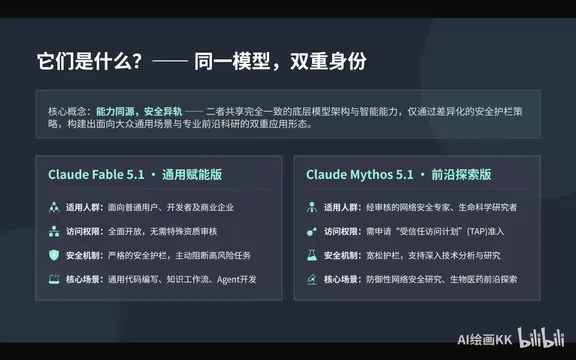
Claude Fable and Mythos 5.1 Deep Dive: A Layered Safety Strategy from One Underlying Model
Deep dive into Anthropic's Claude Fable 5.1 and Mythos 5.1: how one model uses layered safety to serve both the public and researchers, with 1M token context, agent capabilities, and 75% cache savings.
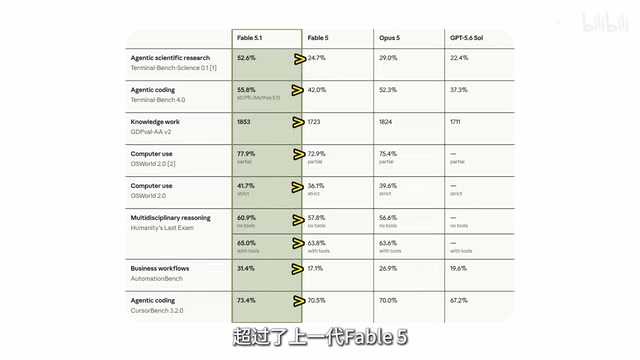
Fable 5.1 and Mythos 5.1 Launch Together: Topping Eight Benchmarks with 45% Cost Reduction
Fable 5.1 and Mythos 5.1 launch together, topping all eight benchmarks. Protein design success rate hits 3-5x industry average. Cached read prices cut 75%, reducing Agent task costs by up to 45%.

Tovel AI Deep Dive: The AI Action Assistant That Goes from Meeting Recordings to Automatic Execution
Tovel AI goes beyond meeting transcription—it automatically converts conversations into CRM entries, follow-up emails, and task scheduling. A deep dive into its native integrations, human-in-the-loop design, and wearable hardware strategy.