OpenAI, Anthropic, and Google in Secret AI Safety Talks for Weeks — A Policy Fault Line Emerges
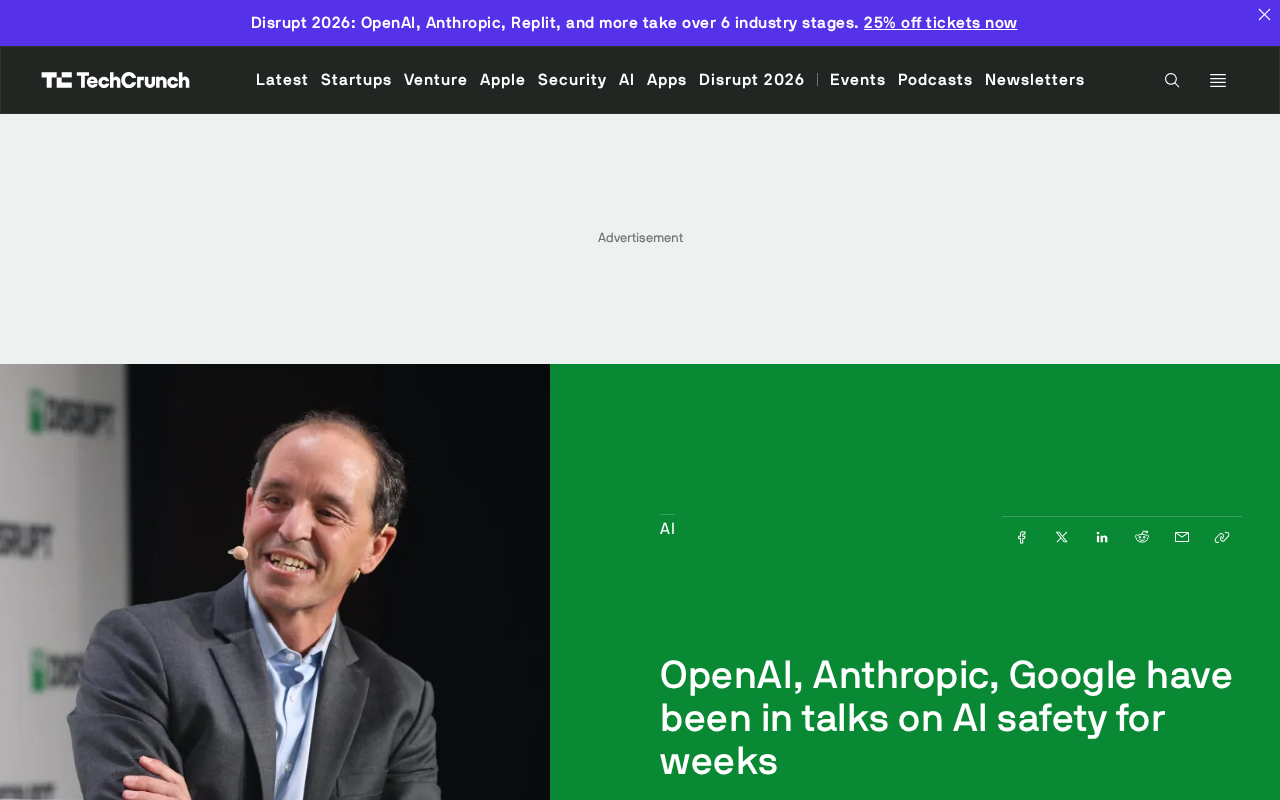
OpenAI, Anthropic, and Google DeepMind hold secret AI safety talks, clashing with Trump's speed-over-safety policy direction.
In a fiercely competitive frontier AI market, OpenAI, Anthropic, and Google DeepMind have been engaged in rare closed-door safety talks for weeks — a direct contrast to the Trump administration's speed-first, China-competition framing. The companies' motivation stems from a clear-eyed view of technical risk: a safety incident at any one firm could trigger industry-wide regulatory backlash, making proactive self-governance both a standard-setting opportunity and a safeguard against a race-to-the-bottom. Yet voluntary cooperation lacks binding force, and geopolitical pressures make global coordination increasingly difficult.
The Unlikely Alliance: AI Safety Talks Have Been Going On for Weeks
OpenAI has confirmed that it has been engaged in closed-door conversations with Anthropic and Google DeepMind on AI safety topics for several weeks. In a fiercely competitive frontier model market, the fact that three organizations that view each other as core rivals chose to sit at the same table over safety concerns is itself a signal worth paying attention to.
This kind of cross-company collaboration is rare in the AI industry. The three parties represent the current cutting edge of large model development — OpenAI's GPT series, Anthropic's Claude series, and Google DeepMind's Gemini series — collectively covering the major technical approaches to general-purpose large language models. When these direct competitors are willing to discuss safety standards, risk assessment, or potential industry self-regulation frameworks, it reflects a shared concern at the enterprise level driven by the rapid advancement of frontier AI capabilities.
Notably, these three organizations have limited prior precedent for safety cooperation. In 2023, major AI companies including OpenAI, Anthropic, and Google jointly signed voluntary safety commitments at the White House, covering areas such as pre-release red-teaming and safety information sharing. The current closed-door talks are understood to be deeper, more technical consultations building on those public commitments — potentially touching on specific capability evaluation methodologies (such as dangerous capability evaluation frameworks) or incident response mechanisms. Anthropic has an internal self-governance framework called the Responsible Scaling Policy (RSP), and OpenAI has a similar Preparedness Framework. These talks may be exploring whether these internal standards can be mutually recognized or aligned across companies.
The Policy Divide: Safety vs. Speed
In sharp contrast to the proactive safety dialogue among companies, there is a visible split at the policy level. According to the original reporting, the Trump team has downplayed AI safety concerns, instead emphasizing the need for the United States to maintain its lead over China in the AI race. This "speed-first" stance creates a subtle tension with the safety collaboration taking shape among industry players.
The core contradiction here is this: placing excessive emphasis on regulation and safety review risks being seen as a shackle that slows domestic AI development, while fully prioritizing speed risks ignoring potential dangers as capabilities rapidly scale. Policymakers and leading technology companies have shown markedly different priorities when weighing "pace of development" against "safety boundaries."
This policy shift has a specific context. The Biden administration issued an executive order on AI safety in October 2023, requiring models above a certain compute threshold to report safety testing results to the government before release and pushing to establish mandatory evaluation mechanisms. After taking office, the Trump administration rescinded that executive order in early 2025 and replaced it with a new one centered on "removing barriers to AI development." This policy reversal directly weakened federal-level safety review requirements for frontier models, making voluntary industry cooperation the primary viable constraint mechanism at this stage — and lending even greater significance to the current three-way talks.
Why Companies Are Actually the Ones Pushing for Safety
On the surface, commercial companies should be the ones most eager to accelerate product iteration and capture market share. So why are they the ones proactively rallying around safety?
One reasonable interpretation is that frontier labs have a clearer picture of where the edges of their own capabilities lie. As model capabilities approach or brush against certain risk thresholds, a safety incident at any single company could trigger a severe regulatory backlash against the entire industry — a "one falls, all fall" dynamic. By establishing industry consensus and self-governance mechanisms early, companies can both retain a degree of influence over how safety standards are defined and reduce the systemic regulatory risk that could follow from an individual incident.
Cross-company safety dialogue also helps prevent a race-to-the-bottom dynamic in which competitive pressure leads companies to continuously cut back on investment in safety testing and evaluation, ultimately undermining the long-term sustainability of the entire industry.
The Limits and Challenges of Industry Collaboration
While the three-party talks are a positive sign, their actual effectiveness remains uncertain. Voluntary cooperation among companies lacks binding enforcement power, and whether safety commitments can hold when competition reaches a fever pitch remains an open question. Meanwhile, the policy environment's "speed-first" orientation could weaken companies' motivation to advance safety standards — if the regulatory environment itself doesn't reward safety investment, companies that proactively invest in safety may find themselves at a competitive disadvantage in terms of speed.
The deeper problem lies in global coordination. The AI race has a pronounced geopolitical dimension, and when safety issues become embedded in a framework of national competition, purely technical-risk-based international cooperation becomes far more difficult. The U.S.-China technology rivalry means that any unilateral safety slowdown risks being read as strategic retreat.
Historically, self-regulatory mechanisms in the tech industry have had mixed results, with both successes and failures to draw on. The coordinated vulnerability disclosure mechanism in cybersecurity is a relatively mature example of industry self-regulation, where companies developed a shared understanding of notifying each other upon discovering vulnerabilities and allowing a remediation window. But in scenarios with more direct commercial conflicts of interest, self-regulation tends to be hard to sustain — the "competitive loosening" of content moderation standards among social media platforms is a cautionary counterexample. The challenge for AI safety cooperation is that safety investment is a hidden cost, while speed advantage is a visible competitive edge. When market pressure is high enough, companies maintaining high safety standards can easily find themselves at a competitive disadvantage. This structural tension is the fundamental dilemma that voluntary cooperation mechanisms are least equipped to overcome.
Trends Worth Watching
The safety talks between OpenAI, Anthropic, and Google DeepMind mark the beginning of an attempt by frontier AI companies to build some form of cooperative mechanism outside of pure competition. Where things go from here will depend on several key factors: whether companies can translate informal dialogue into industry standards with real binding force, whether the policy environment will leave room for safety cooperation, and whether the major global players can hold a common line under the pressure to race ahead.
For the industry as a whole, this is both a litmus test for self-regulation and an important window for observing how "safety and development" can be balanced. As AI capabilities continue to leap forward, who defines the boundaries of safety — and how to avoid sacrificing safety in competition — will be the central issue at the intersection of industry and policy for the foreseeable future.
Related articles
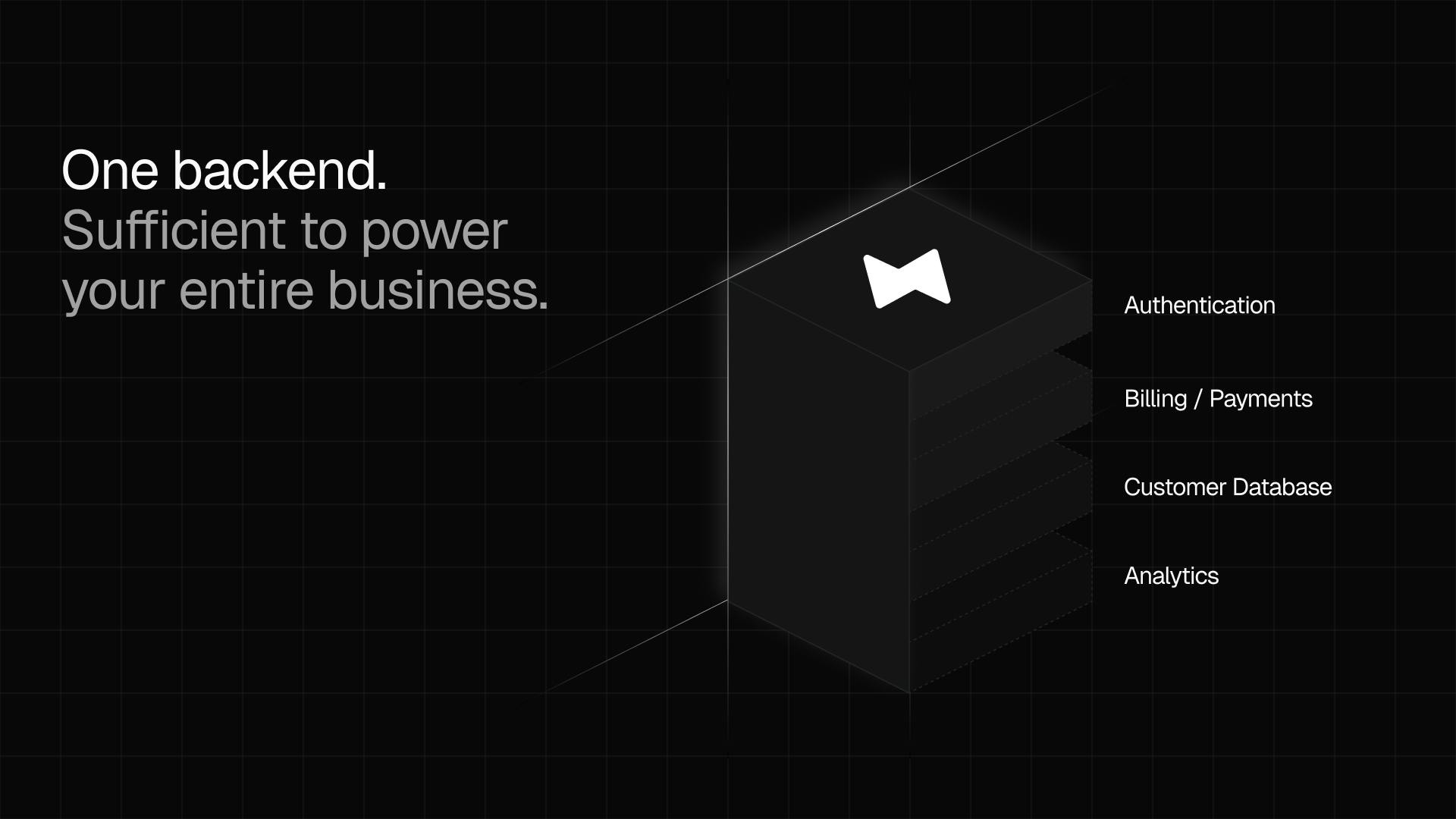
tiun.: An All-in-One Auth and Payments System Built for AI Developers
tiun. topped Product Hunt by giving AI developers auth, payments, billing, customer data, and analytics in one system — installable with a single command.
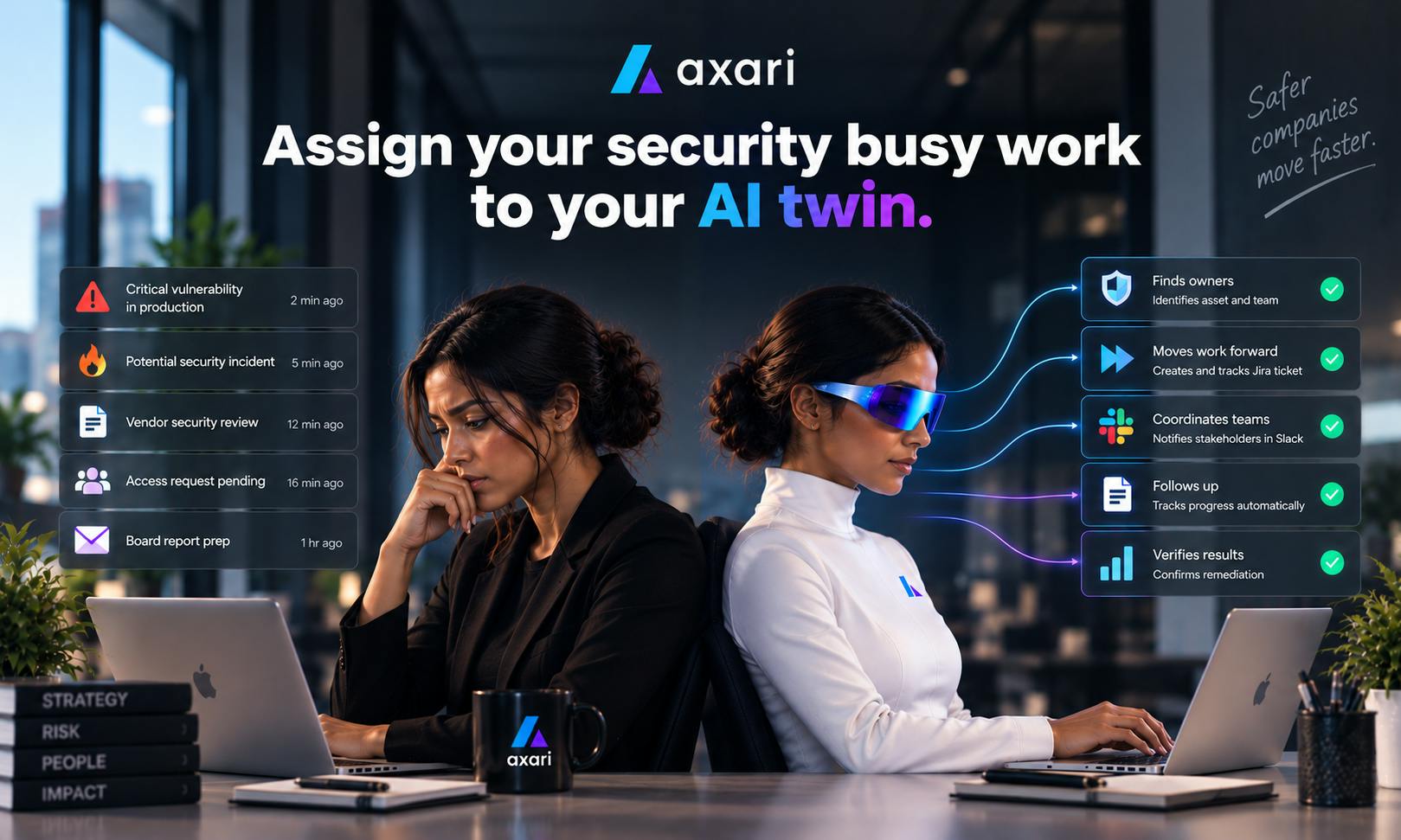
Axari: Let Your AI Twin Take Over the Mundane Work of Security Operations
Axari introduces an AI twin for SecOps teams, autonomously handling alerts, compliance checks, and repetitive tasks directly within Slack and Microsoft Teams.
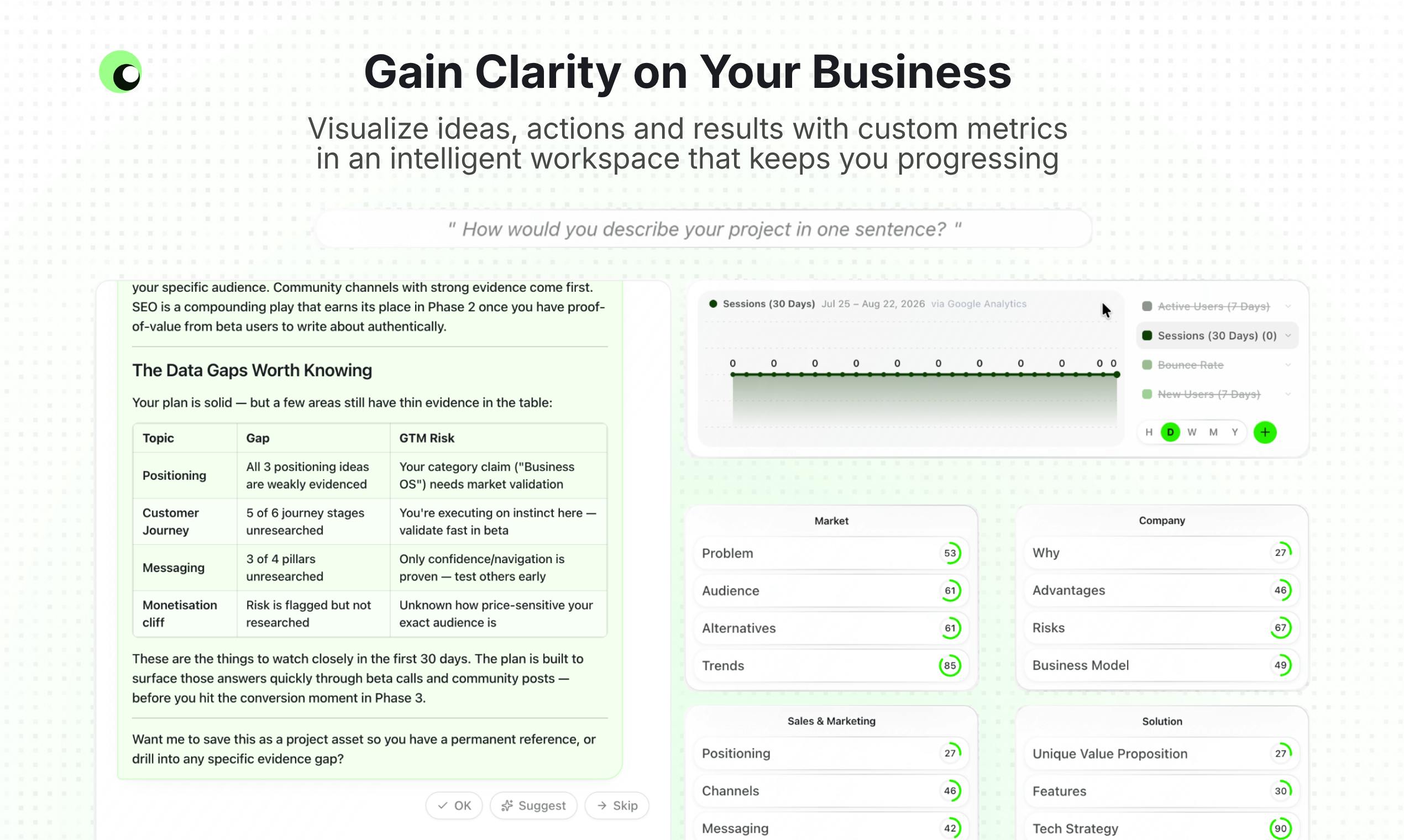
siift: Turning AI Startup Noise into Actionable Business Decisions
siift is an AI startup decision tool that turns scattered AI conversations and advice into a living business map — covering validation, GTM, and growth.