OpenSpec: A Lightweight, Configurable Spec-Driven Development Framework for AI

OpenSpec uses structured specs to constrain AI code generation, making AI-assisted development more predictable and auditable.
OpenSpec is a lightweight, configurable open-source framework that brings spec-driven development into AI-assisted coding workflows. Its core idea: write a structured spec first, then use it as a binding contract for AI code generation. It addresses three key pain points — intent alignment, reproducibility, and auditability — providing a structured solution where spec files can be reviewed by humans and tracked in version control. Rather than generating code itself, OpenSpec optimizes the input fed to AI, acting as a glue layer in the development workflow. Its lightweight design lowers adoption costs, though its effectiveness in complex projects and long-term maintenance remain to be validated.
What Is OpenSpec
OpenSpec is a lightweight, configurable AI spec framework designed to bring the concept of "spec-driven development" into AI-assisted coding workflows. It gained 29 upvotes and sparked meaningful discussion on Hacker News — a signal of the developer community's ongoing interest in making AI-generated code more controllable.
As AI coding assistants like Copilot, Cursor, and Claude Code become standard fixtures in developers' daily workflows, a growing pain point has emerged: when you describe requirements in just a few natural language sentences, the code AI generates often drifts from your intent, lacks constraints, and is hard to reproduce. OpenSpec addresses this uncertainty by advocating a "write the spec first, then let AI generate from it" approach — adding a layer of structured constraint to an otherwise unpredictable process.
The Value of Spec-Driven Development
"Spec-driven development" is not a new concept. In traditional software engineering, requirements documents, interface contracts, and test cases are all forms of specifications. OpenSpec's insight is to adapt this methodology for the AI era — making the spec a shared contract between humans and AI.
This approach tackles three core pain points:
- Intent alignment: Natural language prompts are inherently ambiguous, while structured specs express a developer's true intent more precisely, leaving less room for AI to improvise.
- Reproducibility: The same spec can produce relatively consistent outputs across different models and at different points in time, eliminating the "lottery" feel of repeated prompting.
- Auditability: Specs are human-readable and version-controllable artifacts. Teams can review specs the same way they review code, giving them quality control at the source.
In team collaboration settings, spec files also serve as institutional knowledge — helping new team members or a freshly initialized AI quickly understand the boundaries of a project.
Spec-driven development already has a proven track record in the API world: the OpenAPI (Swagger) specification lets teams define interface contracts first, then auto-generate server skeletons, client SDKs, and documentation from those contracts. This "design-first" workflow dramatically reduces friction between frontend and backend teams. Similarly, the core philosophy of Test-Driven Development (TDD) is "describe the expected behavior first, then implement." OpenSpec transplants this idea of an "intent document that precedes implementation" into AI programming — making the spec serve double duty as a human-readable requirements document and a structured prompt template for AI. The goal is for both audiences to get what they need from the same source.
The Design Trade-offs Behind "Lightweight" and "Configurable"
The two most telling words in OpenSpec's self-description are "lightweight" and "configurable." These reveal its design philosophy: avoid becoming a heavyweight framework and minimize the barrier to adoption.
Being lightweight likely means it doesn't lock you into a specific language, IDE, or LLM provider — developers can introduce it into existing workflows at low cost. Being configurable means the granularity, format, and strictness of specs can be tuned to project needs — applicable to rigorous enterprise projects and quick personal prototypes alike.
In practice, this trade-off is a double-edged sword. Lightweight frameworks are easy to adopt and carry low migration costs, but they may lack sufficient constraint in complex scenarios. OpenSpec is better positioned as a "glue layer" in a team's workflow than as an all-encompassing platform.
Where It Fits in the AI Coding Ecosystem
AI coding tools are evolving from "code completion" toward "understanding intent, planning tasks, and autonomous execution." In this context, providing AI with high-quality, structured input is becoming the key variable that determines output quality.
Frameworks like OpenSpec sit precisely in this gap: rather than generating code directly, they optimize what gets fed to the AI. Similar thinking is already being explored across the industry — from structured prompt engineering, to task description formats in various agents, to test-driven AI development. OpenSpec's differentiator is its explicit self-identification as a "spec framework," treating the spec as a first-class citizen.
For teams looking to make AI-assisted coding more controllable and engineering-grade, tools like this are worth evaluating. That said, since public information remains limited, the actual depth of its features, community activity, and long-term maintenance trajectory still warrant observation.
Current explorations aligned with OpenSpec's philosophy include: Anthropic's "prompt engineering" best practices, Microsoft's introduction of
.github/copilot-instructions.mdproject-level instruction files for Copilot, structured task description requirements in AI agent frameworks like LangChain and AutoGen, and Cursor's support for.cursorrulesfiles to constrain AI behavior. These practices all point to the same trend: as AI capabilities grow, "how to express intent precisely" matters just as much as "how to make models smarter." Structured specs are becoming foundational infrastructure for human-AI collaboration.
Summary
OpenSpec represents one direction in the push to make AI-assisted programming more engineering-grade and structured: instead of going back and forth with an AI, write down clearly what needs to be done first. Its lightweight, configurable positioning keeps the cost of trying it low — but whether it delivers sufficient value in complex, real-world projects is something developers will need to validate themselves. For anyone paying attention to where AI-assisted programming is headed, this is an open-source experiment worth keeping an eye on.
Related articles
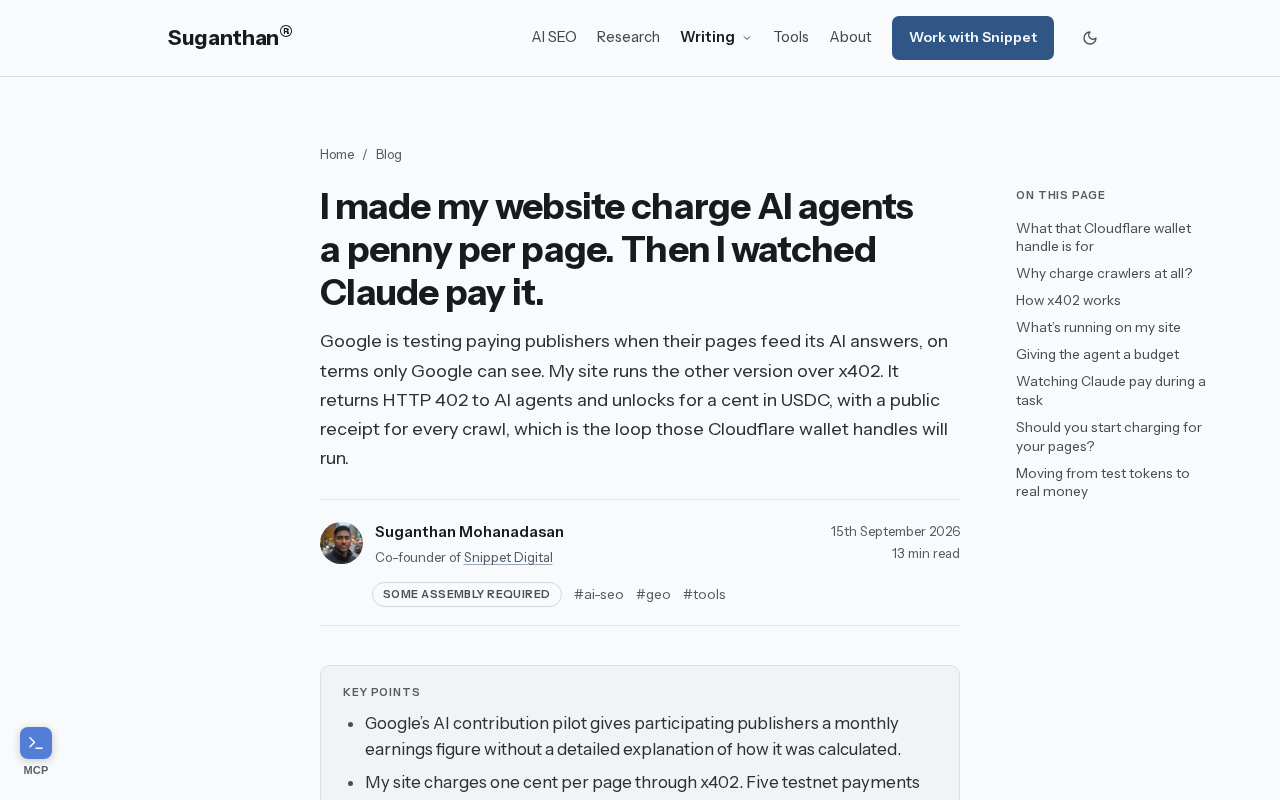
Charging AI Agents Per Web Page: I Watched Claude Pay a Penny Per Visit
A developer charged AI agents one cent per page and watched Claude pay automatically. This experiment reveals new possibilities for micropayments, agent economics, and content monetization.
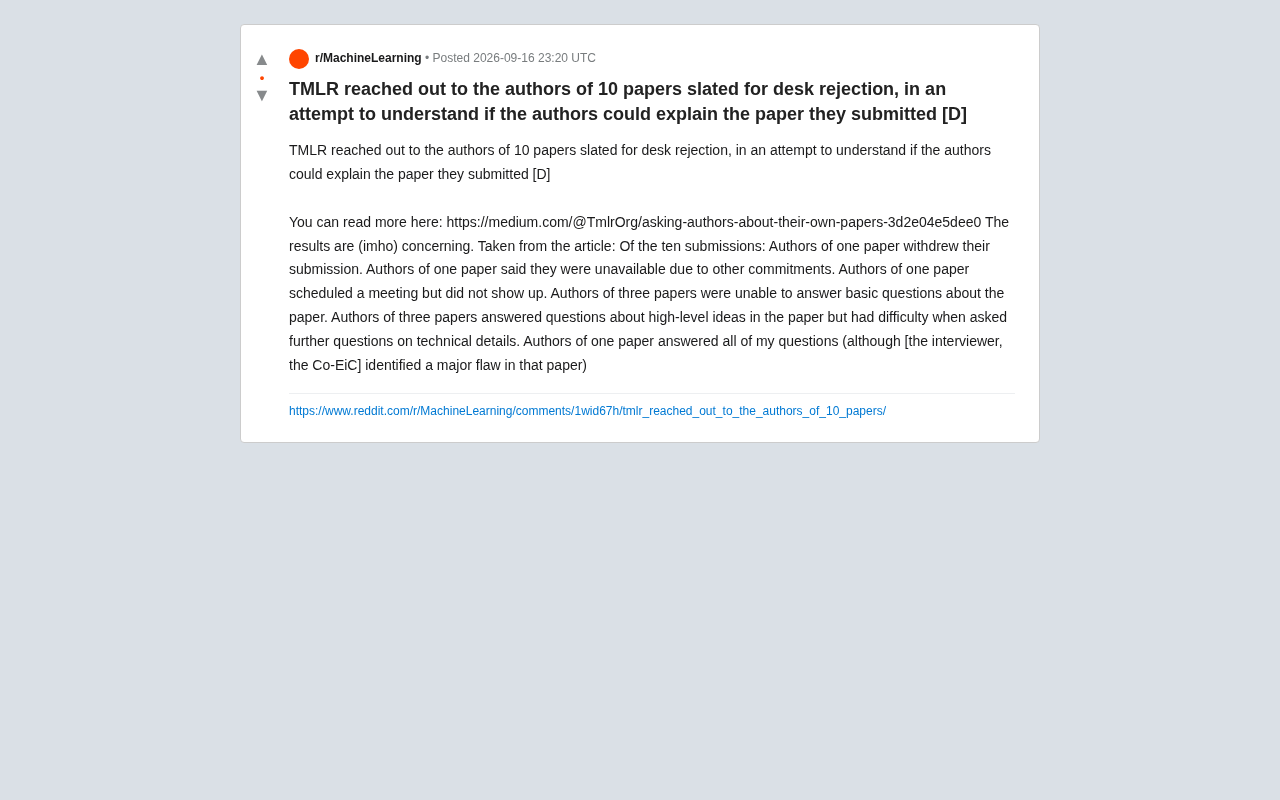
TMLR's Bold Experiment: Asking Authors to Explain Their Own Papers — The Results Are Alarming
TMLR contacted authors of 10 desk-rejected papers and asked them to explain their submissions. The results were alarming — none passed. A wake-up call on AI-era academic integrity.
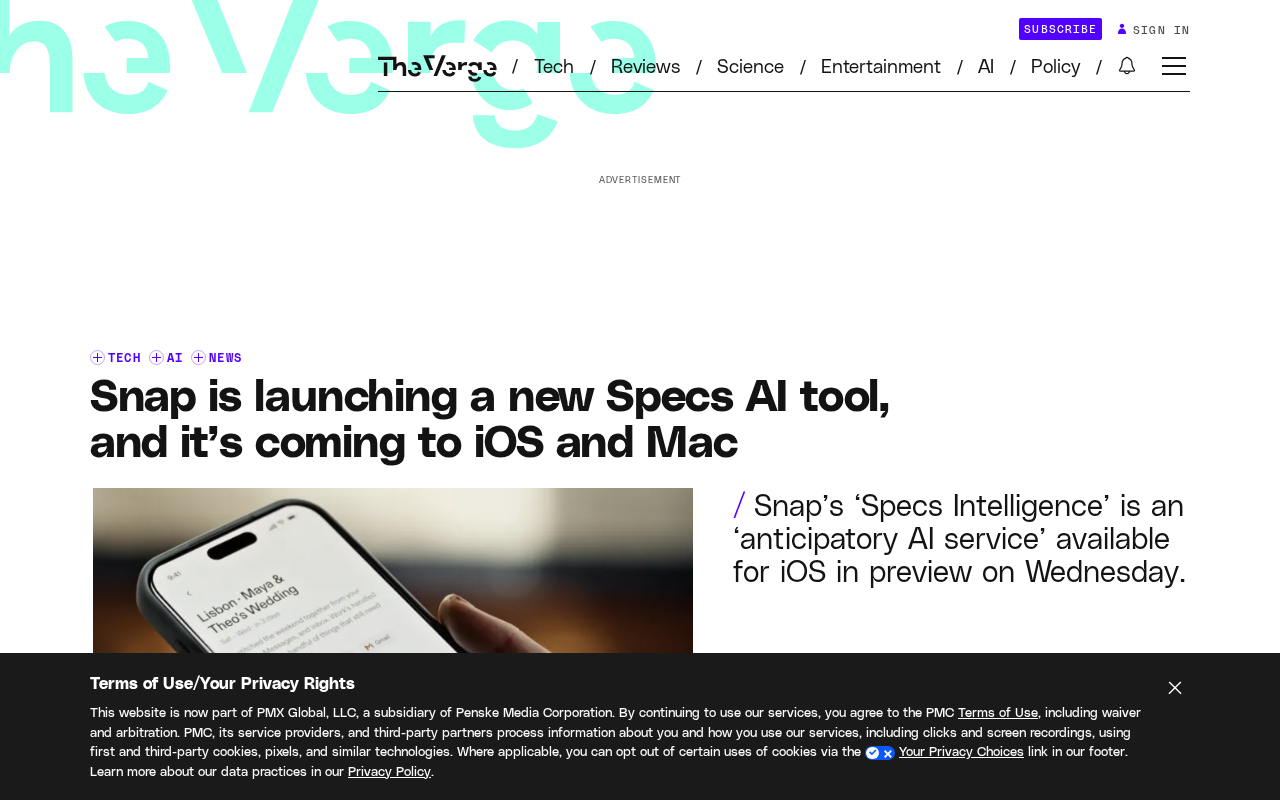
Snap Launches Specs Intelligence: A Cross-Platform AI Assistant Coming to iOS and Mac
Snap launches Specs Intelligence, an anticipatory AI assistant connecting digital accounts for work and travel, coming to iOS and Mac to compete with Meta Muse and Gemini Spark.