Oura Drops Android 11 Support, Raising Fears of Health Data Loss for Older Phone Users

Oura will end Android 11 support on December 8, 2026, putting users' health data access at risk.
Oura has announced it will end support for Android 11 on December 8, 2026, and users who haven't upgraded to Android 12 or higher may lose full access to their health data. Because health data relies on long-term continuous records, an outdated OS could prevent historical data from syncing or being exported. Dropping old-system support is a trade-off among maintenance costs, security, and user experience, but the cost falls directly on users—intact hardware is effectively forced into retirement because of a phone's OS. Affected users should check their OS version, export historical data, and evaluate device upgrades before the deadline. The incident renews discussion around health data ownership and portability.
Smart ring maker Oura is saying goodbye to older Android versions. According to an announcement on its support page, Oura will officially end support for Android 11 on December 8, 2026, and users still on that OS may lose full access to their health data.
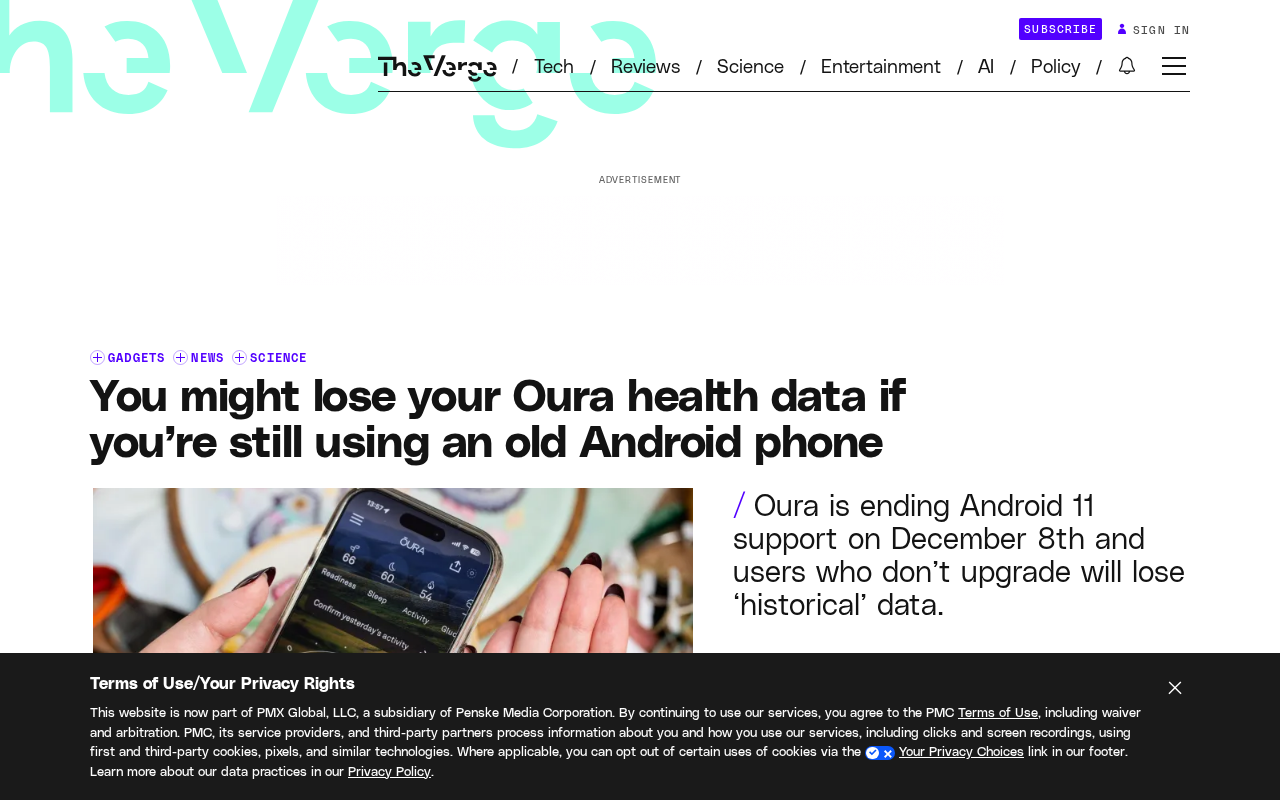
Support End Date and Data Risks
Oura's support page states plainly: "Oura will end support for Android 11 on December 8, 2026." For users who do not upgrade to Android 12 or higher before that date, the company warns they may not be able to access all their data. That means users still on older phones running Android 11 will not only miss future app updates but may also face obstacles reading their historical health records.
Health data is cumulative by nature. Metrics such as sleep trends, heart rate variability, and body temperature changes only become meaningful with continuous records spanning months or even years. If an outdated OS prevents data from syncing or being exported, users lose control over their own health records.
Why Health Hardware Makers Love to "Cut Ties"
Oura is hardly alone in making this kind of decision. The smart wearable and health hardware industry broadly faces maintenance cost pressure from OS fragmentation. Older operating systems differ in Bluetooth protocol stacks, background task scheduling, and security patches, and continuing to provide compatibility across multiple Android versions significantly increases testing and development burdens.
From a security standpoint, Android 11 no longer receives official security updates. Health data is sensitive personal information, and continuing to run data-collection apps on a system lacking security patches poses privacy leak risks. By drawing a minimum OS version line, manufacturers are essentially balancing maintenance costs, user experience, and data security.
But the cost of this decision is passed directly to users. A smart ring with perfectly intact hardware is effectively "forced into retirement" because of a phone's OS version. This mismatch between software and hardware lifecycles is something consumers should factor in before buying.
Android OS fragmentation refers to the phenomenon where a large number of different versions are active on user devices at the same time. Because Android is open source, phone makers push system updates on different schedules, and hardware manufacturers often stop providing upgrades for older models. As a result, a significant share of devices remain on old systems years after new versions are released. For app developers, this means supporting multiple API levels simultaneously and handling differences in Bluetooth connectivity, background keep-alive, and permission models. Google's annual Android version distribution data is often used by developers to set the minimum supported version (minSdkVersion). Health hardware apps have high requirements for Bluetooth stability and background data syncing, and behavior in these two areas varies notably across Android versions, so manufacturers often draw their support cutoff line earlier.
Android 11 was released in 2020, and its official security patch support period is typically about three years after release; Google generally stops pushing monthly security updates to unsupported versions. Data collected by health apps—such as heart rate, body temperature, and sleep—is sensitive personal information. Running on a system without security patches could expose users to risks such as exploitation of known vulnerabilities and interception of data transmissions. In addition, newer Android versions introduce stricter privacy controls for Bluetooth permissions, background location, and notification channels. Older versions lack these mechanisms, making it hard for manufacturers to apply a unified security policy across all users. From a compliance perspective, data protection regulations in some regions require companies to adopt technical measures proportionate to risk, and continuing to support systems without security updates may create compliance pressure.
What Users Should Do Now
There is still time before the deadline, and affected users can take the following steps to reduce risk:
- Check your OS version: Go to your phone settings to confirm your current Android version. If it is Android 11 or lower, assess upgrade feasibility as soon as possible.
- Export historical data: Before support ends, back up your health records using the data export feature in the Oura app to avoid losing access after the cutoff.
- Evaluate a device upgrade: If your phone maker has stopped pushing system updates for your model, you may need to consider a new device or switching to iOS.
- Watch for official notices: Keep an eye on in-app pop-ups and email reminders from Oura for specific guidance before the deadline.
The Old Question of Health Data Ownership
This incident once again touches on a core controversy in health tech: who actually owns and controls the health data users generate. When data collection depends on specific hardware and specific OS versions, users' access to their own data is effectively dictated by manufacturers' technology roadmaps.
For Oura, whose business model centers on subscriptions and hardware sales, ensuring data portability while advancing technical iteration will affect user trust. The value of health data lies in long-term continuity, and any forced interruption can undermine the core value of the product.
Oura users still on Android 11 now need to take this announcement seriously.
Health data portability generally refers to whether users can export health records accumulated on a platform in a common format and continue using them on other platforms or apps. The industry currently lacks a unified standard, and manufacturers differ widely in export formats, field definitions, and granularity; some offer only limited export functionality. Regulations such as the EU Data Act have begun requiring makers of connected products to give users access to and portability of the data they generate, but implementation varies by region. For health hardware that relies on long-term continuous records, data portability directly affects the sunk costs users face when changing devices and is an important indicator for assessing vendor lock-in risk.
Related articles

AI Assistant Misleads Tenant Into Eviction: Where Does Liability Lie for a Landlord's AI?
A landlord's AI assistant told a tenant they could delay rent—then she was evicted. This case reveals a liability vacuum for AI output involving contracts and legal obligations, and the responsibility deployers bear.

Best Black Friday Buys Under $100: 60+精选科技好物推荐
Black Friday on a budget? Here are 60+精选 tech deals under $100, covering accessories and practical gadgets to help you spend smart and avoid impulse buys.
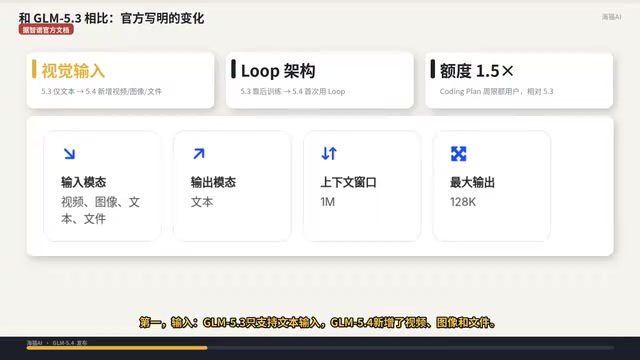
Zhipu GLM-5.4 Released: Loop Transformer Runs 28 Layers Twice
Zhipu releases GLM-5.4, the first Loop Transformer flagship: 28 layers run twice for 2-3T-equivalent intelligence, plus video and image input. API and open weights not yet released.