Outlook Outage, Nationwide Ground Stop, Bank Failures in One Week: Is the Tech World Collapsing?
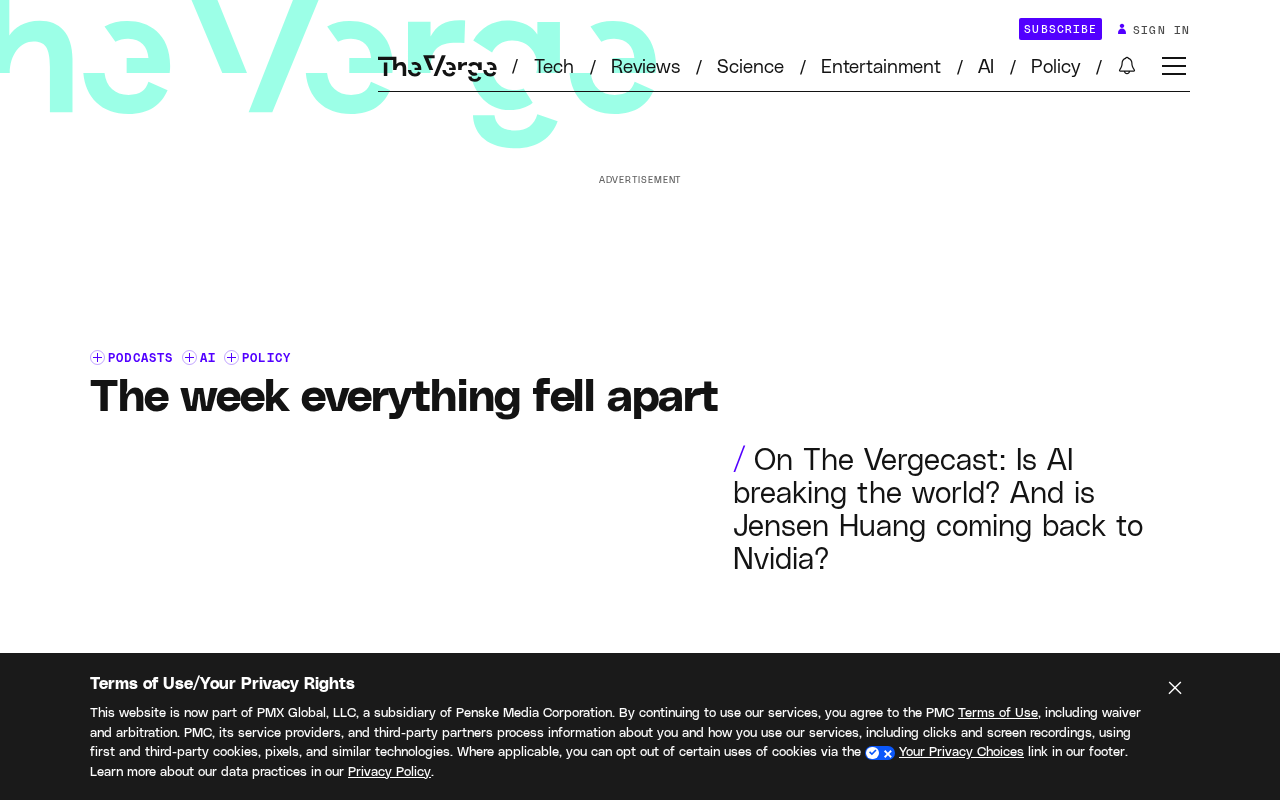
Outlook, FAA, banks, and iCloud all failed in one week, raising concerns about the fragility of tech infrastructure.
The article reviews several major tech failures over the past week: Microsoft Outlook service was down for days, the FAA issued its second nationwide ground stop in 25 years, banking systems suddenly stopped processing transactions, and Apple's iCloud became unavailable. The concentrated outbreak of these events created a public impression that "the tech world is collapsing." Although the causes of each failure may differ, they all involve critical digital infrastructure, exposing issues such as highly coupled systems, single points of failure triggering chain reactions, and over-concentration of services among a few providers. The article argues that this week's events not only describe failures but also shake confidence in tech stability, potentially prompting companies to strengthen redundancy and disaster recovery measures and improve system resilience and transparency.
Introduction
Over the past week, the tech world seems to have experienced a collective collapse. Outlook email service was disrupted for days, the U.S. Federal Aviation Administration (FAA) issued a nationwide ground stop—only the second in 25 years—banking systems suddenly stopped working properly, and even Apple's iCloud was not spared. The combination of these events has left many with an uneasy feeling: this might just be the beginning of a larger-scale failure.
A Chain of Failures: From Email to the Skies to Banks
According to the original report, this week's failures affected multiple critical sectors. First, Microsoft's Outlook service experienced an outage lasting several days, preventing many users from sending and receiving emails normally. Then, the FAA implemented a nationwide ground stop—only the second such order in 25 years—meaning all flights were temporarily unable to take off. Meanwhile, banking systems also suddenly failed, leaving users unable to conduct normal financial transactions. Finally, even iCloud, known for its stability, experienced service unavailability.
These events did not occur in isolation but happened in quick succession, creating the impression that "the tech world is falling apart." Although the specific causes of each failure may differ, their concentrated outbreak has sparked widespread public concern about the reliability of infrastructure.
Ground Stop is an emergency directive in air traffic control, issued by the FAA or air traffic control agencies, requiring all or some flights to suspend takeoffs, though flights already in the air can typically continue to their destinations. It differs from a "grounding," which may require aircraft to be parked for inspection. A ground stop is usually triggered by communication system failures, severe weather, safety incidents, or system overload, with the goal of preventing the air traffic control system from being overwhelmed and ensuring flight safety. Since the aviation system relies heavily on real-time communication and data processing, a ground stop is the last resort to avoid chaos when control systems fail. Such directives have enormous impact, quickly causing widespread flight delays and cancellations affecting hundreds of thousands of passengers.
Common Threads Behind the Failures
Although the original material does not detail the root cause of each incident, from the symptoms, these failures all involved critical digital infrastructure. Outlook and iCloud are representatives of cloud computing services, banking systems rely on complex distributed networks, and air traffic control is highly dependent on communication and data processing systems. When these systems fail simultaneously or in succession, their impact is rapidly amplified, affecting millions of users and critical industries.
Some analysts believe that such concentrated failures may expose the fragility of the modern tech stack: systems are highly coupled, and a single point of failure can trigger a chain reaction. Moreover, as services become increasingly concentrated among a few large providers, any problem at these providers can have a very broad impact.
Single Point of Failure (SPOF) refers to a critical node in a system whose failure will cause the entire system to stop working. In the modern tech stack, due to the pursuit of efficiency and economies of scale, many services are concentrated on a few large cloud providers or core network nodes. While this reduces costs, it also increases the risk of single points of failure. For example, a configuration error or hardware failure can spread rapidly through highly coupled systems, triggering a chain reaction. Redundant design (such as multi-active data centers, load balancing) aims to eliminate single points of failure, but complete elimination is often costly and complex. This chain of failures has highlighted the widespread impact that single points of failure can cause in highly concentrated infrastructure.
Chaos Engineering is a practice of proactively injecting failures into systems to test their resilience, popularized by companies like Netflix. Its core idea is to simulate real-world failures (such as server crashes, network latency) in a controlled environment to discover weaknesses in the system, so they can be fixed before failures actually occur. Chaos engineering emphasizes "experiments" rather than "tests," typically conducting small-scale experiments in production environments to verify system behavior under abnormal conditions. For enterprises relying on complex distributed systems, chaos engineering helps improve fault tolerance and disaster recovery capabilities, reducing the risk of single points of failure and chain reactions.
Coincidence or Warning?
While multiple major failures in one week are statistically rare, they are not impossible. However, the discussion sparked by these events has gone beyond the failures themselves. Many people are beginning to question: Are we too dependent on a few tech platforms? Is the redundancy and disaster recovery of critical infrastructure sufficient? If similar events increase in frequency, how will society cope?
The original report's title "The week everything fell apart" conveys a strong sentiment—it is not just a description of the failures, but a shaken confidence in the stability of the tech world. The article concludes by mentioning "it feels like the beginning of something bigger," hinting at concerns about potentially more severe failures in the future.
Reflection and Takeaways
For businesses and individuals, this week's events are a reminder: while enjoying the convenience of technology, we also need to prepare for possible service disruptions. Diversifying service providers, establishing local backups, and developing contingency plans are all effective ways to reduce risk. For the tech industry, improving system resilience and transparency will be key to rebuilding user trust.
The specific causes and subsequent impacts of these failures are still under investigation. But one thing is certain: this week's events have become a landmark case in discussions about tech reliability.
(Note: This article is based on the original material and does not add specific data or years not mentioned in the original source.)
Related articles
AI Data Center Construction Hits Roadblocks: The Neoclouds Winter and Nvidia's New Bar
Nvidia says it won't support unfinished AI data centers, leaving neoclouds squeezed by construction delays and rising debt costs. We analyze what this means for AI infrastructure.
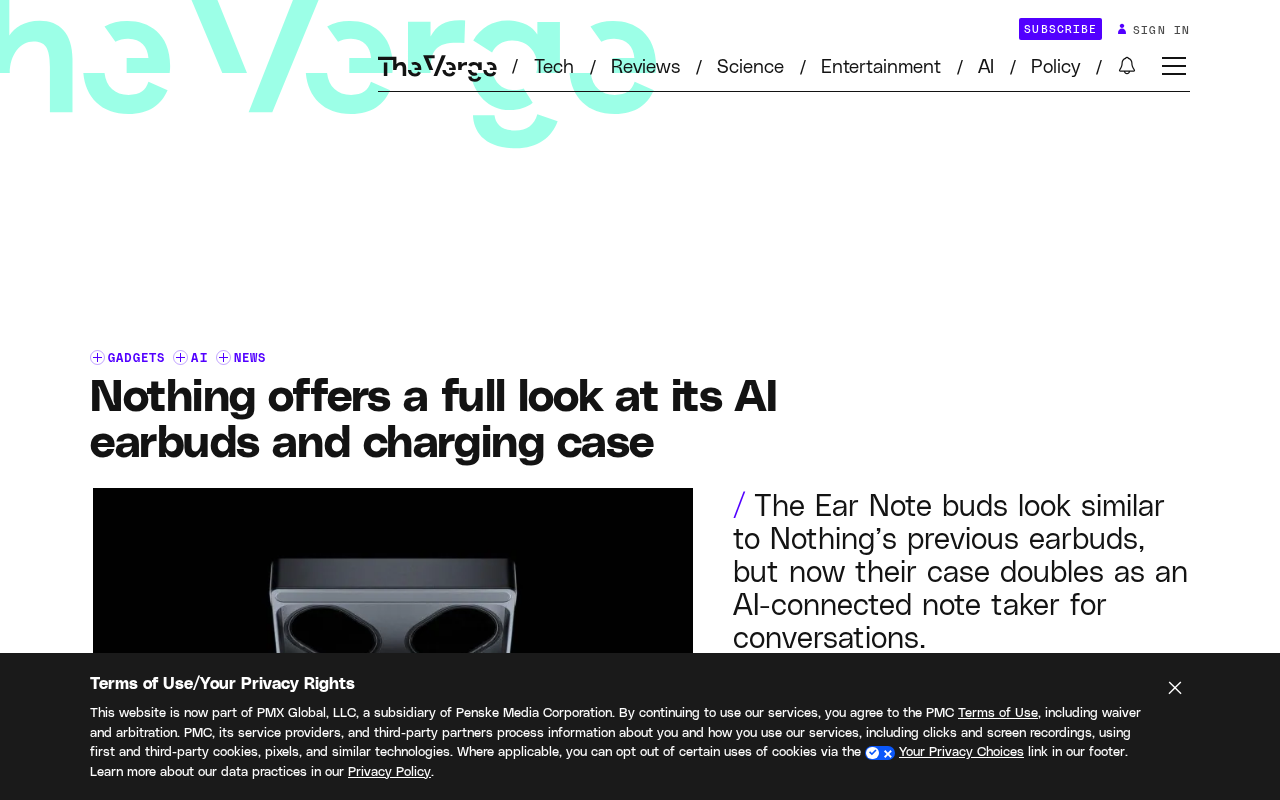
Nothing's AI Earbuds Fully Revealed: The Charging Case Can Record and Transcribe
Nothing reveals full details of the Ear Note AI earbuds: the charging case has a built-in mic for recording, transcription, and conversation summaries, while the earbuds support call recording. Launching December 8.
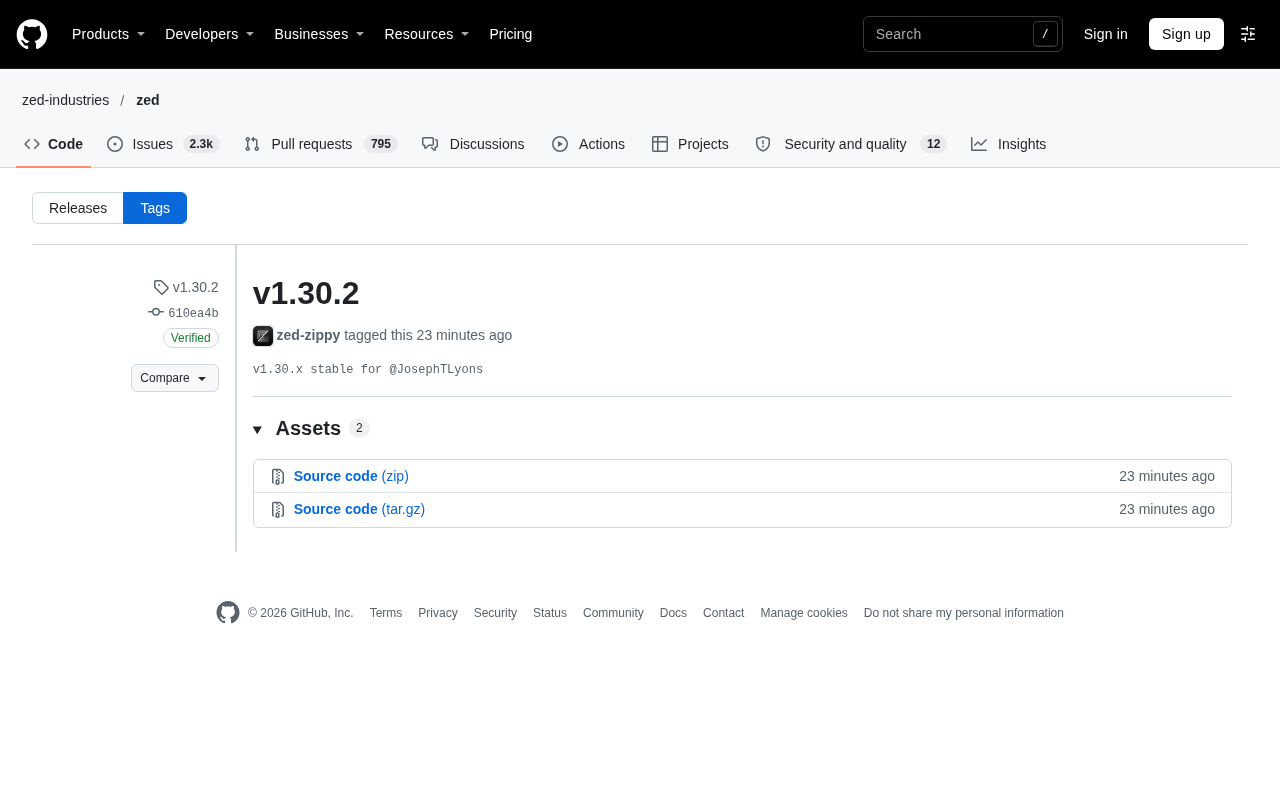
Zed Editor Releases v1.30.2 Stable: The Maintenance Signals Behind a Minor Update
Zed editor releases v1.30.2 stable, labeled as a patch update to the v1.30.x stable branch. This article analyzes the stability maintenance signals, signature verification, and release process rigor behind this minor release to help developers decide whether upgrading is worthwhile.