Pomera: The Distraction-Free Writing Tool That's Refined but Too Small

Pomera wins a Japanese niche following for distraction-free writing and refined portability, but its tiny size keeps it from going mainstream.
The article centers on Japan's digital typewriter Pomera, noting that in an era dominated by smartphones it has gained cult-level popularity through its minimalist "typing-only" positioning, especially attracting writers, journalists, and others who need deep work. Its foldable, refined, and portable design is a key differentiator from US counterparts like the AlphaSmart Neo and is also its core selling point. However, the article stresses that "too small" is a fatal flaw: the compact keyboard, screen, and overall ergonomics may sacrifice comfort during long typing sessions. Coupled with the US market's persistently low acceptance of dedicated word-processing devices, Pomera finds itself in the awkward position of a niche product. The conclusion leans toward viewing it as suitable for short note-taking on the go, but refined design is not enough to make up for size compromises, and it may not suit all writers.
Why Pomera Became a Niche Favorite
In an era where smartphones and tablets dominate attention, a device that can only type has become a rarity. Pomera's digital typewriter has achieved cult-level popularity in the Japanese market, especially among those craving a distraction-free writing experience. Unlike products such as the AlphaSmart Neo in the early US market, Pomera's devices stand out for their compact, foldable, and refined design. According to the original article, dedicated word-processing devices like these never became as popular in the US as they did in Japan, and Pomera filled a gap through its portability.
Digital Typewriter refers to a category of highly focused electronic devices that typically offer only text input and basic storage/editing capabilities, deliberately omitting browsers, social apps, or multimedia features to eliminate online distractions and strengthen writing focus. It is not an electronic replica of a mechanical typewriter, but rather a product situated between early electronic notepads and laptops. Representative products include the AlphaSmart series (later acquired by Renaissance Learning) and Japan's Pomera series. These devices existed in the 1990s–2000s as tools for the education market and field note-taking, declined as smartphones proliferated, but have recently regained attention due to "digital minimalism" and the deep work trend. Their core value lies not in computing power, but in reducing cognitive switching costs through functional limitations.
Cult Following refers to a highly loyal, identity-laden group of followers that a product cultivates within a specific circle, even if it never enters the mainstream. Common criteria include: users spontaneously organizing communities, firm second-hand market prices, product iterations relying on core fan feedback, and a unique cultural narrative forming around the product. In the Japanese market, Pomera's cult status is closely tied to its positioning as a "writing tool" rather than a "consumer electronics product"—it is seen as a symbol of professional identity and lifestyle, not merely an efficiency tool. This niche ecosystem both extends the product lifecycle and limits the manufacturer's room for scale, and is key background for understanding Pomera's market situation.
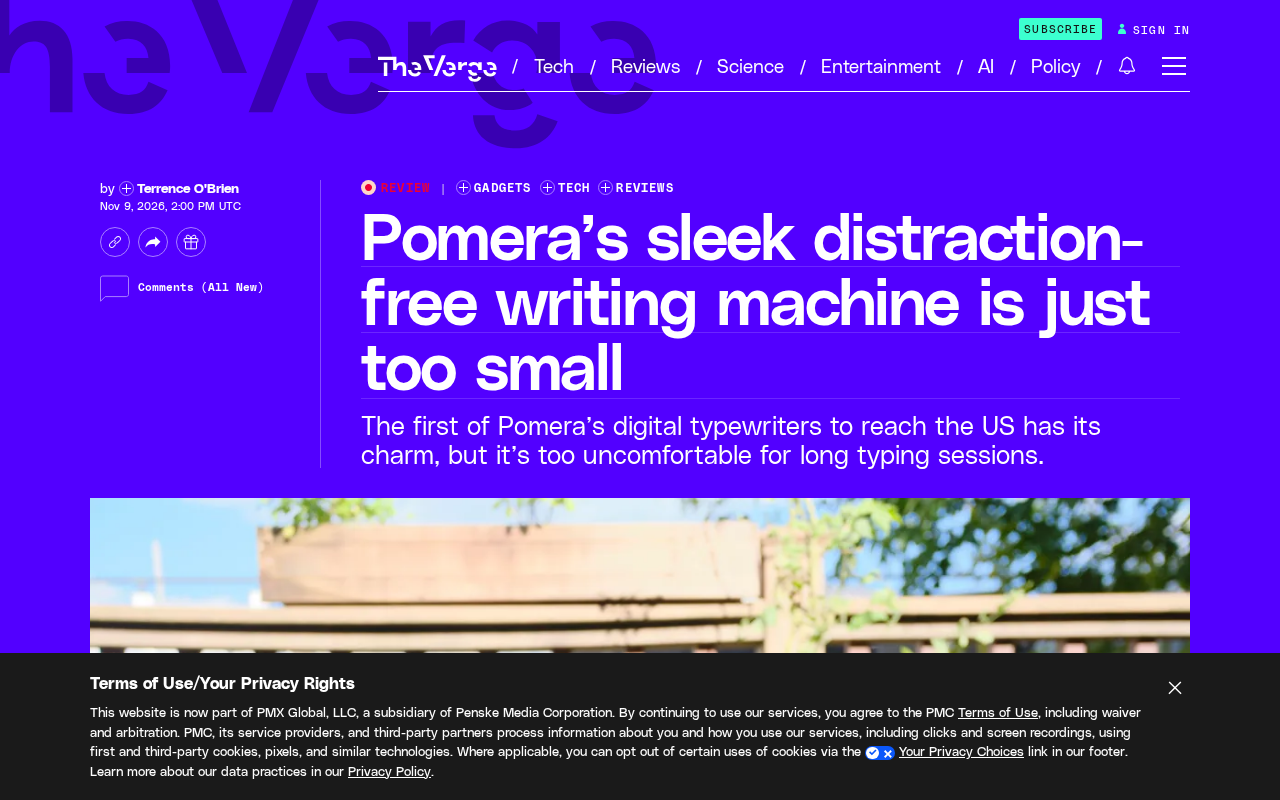
The Appeal of Refined Design
Pomera's core selling point is clear: let you focus solely on writing. No social media notifications, no browser tabs—just a keyboard and a screen. Its foldable design lets the device slip easily into a pocket or small bag for carrying on the go. This minimalist philosophy appeals to writers, journalists, and anyone who needs deep work. The original article notes that Pomera's devices are "refined and portable," which is exactly what distinguishes it from competitors. For users seeking distraction-free writing, this sense of focus is itself a value.
The Fatal Flaw of Being "Too Small"
However, the original title directly points out the key issue: "just too small." Pomera's compact design is an advantage for portability, but may become a disadvantage in actual use. Keyboard size, screen size, and overall ergonomics may make long writing sessions uncomfortable. Although the original article does not elaborate on specifics, "too small" implies compromises in the input experience. For users who need to type extensively, keyboard feel is crucial, and excessive downsizing may sacrifice that.
Ergonomics in the context of keyboard devices mainly refers to how parameters such as key pitch, key travel, key feedback, wrist support angle, and screen line-of-sight height affect comfort and health during prolonged use. The industry generally considers the key pitch of a full-size keyboard to be about 19mm; falling below this value significantly increases mistype rates and finger fatigue, while improper screen-to-line-of-sight angles can easily cause neck and shoulder strain. Foldable devices like Pomera often adopt smaller key pitches and shallower key travel to compress size—acceptable for short input, but after several hours of continuous typing, hand muscle strain and error rates both rise. This is why "too small" is not merely a matter of appearance, but a quantifiable degradation of the user experience.
The Awkward Market Positioning
Pomera faces a typical niche-product dilemma: it is special enough to attract a loyal user base, but its size limitations make it hard to become mainstream. In the US market, dedicated word-processing devices never really took off, and while Pomera's refined design is eye-catching, it may deter potential buyers because it is "too small." The original article's brief description suggests the device is more of an interesting experiment than a mass-market solution.
Is It Worth Considering?
If you are a writer who frequently works on the move and needs to capture inspiration at any time, Pomera's compact size and focus may be exactly what you want. But if you need to type comfortably for long periods, the size compromise may require a second thought. The original article does not offer a final conclusion, but the title's inclination is already clear: refined design is not enough to make up for the size shortcomings. For users seeking a distraction-free writing experience, Pomera is an interesting choice, but not necessarily suitable for everyone.
One-line Summary
Pomera wins a Japanese niche following for distraction-free writing and refined portability, but its tiny size keeps it from going mainstream.
Paragraph Summary
The article centers on Japan's digital typewriter Pomera, noting that in an era dominated by smartphones it has gained cult-level popularity through its minimalist "typing-only" positioning, especially attracting writers, journalists, and others who need deep work. Its foldable, refined, and portable design is a key differentiator from US counterparts like the AlphaSmart Neo and is also its core selling point. However, the article stresses that "too small" is a fatal flaw: the compact keyboard, screen, and overall ergonomics may sacrifice comfort during long typing sessions. Coupled with the US market's persistently low acceptance of dedicated word-processing devices, Pomera finds itself in the awkward position of a niche product. The conclusion leans toward viewing it as suitable for short note-taking on the go, but refined design is not enough to make up for size compromises, and it may not suit all writers.
Related articles

Codex and AI Coding Agents in Practice: A Complete Guide from Prompts to MCP
A Codex-centered guide to agentic coding: Task-Context-Output prompts, AGENTS.md project memory, plan mode, skills, characterization vs. spec tests, permissions and config.toml, MCP tool calls, plus secrets safety and context management.

GPT-6 Security Model and the AI Attack-Defense Escalation: This Week in AI
This week in AI: OpenAI's GPT-6 Saber found 948 Linux kernel root-escalation paths; Cursor deploys full apps from one sentence; Binance details a social engineering attack; C++26 fails ISO vote.
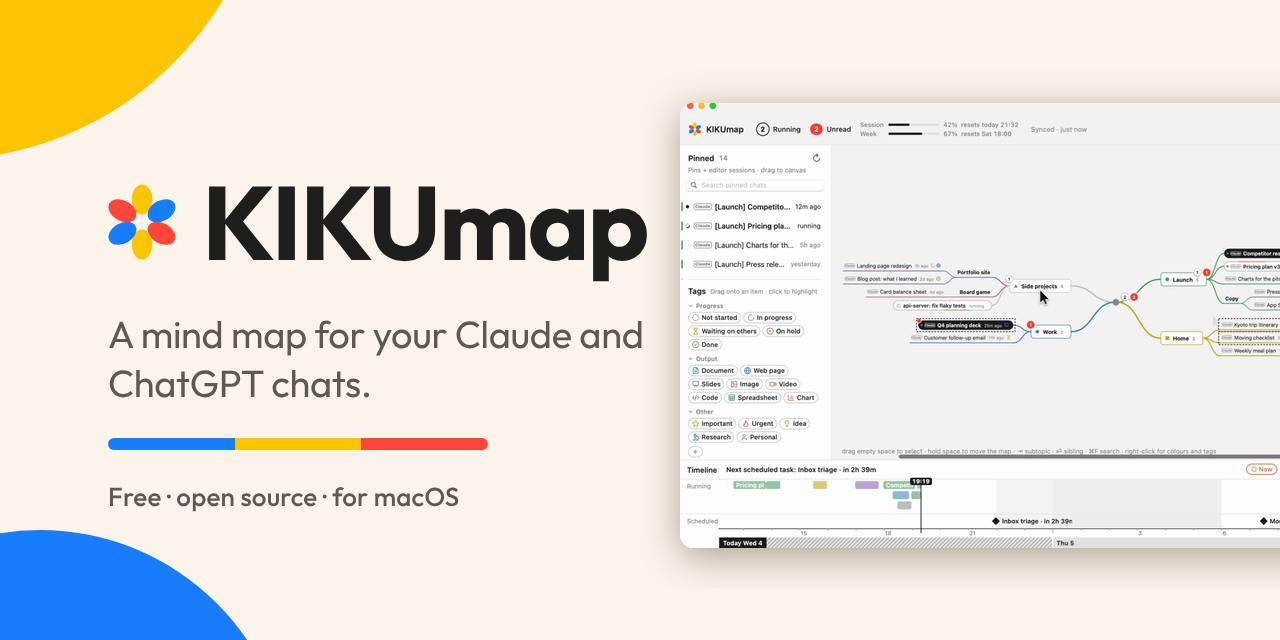
KIKUmap: Manage Your Claude and ChatGPT Conversations with Mind Maps
KIKUmap is a macOS menu bar app that visualizes Claude and ChatGPT conversations as mind maps with real-time status. Free and open source.