Quad9 Exits France: Why DNS Resolvers Are Not an Anti-Piracy Battleground

Quad9 withdraws due to French copyright enforcement pressure, reflecting the deep conflict between DNS neutrality and anti-piracy enforcement.
As a privacy-focused public DNS resolver, Quad9 chose to withdraw from the French market after French courts and copyright agencies demanded it block piracy domains. The article points out that DNS-level blocking is technically easy to bypass (by switching resolvers or using DoH/DoT), risks collateral damage to legitimate services, and fundamentally conflicts with Quad9's no-logs privacy commitment. Hacker News community discussion shows most tech members agree DNS resolvers should not assume copyright enforcement functions, though there is divergence on whether large DNS providers have become a "single point of bottleneck." The article suggests France's move may have a demonstration effect, forcing more neutral DNS providers to face similar choices, and a more reasonable anti-piracy path should target service providers actually hosting pirated content rather than the underlying addressing infrastructure.
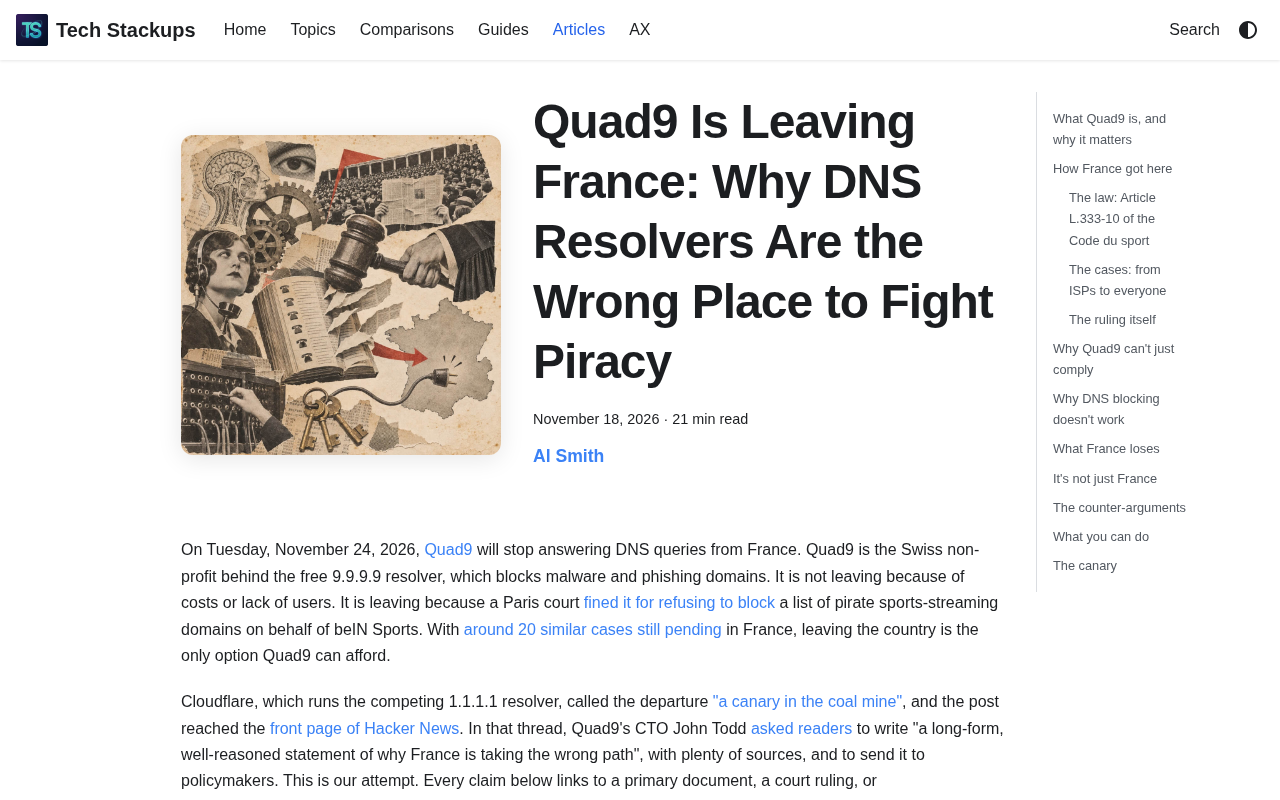
Quad9 is a global public DNS resolution service that offers free, privacy-focused resolution. Recently, it made a striking decision: to withdraw from the French market. This move has sparked widespread discussion in the tech community—the related post on Hacker News garnered 350 upvotes and over a hundred comments. On the surface, this is just a regional adjustment by a non-profit service; but behind it lies a deeper conflict between anti-piracy enforcement and the neutrality of internet infrastructure.
Background: When DNS Resolvers Are Asked to "Enforce the Law"
Quad9's core business is recursive DNS resolution, translating user-entered domain names into IP addresses. It does not host content itself, nor does it store users' browsing records. French courts and copyright agencies believe that DNS resolvers should bear the responsibility of blocking piracy websites. But the problem is that DNS is the internet's fundamental addressing layer; using it as a content filtering tool is technically crude and legally highly controversial.
According to an analysis by TechStackUps, Quad9's withdrawal is not due to technical failures or business failure, but because the legal pressure it faces in France makes it impossible to continue operating while maintaining service neutrality. Rights holders demand that it block specific domain names, while Quad9 believes this exceeds the responsibilities that a DNS resolver should bear.
Recursive DNS resolvers and authoritative DNS servers play different roles in the internet architecture. Authoritative DNS servers store authoritative records for specific domains, while recursive resolvers (such as Quad9, 8.8.8.8) initiate queries to authoritative servers on behalf of users and cache the results to accelerate subsequent access. As a public recursive resolver, Quad9 does not host any website content; it only provides addressing services, and its operating model relies on globally distributed nodes and privacy commitments (such as not logging user IPs). When French copyright agencies demand that it block piracy domains, they are essentially treating recursive resolvers as enforceable content filtering nodes, which fundamentally misaligns with the technical positioning of recursive resolvers in the DNS hierarchy—they are neither content hosts nor network access providers, yet are forced to assume law enforcement functions.
The "Achilles' Heel" of DNS Blocking: Technical Misalignment
DNS blocking seems straightforward—resolve piracy domains to a blackhole address, and users can't access them. But the technical reality is far from simple.
Bypass Costs Are Extremely Low
Any user with some network knowledge can easily switch DNS servers or use encrypted DNS protocols like DoH/DoT to bypass blocking. This means that DNS-level blocking is more like a "paper door" that only stops ordinary users but cannot truly prevent the spread of pirated content.
DoH (DNS over HTTPS) and DoT (DNS over TLS) are protocol standards for encrypting DNS queries. They encapsulate DNS requests within HTTPS or TLS tunnels, preventing network intermediaries from snooping on or tampering with resolution results. Users only need to enable DoH/DoT in their browser or operating system to bypass DNS blocking at the local network or ISP level. For example, Firefox and Chrome both have built-in DoH support, allowing users to specify trusted resolvers (such as Cloudflare or Quad9 itself). This means that any blocking strategy based on plaintext DNS becomes almost ineffective once encrypted DNS is widespread, unless encrypted DNS endpoints are also blocked—which would further exacerbate interference with neutral infrastructure.
High Risk of Collateral Damage
DNS blocking may affect legitimate services that share the same IP or domain name. When resolvers are forced to enforce domain blacklists, over-blocking and false positives are almost inevitable. Quad9's position is that such law-enforcement-style filtering requests should not be borne by neutral resolvers.
The Contradiction Between Privacy and Neutrality
The value of public DNS resolvers lies in their neutrality and privacy protection. Once they start filtering domain names according to copyright holders' demands, resolvers become enforcement nodes for content censorship. This fundamentally conflicts with Quad9's privacy commitment of "not logging user queries."
The neutrality of public DNS resolvers is reflected in their not distinguishing the legality of query content, merely mechanically completing the domain-to-IP mapping. Once a resolver begins filtering domains based on copyright holders' blacklists, it intervenes in content judgment and becomes a de facto censorship node. This conflicts with Quad9's privacy commitment of "not logging user queries": the filtering behavior itself requires maintaining blacklists and may log blocked queries, thereby undermining the no-logs principle. More broadly, if neutral resolvers generally accept law enforcement filtering, a privatized censorship mechanism will emerge, lacking transparency and judicial oversight, making it difficult for users to know which domains are blocked and why.
Multi-Source Perspectives: Consensus and Divergence in Community Discussion
The discussion on Hacker News (105 comments) and the TechStackUps analysis cross-validate on several key points: most tech community members agree that DNS resolvers should not assume copyright enforcement functions; France has historically been active in anti-piracy legislation, and this pressure on Quad9 is not an isolated case.
Divergence also exists. Some argue that large DNS service providers have objectively become the internet's "single point of bottleneck," and requiring them to cooperate with blocking is not entirely unreasonable; others counter that this is precisely the problem—once a few infrastructure service providers are incorporated into the enforcement chain, the openness and resilience of the entire internet will suffer. The TechStackUps article further points out that France's move may have a demonstration effect, and other countries may follow suit, forcing more neutral DNS service providers to make choices similar to Quad9's.
The Bigger Picture: Infrastructure Should Not Become an Enforcement Tool
Quad9's exit from France is not an isolated event but the latest footnote in the long-standing debate over "who should be responsible for internet content." Copyright protection is certainly important, but shifting enforcement pressure onto DNS resolvers is both inefficient and dangerous.
A more reasonable path might be: rights holders should take action against service providers that actually host pirated content, rather than requiring underlying infrastructure to assume filtering responsibilities; legislators should distinguish the legal responsibilities of "content hosts" and "neutral transmission/addressing services"; and the tech community needs to continue promoting the adoption of anti-censorship technologies such as encrypted DNS, while confronting the governance challenges brought by infrastructure centralization.
Quad9's choice sends a signal: when compliance requirements conflict with its core mission, exit itself is a statement. This game around DNS ultimately tests the weight of the word "neutrality" in internet governance.
Related articles
AI Code Generation Is Getting Cheaper—Validation Is the Real Challenge
Code generation is getting cheaper, and the bottleneck is shifting to validation. Drawing on Satya Nadella's interview, this piece analyzes coding agents' specifications, multi-model review, separation of permissions, organizational changes, and how engineers can turn a single fix into reusable team capability.
Saparo: The Shopping AI Agent That Stacks Discounts Automatically, Topping Product Hunt
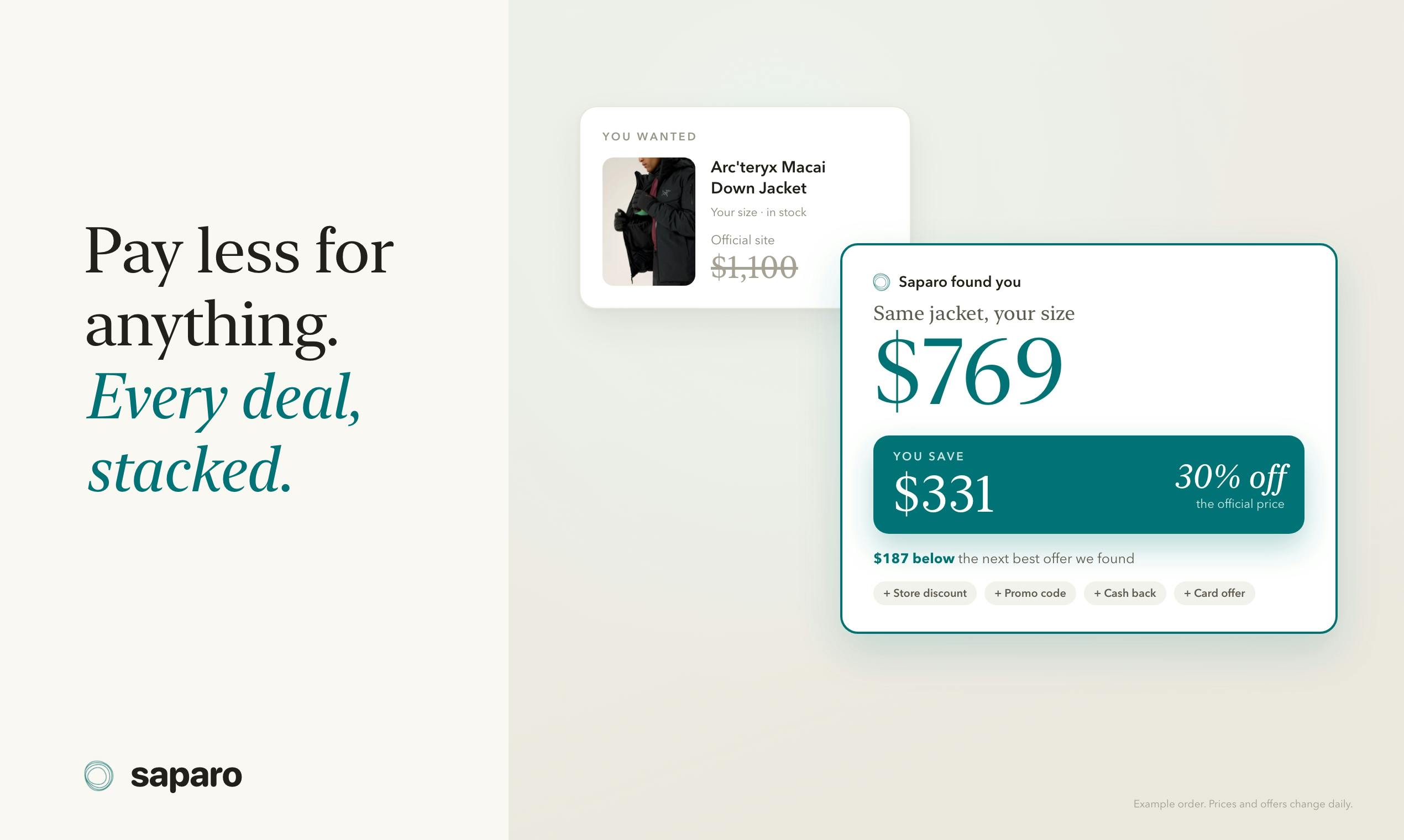
Saparo is an AI shopping agent that automatically stacks discounts, topping Product Hunt. It finds the same item, matches sizes, combines promo codes and cashback, ranks by total cost including shipping and taxes, and leaves final payment to the user.

Tripmojo: The AI Travel Agent That Checks You In
Tripmojo is the #2 AI travel agent on Product Hunt: it syncs booking emails into a shared itinerary and lets Mojo attempt check-in, save boarding passes, and flag delays.