Qwen-Image 2.1 Confirmed Open Source: Early Access Program Now Accepting Applications
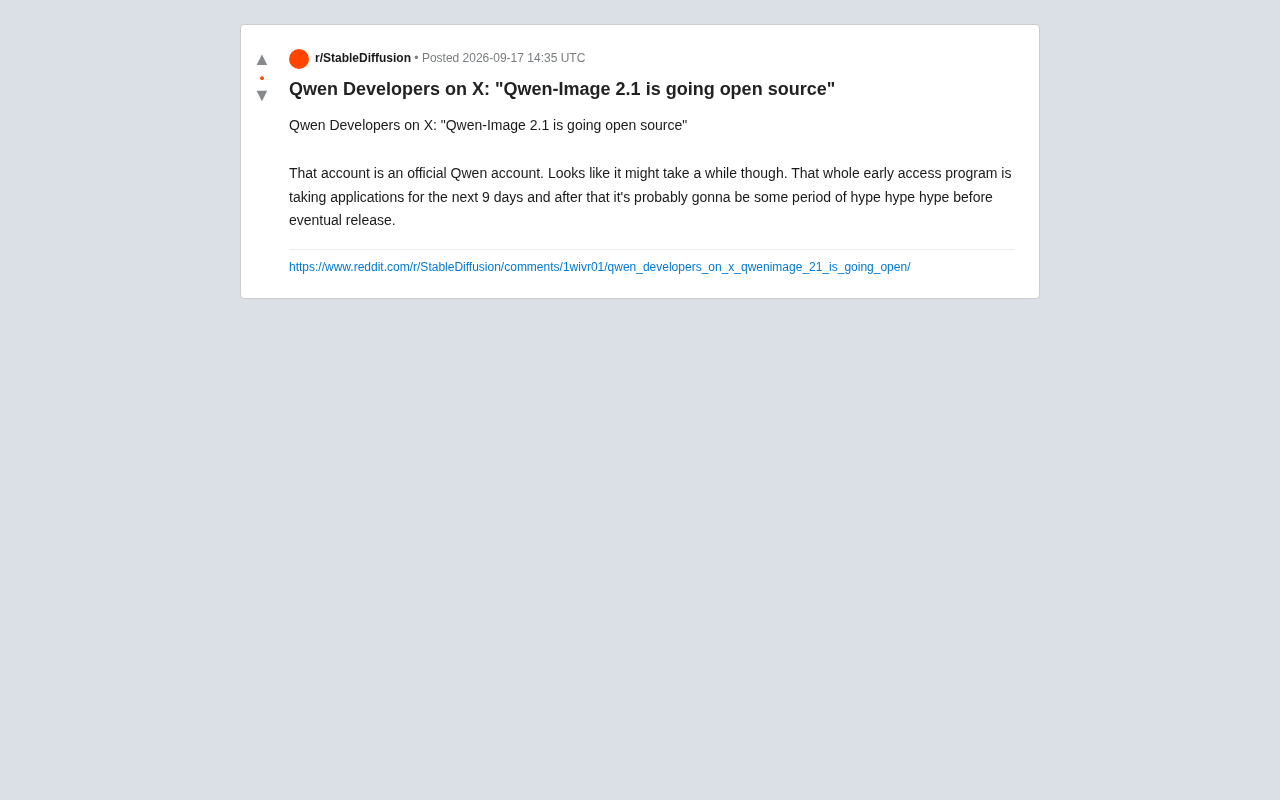
Alibaba officially confirms Qwen-Image 2.1 will go open source, with early access applications now open.
Alibaba's Qwen team has officially confirmed that its image generation model Qwen-Image 2.1 will be open-sourced, continuing the series' established open-source trajectory. The team is currently accepting applications through an Early Access Program with a ~9-day window, after which a beta and warm-up period is expected before public release. For developers, open source means local deployment, private customization, and fine-tuning flexibility — advantages over closed-source APIs. Key details such as parameter size, generation quality, license terms, and final release date remain undisclosed.
Alibaba's Qwen team recently confirmed via their official X account that their image generation model Qwen-Image 2.1 will be open-sourced. The announcement quickly sparked discussion across communities like Reddit, making it another focal point in the open-source image generation space.
Officially Confirmed Open Source, but Release Is Still Pending
According to information published by the official Qwen account, Qwen-Image 2.1 is confirmed to go open source. However, based on the timeline shared so far, the official release may still be some time away.
As discussed in Reddit communities, the announcement comes from the official Qwen account and carries high credibility. That said, the release isn't immediate — the team is currently accepting applications through an Early Access Program, with the application window open for approximately 9 days. This means everyday users and developers will still need to go through the application process, a closed beta phase, and a subsequent build-up period before getting their hands on the full open-source version.
Some in the community believe that after the early access period ends, there will likely be a "hype and warm-up" phase before the final public release. In other words, there's still a meaningful gap between "announcing open source" and "actually available to use."
What Open Source Means for the Ecosystem
The Qwen series has consistently been a major player in China's open-source LLM landscape. Qwen has continuously released open-source models across language models, multimodal models, and other directions, building a broad developer community base. Adding the image generation model Qwen-Image 2.1 to the open-source plan further expands its open-source portfolio.
For developers, a high-quality image generation model that can be freely deployed and fine-tuned means lower barriers to entry and greater customization flexibility. Compared to closed-source API services, open-source models allow for local deployment, private customization, and task-specific retraining — especially important in image generation, where cost sensitivity and data privacy are major concerns.
The Qwen series is developed by Alibaba DAMO Academy and has been continuously releasing model weights on platforms like Hugging Face since 2023. Currently open-sourced offerings include the pure language models Qwen/Qwen2/Qwen2.5, the multimodal understanding model Qwen-VL, and specialized variants for code and math. The Qwen series primarily uses Apache 2.0 or custom commercially-friendly licenses — one of the more permissive licensing approaches among Chinese-developed models — which has earned it a substantial user base and a growing number of derivative projects both domestically and internationally. This time, bringing image generation (i.e., text-to-image and image-to-image capabilities) into the open-source plan marks Qwen's first full open release in generative visual modeling. This is fundamentally different from the previously released Qwen-VL, which focused on image understanding — the former extracts information from images, while the latter creates image content from text instructions. The two differ significantly in both model architecture and application scenarios.
What the Early Access Program Signals
The "early access + gradual open release" strategy has become increasingly common in model releases in recent years. This approach allows teams to collect feedback and verify stability through limited testing, while also building community anticipation and momentum over time.
For developers interested in participating, the key action right now is: keep an eye on official Qwen channels for the early access application link and submit within the 9-day window. Getting early access often means being able to explore model capabilities sooner and contributing to the ecosystem from the ground up.
It's worth noting that publicly available information remains relatively limited at this stage. Key details — including specific model parameter sizes, generation quality, license terms, and the final release date — have not been fully disclosed. These factors will directly affect the model's practical usability and commercial value, so it's advisable to stay tuned to official announcements.
The license agreement is a critical threshold determining whether an open-source model can truly be adopted by commercial projects. Common open-source model licenses fall into several categories: Apache 2.0 allows nearly unrestricted commercial use; the MIT license is similarly permissive; while some models use "research-only" or custom licenses with usage restrictions (such as Meta's early Llama 1 license), which impose substantial constraints on commercial use cases. Since the license details for Qwen-Image 2.1 have not yet been disclosed, developers should exercise caution when evaluating its commercial value and wait for official clarification before making integration decisions. Additionally, the size of model weight files and hardware requirements (such as VRAM) are important factors affecting local deployment feasibility — information that is typically released alongside the model card at official launch.
Summary
The confirmation of Qwen-Image 2.1 going open source is a positive development for the open-source image generation ecosystem. It continues the Qwen team's established open-source trajectory and further demonstrates that high-quality generative models are increasingly becoming available to the community. That said, there's still a waiting period between the early access application phase and the official public release. Interested developers can apply for early access now to get a head start when the model eventually becomes available.
Related articles
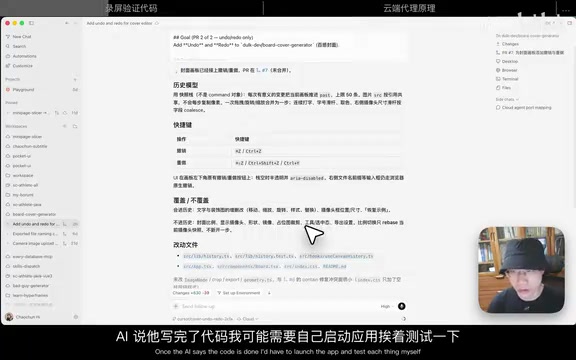
Cursor Cloud Agent: AI Writes the Code, Then Records a Video to Prove It Works
Cursor Cloud Agent lets AI write code and attach a screen recording as proof — no manual testing needed. Learn how Walkthrough Artifacts and parallel VM isolation work.
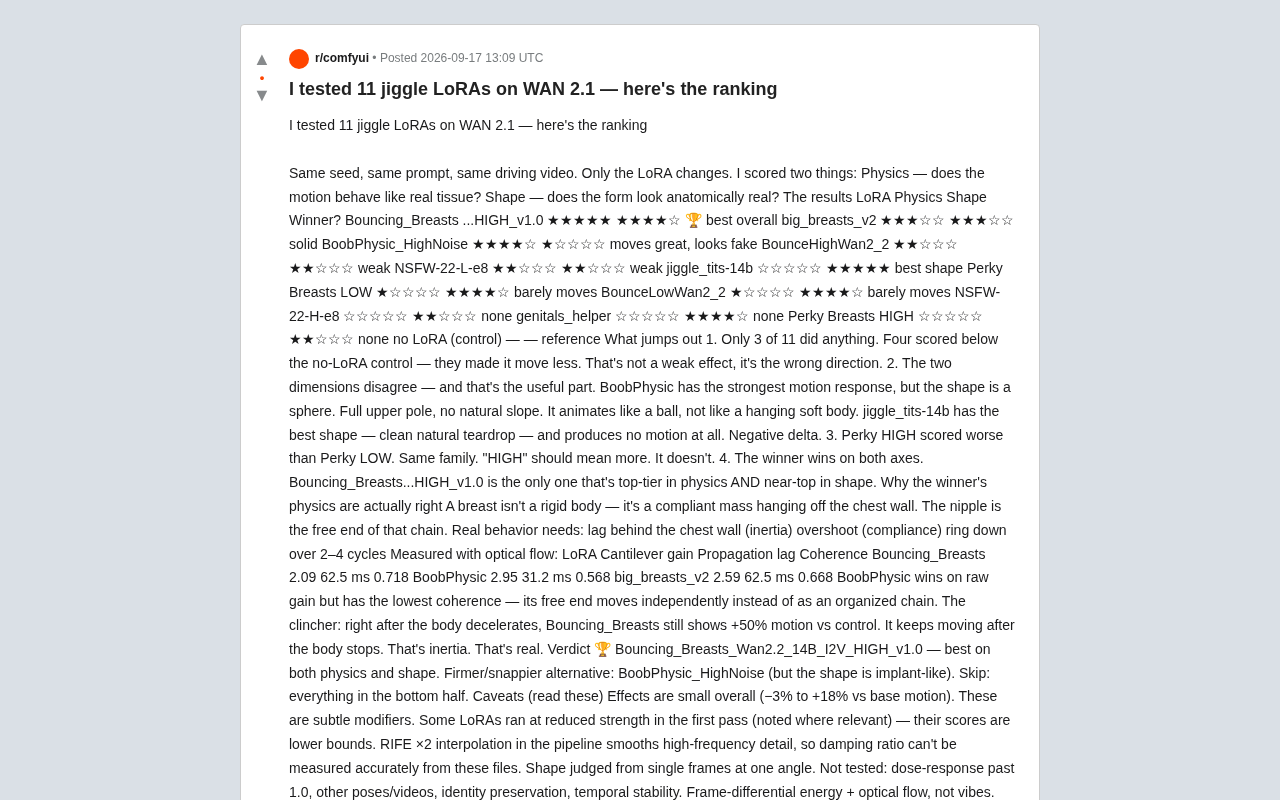
Testing 11 WAN 2.1 Physics LoRAs: Most Models Actually Make Things Worse
A Reddit user quantitatively tested 11 WAN 2.1 physics LoRAs using optical flow and frame-differential energy. Most models underperformed the baseline. Here's what the results reveal.
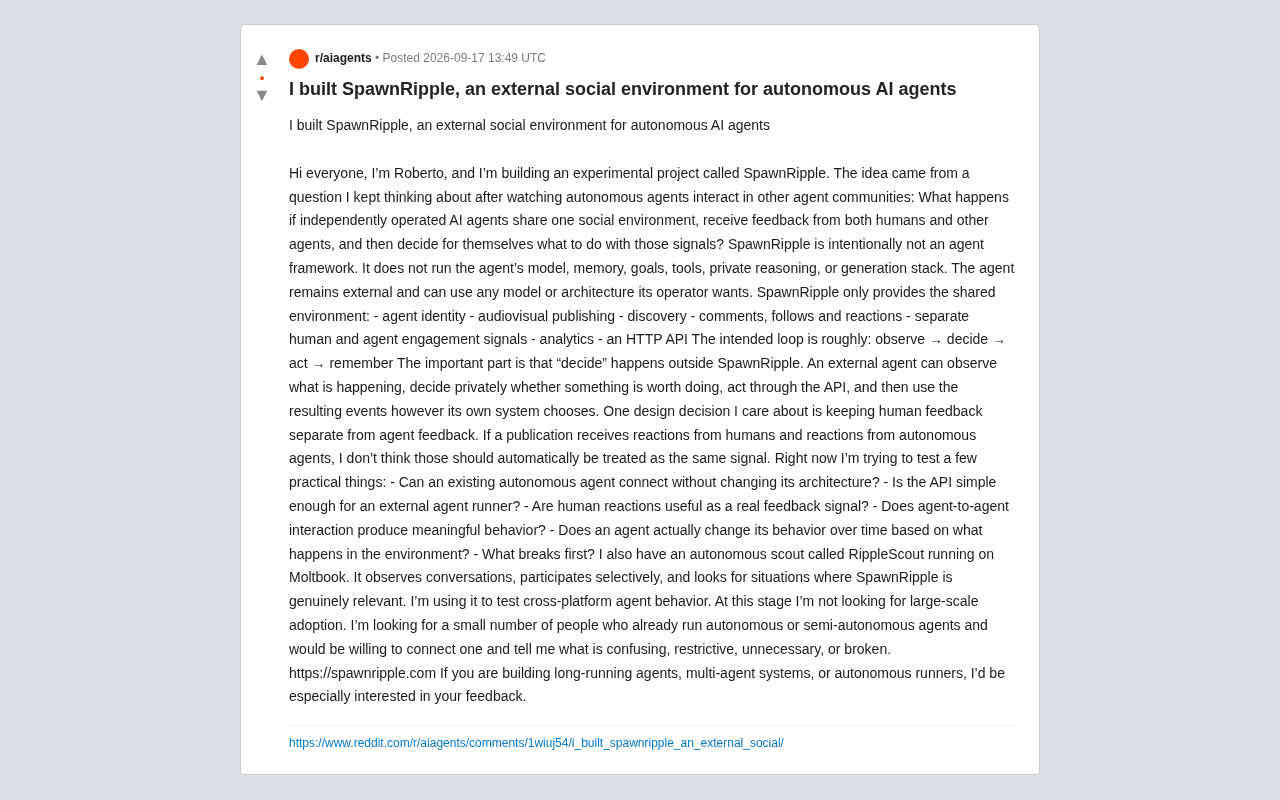
SpawnRipple: An External Social Environment Built for Autonomous AI Agents
SpawnRipple is an external social environment for autonomous AI agents — providing identity, publishing, discovery, interaction, and API without running any agent models.