RawY2K: A Chrome Retro Theme Extension That Sends Any Webpage Back to the 90s with One Click
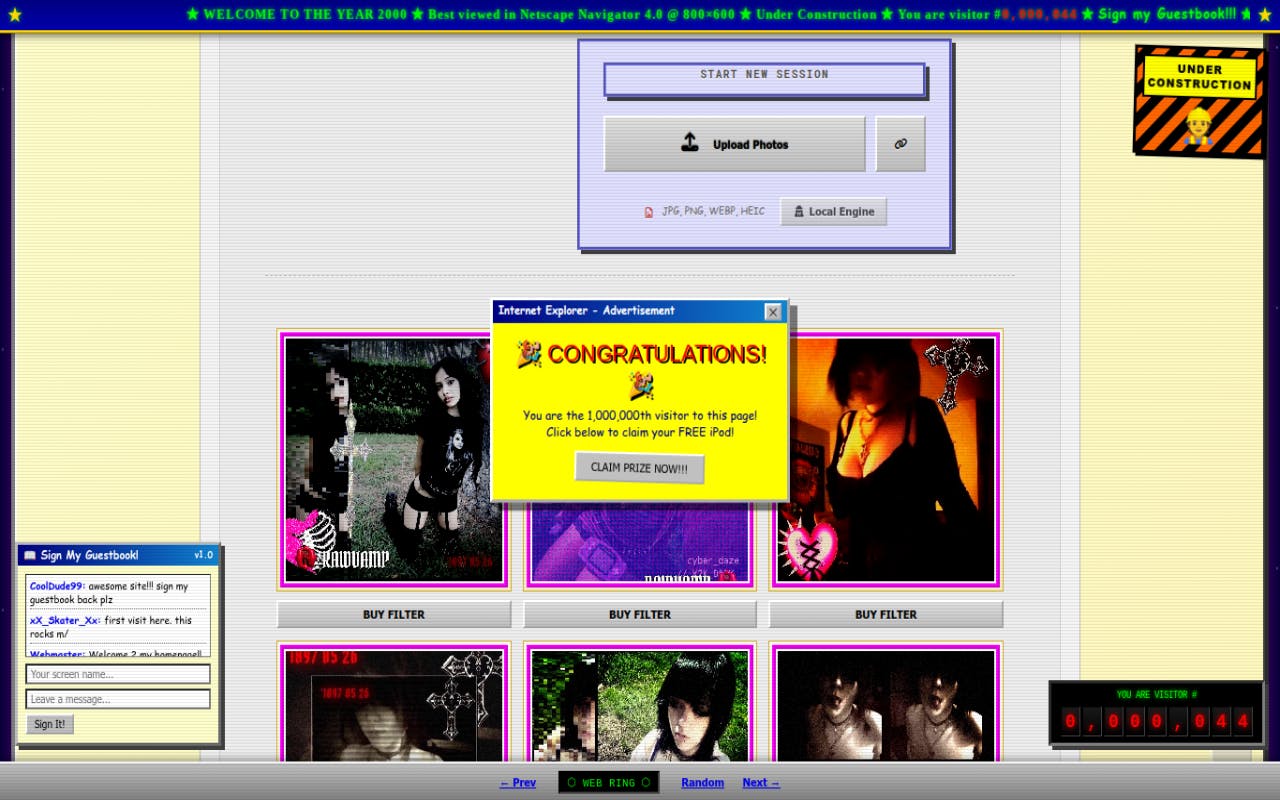
RawY2K is a Chrome extension that instantly transforms any webpage into a 90s retro experience.
RawY2K is a Chrome browser extension that instantly converts any modern webpage into a 90s-era retro experience featuring Windows 98 UI, GeoCities themes, and custom cursors. Debuting on Product Hunt with 71 votes, it taps into the booming Y2K aesthetic revival embraced by Gen Z. While positioned as a fun nostalgia tool rather than a productivity app, it reflects a broader trend toward personalized, emotionally resonant digital experiences in an era of homogenized web design.
When Nostalgia Becomes an Aesthetic Movement
Recently, a Chrome browser extension called Retro Y2K Theme (RawY2K) made its debut on Product Hunt, earning 71 votes and landing at #15 for the day. Product Hunt is one of the world's most influential tech product launch platforms. Since its founding in 2013, it has become a core channel for indie developers to acquire early users. The platform uses a daily ranking system, where a product's vote count within its first 24 hours determines its position. Ranking #15 with 71 votes is a moderate result — typically, the top 5 products of the day receive between 300 and 1,000 votes — but gaining attention on the platform at all is a positive signal for early product validation.
Built by developer Vadym Cepesh, the tool's concept is bold and clear: instantly transform any modern webpage into a 90s and Y2K-style retro experience with a single click.
In an era that worships minimalism and flat design, RawY2K goes in the opposite direction, transporting users back to that golden age when "webpages were rough but brimming with chaotic creativity." It's not positioned as a productivity tool but rather as an aesthetic plugin that satisfies nostalgia and personal expression.
RawY2K Core Features Explained
According to its official description, RawY2K is the "ultimate retro web makeover tool," with core capabilities focused on instant visual transformation. From a technical standpoint, browser extensions like this work through the Content Script mechanism in the Chrome Extensions API, injecting custom CSS and JavaScript code into target web pages. Content Scripts run within the webpage's context, allowing them to read and modify the DOM (Document Object Model), thereby replacing fonts, colors, button styles, and cursor icons in real time — all transformations happen on the client side, with no need to modify the website's source code.
Three Core Features
Custom Cursors: Brings back all those flashy cursors we used to love — from twinkling stars to the classic hourglass — recreating the playful details of the desktop era. In early Windows systems, custom mouse cursors were an important way for users to personalize their desktops — theme packs and cursor collections were hugely popular on download sites. This small detail carries a wealth of digital memories for millennials and Gen X users alike.
Windows 98 Style UI: Transforms webpage interface elements into the nostalgic visual language of Windows 98 — raised 3D buttons, gray window borders, classic typography — instantly evoking memories for an entire generation of internet users. Windows 98's interface design was a landmark milestone in the history of graphical user interfaces (GUI). Its visual language was centered on "skeuomorphism," using embossed buttons with pixel-precise highlights and shadows to create a tactile sense of depth, combined with system fonts like MS Sans Serif and Tahoma and a limited color palette to form a complete design paradigm. This paradigm was entirely replaced in the 2010s by Flat Design and Material Design, but in recent years it has regained attention under names like "Frutiger Aero" and "Brutalist Web Design" — the front-end community has even produced open-source CSS frameworks like 98.css and XP.css that specifically recreate classic Windows interfaces.
GeoCities-Style Themes: GeoCities was the most popular personal homepage hosting platform of the late 90s, famous for its wildly eclectic pages that followed no design conventions whatsoever. Founded in 1994, GeoCities hosted over 38 million user pages at its peak. When Yahoo acquired it in 1999 for a staggering $3.57 billion, it was the third most-visited website in the world. The platform used a unique "virtual city" organizational structure — users chose communities based on their interests: SiliconValley for tech enthusiasts, Hollywood for entertainment content. Typical GeoCities pages featured blinking GIF animations, starfield or flame backgrounds, Comic Sans font, visitor counters, and auto-playing MIDI background music. After Yahoo shut down GeoCities in 2009, the Internet Archive (Archive.org) and grassroots projects scrambled to preserve the pages, and it is now regarded as a cultural heritage of the "wild internet" era. RawY2K recreates this "raw and free" web style, giving modern websites that untamed aesthetic of the early internet.
Install and Go — Zero Configuration Required
As a browser extension, RawY2K emphasizes "immediacy" — users don't need to write any code or go through complex setup. After installation, the retro theme can be applied to any webpage they're browsing. This low barrier to entry makes it easy for anyone to "travel back to the year 2000." However, it's worth noting that this CSS injection approach may create priority conflicts with a webpage's existing style rules (known as CSS specificity issues) or fail to work on modern web components that use Shadow DOM encapsulation. Additionally, starting with Chrome Manifest V3, Google has made significant changes to the extension permission model, requiring stricter permission declarations and content security policies, which also affects how such extensions are developed and their compatibility.
Why Y2K Aesthetics Are Making a Full Comeback
The emergence of RawY2K is no accident. Over the past two years, Y2K Aesthetics have seen a comprehensive revival across fashion, design, and digital products. From metallic textures and pixel art to neon color palettes, this visual language born around the turn of the millennium is being rediscovered and embraced by Gen Z.
Y2K aesthetics originated roughly between 1995 and 2004, during the critical transition period when the internet moved from the lab to the mainstream. The design language of that era was deeply influenced by technological optimism, making heavy use of metallic gradients, 3D text, pixel animations, fluorescent colors, and futuristic elements. This style reflected both the hopes and anxieties people felt about the new millennium (the Y2K bug panic being a prime example), as well as the collision between the expressive limitations and raw creativity of early web design tools like Microsoft FrontPage and Macromedia Dreamweaver. The full-scale comeback of Y2K aesthetics in the 2020s follows fashion's roughly 20-year cyclical pattern, while also aligning with a contemporary backlash against overly polished digital experiences.
For users who lived through the dial-up era, this is a pure nostalgia trip. For younger users, Y2K represents a fresh, retro, and slightly rebellious aesthetic sensibility. RawY2K hits this cultural nerve perfectly — it transforms nostalgia from "memory" into an "interactive experience."
Here's an interesting detail: tools like this reflect a fascinating product trend. In today's algorithm-driven world of highly homogenized interfaces, users are beginning to crave personalized and emotionally resonant digital experiences. What RawY2K offers isn't a boost in functional efficiency but rather a form of aesthetic "stress relief" and self-expression. This trend is far from isolated — from pixel-art emoji packs on Discord servers, to billions of views under TikTok tags like "Webcore" and "Old Internet," to the abundance of Y2K-style design templates in the Figma community, digital nostalgia has formed an undeniable subcultural wave.
Product Positioning and Limitations
Based on its Product Hunt categories, RawY2K is listed under Chrome Extensions, Design Tools, and User Experience — a very clear positioning as a fun design tool aimed at everyday users.
That said, theme-modifying plugins like this come with inherent limitations. First, since they primarily operate on the visual presentation layer, they may conflict with some websites' native layouts and affect usability. Modern webpages extensively use layout technologies like CSS Grid and Flexbox, as well as dynamic rendering mechanisms from front-end frameworks like React and Vue. Forcefully overriding styles can cause element misalignment and broken interactions — issues that are especially pronounced on SPAs (Single Page Applications) and highly componentized websites. Second, as a product that relies on "nostalgic emotion," its user stickiness and long-term usage value remain to be seen — whether users will continue to keep retro mode enabled after the novelty wears off is a real question the product must face.
Furthermore, with only 71 votes and just 1 comment in community feedback so far, RawY2K is still in its early stages. Its compatibility, stability, and theme variety all need time to be validated.
The Big Trend Behind a Small Tool
RawY2K may be just a lightweight novelty plugin, but it reflects a much larger trend: the diversification of digital aesthetics. As mainstream web design grows increasingly uniform — sans-serif fonts, generous whitespace, and neutral color palettes have become near-universal defaults — tools that champion personality, nostalgia, and fun offer genuinely differentiated value.
For users who love tinkering with their browsers and have a passion for retro culture, RawY2K is worth a try — it makes "going back in time" easier than ever. And for product observers, it serves as a reminder: beyond functionality, emotional experience is becoming an increasingly important competitive dimension for digital products. From the skeuomorphic details Apple has reintroduced in iOS, to the rise of "digital garden" personal websites, the design world is undergoing a paradigm shift — from "cookie-cutter efficiency-first" to "diverse coexistence of emotional expression." Small as it is, RawY2K is a vivid footnote in this ongoing transformation.
Key Takeaways
Related articles
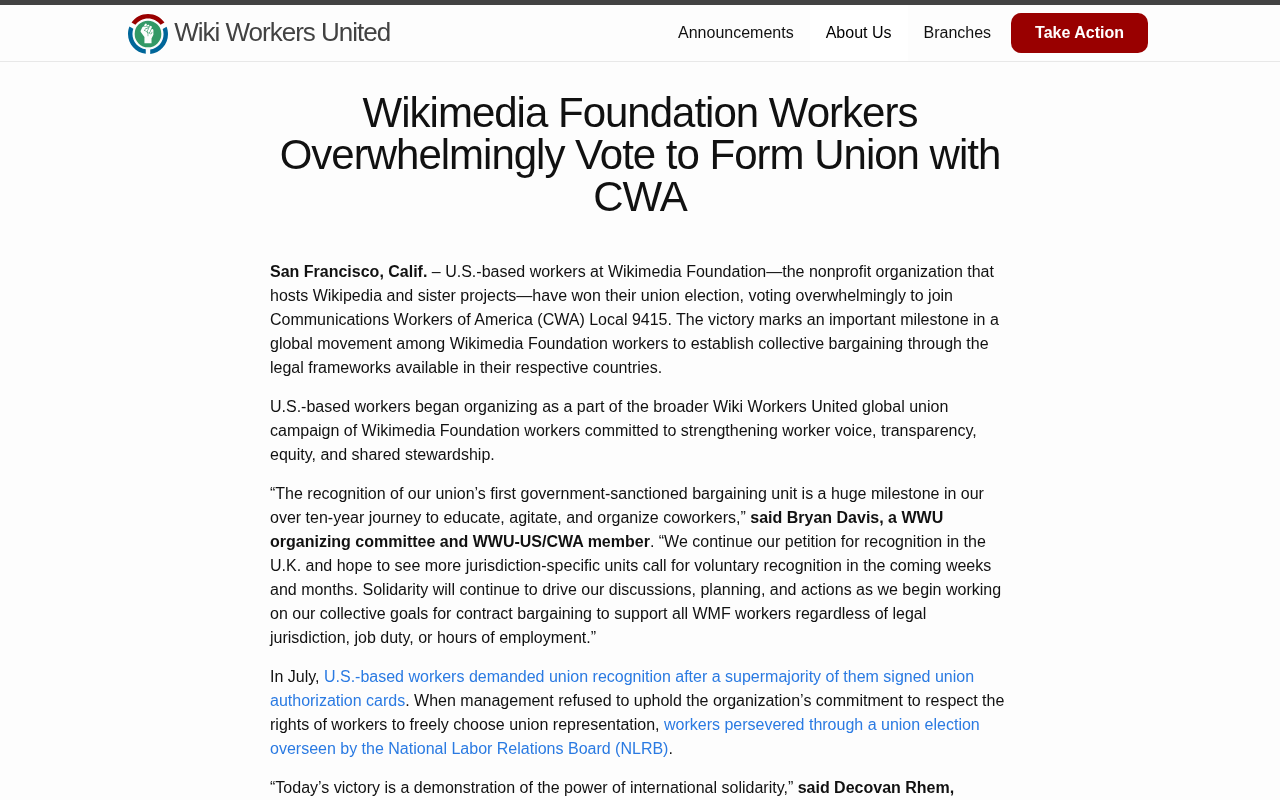
Wikimedia Foundation Staff Vote to Unionize, Joining CWA
Wikimedia Foundation staff voted overwhelmingly to unionize, joining the CWA. This article examines the impact on Wikipedia's ecosystem, nonprofit labor rights, and the tech unionization wave.
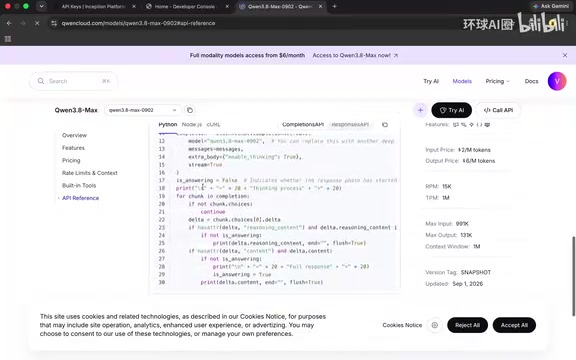
10 Free AI API Platforms Tested: Zero-Cost Guide to Calling GPT/Claude/Gemini
Hands-on review of 10 platforms offering free API keys for GPT, Claude, Gemini, DeepSeek, Grok & more. Covers signup, free quotas, and Codex integration.
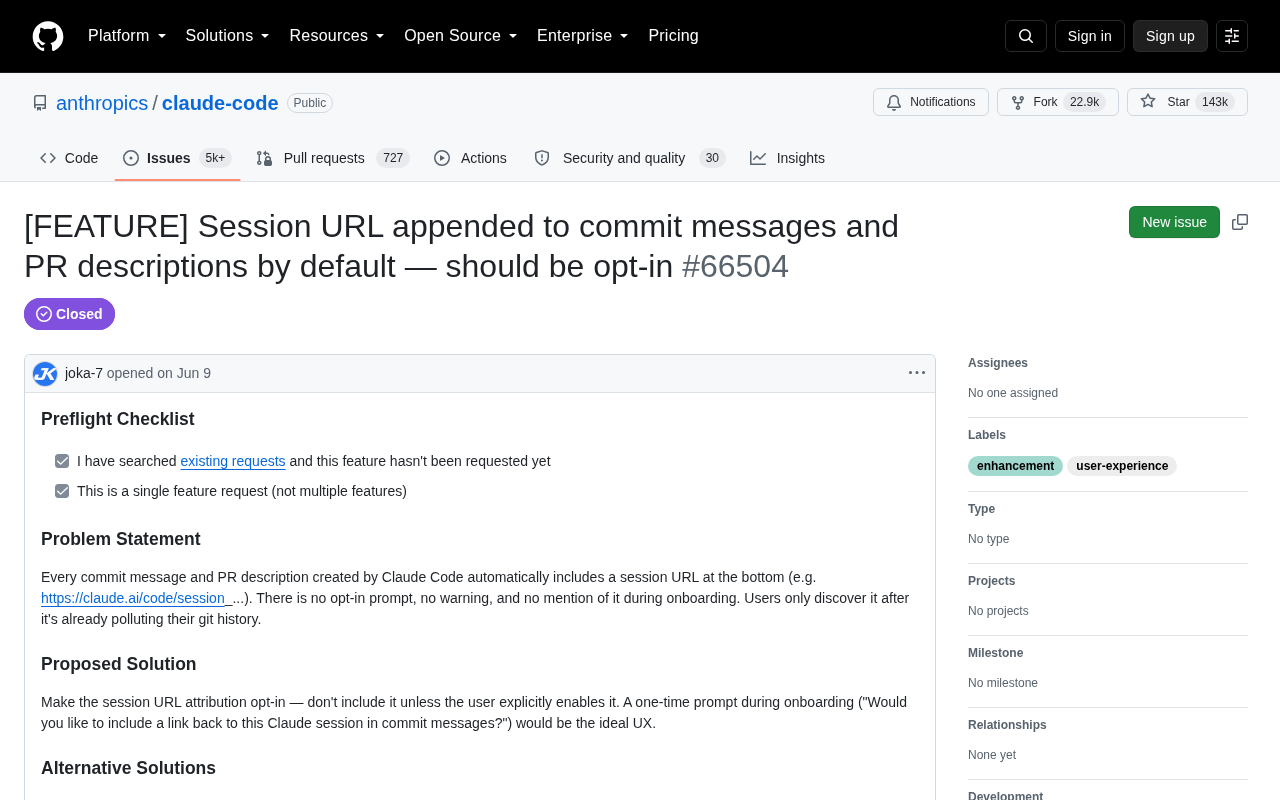
Claude's Default Behavior of Appending Session Links to Git Commits Sparks Controversy
Claude AI appends Session URLs to Git commits and PRs by default, sparking developer debate over privacy, commit history pollution, and the power of defaults.