Relay: A Context-Aware Document Sharing Tool Built for AI Agents
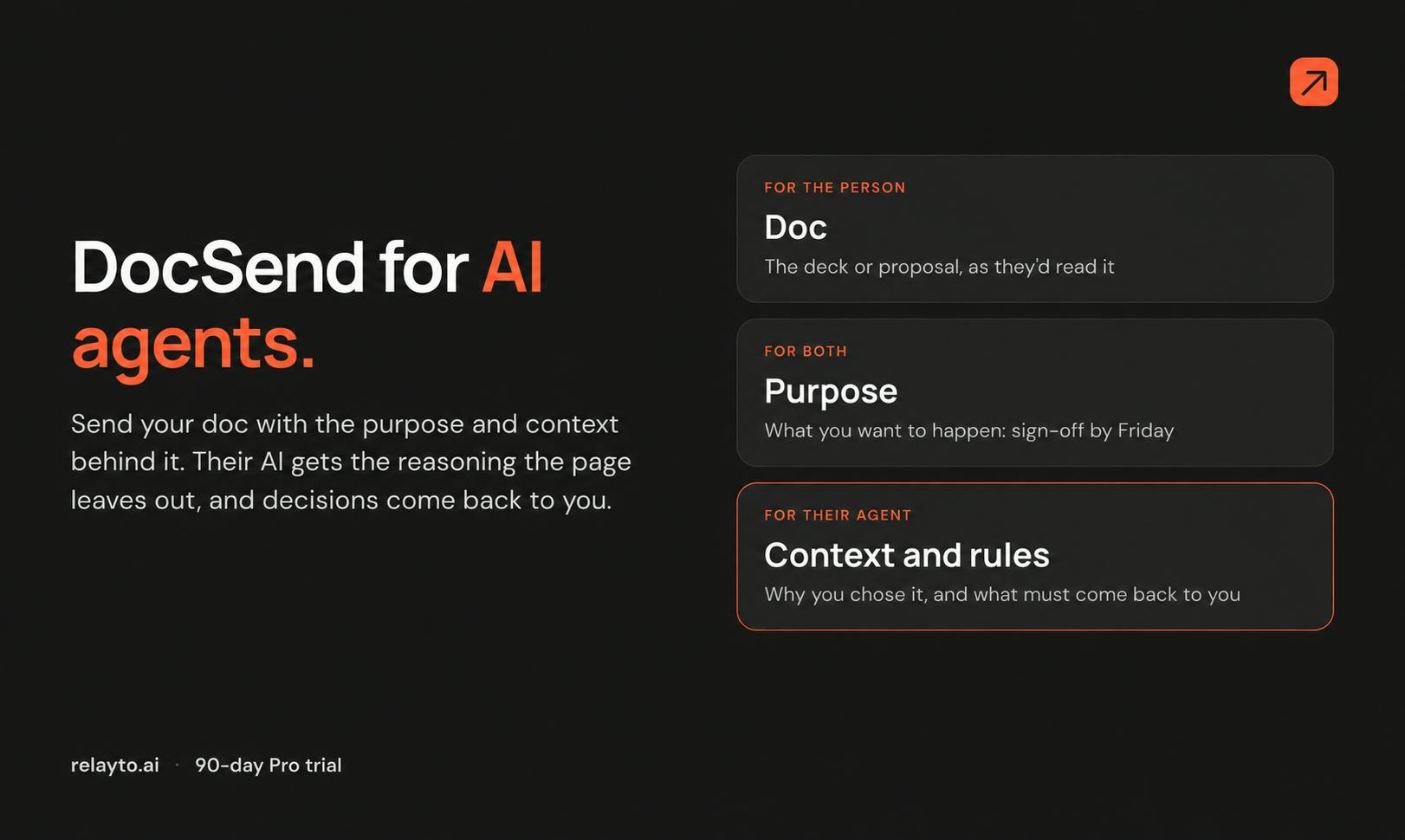
Relay attaches decision context to document sharing, letting the recipient's AI understand the thinking process rather than just summarizing.
Relay is positioned as "DocSend for AI agents," targeting the gap where AI reading documents only sees surface content and can't understand decision background. It allows senders to attach context—such as rationale for choices, deliberately omitted content, and open questions—when sharing documents, so the recipient's AI assistant can ask questions about the decision logic rather than just summarize. The product also features a "decision callback" mechanism where key decisions requiring human judgment return to the sender, embodying a pragmatic human-in-the-loop philosophy. Relay offers a no-registration trial and received 78 upvotes on Product Hunt, ranking 11th, categorized under productivity, developer tools, and AI. Its core insight: when AI becomes the first reader of documents, the value of document metadata will be re-evaluated.
When Documents Meet AI, Context Is Scarcer Than Content
In collaborative scenarios, we're used to sending polished presentations or proposal documents to the other party. After receiving them, they might have their AI assistant quickly read and extract key points. But the problem is that AI only sees the text and charts already on the page—it can't see the thinking process behind them: why this approach was chosen over that one? What content was deliberately omitted? What questions remain unresolved?
A product called Relay, which appeared on Product Hunt, targets exactly this gap. Its tagline is blunt: "DocSend for AI agents: send and receive docs with context."
DocSend is a document sharing and tracking tool commonly used in fundraising, sales, and similar scenarios: after the sender uploads a document, they can control access permissions, set viewing passwords, and learn when the recipient opens it and how long they spend on each page. Relay borrows this analogy to convey that it doesn't just transmit the document itself, but packages the "decision background" along with it, so the recipient's AI can read information beyond the document.
From "Transferring Files" to "Transferring Intent"
Traditional document sharing tools solve transmission and permission problems, but Relay tries to go further: making documents carry their own decision background. According to the product description, Relay allows senders to attach a layer of contextual information when sharing documents, including the reasons behind certain choices, content deliberately excluded, and questions still open. When the recipient and their AI assistant read the document, they can understand these hidden threads of thinking and ask questions based on them.
This design transforms documents from static "results" into interactive "processes." The recipient's AI no longer just summarizes, but can ask questions around the decision logic—such as "Why was option B excluded?" or "What's the basis for this timeline?" Senders can choose which context is shared, controlling the granularity of information exposure.
Key Decisions Flow Back: Humans Remain in the Loop
One notable mechanism in Relay is "decision callback." The product description mentions that decisions requiring sender input—such as discount levels or date arrangements—are returned to the sender. This means that during reading and interaction, the AI won't make commitments on people's behalf, but instead throws judgment-requiring questions back to humans.
As AI agents become increasingly embedded in workflows, this "human-in-the-loop" design seems pragmatic. It acknowledges the boundaries of AI's capabilities: AI can understand context and ask good questions, but decisions involving interests and commitments should still be made by humans. Relay builds this boundary into its product logic.
Human-in-the-loop is a common pattern in AI system design, referring to introducing human judgment or confirmation at key points in automated processes, rather than letting the system make fully autonomous decisions. In document collaboration scenarios, this means AI can handle cognitive work like reading, understanding, and asking questions, but binding decisions involving price commitments and delivery dates are still confirmed by humans. This approach leverages AI's efficiency while preventing AI from overstepping to make irrevocable commitments.
Low-Barrier Experience and Product Positioning
Relay offers a no-registration sample experience, lowering the barrier to trying it out. According to Product Hunt data, the product received 78 upvotes and 9 comments, ranking 11th on the day. It's categorized under productivity, developer tools, and artificial intelligence, indicating its target users span efficiency tool enthusiasts and technical developers.
In terms of positioning, Relay doesn't try to replace document collaboration platforms, but rather adds value at the "document sharing" stage. It assumes an increasingly common scenario: your document recipient will first have AI read it. Under this premise, preparing context for AI becomes a new necessity.
Boundaries and Room for Imagination
Currently, public information about Relay is still limited—product details such as the specific form of context, integration methods with mainstream AI tools, and team collaboration permission models await further disclosure. But its entry point is worth noting: when AI becomes the first reader of documents, the value of documents' "meta-information" will be re-evaluated.
For those who frequently need to send proposals to clients, partners, or cross-team colleagues, Relay offers a new approach—rather than writing lengthy explanations in emails, it's better to attach context structurally to the document, so both humans and AI can read it as needed. This may become a new habit in document collaboration in the AI era.
Metadata refers to data about data—information describing the properties, sources, and background of content itself. In document scenarios, metadata can be the author, revision history, decision rationale, excluded alternatives, and so on. Traditional document tools mainly transmit body content, while metadata often scatters across emails, chat records, or people's memories. When AI becomes the first reader of documents, structurally attaching metadata allows AI to more accurately understand document intent and reduces misreading and speculation.
Related articles
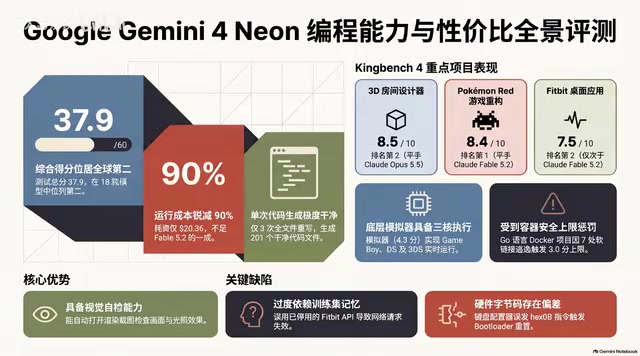
Gemini 4 Neon Hands-On: Value King or Confident Catastrophe?
Gemini 4 Neon review: 1M-token context, four thinking levels, 201 files in one KingBench4 pass at one-tenth Fable 5.2's cost—but it hallucinates fake data, leaves 7 symlink escapes, and bricks keyboards.

Google Gemini 4 Neon Hands-On: 6 3D Works That Impress and Fail
Hands-on with Google Gemini 4 Neon on a 3060 laptop: 6 3D works tested. Sunshower Fishing Harbor and mechanical keyboard impress; soft-body physics and faces fall short.
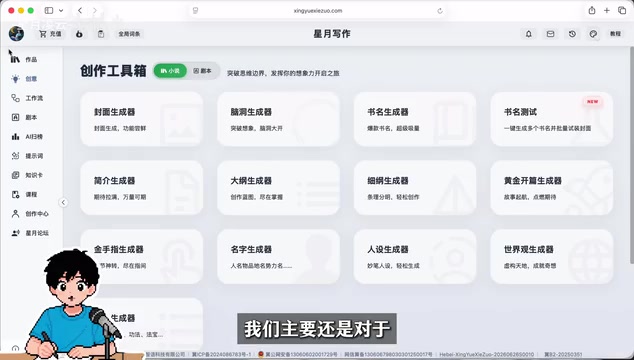
Gemini 4 Neo Web Novel Writing Test: Faint AI Flavor, Textured Dialogue
Bilibili creator's first-look review of Gemini 4 Neo for Chinese web novel writing: testing a Three Kingdoms transmigration opening with faint AI flavor, emotionally textured dialogue, and strong crisis building, plus comparison of 4A/4H/4C models and full workflow demos.