RSS to Kindle: Automatically Push Blog Articles to Your E-Reader Every Day
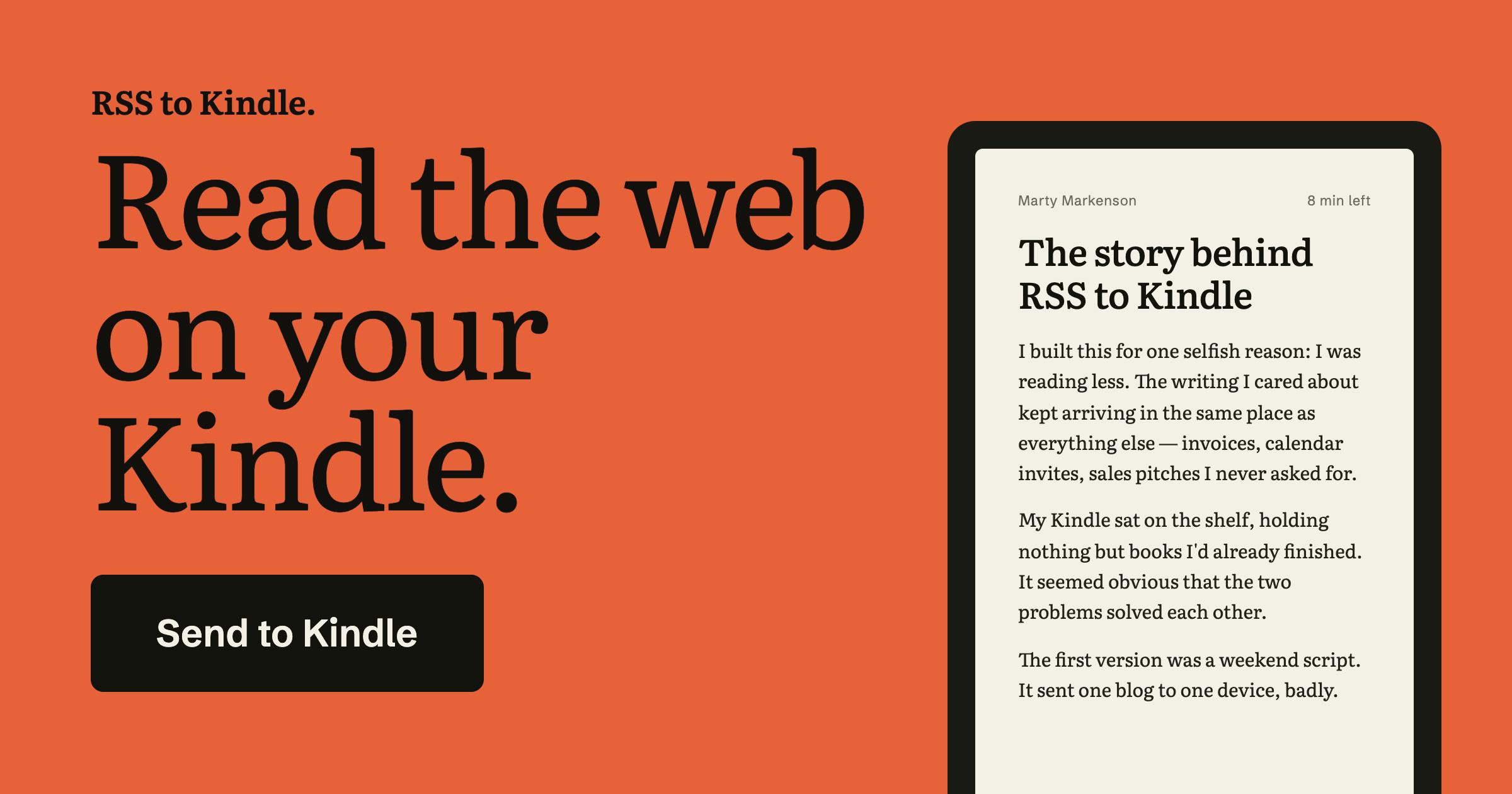
RSS to Kindle auto-compiles RSS feeds and blog posts into daily e-books delivered to your Kindle.
RSS to Kindle is an indie tool that automatically fetches full-text articles from RSS feeds, blogs, and Substack, reformats them into clean e-books, and delivers them to your Kindle every morning. By combining RSS's open, decentralized content model with Kindle's distraction-free e-ink reading experience, it offers a gentle rebellion against algorithmic filter bubbles — though challenges around scraping reliability, copyright, and long-term sustainability remain.
When RSS Meets E-Ink
In an age of information overload, we subscribe to countless blogs, newsletters, and Substack columns, yet the fragmented reading environment often makes it hard to truly settle down and digest long-form content. RSS to Kindle, a newly launched tool on Product Hunt, targets precisely this pain point — it takes the RSS feeds, blog posts, and Substack content you follow, automatically compiles them into a clean e-book every morning, and pushes it directly to your Kindle device.
RSS (Really Simple Syndication) is an XML-based content distribution standard that was born in 1999. It allows websites to output updated content in a structured format, and users can subscribe through RSS readers to receive the latest articles from multiple sources in a unified interface without visiting each website individually. The core value of RSS lies in decentralization — content subscription and distribution don't depend on any platform algorithm; users have complete autonomy over their information sources. While the mid-2000s were RSS's golden age, it fell into decline as social media rose and Google Reader shut down in 2013. In recent years, however, as people reflect on algorithmic recommendations and filter bubbles, RSS has regained attention among tech-savvy users.
Substack is an independent writing and newsletter platform founded in 2017 that allows authors to charge subscribers directly, with the platform taking a 10% commission. Its core philosophy is the "creator economy" — breaking through the intermediaries of traditional media and social platforms to let writers build direct economic relationships with readers. As of 2024, Substack has millions of paid subscribers, with top authors earning hundreds of thousands of dollars annually, making it a significant income source for independent writers.
The product was built by independent developer Marty Markenson. After launch, it reached #10 on the daily product rankings, earning 15 upvotes and 4 comments. While the numbers aren't staggering, it touches on a long-overlooked niche need: how to consume open web content on a dedicated reading device.
Product Hunt, as the world's largest new product discovery community, sees hundreds of products competing for attention every day. Ranking #10 with 15 upvotes is a moderate performance — top products typically garner hundreds to thousands of votes. But for a niche tool aimed at "power users," this data actually reflects the precision of its target audience: users who simultaneously understand RSS, own a Kindle, and pursue deep reading are already a highly specific intersection.
Core Features in Detail
Full-Text Extraction and Auto-Formatting
The most commendable aspect of RSS to Kindle is that it doesn't settle for fetching article summaries — it pulls the complete article body. This is crucial for heavy readers — many RSS readers only provide titles and the first few paragraphs as previews, forcing users to jump back to the webpage, which is cluttered with ads, pop-ups, and sidebar distractions.
Achieving true full-text delivery involves complex technical challenges. RSS feeds typically come in two output modes: summary mode and full-text mode. Many websites only provide article summaries in their RSS to retain traffic and ad revenue, forcing users to visit the original page. To overcome this limitation, the tool needs to perform "web scraping": parsing HTML structure, identifying the main content area, filtering out ads and navigation elements, and handling JavaScript dynamically loaded content. Page structures vary enormously across different websites — no universal algorithm can succeed 100% of the time, and anti-scraping mechanisms (CAPTCHAs, IP restrictions), paywalls, and login requirements can all cause extraction failures.
The tool reformats the extracted full text into a clean e-book format. Regardless of which website the original content came from, the final presentation on Kindle is a unified, comfortable reading experience: appropriate fonts, line spacing, and margins, with zero visual noise.
Daily Scheduled Delivery
The tool uses a daily digest delivery model, packaging the previous day's updated content and sending it every morning. This design is quite clever: it aggregates scattered updates into a single reading session, avoiding frequent interruptions while aligning with Kindle users' preference for "immersive batch reading."
The technical implementation relies on Amazon's "Send to Kindle" push feature. Each Kindle account has a dedicated push email address (formatted as username@kindle.com), and third-party services send document attachments (PDF, MOBI, AZW, and other formats) to this address. Amazon's servers automatically convert and push them to the device. This feature was originally designed for personal document management but also provides the technical foundation for RSS tools. It's worth noting that Amazon imposes limits on pushed content (maximum 50MB per document, with monthly total caps), and the content doesn't sync to the cloud library — it's only stored locally. Users also need to add the third-party service's email to the "Approved List" in Kindle settings, which adds a setup hurdle for first-time configuration.
For users who habitually read during their morning commute or before bed, opening their Kindle each day to find a personally curated "morning paper" — this sense of ritual is itself a major selling point.
Why Kindle Is Still Worth Paying Attention To
The Deep-Focus Value of E-Ink Screens
In an era where phones and tablets constantly compete for our attention, e-ink devices like Kindle have become valuable precisely because they "can't do anything else." No notifications, no social media, no video — just pure text.
E-Ink screens use electrophoretic display technology, controlling the position of charged particles in black and white microcapsules through electric fields to display images. Unlike LCD and OLED screens that actively emit light, e-ink screens form images by reflecting ambient light, creating a visual experience close to physical books that reduces eye fatigue during extended reading. More importantly, they only consume power when turning pages — static display requires nearly zero energy, giving Kindle devices battery life of several weeks. These technical characteristics mean low refresh rates, making them unsuitable for video and color display, but precisely these "disadvantages" create a pure reading environment — no flashing notifications, no tempting video recommendations, just static text.
RSS to Kindle reinforces this advantage — it transports valuable long-form content from the open web into a reading environment that naturally resists distraction.
RSS and the Return of Content Sovereignty
Here's a noteworthy detail: RSS itself is an open, decentralized content protocol. At a time when platform algorithms increasingly dominate information distribution, actively subscribing to RSS means users are reclaiming the power to decide "what to read."
Algorithmic recommendations predict interests by analyzing user behavioral data (clicks, dwell time, interactions) and automatically push related content. This mechanism improves distribution efficiency but also creates the "Filter Bubble" problem — users only see content the algorithm thinks they want to see, gradually becoming isolated from different perspectives and diverse information. After Harvard scholar Eli Pariser coined this concept in 2011, it became a central topic in internet criticism. RSS represents a fundamentally different model: users actively choose their information sources without algorithmic interference, though this also means higher information management costs — you need to discover, filter, and maintain your subscription list yourself.
RSS to Kindle combines this content sovereignty with an offline, focused reading device, effectively serving as a gentle rebellion against algorithmic filter bubbles. Its revival reflects some users' fatigue with algorithm-dominated information environments and their desire to reclaim "information sovereignty."
Potential Limitations and Usage Tips
Despite the excellent concept, RSS-to-Kindle tools face some inherent challenges. First is the reliability of full-text extraction — not all websites provide complete RSS output, and paywalled content or dynamically loaded pages may result in failed or incomplete extraction. Technically, different websites' anti-scraping strategies, page structure variations, and content requiring login access can all create extraction obstacles. No tool can guarantee a 100% success rate.
Second is the copyright and compliance boundary. Bulk scraping and redistributing others' content requires careful handling during commercialization. Especially for paid content platforms like Substack — does an author publishing an article imply authorization for third-party tools to redistribute it? This is a legal gray area that services like RSS to Kindle face. While RSS itself is an open protocol, full-text scraping and format conversion may exceed the scope of "fair use."
Additionally, as a relatively niche independent product, its long-term maintenance and service stability are factors users should consider. The market response of 15 upvotes indicates it's still in its early stages, and whether it can develop a sustainable business model remains to be seen. A common risk with indie developer projects is that once the developer loses interest or encounters technical/legal obstacles, the service may suddenly terminate, disrupting users' reading workflows.
Conclusion: A Bridge Between the Open Web and Deep Reading
RSS to Kindle isn't a disruptive innovation, but it's a quintessential "small but beautiful" tool — precisely solving a real need without trying to be all things to all people. For deep readers who own a Kindle and don't want to abandon their RSS subscription habits, it provides a convenient bridge connecting the open web to focused reading.
As the attention economy intensifies, the user base willing to pay for "focused reading" is quietly growing. Tools like this, seemingly retro, may be perfectly aligned with a trend toward slower-paced, higher-quality information consumption. It reminds us that within an internet dominated by algorithms and recommendation feeds, another possibility still exists — a user-curated, decentralized reading experience focused on deep content.
The value of RSS to Kindle lies not just in its technical implementation, but in the philosophy it represents: technology should serve deep human thinking, not create more distractions. For readers seeking a moment of tranquility amid the information deluge, this might just be the tool they've been waiting for.
Related articles
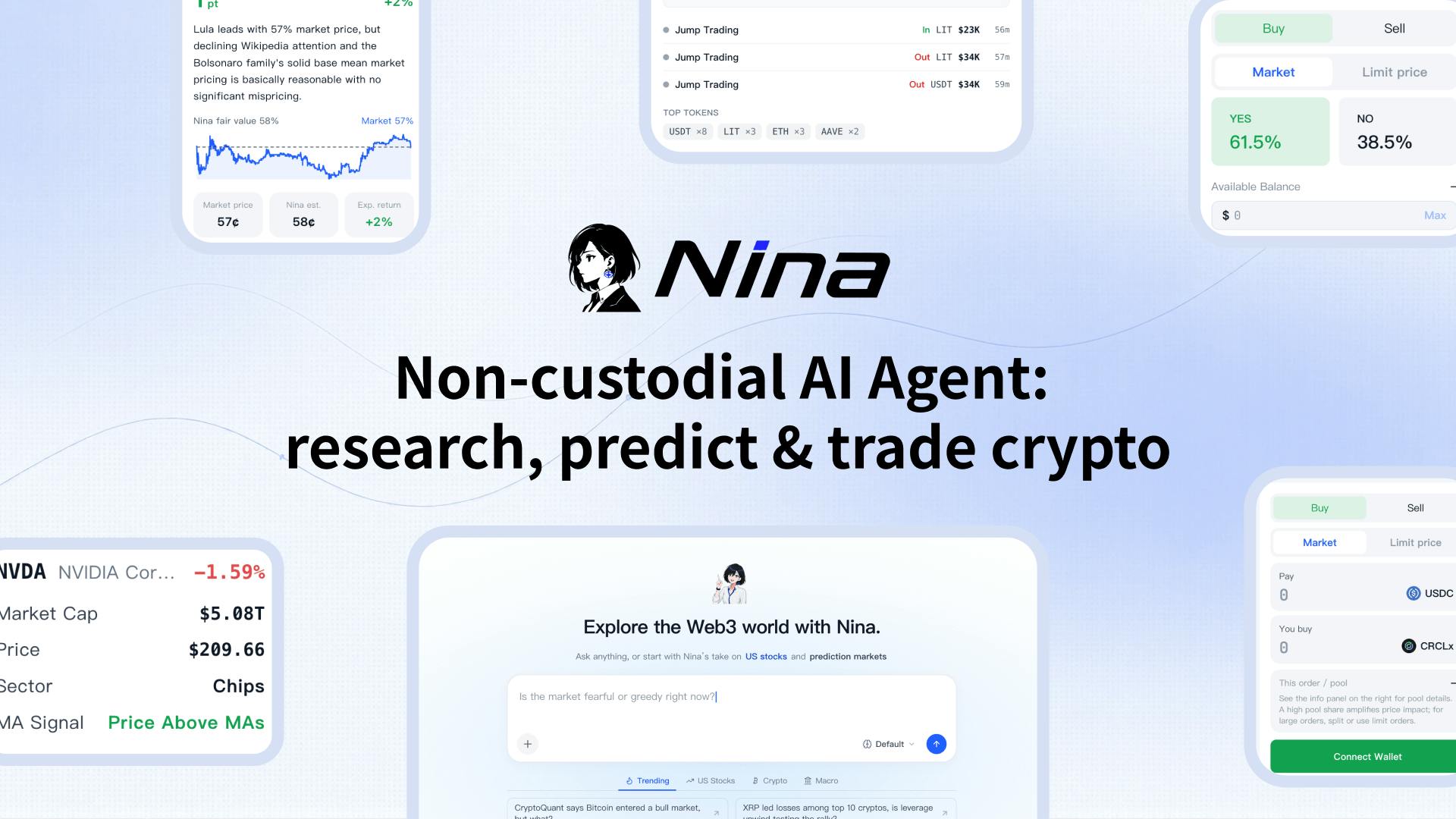
Nina: A Non-Custodial AI Trading Assistant with Institutional-Grade Data for Crypto and U.S. Stock Investing
Antalpha launches Nina, a non-custodial AI trading assistant with institutional-grade real-time data for crypto and U.S. stock analysis, Smart Money tracking, and secure trade execution.

Parkicious: Get Your Car Serviced While It's Parked — What Makes This Smart Parking App Different
Parkicious is a smart parking app for discovering and reserving spots, with optional car care services. Learn about its features, differentiators, and two-sided market challenges.
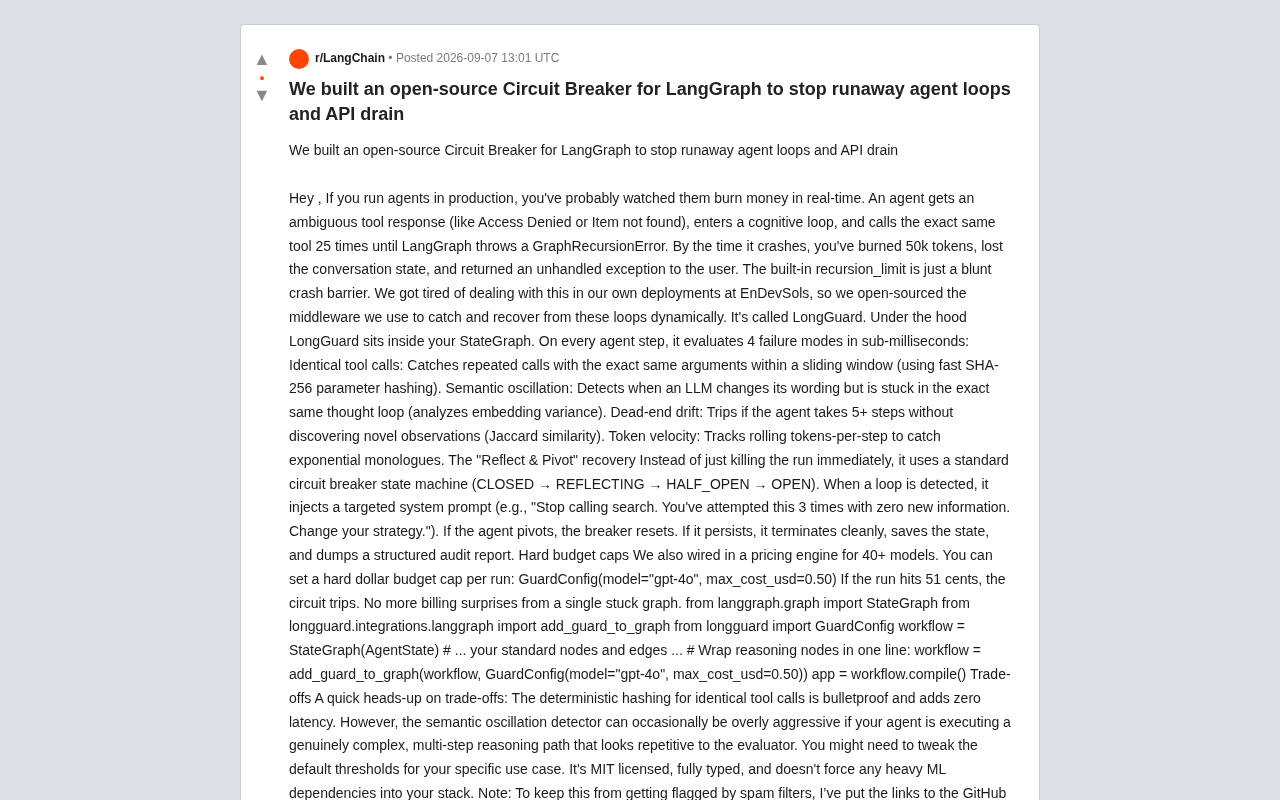
LongGuard: A Circuit Breaker for LangGraph to End Agent Runaway Loops
LongGuard is an open-source circuit breaker middleware designed for LangGraph, detecting four runaway patterns in real-time with reflect-pivot recovery and hard cost budgets to stop AI Agents from infinite loops and billing disasters.