smart #2 Returns: Why Does This Two-Door, Two-Seat City Car Capture Enthusiasts' Hearts?

Bilibili creator tests the smart #2: unique advantages in urban commuting, parking, and emotional value.
Based on a Bilibili creator's firsthand test, this article covers the smart #2 two-door, two-seat micro EV: 10-second parking thanks to a hoodless design and short turning radius, Mercedes design with Geely technology, a 1.13-ton chassis with front MacPherson and rear five-link suspension and RWD, 8.7 kWh/100 km consumption, 410 km range, and composed urban village driving. The 113,000 yuan launch edition is deemed worthwhile for quality-of-life buyers, with a multi-source view on the micro EV market debate.
In the wave of electrification, two-door, two-seat small cars seem increasingly marginalized, but the return of the smart #2 has excited many car enthusiasts. A Bilibili creator shares his firsthand experience to show that the emotional value and urban commuting convenience this little car brings may far exceed your expectations.
Parking and Turning: The Natural Advantage of Small Cars in the City
The creator admits that spending 113,000 yuan (described in the video as the launch edition price) on a two-door, two-seat model makes many people think he's "crazy," but what he values is the brand identity conveyed by the smart and Mercedes-Benz badges. More importantly, in the old districts of Guangzhou, narrow alleys and parking lots are unfriendly to large vehicles, while the smart #2's size makes parking exceptionally easy.
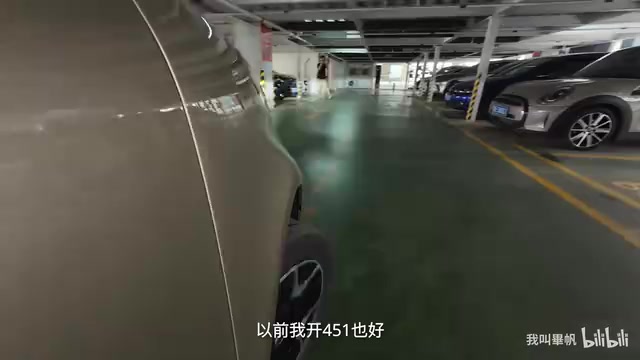
"The entire front end is chopped off, so the turning angle into corners is very tight—the turning radius is incredibly comfortable." While demonstrating parking, the creator emphasizes that the absence of a traditional hood lets the nose slip into a space with just one turn, and combined with the extremely short turning radius, parking takes only 10 seconds. He had previously driven a smart 451 and a MILI, and neither offered this kind of experience.
Brand and Technology: Mercedes Design + Geely Technology
The smart brand is a collaboration between Geely Group and Mercedes-Benz, and the #2 combines Mercedes design with Geely technology. The creator believes this combination ensures both aesthetics and electronic control. Whether heading to an urban village for a bowl of noodles or to the CBD for a steak, driving this car never feels out of place—instead, it conveys an attitude of living with taste.
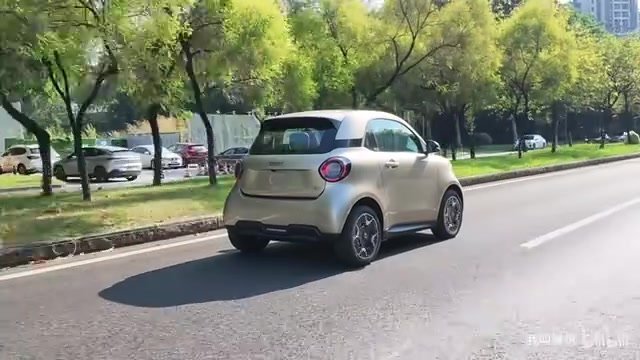
The interior ambiance and exterior design are also important sources of emotional value. The creator says driving it doesn't earn him mockery as a "old-man's mobility scooter" despite being a two-door, two-seater—instead, it makes him happy.
The change in smart's ownership structure is key background for understanding the #2's product logic. smart was originally a microcar brand under Daimler (Mercedes-Benz's parent company), known for the fortwo (the 451 and other codenamed models mentioned above). In 2019, Daimler and Geely Holding Group signed an agreement to establish the joint venture smart Automobile Co., Ltd., each holding 50%, headquartered in Ningbo. Since then, the smart brand has completed its transition to pure electric, with Mercedes leading styling design and Geely responsible for engineering development and platform technology. The #1 and #3 are both built on Geely's SEA architecture, while the #2 targets the smaller two-door, two-seat segment. This "Mercedes design + Geely technology" division preserves smart's brand character while leveraging Geely's capabilities in electric platforms, powertrain systems, and cost control—an important prerequisite for understanding its pricing and positioning.
Driving Quality: Resilient Chassis, Adequate Acceleration
The smart #2's chassis has been newly developed, with a curb weight of just 1.13 tons, front MacPherson and rear five-link suspension, and a rear-wheel-drive layout. After testing it on a spiral ramp before a highway, the creator found that the short wheelbase gives the car direct response in corners—"it turns exactly as much as you ask"—and the chassis resilience feels similar to the #1, with a premium and comfortable quality.
In terms of power, acceleration from 1–80 km/h is "adequate and eager," with no strain when cutting in or accelerating in city traffic. Energy consumption is even more surprising: on his first drive, the creator saw consumption of only 8.7 per 100 km (should be kWh), and he initially thought it was fuel consumption, exclaiming "that low!" A 30-something kWh battery delivers 410 km of pure electric range—more than enough for daily commuting.
The suspension setup mentioned here deserves a brief explanation. Front MacPherson is a simple, space-efficient independent suspension widely used on the front axle of compact cars; rear five-link is a type of multi-link independent suspension that precisely controls wheel movement through five links, achieving a good balance between comfort and handling, typically found in mid-to-high-end models. For a microcar with a very short length and limited wheelbase, packaging a rear five-link is more difficult and costly than the common torsion-beam non-independent suspension—this is the technical basis for the article's emphasis on "chassis resilience" and "premium quality." Combined with the rear-wheel-drive layout, the car's front-rear weight distribution and drive-wheel grip in corners are closer to a sporty setup, and the short wheelbase further amplifies the directness of steering response.
Navigating Urban Villages: A Composed Experience
Guangzhou's urban village roads are narrow, with trucks, e-bikes, and passing situations common. The creator feels immense psychological pressure driving his own large car in, but driving the smart #2 makes him feel "the road has gotten bigger." The hoodless design makes it easier to clear obstacles ahead and gives more confidence when passing oncoming vehicles.

"This is the first time I've driven through this village so fast and so calmly." After buying coffee, the creator opens the split tailgate to sit down and enjoys the mobile Bluetooth speaker experience provided by the vehicle-to-load function—air conditioning blowing, music playing, emotional value maxed out.
Hidden Features and Value Summary
The smart #2 also features an external music playback function, essentially a mobile Bluetooth speaker, ideal for outdoor breaks. The creator believes the car's agility, sufficient range, Mercedes-designed quality, and the electronic control and safety that Geely provides are already close to perfect.
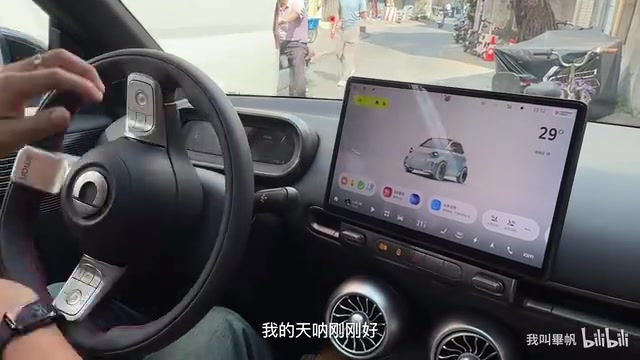
For him personally, the launch edition price of 113,000 yuan is worth it. This little car not only solves urban commuting pain points but also offers a refined, composed lifestyle.
Multi-Source Perspective: The Big Market for Small Cars
According to the Bilibili creator and some automotive media analyses, two-door, two-seat micro EVs still have unique demand in cities: easy parking, agile turning, and low running costs. Although space is limited, the advantages are obvious for solo or two-person commuting and short trips. Some argue these models are overpriced and less cost-effective than ordinary compact cars, but supporters emphasize that brand premium and emotional value cannot be measured by size.
Overall, the return of the smart #2 offers a distinctly individual choice for urban mobility, especially suited to consumers who value quality of life and driving pleasure.
One-line Summary
Bilibili creator tests the smart #2: the unique advantages of a small car in urban commuting, parking, and emotional value.
Paragraph Summary
Based on a Bilibili creator's firsthand experience, the article introduces the smart #2 two-door, two-seat micro EV. It covers parking convenience, brand and technology, driving quality, and navigating urban villages: an extremely short turning radius and hoodless design allow 10-second parking; Mercedes design plus Geely technology balances aesthetics and electronics; a 1.13-ton curb weight, front MacPherson and rear five-link suspension, and rear-wheel drive deliver premium chassis resilience; energy consumption is about 8.7 kWh per 100 km, with a 30-something kWh battery providing 410 km of range. Narrow urban village roads are navigated with ease, and the split tailgate and vehicle-to-load expand usage scenarios. The article argues the 113,000 yuan launch edition price is worthwhile for users who value quality of life, and adds a multi-source perspective on the market controversy surrounding micro EVs.
Related articles
The AI Agent Era: Building a New Product Paradigm with Evals
AI Agents are becoming the next users of products. This article explains how to use Evals to observe Agent usage behavior, test changes before launch, and compare new model performance, helping product teams establish a development methodology for the Agent era.

Microsoft Global Email Outage Leads to Chlorine Leak at German Hotel, Injuring 15
A Microsoft 365 and Outlook global outage prevented a chlorine safety alert from reaching a German Phantasialand hotel, injuring 15 guests and exposing the fragility of cloud-dependent safety systems.
iPhone Duo to Support Face Unlock Using Only the Front Camera
Apple is developing front-camera-only face unlock for the iPhone Duo, now testing in the iOS 27.3 beta. We analyze the technical approach, user experience, and security trade-offs.