Spotify's New Feature: Parents Can Now Exclude Kids' Music from Wrapped
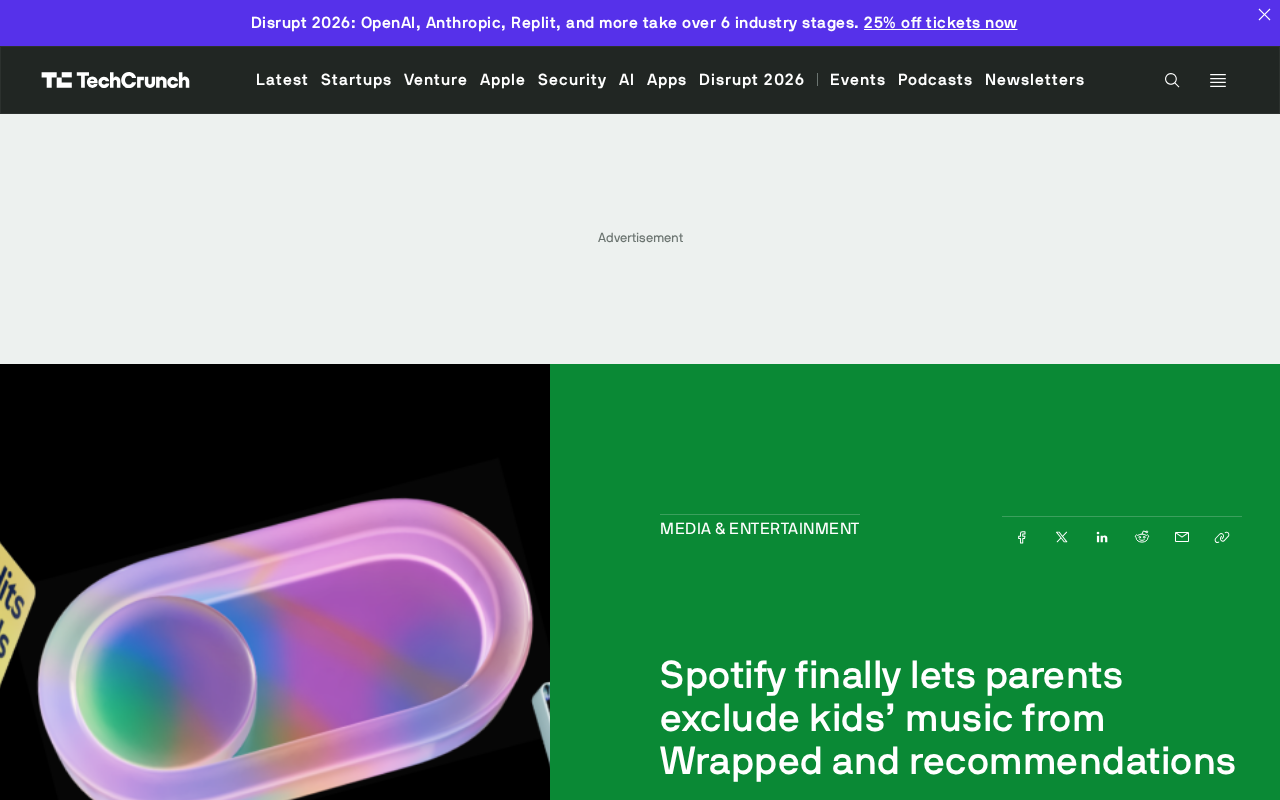
Spotify lets parents exclude kids' music from Wrapped and personalized recommendations.
Spotify has rolled out a new feature for parents: users can now manually exclude their children's listening history from both the Wrapped annual recap and personalized recommendations. The update directly addresses a pain point for families sharing accounts — repeated playback of kids' songs distorts adult users' preference models, throws off features like Discover Weekly, and fills the socially significant Wrapped summary with content unrelated to the user's own taste. The change reflects a broader trend among mature streaming platforms: moving from feature expansion toward detail-level refinements and returning control to users to compensate for the limits of automated algorithmic detection.
Parents' Long-Standing Pain Point Finally Addressed
For parents who share their Spotify account with their children, an enduring frustration has finally found a fix. Previously, the nursery rhymes and cartoon theme songs played on repeat by kids would pollute the entire account's listening data, showing up directly in personalized recommendations and the much-anticipated annual recap, Spotify Wrapped. According to Spotify, the platform now allows parents to exclude their children's music from Wrapped and other personalized playlists.
This seemingly small adjustment actually touches on a core challenge in streaming recommendation systems: when an account is shared by multiple people, how does the algorithm understand "who is listening to what?"
Why This Feature Matters
Spotify Wrapped has long since evolved beyond a simple data recap — it's become a social phenomenon. Each year-end, users rush to share their musical taste summaries on social media. But for parents, seeing their annual music chart dominated by children's songs strips away any personal meaning and can make sharing feel awkward.
The more practical issue lies in the everyday experience. Personalized recommendations are one of Spotify's core competitive advantages, with features like "Daily Mix" and "Discover Weekly" relying on accurate modeling of each user's listening habits. When children's content gets mixed into the data, adult users continuously receive recommendations that don't match their tastes, undermining the product's core value.
Since its launch in 2015, Spotify Wrapped has evolved into a complete annual marketing ecosystem. It aggregates users' total listening time, most-played artists and tracks, and genre distribution throughout the year, presenting everything in shareable visual cards. Because these cards are so easy to screenshot and share, Wrapped triggers massive organic social media buzz every December, making it one of Spotify's most recognizable brand assets. For this reason, the "purity" of Wrapped data holds real social value for users — it represents a kind of personal musical identity. Once diluted by content unrelated to one's actual tastes, that sense of identity is compromised.
The Algorithmic Challenge Behind Shared Accounts
Data contamination from family-shared accounts has always been a real-world problem for music streaming services. While Spotify offers a dedicated Spotify Kids app and sub-accounts under family plans, many households still default to using one primary account for music playback — especially on living room speakers and in-car systems.
Allowing manual exclusion of specific content is a pragmatic supplement to the limitations of automatic algorithmic detection. It's genuinely difficult for a system to automatically determine which plays reflect the user's true personal preferences versus temporary "keep the kids entertained" sessions. Returning control to the user is a more reliable approach.
Spotify's personalized recommendation system relies on multiple technologies including collaborative filtering and natural language processing. By analyzing playback history, skip behavior, playlist-building habits, and comparisons with similar users, it continuously builds a listening preference model for each account. The underlying assumption of this model is "one account, one user." When a single account mixes listening behavior from vastly different age groups, the model cannot identify the source of each signal and weights all data equally — causing recommendations to drift toward a vague middle ground between two tastes that serves neither user well. This is precisely why relying purely on algorithmic self-correction yields limited results, while user-initiated tagging is the more direct and effective solution.
What This Means for the User Experience
Fine-grained, user-centric features like this often do more for day-to-day satisfaction than sweeping product overhauls. It reflects a broader trend among streaming platforms in their mature phase: shifting from chasing feature expansion toward refining details and addressing long-neglected experience gaps.
For Spotify, which relies on Wrapped as both an annual marketing engine and a user retention tool, ensuring that this yearly recap more accurately reflects each user's genuine tastes is itself an act of preserving the value of this flagship feature.
Takeaway
While detailed information remains limited, this update demonstrates the platform's responsiveness to the personalization pain points that arise in shared-account household scenarios. For parents whose recommendation feeds have long been "contaminated" by children's music, this is a welcome — if overdue — improvement.
Related articles

tiun.: An All-in-One Auth and Payments System Built for AI Developers
tiun. topped Product Hunt by giving AI developers auth, payments, billing, customer data, and analytics in one system — installable with a single command.

Axari: Let Your AI Twin Take Over the Mundane Work of Security Operations
Axari introduces an AI twin for SecOps teams, autonomously handling alerts, compliance checks, and repetitive tasks directly within Slack and Microsoft Teams.
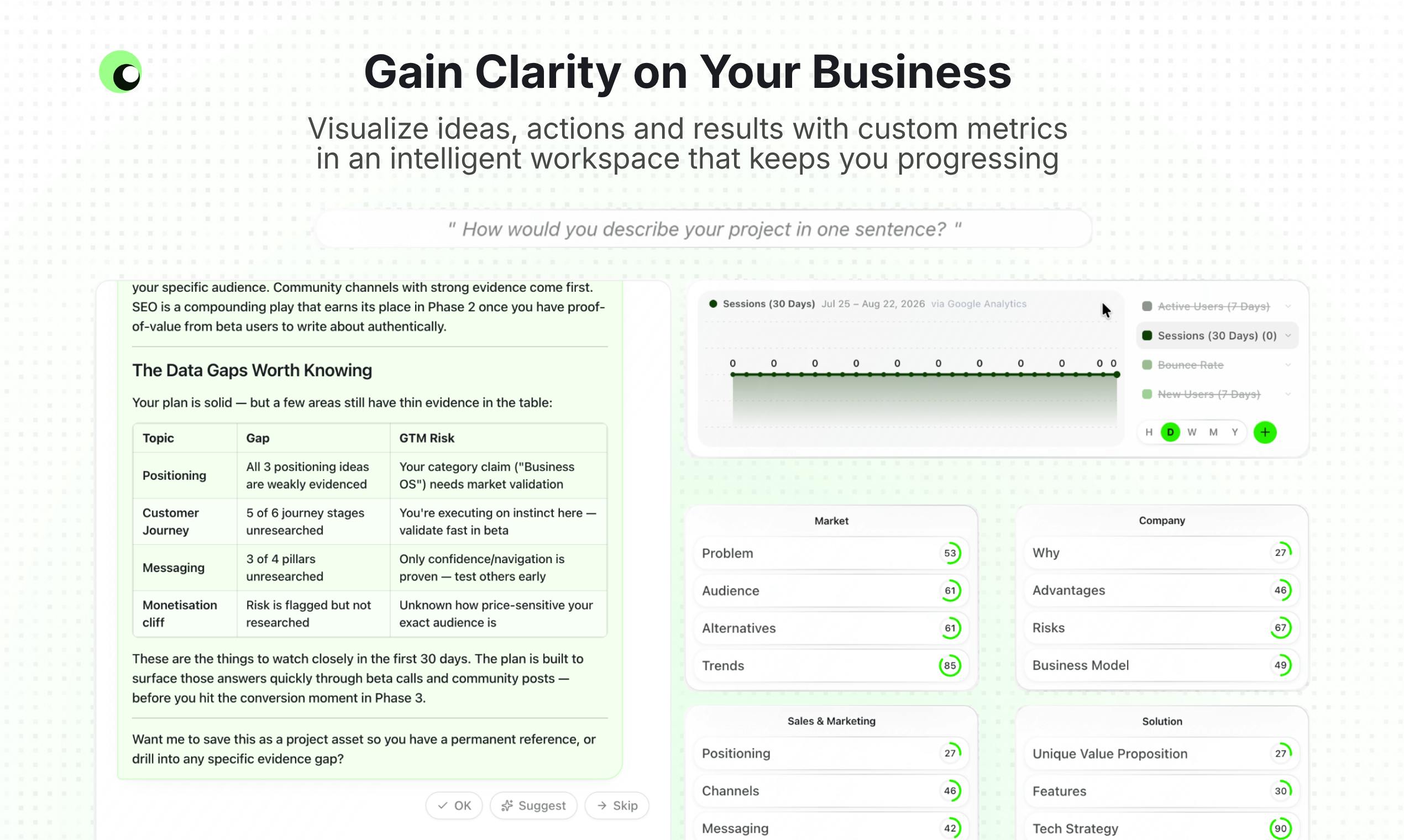
siift: Turning AI Startup Noise into Actionable Business Decisions
siift is an AI startup decision tool that turns scattered AI conversations and advice into a living business map — covering validation, GTM, and growth.