StarCraft Returns: Blizzard Reboots the Franchise as an Open-World Shooter
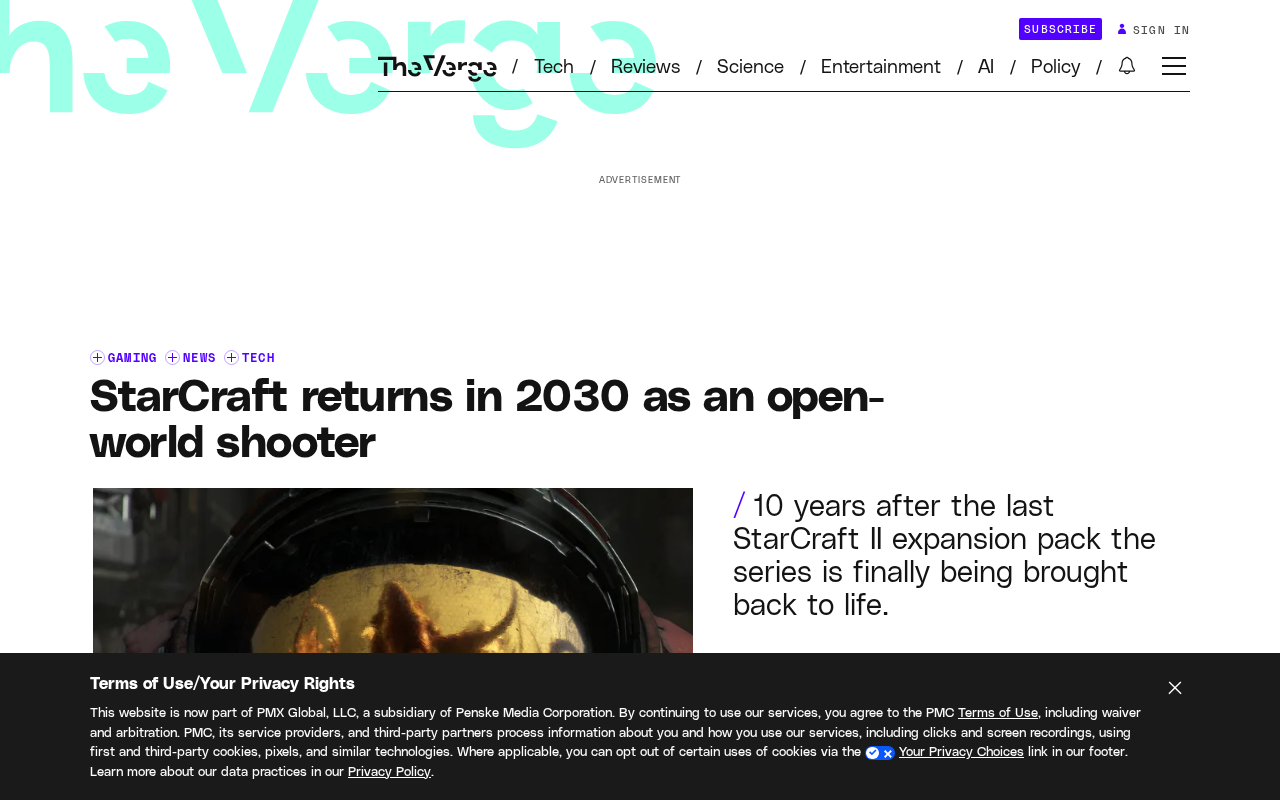
Blizzard revives StarCraft as an open-world shooter, two decades after the ill-fated Ghost was cancelled.
Blizzard is bringing the classic StarCraft universe back as an open-world shooter simply titled StarCraft, led by Far Cry veteran Dan Hay. It's not the company's first attempt — StarCraft: Ghost was announced in 2002 but spent over a decade in development hell before being officially cancelled in 2014. This reboot is both a response to that unfinished chapter and a fresh bet on StarCraft's deep IP value in today's narrative-driven market. Still, making the leap from RTS to open-world shooter is a formidable challenge, and whether Blizzard can avoid repeating history remains the biggest question.
Blizzard Takes Another Shot at a StarCraft Shooter
Blizzard is bringing the classic StarCraft universe back in a brand-new form: an open-world shooter. This isn't the first time the company has tried to translate its iconic real-time strategy (RTS) IP into a third-person or first-person shooting experience — Blizzard made a similar attempt years ago with StarCraft: Ghost.
The new project, currently carrying the straightforward title StarCraft, signals that Blizzard has reignited its ambition to transform this legendary sci-fi universe into an action-shooter experience.
From StarCraft: Ghost to Today — A Long and Winding Road
Blizzard first attempted to bring the StarCraft universe into 3D shooter territory as far back as 2002 with StarCraft: Ghost. The project became infamous for languishing in what the industry calls "development hell" for years on end.
It wasn't until 2014 that then-Blizzard president Mike Morhaime officially confirmed the project had been cancelled — bringing a disappointing end to what had become one of the most well-known unreleased games in Blizzard's history.
Now, Blizzard is choosing to revive that vision, with creative leads including Dan Hay at the helm — a clear signal that the company sees untapped potential in the StarCraft IP within the shooter genre.
"Development hell" is a common phenomenon in both the games and film industries, referring to a project that stalls indefinitely due to technical bottlenecks, team instability, repeated pivots in direction, or funding issues. StarCraft: Ghost stands as one of gaming's most textbook examples: originally developed by Nihilistic Software, then handed off to Swingin' Ape Studios, it changed hands and directions multiple times — shifting from a stealth-shooter to a more action-oriented experience — and appeared at major expos like E3 with playable demos, yet never shipped. This experience prompted deep internal reflection at Blizzard around external licensing arrangements and project management, and cemented Ghost as an enduring piece of fan culture.
Open-World Shooter: A Bold Genre Leap
Transforming a universe renowned for grand campaigns and competitive multiplayer into an open-world shooter is no small genre pivot. The original StarCraft built an expansive sci-fi narrative around the conflict between three races — Terran, Protoss, and Zerg — providing a rich foundation for open-world exploration and shooting gameplay.
An open-world setting suggests players may get a far more immersive experience of the StarCraft universe, rather than the traditional top-down command perspective of an RTS. This shift represents both a modern reimagining of a classic IP and a genuine test of Blizzard's development capabilities — especially given the painful lessons of the past.
Dan Hay spent years leading development on Ubisoft's Far Cry series, making him a veteran producer in the open-world FPS/TPS space. Far Cry is known for its large sandbox maps, faction-driven narratives, and the freedom it gives players in combat. That background suggests the new StarCraft may draw on similar design language when it comes to world-building and player-driven exploration. Bringing the StarCraft universe — with its three distinct races and complex political ecosystem — to life as an open world that players can freely roam will present enormous challenges in both narrative density and level design. Hay's track record may well be the key reason Blizzard chose to go in this direction.
What This Means for Blizzard and Players
For Blizzard, rebooting a StarCraft shooter is both a renewed bet on one of its most beloved IPs and a chance to right a historical wrong. In a market where players increasingly hunger for strong narratives and rich world-building, the StarCraft universe — with its deep and devoted fanbase — is naturally positioned for this kind of reinvention.
That said, the decade-plus struggle of StarCraft: Ghost is a sobering reminder that successfully converting a beloved RTS into a shooter is anything but easy. While fans are excited, many will understandably temper their expectations until the project proves it can actually ship. Avoiding the same fate as Ghost may be the new title's greatest challenge of all.
Related articles

Altman: Taking OpenAI Public This Year Would Be 'Ill-Advised'
OpenAI CEO Sam Altman says going public this year would be 'ill-advised,' even as the company has confidentially filed IPO paperwork. Here's what it means for AI.
An Open Letter to Dario: If AI Safety Is Real, Open the Model Weights
Developer Jacob's open letter to Anthropic CEO Dario Amodei went viral on Hacker News, challenging the contradiction between AI safety rhetoric and closed-source models: if safety truly matters, why not open the weights?
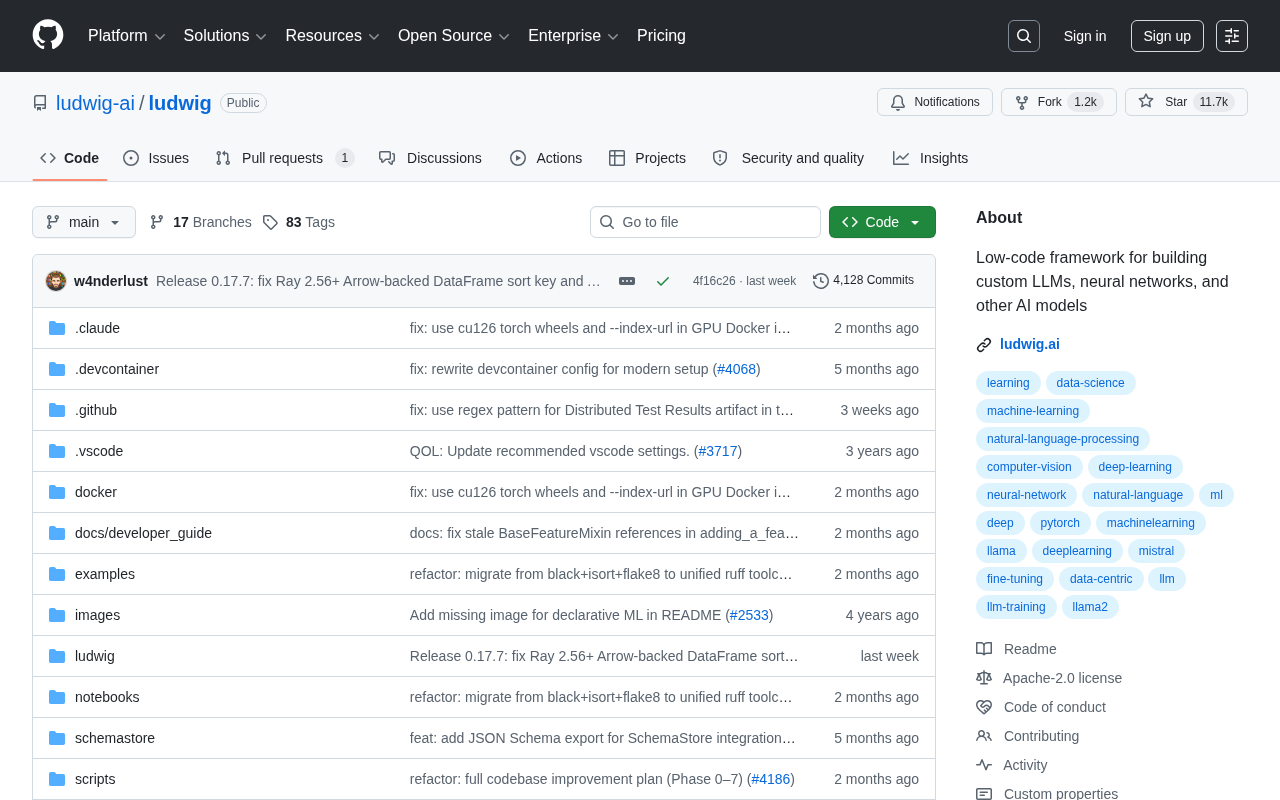
Ludwig: Building Custom LLMs and Neural Networks with Declarative Low-Code Configuration
Ludwig is an open-source low-code ML framework that builds custom LLMs and neural networks via declarative YAML config — no boilerplate training code required.