Stargate Lands in Abilene: How a Data Center Boosted a Small City's Tax Revenue by 37%

OpenAI's Stargate project in Abilene drives a 37% sales tax surge, reshaping the city's fiscal foundation.
OpenAI's Stargate mega data center project, jointly launched with SoftBank and Oracle, has brought transformative economic change to Abilene, Texas—a city of 130,000. Sales tax revenue surged 37% year-over-year, and future property tax contributions are expected to equal one-third of the city's entire current tax base. Through construction, power upgrades, and support services, the project drives a complete local supply chain, shattering the stereotype of data centers as "unmanned factories" and proving AI infrastructure investment can tangibly benefit local economies.
A Single Data Center Reshapes a City's Fiscal Foundation
OpenAI's Stargate project is one of the largest AI infrastructure investments in American history. Jointly launched by tech giants including OpenAI, SoftBank, and Oracle, with a total investment of up to $500 billion, the project was officially announced at the White House by the Trump administration in early 2025. It's positioned as a strategic infrastructure initiative to maintain America's leading position in the global AI race. But its impact extends far beyond providing computing power for ChatGPT—this mega data center is fundamentally reshaping the economic landscape of its host community.

According to the latest data disclosed by OpenAI, since the Stargate project landed in Abilene, Texas—a city with a population of fewer than 130,000—multiple economic indicators have shown astonishing growth. As one of the first cities to host the project, Abilene received approximately $100 billion in initial-phase investment, with the campus expected to exceed several million square feet. This provides empirical evidence for a core question: Can AI infrastructure investment actually benefit local economies?
Abilene's Economic Data: Growth Beyond Expectations
Sales Tax Revenue Surges 37% Year-over-Year
The most eye-catching figure: Abilene's sales tax revenue grew 37% year-over-year.
Understanding the significance of this number requires some context. Sales tax is one of the core revenue sources for U.S. local governments, typically accounting for 30%-50% of municipal tax revenue. Unlike income tax, sales tax is highly sensitive to consumer behavior and serves as a real-time indicator of regional economic activity. The average natural growth rate for U.S. city sales tax is typically 3%-5% annually, and rarely exceeds 10% even during economic booms. The 37% increase brought by Stargate is more than 7 times the normal level—virtually unprecedented for a small to mid-sized American city.
Meanwhile, hotel tax revenue has also been climbing steadily. A massive influx of construction workers, technical engineers, and business visitors has directly driven demand for lodging, dining, and retail consumption.
Even more noteworthy is the long-term impact—the property taxes Stargate will pay in the future are expected to equal one-third of Abilene's entire current tax base.
In the United States, owners of commercial real estate and industrial facilities pay annual property taxes to local governments based on assessed value, which serves as the primary funding source for school districts, municipal services, and infrastructure maintenance. A mega data center campus worth tens of billions of dollars could contribute hundreds of millions of dollars in annual property taxes. When Stargate's property tax contribution equals one-third of Abilene's existing tax base, it means the city can expand public service spending by approximately 33% without raising tax rates. In other words, this single project will expand the city's entire fiscal foundation by about 33%. For a small city of only 130,000 people, this represents a generational fiscal leap that could transform public services, infrastructure development, and education investment.
Data Centers Are Not "Unmanned Factories"—They're Economic Engines
Data centers have long been labeled as "unmanned factories"—highly automated with limited job creation. The conventional view holds that a typical data center may only have 50-200 direct operations staff, severely disproportionate to investments often reaching tens of billions of dollars. But this assessment overlooks two critical dimensions: first, the labor demand during construction—mega-scale data center civil engineering, mechanical and electrical work, and network installation often require thousands of workers operating continuously for years; second, the indirect employment multiplier effect—economic research shows that every direct job created in infrastructure can generate 2-4 indirect jobs in local services.
Stargate's experience in Abilene is shattering this stereotype. The construction and operation of large-scale AI infrastructure drives a complete local supply chain:
- Construction: Civil engineering and facility building create massive labor demand
- Power infrastructure upgrades: Substation expansion and transmission line modifications
- Cooling systems and equipment maintenance: Long-term operations and maintenance positions
- Support services: Security, food service, lodging, and logistics
Behind the 37% sales tax growth is real economic activity—procurement of building materials, workers' daily spending, equipment transportation logistics—every link creating income for local businesses and residents.
The Deeper Logic Behind AI Infrastructure Site Selection
Why Abilene? The Win-Win Model of Tech Projects "Going Rural"
The site selection logic behind the Stargate project deserves close examination. Abilene isn't a tech hub like Silicon Valley, but it happens to possess several conditions that large-scale data centers need most:
- Abundant land resources: Capacity to accommodate a mega-scale campus
- Relatively low electricity costs: The price advantage of the Texas power market
- Proactive local government cooperation: Tax incentives and permitting efficiency
Texas operates the only independent power market in the U.S.—ERCOT (Electric Reliability Council of Texas)—relatively isolated from the national grid. This unique structure has kept Texas electricity prices consistently below the national average, and the state leads the nation in renewable energy (especially wind and solar) installed capacity. For data centers, electricity costs typically account for 40%-60% of total operating costs, so choosing Texas means saving billions of dollars in electricity expenses over decades of operation. The West Texas region where Abilene is located has particularly abundant wind resources, which aligns closely with OpenAI's clean energy commitments, achieving dual optimization of economics and ESG goals.
This model of "tech projects going rural" opens an entirely new development pathway for small and mid-sized American cities.
For OpenAI, choosing Abilene not only lowers operating costs but also wins community support through significant economic contributions. At a time when data center projects frequently encounter NIMBY ("Not In My Backyard") opposition, cultivating community relationships carries important strategic value.
Related articles
Meta Muse Hits 900K Downloads in Six D…
Meta Muse Hits 900K Downloads in Six Days: The AI Agent Era Has Officially Arrived
Meta's AI agent Muse hit 902K downloads in 6 days, topping US App Store and Google Play charts above ChatGPT and Claude. A deep dive into Muse's capabilities and the AI Agent race.
 Industry Insights
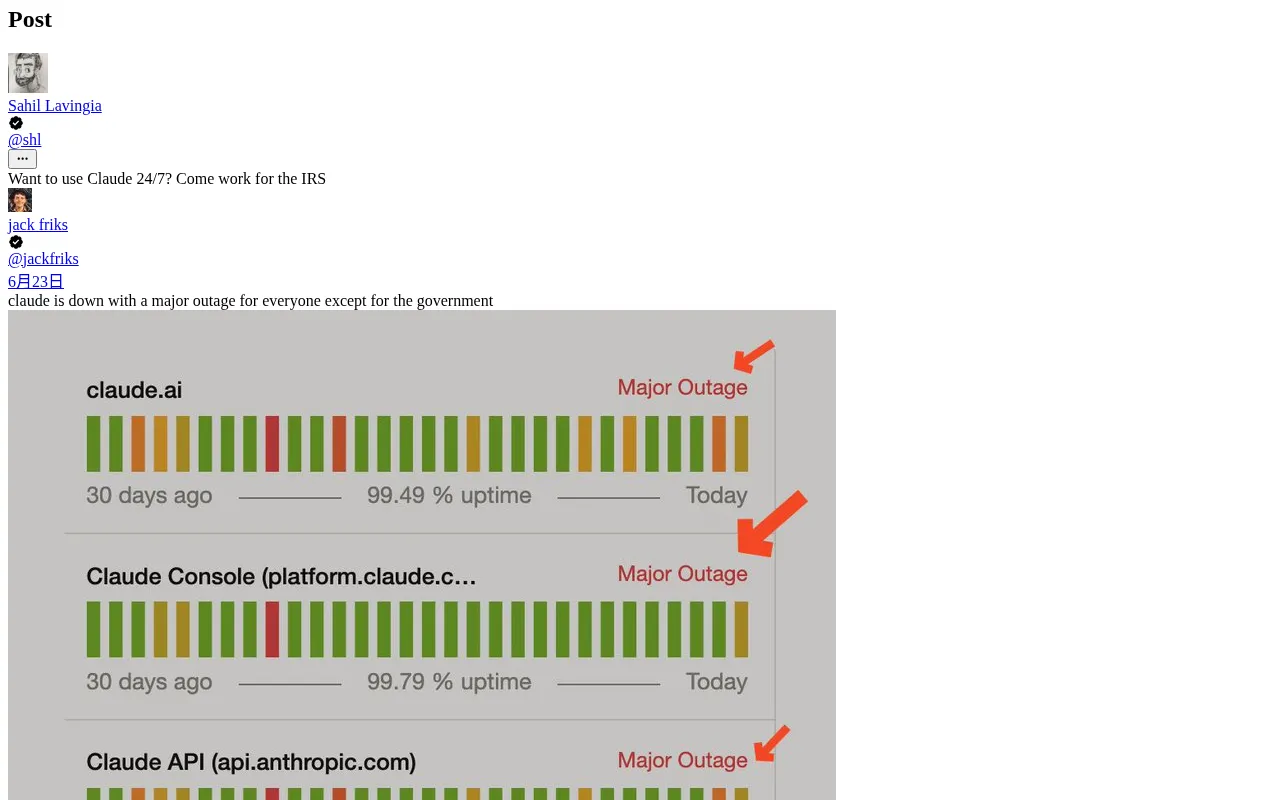
IRS Fully Embraces Claude AI, Accelerating Federal Government's AI Adoption
The IRS is recruiting staff with 24/7 Claude AI access, marking Anthropic's breakthrough into the federal government. Explore the strategic implications and tax use cases.
 Industry Insights
The IRS Mobile App Debate: A Trust Crisis in Government Digital Transformation
The IRS's proposed mobile app has sparked heated debate. This article analyzes the core arguments, exploring data security, privacy, and the trust crisis in government digital transformation.