SwitchBot Button Robot Mother's Day Sale at $26.99: The Lowest-Cost Entry Into Smart Home

SwitchBot's rechargeable button robot achieves low-cost device automation for just $27
The SwitchBot Bot Rechargeable is a miniature mechanical arm that smartifies traditional devices through physical pressing, now on sale at $26.99 for Mother's Day. Using BLE Bluetooth communication and a rechargeable lithium battery, it requires no device replacement or electrical rewiring. It represents the "gradual smart-ification" market trend, and when paired with a Hub enables remote control and voice assistant integration — making it the lowest-barrier entry point into smart home technology.
SwitchBot Bot Rechargeable: The Lowest-Cost Entry Into Smart Home
In the smart home space, attention tends to focus on the "big-ticket" items — smart speakers, robot vacuums, smart locks. But there's a category of small, unassuming products that can solve real daily pain points at remarkably low prices — and the SwitchBot Bot Rechargeable is a prime example.
SwitchBot was founded in 2016 by Wonderlabs, a company based in Shenzhen, China. It initially launched through Kickstarter crowdfunding, with a core philosophy of achieving home automation with the least invasive approach possible. Kickstarter, the world's largest creative crowdfunding platform, has helped fund over 250,000 projects since its launch in 2009. For smart home hardware startups, crowdfunding serves not just as a financing channel but as a critical means of market validation — whether a project hits its funding goal directly reflects consumer acceptance of the product concept. Well-known hardware brands like Pebble smartwatches and Anker's early product lines all cold-started through crowdfunding. SwitchBot's choice of this path is also inseparable from Shenzhen's geographic advantage as the global hardware supply chain hub — from prototype design to small-batch production, Shenzhen's Huaqiangbei ecosystem and the surrounding manufacturing clusters in Dongguan and Huizhou provide full-chain support from PCB prototyping to injection mold tooling, enabling startup teams to leap from concept to mass production at minimal cost.
Unlike giants such as Xiaomi, Apple HomeKit, and Samsung SmartThings that build closed or semi-closed ecosystems, SwitchBot takes a "compatible with everything" approach — it doesn't require users to purchase specific brands of appliances, instead achieving automation through physical mechanical manipulation. This strategy stands in stark contrast to the ecosystem strategies of industry giants. Apple HomeKit uses a strict MFi certification system where all connected devices must use Apple-certified chips and encryption protocols — security is high, but so is the barrier to ecosystem entry. Xiaomi's Mi Home ecosystem builds a massive device network centered on the Mi Home App by investing in and incubating numerous ecosystem chain companies (such as Yeelight, Aqara, Roborock, etc.), offering great inter-device linkage but limited openness to third-party brands. Samsung SmartThings takes a middle path, supporting multiple protocols including Zigbee, Z-Wave, and Wi-Fi — compatibility is strong but system complexity is higher. SwitchBot's unique value lies in completely bypassing protocol compatibility issues — through physical mechanical control, it can operate devices of any brand and any era. This "protocol-agnostic" design philosophy makes it a universal bridge across ecosystems.
To date, SwitchBot's product line has expanded to include smart curtain motors, smart locks, temperature and humidity sensors, universal remote controls, and more, forming a lightweight smart home ecosystem centered around the Hub. On Amazon's U.S. storefront, SwitchBot consistently ranks among the bestsellers in smart home categories, enjoying particularly high reputation among renters and entry-level smart home consumers.
Taking advantage of the Mother's Day promotion, SwitchBot has dropped the price of this button robot from approximately $34 to $26.99 (roughly ¥195 RMB), a discount of over 20%. Users can purchase directly through Amazon or use the promo code "FORHER20" on the SwitchBot official website for an equivalent discount. The promotion runs through May 10.
What Is a Button Robot? What Problems Does It Solve?
Bridging the Gap Between Smart and Traditional Devices Through Physical Means
The principle behind the SwitchBot Bot is deceptively simple: it's a miniature mechanical arm that adheres next to a physical button or switch. It connects to your phone via Bluetooth, or pairs with a SwitchBot Hub (smart hub) to enable remote control, scheduled triggers, and voice control.
From a technical standpoint, the SwitchBot Bot communicates using BLE (Bluetooth Low Energy) protocol. BLE was introduced with the Bluetooth 4.0 standard as a communication method specifically designed for IoT devices, featuring extremely low power consumption — ideal for small devices that need long standby times. Since its release in 2010, BLE has undergone several major upgrades: Bluetooth 5.0 increased transmission rates to 2Mbps with a theoretical communication range of up to 300 meters (in open environments); Bluetooth 5.3 introduced features like Connection Subrating to further optimize power performance. In smart home scenarios, BLE's advantage lies in its extremely low power consumption (peak power typically 10-15mA) and the fact that it doesn't need to maintain a persistent network connection like Wi-Fi devices, making it ideal for battery-powered sensors and actuators.
However, BLE has limited communication range (typically around 10 meters) and cannot directly access the internet — it's a point-to-point communication protocol that lacks native IP network support and cannot be directly addressed by the internet. This is why SwitchBot developed its Hub product line — the Hub acts as a bridge between Bluetooth devices and your home Wi-Fi network, converting BLE signals to Wi-Fi signals uploaded to the cloud, enabling remote control. This "Bluetooth device + gateway" architecture is extremely common in the smart home industry — Xiaomi's Mi Home ecosystem and Philips Hue's lighting system both employ similar layered communication designs.
The core execution mechanism inside the SwitchBot Bot is a mechanical arm driven by a micro DC motor. These micro motors typically use a coreless motor design, where the rotor doesn't use a traditional iron core — instead, the coil is wound into a hollow cup shape. The advantages include low rotational inertia, fast response speed, and low starting current. The mechanical arm uses a gear reduction mechanism to convert the motor's high-speed, low-torque output into low-speed, high-torque output, generating sufficient pressing force. According to SwitchBot's official specs, the Bot's pressing force is approximately 1 kilogram-force (about 10 Newtons), sufficient for the vast majority of household switches and buttons. This design combining electronic control with precision mechanics requires a delicate balance in consumer products between cost, size, reliability, and noise — the mechanical arm needs to maintain consistent force and travel across tens of thousands of press cycles while keeping operating noise within acceptable levels.
In other words, you don't need to replace anything in your home. The start button on an old coffee maker, a traditional light switch on the wall, a fan button — anywhere that needs a "press" can be handed off to this device.
For renters or families who don't want to undertake major electrical rewiring, this is virtually the lowest-cost way to get started with smart home technology.
What Does the Rechargeable Version Improve Over the Original?
Earlier versions of the SwitchBot Bot used coin cell batteries, requiring manual replacement once depleted. The Rechargeable version uses a built-in rechargeable lithium battery, eliminating the hassle of frequent battery changes entirely.
There's clear engineering reasoning behind this improvement. The CR2 coin cell batteries used in earlier versions had the advantages of small size and low self-discharge rate, with theoretical standby times of several years. But in actual use, each press of the mechanical arm requires driving the micro motor — a burst of high current — significantly shortening battery life under frequent use scenarios. Switching to a rechargeable lithium battery adds some design complexity for the charging circuit and slightly more volume, but users can repeatedly charge via USB-C, making the long-term cost of use virtually zero.
This improvement also reflects a broader trend in consumer electronics. The EU Battery Regulation (2023/1542) is one of the most influential pieces of legislation in global battery regulation. It not only requires portable batteries to be replaceable or rechargeable by end users but also introduces forward-looking requirements such as carbon footprint declarations, minimum recycled material percentages, and Battery Passports. Specifically, from 2027 onwards, all portable batteries sold in the EU must meet removable design requirements; by 2031, cobalt recovery rates for lithium batteries must reach 95% and lithium recovery rates must reach 80%. SwitchBot's decision to transition from coin cells to rechargeable lithium batteries is both a user experience optimization and a proactive response to global regulatory trends. Notably, the SwitchBot Bot Rechargeable's USB-C charging port also complies with the EU's Common Charger Directive (2022/2380), which requires all small electronic devices to use USB-C from the end of 2024.
This improvement may seem minor, but if you've installed the device next to a switch in a high or hard-to-reach location, you'll appreciate how convenient direct charging can be.
Why Is It a Good Mother's Day Gift?
Automating Repetitive, Trivial Tasks
SwitchBot included this product in their Mother's Day recommendations for a practical reason: in many households, repetitive small tasks like flipping light switches, turning on humidifiers, or pressing kettle buttons often fall to mom. A device costing less than $27, combined with scheduling or remote control, can turn these chores into automated processes.
Zero Learning Curve, Works for Everyone
Compared to smart home devices costing hundreds of dollars, the SwitchBot Bot has a very low price barrier and requires absolutely no installation skills or electrical knowledge. The entire setup process takes just three steps: peel off the adhesive backing, stick it next to the switch, and pair it in the app.
For older family members who aren't familiar with complex smart home ecosystems, this "stick it on and it works" experience is what truly user-friendly design looks like.
Market Trend: Not Replacing Old Devices, But Adding Intelligence to Them
As the smart home market matures, the SwitchBot Bot represents a noteworthy direction: not replacement, but empowerment. It doesn't ask users to throw away their existing devices — instead, it adds a layer of smart control capability to traditional appliances at minimal intervention cost.
This "gradual smart-ification" approach has practical significance for bringing smart home technology into more ordinary households. The smart home market currently has two fundamentally different approaches. One is the "heavy model" targeting whole-home intelligence, represented by companies like Huawei Whole-Home Intelligence and Control4, which typically require wiring planning during the renovation stage with total investments ranging from tens of thousands to hundreds of thousands of yuan. The other is the "light model" that SwitchBot represents — gradually building up with individual products, expanding as needed.
According to Statista data, the global smart home market is projected to exceed $150 billion in 2024, but penetration rates vary enormously across markets: approximately 50% in the United States versus only about 15% globally on average. Multiple structural factors lie behind this gap. First, infrastructure differences: U.S. household Wi-Fi penetration exceeds 90%, and residential properties are predominantly single-family homes where owners have greater autonomy for home modifications. In many developing countries, incomplete network infrastructure, high rental rates, and inconsistent electrical standards all constrain smart home adoption. Second, consumption habit differences: American consumers are more receptive to subscription services and smart ecosystems, with Amazon Echo series installations exceeding 100 million units in the U.S., creating a powerful voice control entry point effect. Third, privacy and data security concerns: the European market, influenced by GDPR, sees consumers more sensitive to data collection by connected devices, which somewhat suppresses the adoption speed of smart home products requiring cloud services. McKinsey research also points out that the "fragmented experience" of smart home products — devices from different brands unable to work together smoothly — is a major reason why the post-purchase abandonment rate is as high as 40%.
The vast number of uncovered households is precisely the target market for low-barrier products like SwitchBot. Consumer research also shows that price and installation complexity are the two core obstacles hindering smart home adoption, and the SwitchBot Bot — at under $30 with zero installation barriers — precisely targets both pain points.
Especially in today's climate of rational consumption, rather than going all-in on whole-home smart renovation, more and more people prefer to spend small amounts to solve specific problems first.
Buying Advice and Considerations
If you're looking for a practical, affordable entry point into smart home technology, or want to give a Mother's Day gift that's "a bit novel yet won't gather dust," the SwitchBot Bot Rechargeable at its current promotional price of $26.99 is well worth picking up.
A practical tip: pairing it with a SwitchBot Hub Mini unlocks remote control (operate it even when you're not home) and voice assistant integration with Alexa, Google Assistant, and more — significantly enhancing the overall experience.
Regarding the technical implementation of voice assistant integration, it relies on the Cloud-to-Cloud (C2C) integration approach common in the smart home industry. In the C2C model, every control command must travel through the internet. Specifically, once a user links their SwitchBot account with their Alexa account, the voice command path is: user voice → Alexa cloud recognition → SwitchBot cloud API call → command sent down to Hub → Hub controls Bot via Bluetooth to execute the press. Typical latency components include: voice recognition processing (200-500ms), cloud API call and authentication (100-300ms), command delivery to device (100-500ms), plus the Bluetooth last hop (50-100ms), resulting in total latency typically between 1-3 seconds. The advantage of this architecture is simple deployment without requiring direct device compatibility, but the drawbacks are obvious: it depends on internet connectivity, and if cloud services go down or the network is interrupted, devices cannot be remotely controlled. The 2023 incident where Insteon suddenly shut down its cloud services, bricking millions of users' devices, starkly exposed the fragility of the C2C model.
This is exactly the core problem that the Matter protocol, released at the end of 2022, aims to solve. Matter is based on IP network protocols like Thread and Wi-Fi, jointly promoted by Apple, Google, Amazon, Samsung, and other giants, aiming to achieve local interoperability of smart home devices. The Thread protocol is particularly noteworthy — it's an IPv6-based low-power mesh network protocol that allows devices to communicate directly and locally without relying on the cloud, reducing latency to millisecond levels. Under the Matter architecture, devices on the same local network can communicate directly, with the cloud serving only as a supplementary channel for remote access. Some of SwitchBot's newer products have begun supporting Matter, but the Bot series, due to its BLE communication, still relies on the Hub for protocol conversion.
Purchase Channels:
- Search "SwitchBot Bot Rechargeable" directly on Amazon
- Order on the SwitchBot official website and enter promo code "FORHER20" at checkout
- Promotion ends: May 10
Key Takeaways
- SwitchBot Bot Rechargeable drops to $26.99 for Mother's Day, over 20% off
- The product smartifies traditional devices through physical pressing without requiring device replacement
- The rechargeable version solves the pain point of frequent coin cell replacement while aligning with EU battery regulation trends
- Represents the "gradual smart-ification" market trend, achieving smart home control at low cost
- Pairing with a Hub unlocks remote control and voice assistant integration; Matter protocol advancement promises to further improve cross-platform experiences
- Promotion ends May 10; available through Amazon or official website with promo code FORHER20
Related articles
 Product Reviews
The Programmer's Desk Setup Guide: Building a Workspace That Feels Like Home
Discover how programmers build productive, comfortable workspaces. From multi-monitor setups to ergonomic design, explore the desk philosophy that drives focus and flow.
 Product Reviews
Qoder vs Cursor Real-World Comparison: Which $20/Month AI IDE Is Better?
Hands-on comparison of Qoder vs Cursor AI IDEs: Agent autonomy, human interaction count, and architecture decisions. Qoder needed only 2 interactions vs Cursor's 8.
 Product Reviews
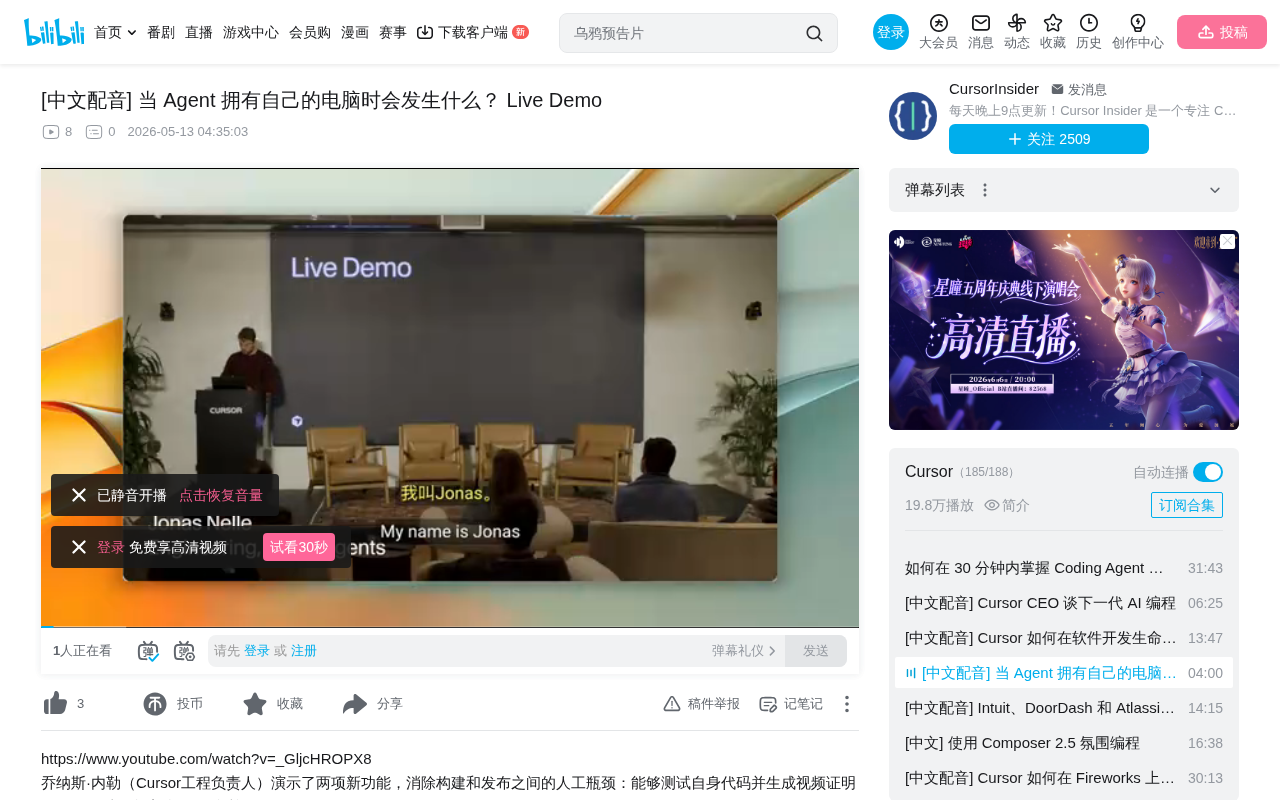
Cursor Cloud Agent Demo: Eliminating Bottlenecks Across the Entire Software Development Lifecycle
Deep analysis of Cursor's Cloud Agent demo showing how cloud VMs, automated test artifacts, and a full-chain control plane systematically eliminate human bottlenecks across the software development lifecycle.