Tailwind Labs Joins Shopify: A Strategic Union Between a CSS Framework and an E-Commerce Giant
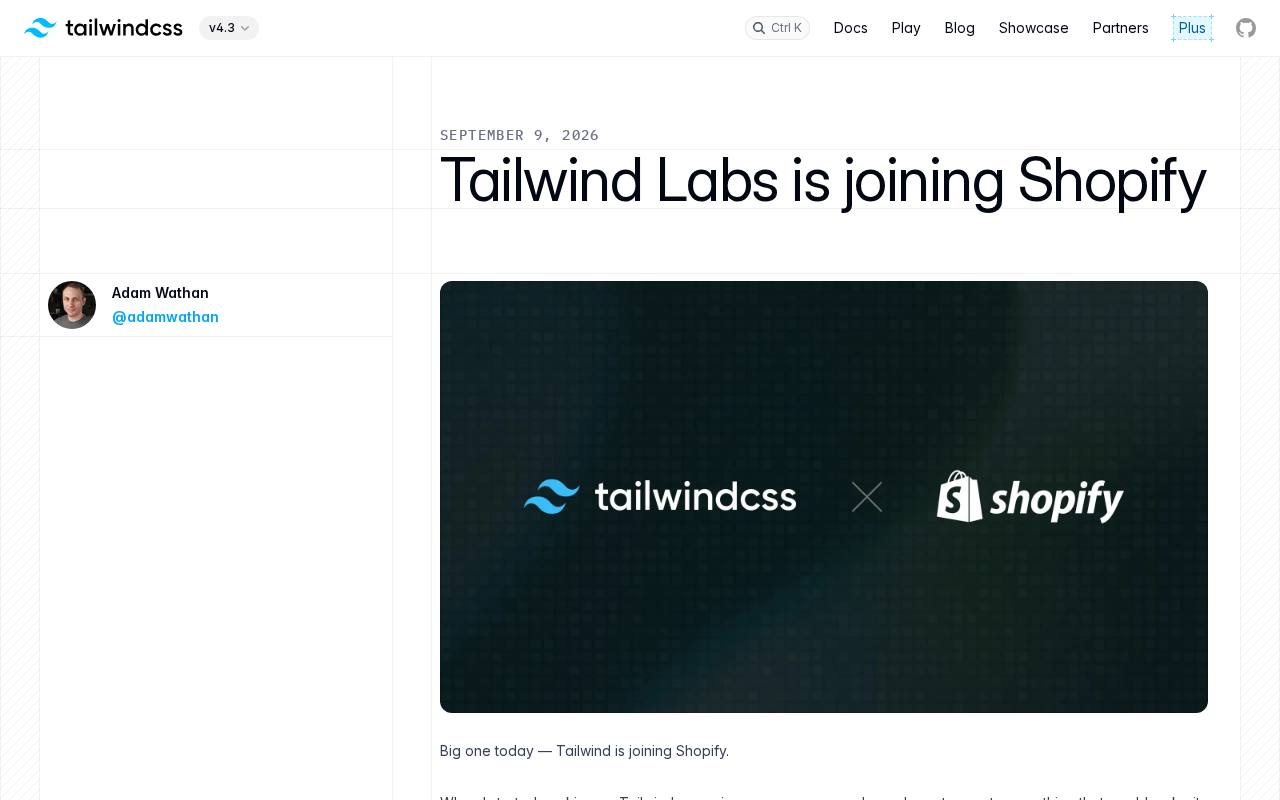
Tailwind Labs joins Shopify, marking a strategic move to strengthen the e-commerce giant's developer ecosystem.
Tailwind Labs, the company behind the popular utility-first CSS framework Tailwind CSS, has been acquired by Shopify. The deal strengthens Shopify's frontend toolchain — especially for its Hydrogen headless commerce framework — while the community remains optimistic about Tailwind CSS staying open source, given Shopify's track record with projects like Liquid and Polaris.
Tailwind Labs Officially Joins Shopify
Tailwind Labs, the company behind the popular CSS framework Tailwind CSS, has announced that it is joining e-commerce giant Shopify. The acquisition news sparked heated discussion in the developer community, garnering 136 upvotes and 51 comments on Hacker News — a clear sign of the industry's keen interest in this merger.
The Strategic Significance of the Acquisition
Strengthening Shopify's Developer Ecosystem
For Shopify, acquiring Tailwind Labs is a major move to strengthen its developer ecosystem. With its utility-first design philosophy and high degree of customizability, Tailwind CSS has become one of the most popular CSS frameworks in recent years. The utility-first approach is a design methodology fundamentally different from traditional semantic CSS. In conventional CSS development, developers create semantically named classes for elements (such as .card or .sidebar) and define their styles in stylesheets. The utility-first approach, by contrast, provides a large set of atomic utility classes (e.g., p-4 for padding: 1rem, text-center for text-align: center), allowing developers to build interfaces by composing these fine-grained classes directly in HTML. This approach was initially met with skepticism and criticized as "writing inline styles in HTML," but in practice it has proven to significantly reduce CSS file size, eliminate naming difficulties, and perform particularly well in component-driven development. Tailwind CSS also introduced a JIT (Just-In-Time) compilation engine that generates only the CSS classes actually used in a project, resulting in extremely lean final output.
As one of the world's largest independent e-commerce SaaS platforms, Shopify powers millions of online stores as of 2024, with annual GMV (Gross Merchandise Volume) exceeding $200 billion. Shopify's tech stack is built around Ruby on Rails as its core backend framework (Shopify is also one of the largest contributors to the Rails community), while its frontend theme system is based on the in-house Liquid templating language. In recent years, Shopify has launched Hydrogen (a React-based headless commerce framework) and Oxygen (a hosting platform), aggressively pushing toward a headless commerce architecture. Against this backdrop, acquiring Tailwind Labs can be seen as a critical step for Shopify to complete its frontend toolchain — especially since Tailwind CSS was already the officially recommended styling solution within the Hydrogen framework. This acquisition will significantly improve the efficiency and quality of storefront theme development.
Consolidating Leadership in E-Commerce Technology
This acquisition reflects the growing importance e-commerce platforms place on developer tools. By integrating Tailwind CSS's technology and team, Shopify can provide its vast community of merchants and developers with a more modern and efficient development toolchain, further solidifying its leading position in the e-commerce technology ecosystem.
Impact on the Open-Source Community
The Open-Source Future of Tailwind CSS
As an open-source project, the future direction of Tailwind CSS has become a focal point for the community. When large companies acquire open-source projects, two scenarios typically emerge: they either continue to maintain the open-source project and increase investment, or they gradually commercialize it and restrict certain features. So far, there has been no official statement detailing whether the open-source strategy will change.
Optimism in the Community
Given Shopify's own friendly attitude toward the open-source community — its Liquid templating language and Polaris design system are both open source — developers are relatively optimistic about Tailwind CSS remaining open source. Liquid is a templating language developed and open-sourced by Shopify in 2006, originally created by Shopify co-founder Tobias Lütke. It features a secure sandbox design to prevent template code from posing security threats to servers and has since been adopted by numerous platforms including Jekyll and Salesforce. Polaris is Shopify's open-source design system, offering a comprehensive React component library, design guidelines, and best practices for Shopify app developers to build admin interfaces consistent with the platform's visual style. The continued open-source maintenance of both projects reflects Shopify's "build for the long term" technology philosophy and serves as a key reason why the community remains optimistic about the open-source future of Tailwind CSS.
At the same time, Tailwind Labs' commercial products may see deeper integration with Shopify's product line. Beyond the open-source core framework, Tailwind Labs has already established a successful commercial model: Tailwind UI is a paid library of pre-built components featuring hundreds of meticulously designed UI components and page templates for developers and teams looking to quickly build professional interfaces; Headless UI is a set of completely unstyled, accessible UI components (supporting React and Vue) released as open source, solving accessibility challenges for interactive components like dropdown menus, dialogs, and tabs; and Catalyst is an application-level UI kit built on top of Headless UI and Tailwind CSS. This "open-source core + commercial add-ons" model has become a classic business paradigm for developer tool companies and provides multiple integration touchpoints for fitting into the Shopify ecosystem.
New Opportunities for the Developer Ecosystem
Convenience from Native Integration
This acquisition opens up new possibilities for Shopify's developer ecosystem. It's foreseeable that Shopify's theme development tools will natively integrate Tailwind CSS in the future, lowering the barrier to entry and boosting development efficiency. For developers already using Tailwind CSS, this means their skills will carry even greater value within the Shopify ecosystem.
Catalyzing Innovative Toolchains
The Tailwind Labs team's expertise in developer experience and toolchain optimization may also give rise to more innovative development tools. This benefits not only merchants and developers on the Shopify platform but could also drive progress across the entire frontend development tool ecosystem.
Insights into Industry Trends
A New Battleground in Platform Competition
From a broader perspective, Tailwind Labs joining Shopify reflects an important trend in the tech industry: platform companies are placing increasing emphasis on developer tools and developer experience. Whether it's Vercel acquiring Turborepo or GitHub launching Copilot, these moves all point in the same direction — whoever controls the developer tools will hold the advantage in future technology competition.
Take Vercel as an example: in 2021, it acquired Turborepo, a high-performance JavaScript/TypeScript monorepo build tool created by Jared Palmer, and rewrote its core in Rust as Turbopack, positioning it as the successor to Webpack. Similar acquisitions include Netlify acquiring Gatsby and Cloudflare acquiring Zaraz. The common logic behind these mergers is that cloud platforms and SaaS companies build technological moats by acquiring developer tools. While developer tools may generate limited direct revenue, they create powerful ecosystem lock-in effects — once developers become accustomed to a platform's toolchain, migration costs increase significantly, thereby improving the platform's long-term retention and commercial value.
Business Lessons for Startups
For startups, focusing on developer tools and developer experience is becoming a viable business path. Tailwind Labs' success demonstrates that even in the seemingly mature field of CSS frameworks, innovative ideas and excellent execution can still create tremendous value.
Key Takeaways
Related articles
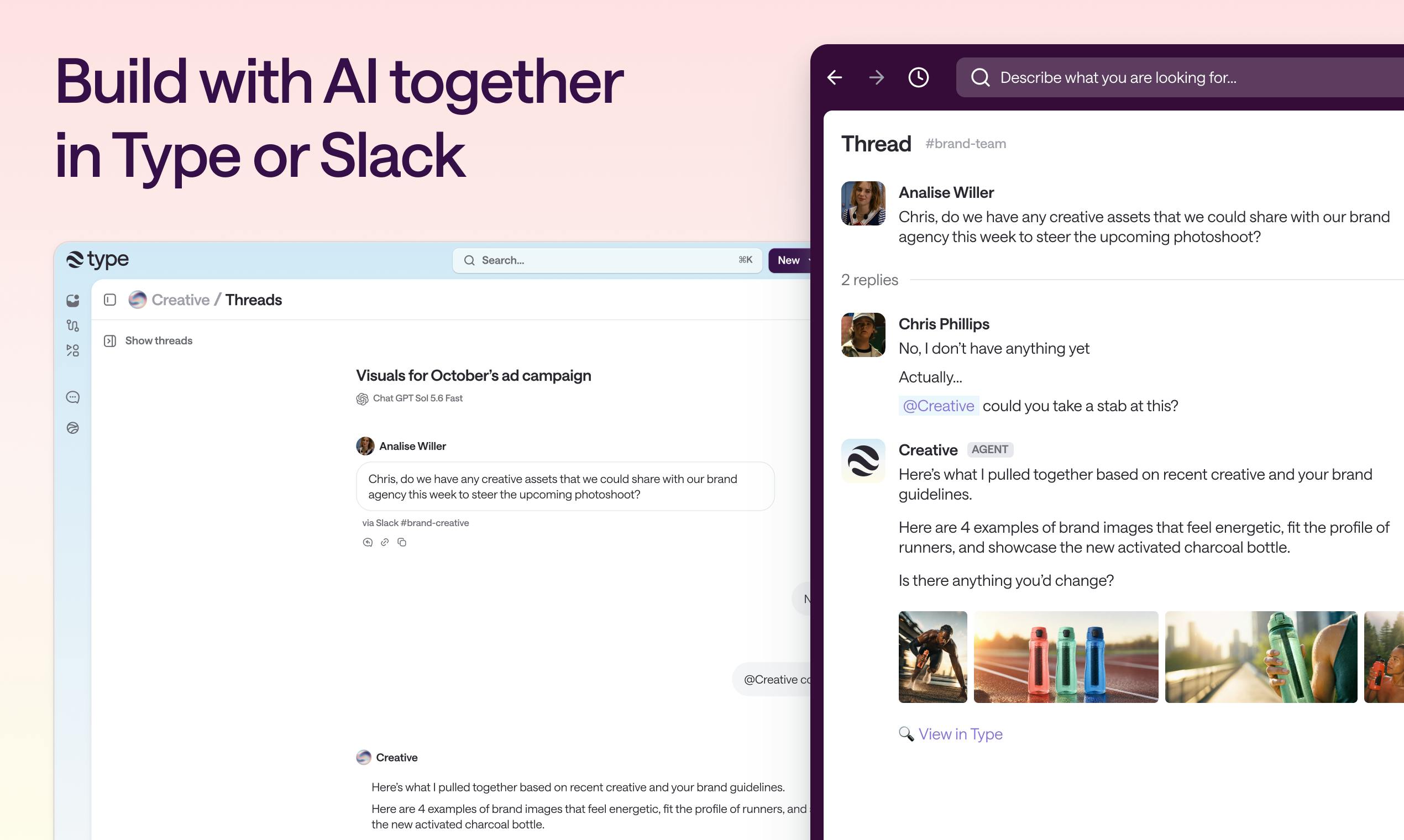
Type.com Review: A Deep Dive into the Team AI Collaboration Shared Workspace
Type.com integrates Claude, Codex, and other AI models into a team collaboration platform with shared knowledge, automation, and custom apps. Read our in-depth review of its features, use cases, and competitive edge.
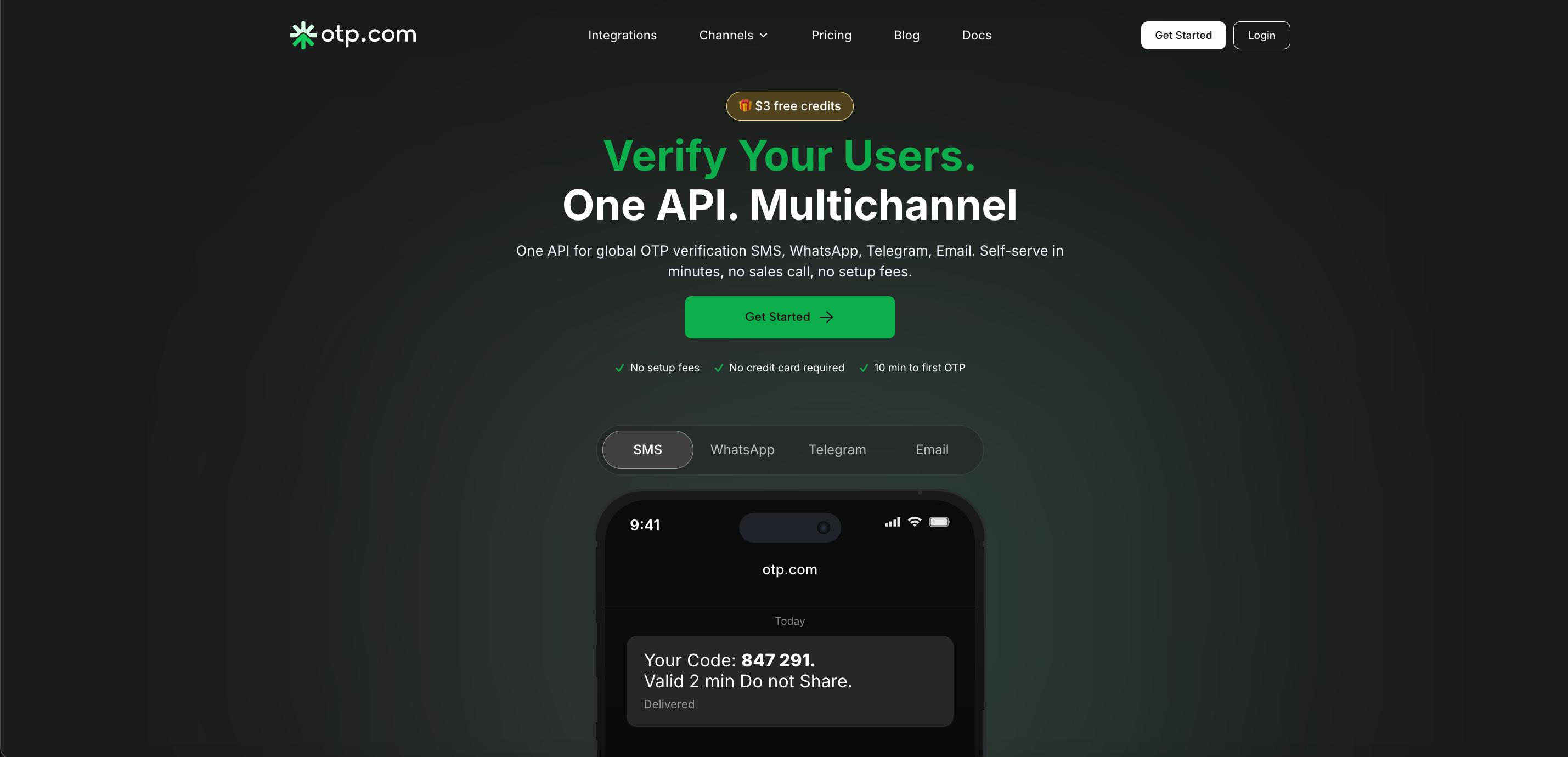
OTP.com Review: One API to Unify SMS, WhatsApp, Email, and Telegram OTP Delivery
In-depth review of OTP.com: a single API unifying SMS, WhatsApp, Email, and Telegram OTP channels to cut integration costs and boost delivery rates for developers.

Pluno Review: An AI Chrome Extension That Proactively Discovers Automation Opportunities
Pluno is an AI Chrome extension that proactively discovers and executes automation tasks. No manual workflow setup needed — it observes user behavior, identifies repetitive tasks, and proposes automation solutions.