Termius SSH Client Pain Points Analysis: Are There Better Alternatives in 2024?

A user's public call to Termius highlights the critical role of stability and responsiveness in developer tool competition.
A public tweet asking Termius to fix an issue sparks broader reflection on developer tool feedback mechanisms. As a cross-platform SSH client, Termius faces intense competition from open-source alternatives (Tabby, Electerm) and commercial rivals, with user migration costs declining. The article argues that stability and bug response speed matter far more for user retention than new feature releases, and product teams should establish transparent community communication and rapid response mechanisms.
A Single Tweet That Sparked Reflection
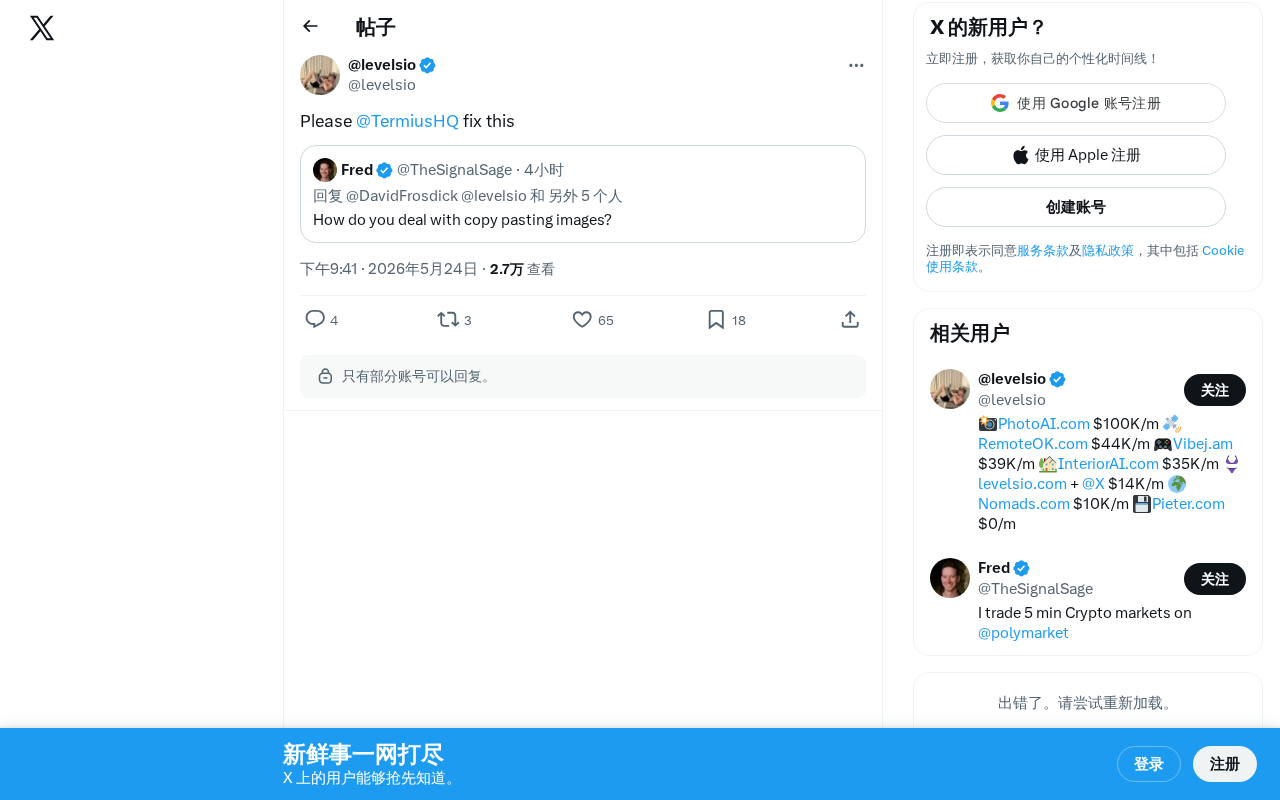
Recently, a user publicly @mentioned the official Termius account on Twitter with a brief and direct request: "Please @TermiusHQ fix this." While the specific issue details weren't elaborated in the tweet, this phenomenon of users publicly calling out a product team reflects a pervasive challenge in the developer tools space — the balance between user experience and functional stability.
Notably, developers publicly flagging product issues on Twitter/X has become a distinctive culture within the tech community. There's clear rational logic behind this behavior: public posts create visibility pressure that can push product teams to respond faster, while also aggregating users who share the same problem to form a collective demand. Research shows that the social media complaint conversion rate (i.e., the proportion that ultimately receives an official response) for developer tool users is significantly higher than for regular consumer apps, because the developer community consists of peers to the product team, making communication inherently more efficient.
What Is Termius: A Cross-Platform SSH Client Explained
Termius is a modern cross-platform SSH client designed for developers and operations engineers, supporting major platforms including Windows, macOS, Linux, iOS, and Android. It's known for its clean interface design and cloud sync capabilities, allowing users to seamlessly switch server connection configurations across different devices.
To understand Termius's value, you first need to understand the SSH protocol it's built upon. SSH (Secure Shell) was created in 1995 by Finnish researcher Tatu Ylönen, originally designed to replace insecure protocols like Telnet and rsh. SSH establishes secure tunnels through asymmetric encryption, protecting remote logins and data transfers from eavesdropping or tampering. Modern SSH clients support not only basic remote command execution but have also expanded to include port forwarding, SFTP file transfers, X11 graphical forwarding, and other rich features, making them indispensable infrastructure tools in the DevOps and cloud computing era. Termius builds on this foundation by bringing SSH tools into the multi-device collaboration age through a modern UI and cloud sync capabilities.
Termius Core Feature Highlights
- Multi-platform sync: Cloud synchronization of server configurations, keys, and code snippets
- SFTP support: Built-in file transfer functionality without needing additional FTP tools
- Team collaboration: Supports shared server configurations for DevOps teams
- AI assistance: Recently added an AI terminal assistant for command completion
However, cross-platform cloud sync is also one of the most technically complex modules. Different operating systems handle key file permissions, path formats, and character encoding differently, requiring extensive platform adaptation and conflict resolution logic during cloud synchronization. Termius uses end-to-end encryption to sync SSH keys and server configurations — a sound choice from a security standpoint — but this also increases the difficulty of debugging and troubleshooting. Once compatibility issues arise at the encryption layer, users often cannot diagnose the problem themselves and must rely on official support.
For developers and operations engineers who regularly manage multiple servers, Termius offers a more modern remote connection experience than traditional PuTTY or built-in system terminals.
The User Feedback Dilemma for Developer Tools
Why Users Choose to Speak Out Publicly on Social Media
When users choose to publicly report issues on social media rather than submitting tickets through official support channels, it typically indicates one of several situations:
- Long-standing unresolved issues: The user may have already reported through formal channels but hasn't seen a fix
- Serious workflow disruption: The bug is already interfering with daily SSH connections and server management efficiency
- Seeking community resonance: Hoping to draw more user attention and create collective momentum for product improvement
This phenomenon is particularly common with paid developer tools. Users who pay for a service naturally have higher expectations for product quality.
SSH Tool Market Competition: Alternatives to Termius
In the SSH client space, Termius faces competitive pressure from multiple directions:
- Open-source free alternatives: Tabby (formerly Terminus), Electerm, and other fully-featured open-source SSH tools
- System-level terminal tools: iTerm2 (macOS), Windows Terminal, and other zero-cost options
- Enterprise commercial competitors: Royal TSX, SecureCRT, and other products targeting large teams
The rise of open-source competitors deserves deeper examination. Tabby (formerly Terminus, renamed to avoid confusion with Termius) is currently one of the most starred open-source SSH clients on GitHub, built on the Electron framework with plugin extension support. Electerm is similarly Electron-based, known for being lightweight and fast. The rise of these open-source tools benefits from the maturity of the Electron ecosystem — developers can rapidly build cross-platform desktop applications using web technology stacks, significantly lowering the development barrier. More critically, the open-source model allows the community to directly submit PRs to fix bugs, with iteration speed sometimes exceeding that of commercial products. This creates substantive competitive pressure on Termius.
User tolerance is decreasing. When a paid SSH tool frequently experiences stability issues, the cost of migrating to alternatives is increasingly low, especially as open-source tools become more feature-complete.
Implications for SSH Tool Product Teams
The Importance of Rapid Response to User Feedback
In today's fiercely competitive developer tools landscape, the battle between products extends far beyond features alone. User expectations for SSH clients include:
- Official acknowledgment within 48 hours of issue reporting
- Critical bug fixes completed within one to two version iterations
- Transparent and public product roadmaps so users understand the direction of improvements
From a user retention perspective, SaaS-model developer tools (like Termius's subscription model) face unique challenges. The migration cost for developer users primarily comes from configuration migration and habit rebuilding, not data lock-in. When tools offer export functionality or store configurations in universal formats (like OpenSSH config), migration barriers are further reduced. Industry research shows that the correlation between developer tool NPS (Net Promoter Score) and bug fix response speed is far stronger than the correlation with new feature release frequency — meaning that investing in stability often delivers better ROI than feature expansion. This is a strategic trade-off that product teams need to carefully weigh when allocating resources.
Community-Driven Product Improvement Models
Excellent developer tools typically establish active community feedback mechanisms. Whether through GitHub Issues, Discord communities, or dedicated feedback platforms, making users feel "heard" is a key strategy for retaining paying users. Open-source projects like Tabby have rapidly accumulated loyal users precisely through active community interaction. Transparent issue tracking systems not only reduce user anxiety but also redirect public complaints from social media back into manageable internal processes, creating a healthier product feedback ecosystem.
Conclusion
Behind a brief tweet lies users' expectations for Termius product quality and a test of the development team's responsiveness. In the highly competitive SSH client market, every unresolved bug can become the starting point for user churn toward alternative solutions. For developers currently choosing an SSH tool, stability and team responsiveness should be weighted equally with feature richness. We hope the Termius team can respond promptly to community voices and continuously improve connection stability and user experience.
Key Takeaways
- A user publicly reported a product issue to Termius on Twitter, reflecting common UX pain points with developer tools
- As foundational infrastructure for remote management, SSH client stability directly impacts developers' daily work efficiency
- Termius as a cross-platform SSH client faces competition from both open-source and commercial alternatives; the maturation of the Electron ecosystem has lowered the barrier for open-source competitors
- Users choosing to provide public feedback on social media typically indicates long-standing unresolved issues or serious workflow disruption
- Developer tool teams need to establish rapid response mechanisms and transparent community communication channels; bug fix speed often has greater impact on NPS than new feature releases
Related articles
 Product Reviews
The Programmer's Desk Setup Guide: Building a Workspace That Feels Like Home
Discover how programmers build productive, comfortable workspaces. From multi-monitor setups to ergonomic design, explore the desk philosophy that drives focus and flow.
 Product Reviews
Qoder vs Cursor Real-World Comparison: Which $20/Month AI IDE Is Better?
Hands-on comparison of Qoder vs Cursor AI IDEs: Agent autonomy, human interaction count, and architecture decisions. Qoder needed only 2 interactions vs Cursor's 8.
 Product Reviews
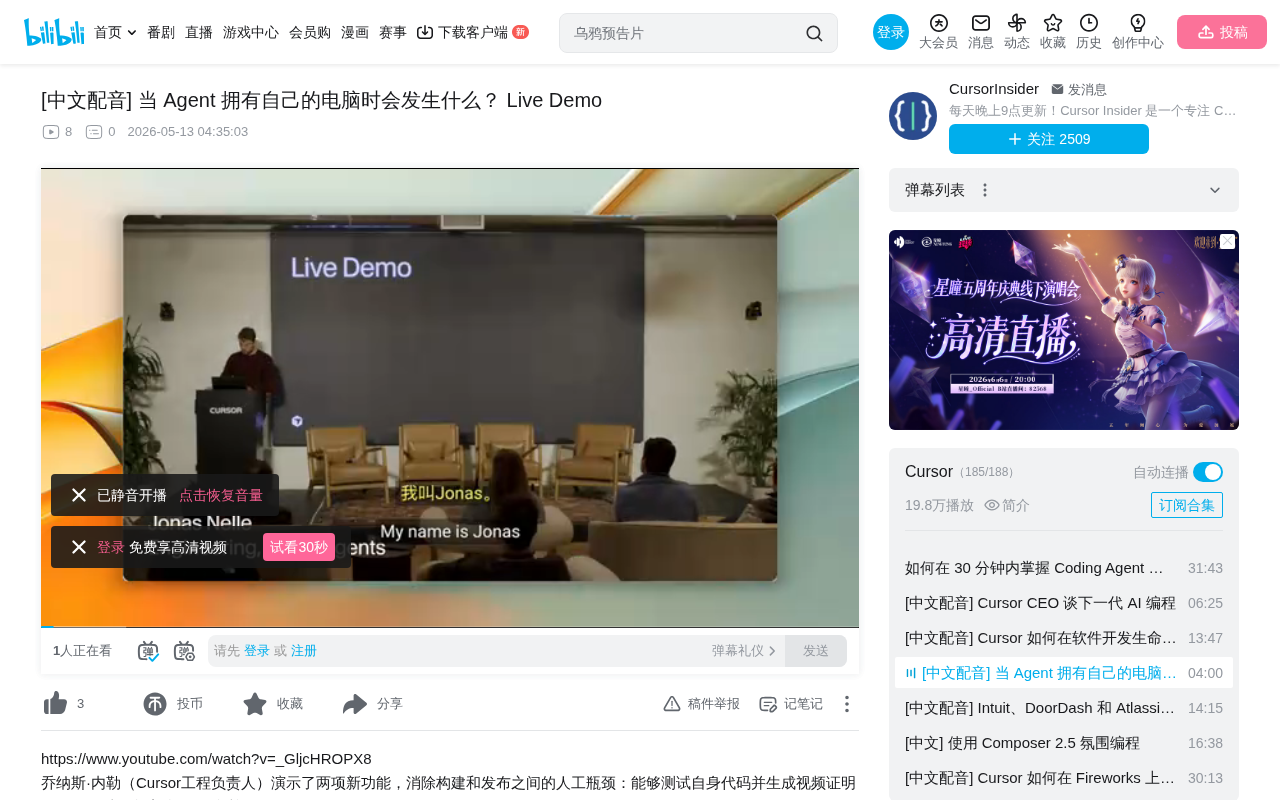
Cursor Cloud Agent Demo: Eliminating Bottlenecks Across the Entire Software Development Lifecycle
Deep analysis of Cursor's Cloud Agent demo showing how cloud VMs, automated test artifacts, and a full-chain control plane systematically eliminate human bottlenecks across the software development lifecycle.