The AI Attitude Wars: Technical Literacy or Tribal Allegiance?

Both AI advocates and critics accuse each other of lacking literacy — exposing a values clash, not a knowledge gap.
A social media tweet exposed a structural paradox in AI debates: both supporters and critics dismiss the other side as 'illiterate,' without recognizing they're using identical rhetorical moves. The article argues that 'AI literacy' — originally a neutral educational concept — has been weaponized as a tribal label. The real divide isn't cognitive but rooted in value priorities: efficiency and innovation versus rights protection and ethical risk. Moving forward requires ditching the 'who knows more' framing and honestly engaging with what each side's concerns actually point to.
A Tweet Worth Thinking About
Online discussions about AI frequently devolve into polarized shouting matches. One brief tweet captured a fascinating phenomenon: the messaging that AI critics direct at anyone who finds AI potentially useful is, at its core, identical to what the other side says about critics — just wrapped around "a different type of literacy."
The tweet read: "Funny, that's exactly what the opposition says to anyone who thinks AI might be a little useful. Different type of literacy, but same idea." Short as it is, this observation points to a structural problem worth taking seriously in today's AI discourse.
Since this article is based on a single social media source with limited original context, the analysis below represents an extended interpretation of that viewpoint rather than a full account of any specific event.
The Politics Hidden Inside "Literacy" Talk
The word "literacy" gets thrown around constantly in AI debates. Those who favor AI adoption often imply that critics "lack AI literacy" — meaning they don't understand what the technology actually does and are simply reacting out of fear or ignorance. Meanwhile, AI skeptics accuse supporters of "lacking critical literacy" — of blindly swallowing tech hype while ignoring AI's real harms around copyright, employment, and information integrity.
What the tweet astutely points out is that both sides are deploying the exact same rhetorical move against each other. When one camp says "you just don't get it," the other responds with "no, you don't get it." The alleged "literacy gap" is, in most cases, nothing more than a disagreement in values dressed up as a difference in knowledge.
Who Gets to Define the "Right" Literacy?
The core issue is that "literacy" is supposed to be a neutral, measurable concept — a set of demonstrable competencies. In AI debates, it has been weaponized. It has become a tool for drawing battle lines: those with the "correct" literacy belong to our side; those who lack it are the enemy. This rhetorical move shuts down dialogue before it can start, because it presupposes that the other person's views stem from a cognitive deficiency rather than from legitimate value judgments.
"AI literacy" as an educational concept was originally developed by researchers to describe the composite ability to understand how AI systems work, evaluate the quality of their outputs, and recognize their limitations. Organizations like UNESCO have attempted to standardize the definition around three dimensions: technical understanding, ethical judgment, and critical use. In public debate, however, this multidimensional concept gets dramatically flattened. Technology advocates tend to narrow it to "knowing what AI can do," while critics expand it to mean "knowing what harms AI causes." Each side carves out a different slice of the original concept and claims to represent the whole — and that selective appropriation is one of the root causes of the discourse clash.
Why AI Discussions So Easily Become Binary
As a broadly applicable technology with far-reaching consequences, AI naturally touches on a host of sensitive issues: the livelihoods of creators, the purpose of education, the trustworthiness of information, and the future of human work itself. When interests and values become entangled, rational discussion tends to give way to emotionally charged side-taking.
Tech optimists gravitate toward productivity gains and innovation potential. Tech critics focus on power concentration, ethical risk, and social inequality. Both perspectives have legitimate foundations, but the mechanics of social media distribution squeeze out the middle ground and amplify the extremes.
Platform algorithms play a decisive role in this polarization. Research shows that content triggering strong emotional responses — anger, fear, moral outrage — tends to receive higher distribution priority, while carefully worded views that acknowledge complexity get penalized for lacking emotional charge. This dynamic has been called "algorithmic amplification of affective polarization": platforms don't directly manufacture conflict, but their incentive structures systematically reward extreme expression and punish nuanced, middle-ground positions. AI, as an intensely emotional topic, is especially susceptible to this shaping force — meaning the "AI discourse landscape" the public encounters is often a distorted mirror of how opinions are actually distributed.
Possible Ways Out of the Literacy Wars
Discussions worth having probably require abandoning the "who has more literacy" framework altogether and instead acknowledging that different attitudes toward AI typically reflect different value priorities — not differences in raw cognitive ability.
Someone who finds AI useful may genuinely have experienced real gains in efficiency. Someone who opposes AI may genuinely have witnessed real harm to creators' rights and livelihoods. Both can be "literate" — they are simply paying attention to different dimensions of the same phenomenon. Accepting that complexity does far more to advance constructive dialogue than trading accusations of ignorance.
The real value of that tweet lies in the fact that the author stepped outside their own camp's perspective and recognized a methodological symmetry between both sides of the debate — and that capacity for self-aware distance is itself a higher-order form of literacy.
Conclusion
The arguments surrounding AI are not going to calm down any time soon. But if participants can recognize that the word "literacy" is being wielded as a weapon from both directions simultaneously, there may be slightly less label-slinging and slightly more genuine effort to understand where the other side is actually coming from. The technology itself is neutral. How we use it, and how we evaluate it, ultimately tests our judgment and our capacity for intellectual generosity.
Related articles
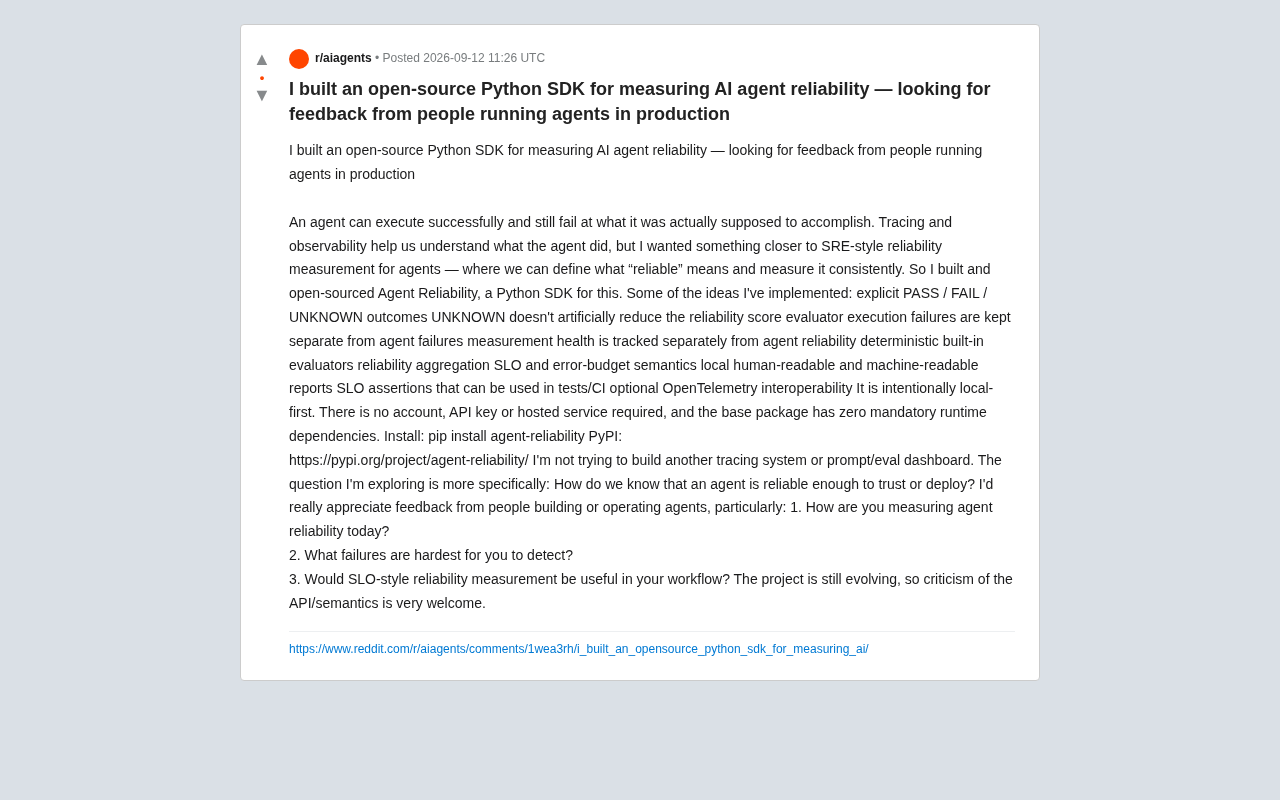
Open-Source Python SDK: Measuring AI Agent Reliability with SRE Principles
Agent Reliability is an open-source Python SDK that applies SRE's SLO and error budget concepts to AI Agent evaluation, with PASS/FAIL/UNKNOWN states, CI assertions, and zero forced dependencies.
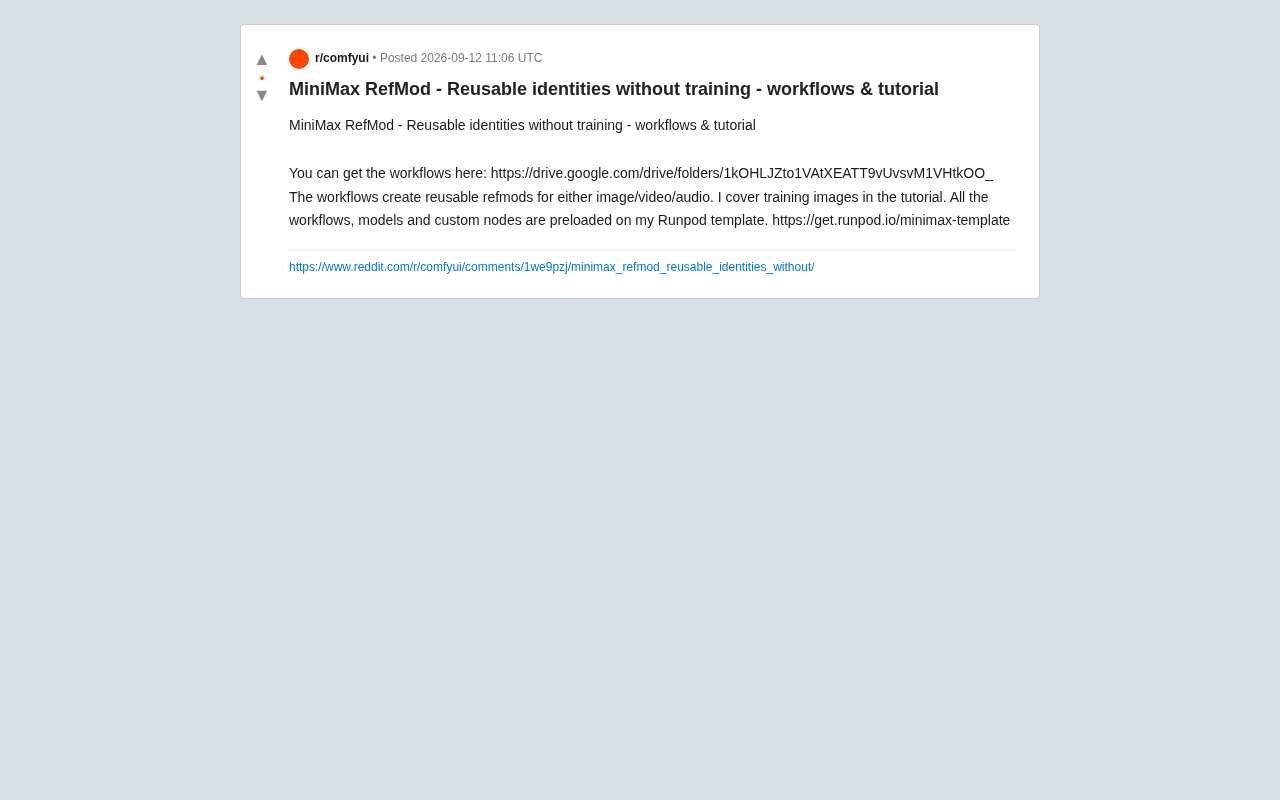
MiniMax RefMod: A Complete Guide to Training-Free Reusable Identity Workflows
MiniMax RefMod offers training-free reusable identity workflows for image, video, and audio generation. Includes Runpod template and tutorial for quick setup.

Invalid Source Material Notice
The source material provided lacks substantive information and is unrelated to AI/tech topics, making it impossible to produce a complete professional article.