The Ceiling of Vector RAG: Why It Can't Answer "Why"?
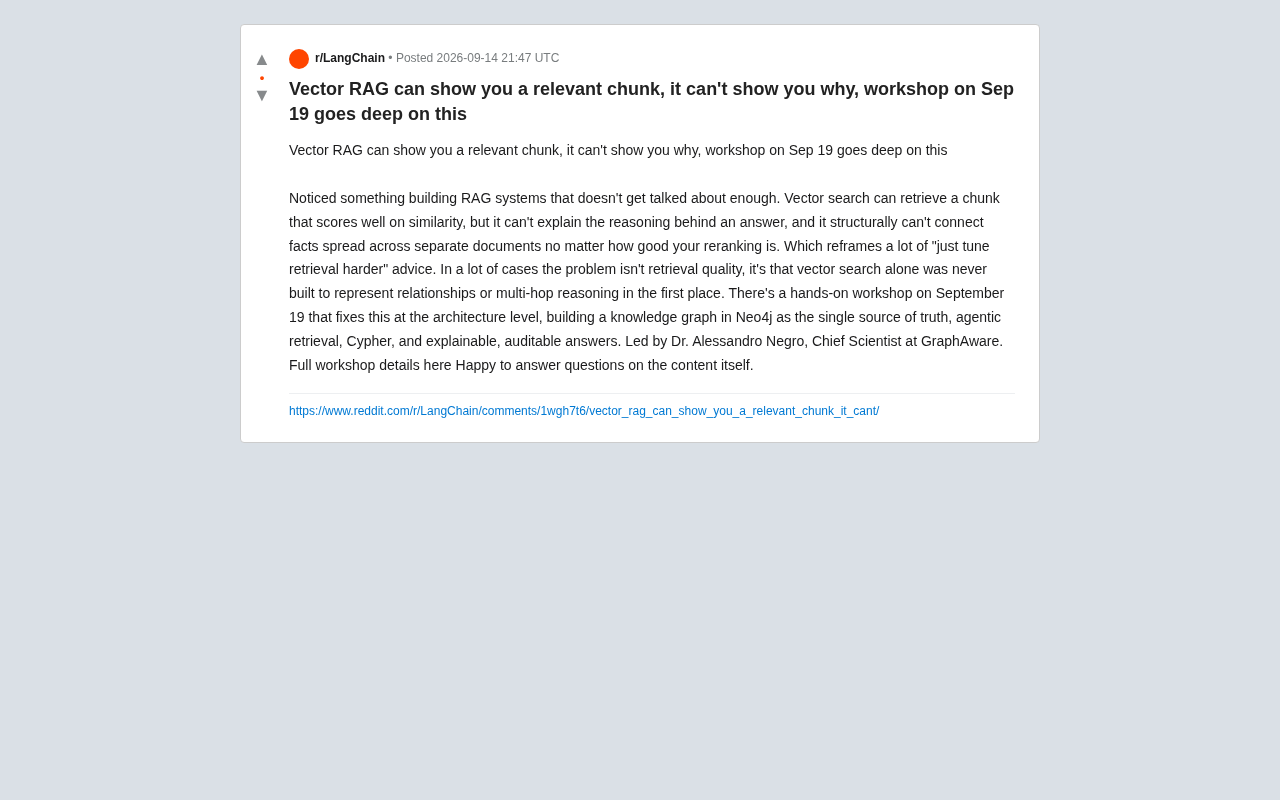
Vector search can't represent relationships or multi-hop reasoning — knowledge graphs fix this at the architecture level.
The article identifies a structural flaw in RAG systems: vector search excels at retrieving semantically similar chunks but cannot represent relationships between entities or support multi-hop reasoning. Blindly tuning retrieval parameters or adding more reranking stages treats the symptom, not the cause. Knowledge graphs address this by explicitly modeling facts as entity-relationship-entity structures, turning multi-hop reasoning into graph path traversal. Combined with Neo4j, Cypher queries, and agentic retrieval, this enables RAG systems with traceable reasoning paths and auditable answers. The practical takeaway: before tuning, determine whether your problem is poor recall or missing structure — the latter requires architectural redesign.
The Hidden Weakness of Vector Retrieval
When building RAG (Retrieval-Augmented Generation) systems, an often-overlooked problem surfaces: vector search can retrieve a text chunk with a high similarity score, but it cannot explain the reasoning behind an answer — nor can it structurally connect facts scattered across different documents, no matter how good your reranking is.
This observation reframes the popular advice of "just tune your retrieval harder." In many cases, the root cause isn't retrieval quality at all. The real issue is that vector search was never designed to represent relationships or support multi-hop reasoning in the first place.
Why "Tuning Retrieval" Only Treats the Symptoms
Vector search works by embedding text into a high-dimensional space and using similarity metrics to find the chunks closest to a query. This mechanism excels at answering "which content is most relevant," but it cannot answer "why it's relevant" or "what relationship exists between these relevant pieces."
Consider a typical scenario: when an answer requires connecting facts across three different documents through two or three logical steps, vector retrieval will surface several seemingly relevant chunks — but it has no way to explicitly represent the causal, hierarchical, or citation relationships between them. You can push reranking harder or refine your chunking strategy all you want, but none of these tactics can compensate for what's missing at the data structure level.
Similarity ≠ Reasoning
The core distinction here is this: similarity is a statistical "looks close," while reasoning is a structural "logically traceable." The former gives you a result; the latter gives you a path. For applications that require auditing, explainability, and accountability — such as finance, healthcare, legal, or compliance — "looks close" simply isn't enough.
Knowledge Graphs as the Solution
To address this architectural-level flaw, the original post referenced a hands-on workshop scheduled for September 19, advocating for solutions at the architecture level rather than the parameter-tuning level. The core idea is to introduce a knowledge graph:
- Build a knowledge graph using Neo4j as a single source of truth
- Apply agentic retrieval to give the retrieval process active reasoning capabilities
- Perform structured queries on the graph using the Cypher query language
- Produce answers that are explainable and auditable
The workshop is led by Dr. Alessandro Negro, Chief Scientist at GraphAware. The value proposition is clear: when the reasoning path behind an answer can be explicitly traced through a graph structure, "why this answer" is no longer a black box.
What Knowledge Graphs Add
Knowledge graphs naturally store information in the form of "entity — relationship — entity," which is precisely the layer that vector space lacks. When facts are explicitly modeled as nodes and edges, multi-hop reasoning becomes path traversal on the graph, and cross-document connections become edges that naturally exist within it. An answer is no longer just "a retrieved passage" — it's "a conclusion derived along a traceable reasoning chain."
The Real-World Significance of GraphRAG
This combined "vector + graph" approach is the core driver behind the rise of the GraphRAG direction in recent years. Pure vector solutions perform well for open-ended, semantically similar Q&A tasks, but in scenarios requiring precise relational reasoning, cross-source integration, and explainability, graph structures provide capabilities that vectors simply cannot replace.
For RAG developers currently hitting walls, this is a valuable reminder: before doubling down on retrieval tuning, first diagnose whether your problem is "poor recall" or "missing structure." If it's the latter, no amount of reranking will save you — the answer lies in redesigning the architecture.
A note of transparency: the perspective in this article comes from a single Reddit post with promotional content for a workshop. The technical claims are worth considering, but their effectiveness should be validated against your own specific use case.
Related articles
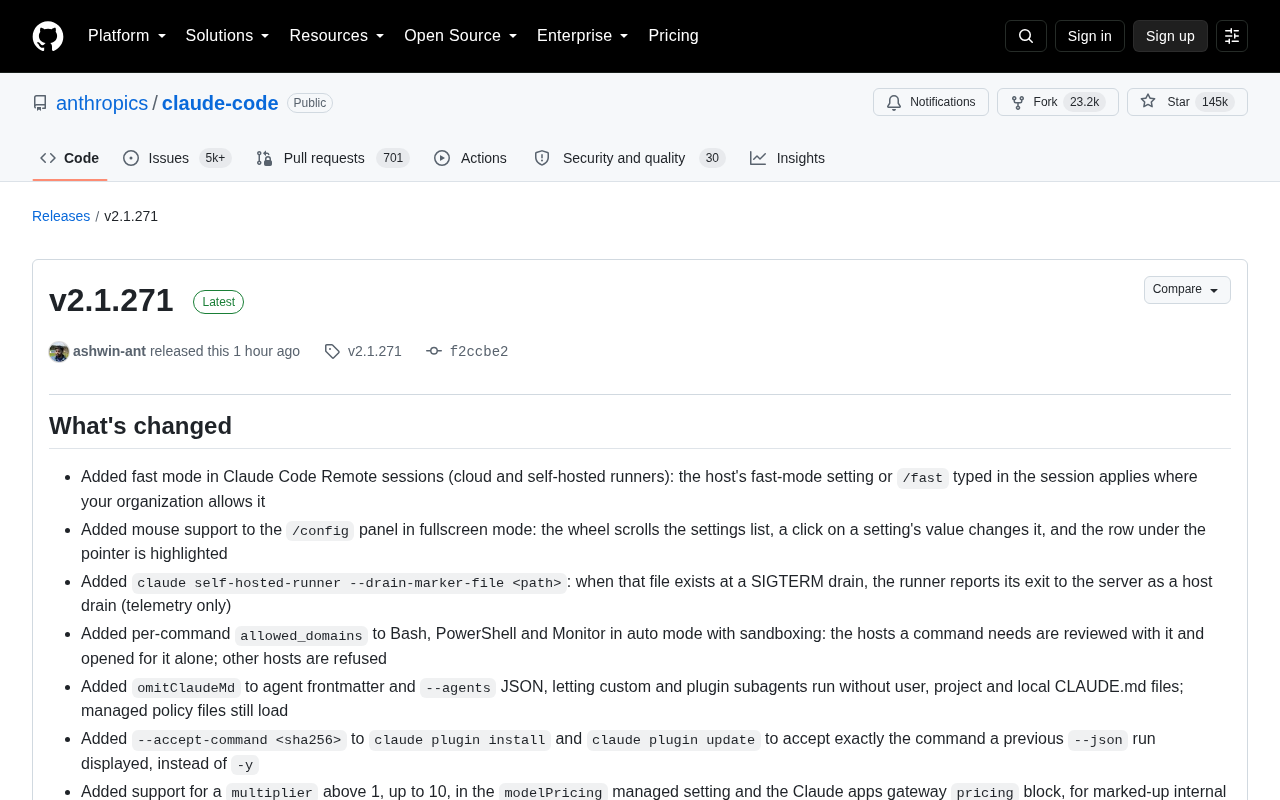
Claude Code v2.1.271 Update Deep Dive: Fast Mode, Sandbox Security, and Enterprise Improvements
Claude Code v2.1.271 adds fast mode for remote sessions, per-command sandbox network controls, enterprise policy fixes, MCP protocol improvements, and terminal/IDE enhancements.
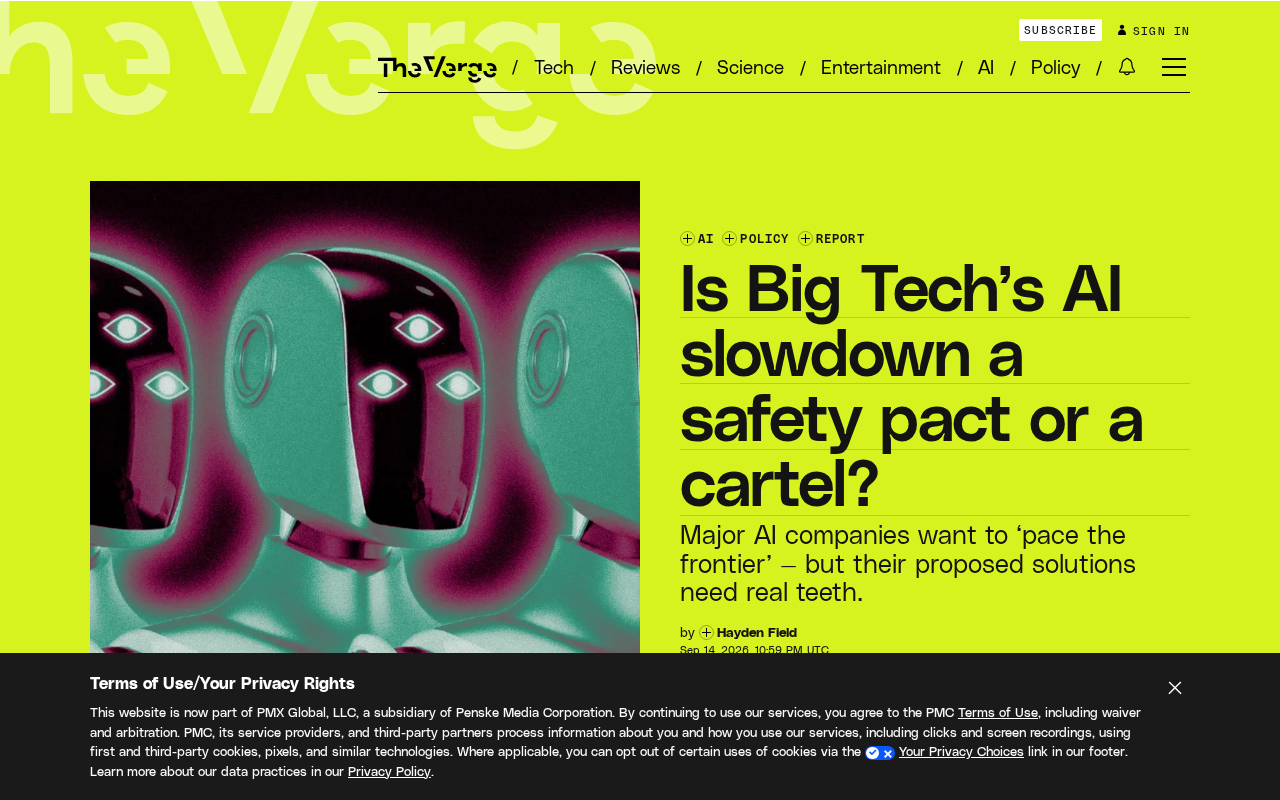
AI Giants Collectively Hit the Brakes: Safety Protocol or Industry Cartel?
OpenAI, Anthropic, Google DeepMind, and SpaceX leaders agree to slow AI development. Is this a responsible safety pact — or an oligopolistic cartel in disguise?

Apple Home Gets AI Camera Features with iOS 27: Up to $60/Month
iOS 27 and tvOS 27 bring Apple Intelligence to Apple Home with AI video summaries for HomeKit Secure Video — but unlocking them costs up to $60/month via subscription.