The Contagion of Fear: Tech Layoffs and the Cascading Crisis of Trust
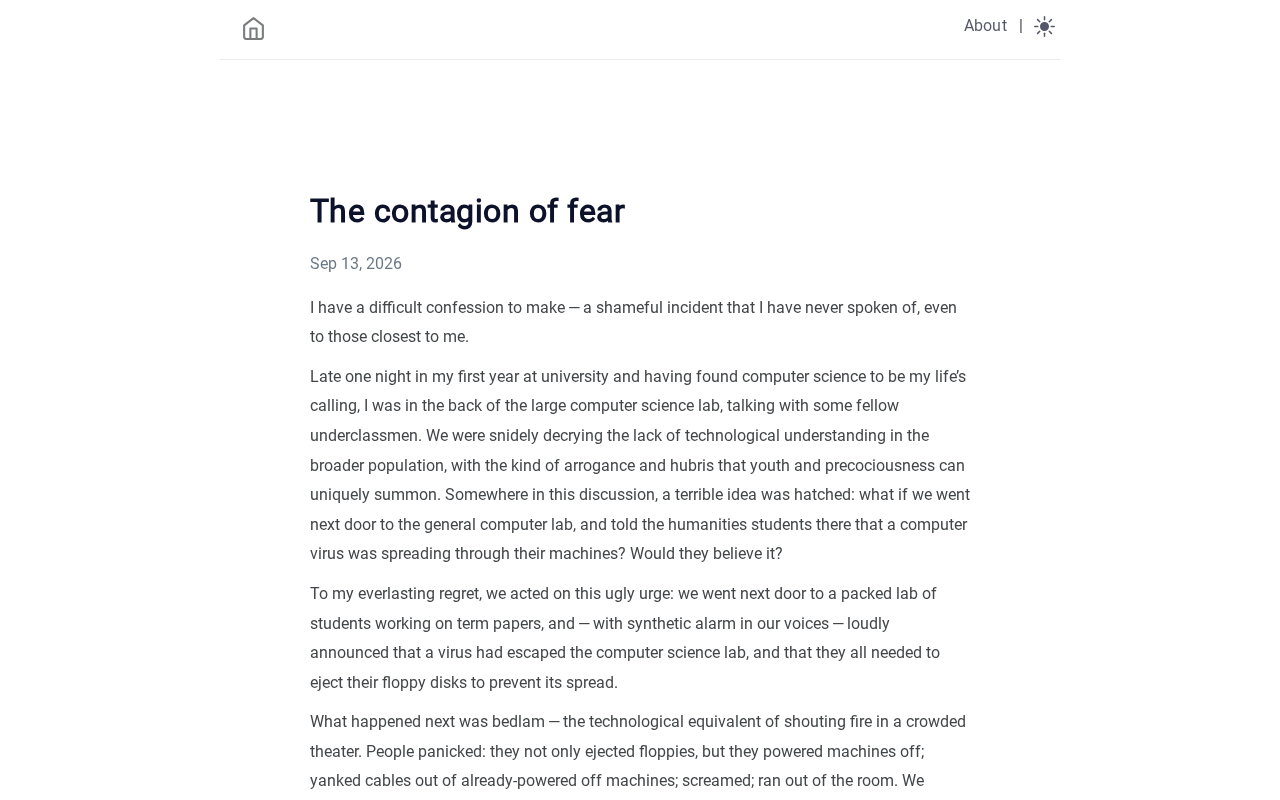
Bryan Cantrill analyzes how fear spreads through tech organizations, undermining engineering culture and trust.
Oxide Computer co-founder Bryan Cantrill published 'The Contagion of Fear,' which topped Hacker News and sparked widespread discussion. The central argument is that fear is not an isolated personal emotion but a collective state that spreads rapidly across teams, companies, and entire industries. Amid layoffs, AI disruption, and macroeconomic uncertainty, fear-driven behaviors — hiding bad news, avoiding technical risk, and destroying psychological safety — often cause more lasting damage to engineering culture than layoffs themselves. Breaking this cycle requires leaders to model transparent communication, actively rebuild psychological safety, and protect engineers who speak uncomfortable truths.
A Tech Blog Post That Sparked Widespread Discussion
Bryan Cantrill, renowned systems engineer and co-founder of Oxide Computer, published a blog post titled The Contagion of Fear that climbed to the top of Hacker News, earning 189 upvotes and 137 comments. The post struck a nerve in the technical community because it addresses a sensitive and widespread issue facing the tech industry today — how fear spreads through organizations and across an entire industry, eroding trust, creativity, and collaboration.
Unfortunately, based on the available source material, we can only confirm the article's title, the author's background, and the community's response, with limited access to the full text. The discussion below draws on this confirmed information and the broader context of the tech industry to explore the topic in depth.
Why "The Contagion of Fear" Resonates with Tech Workers
The word "contagion" itself is evocative. It implies that fear is not an isolated personal emotion, but a collective state that can spread rapidly across teams, companies, and entire industries. Against a backdrop of layoff waves, organizational restructuring, and market uncertainty, tech workers are all too familiar with this feeling.
When a company begins laying off employees, fear spreads quickly: those who remain stop taking risks and adopt a conservative, self-protective posture; managers pile on more controls out of fear of accountability; innovation is shelved because no one wants to be associated with a project that might fail. This fear-driven behavioral pattern often does far more lasting damage to an organization than the layoffs themselves.
As one of the creators of DTrace and the head of Oxide, Cantrill has long focused on engineering culture and organizational health. His past talks and writing frequently cut to the deeper issues in technical management, which is part of why this post generated such broad discussion on Hacker News.
How Fear Erodes Engineering Culture
From an engineering practice standpoint, fear's destructive power in technical organizations manifests across multiple dimensions.
Suppressing Candor and the Flow of Information
A healthy engineering culture depends on honest information flow — engineers need to be able to flag problems, admit mistakes, and voice disagreement. When fear takes hold, people tend to hide bad news, dress up progress reports, and avoid conflict. The distortion of information ultimately surfaces in production environments at a far greater cost.
Stifling Reasonable Technical Risk-Taking
Technical progress often comes from deliberate risk-taking and experimentation. Fear-driven organizations instinctively avoid all risk, leaving teams mired in a stagnant posture of "don't try to win, just don't lose." Over time, technical debt accumulates and competitiveness declines.
Destroying Psychological Safety
Psychological safety is the foundation of high-performing teams. When team members are constantly worried about their standing and livelihood, they struggle to fully invest in collaboration and creation. The contagion of fear gradually dismantles this sense of safety, creating a vicious cycle that is difficult to reverse.
Community Discussion as a Mirror of Industry Anxiety
The activity level of 137 comments on Hacker News is itself a reflection of the current mood in the tech industry. The waves of layoffs in recent years, the impact of AI on jobs, and macroeconomic uncertainty have made "fear" a common psychological undercurrent for many tech workers.
Articles like this resonate precisely because they clearly name and dissect a collective emotion that is pervasive yet difficult to articulate. For engineers and managers caught in the middle, recognizing fear and understanding its mechanism of contagion is the first step toward finding a way out.
How to Break the Chain of Contagion
While the source material doesn't provide the author's complete solutions, conventional wisdom in organizational management and engineering culture suggests that breaking the fear cycle typically requires a few key actions:
- Transparent communication modeled by leadership: Face difficulties honestly to reduce the speculation and panic that information vacuums create.
- Rebuilding psychological safety: Explicitly encourage experimentation and treat failure as a learning opportunity rather than a basis for blame.
- Protecting, not punishing, the bearers of bad news: Give engineers the confidence to surface problems immediately.
- Providing certainty amid uncertainty: Even when outcomes can't be guaranteed, clearly communicate the reasoning behind decisions and the values that guide them.
Fear may never be fully eliminated, but its contagion can be consciously interrupted. This requires clear-eyed awareness from leadership and a steadfast commitment to the long-term value of engineering culture.
Conclusion
The Contagion of Fear touches on a profound issue that transcends technology itself: in an era of uncertainty, how do we protect trust, courage, and creativity within an organization? For every tech worker and team leader, understanding the mechanics of fear's contagion may be the most easily overlooked — yet most critical — lesson in building a healthy engineering culture.
Note: This article was written based on limited source material. For the author's complete arguments, please refer to the original post.
Related articles
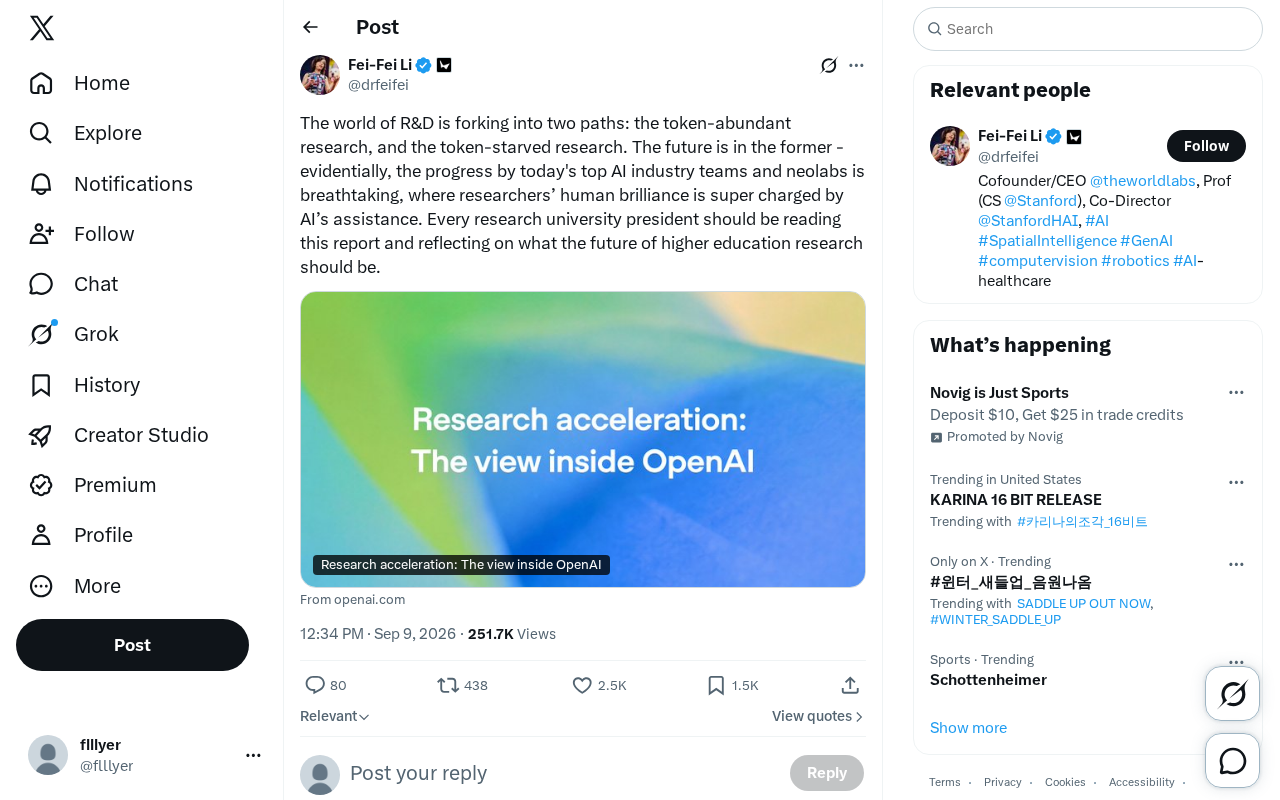
R&D Is Forking: The Coming Battle Between Token-Abundant and Token-Starved Research
R&D is splitting into token-abundant and token-starved research. Top AI labs are pulling ahead—here's what it means for universities and the future of science.
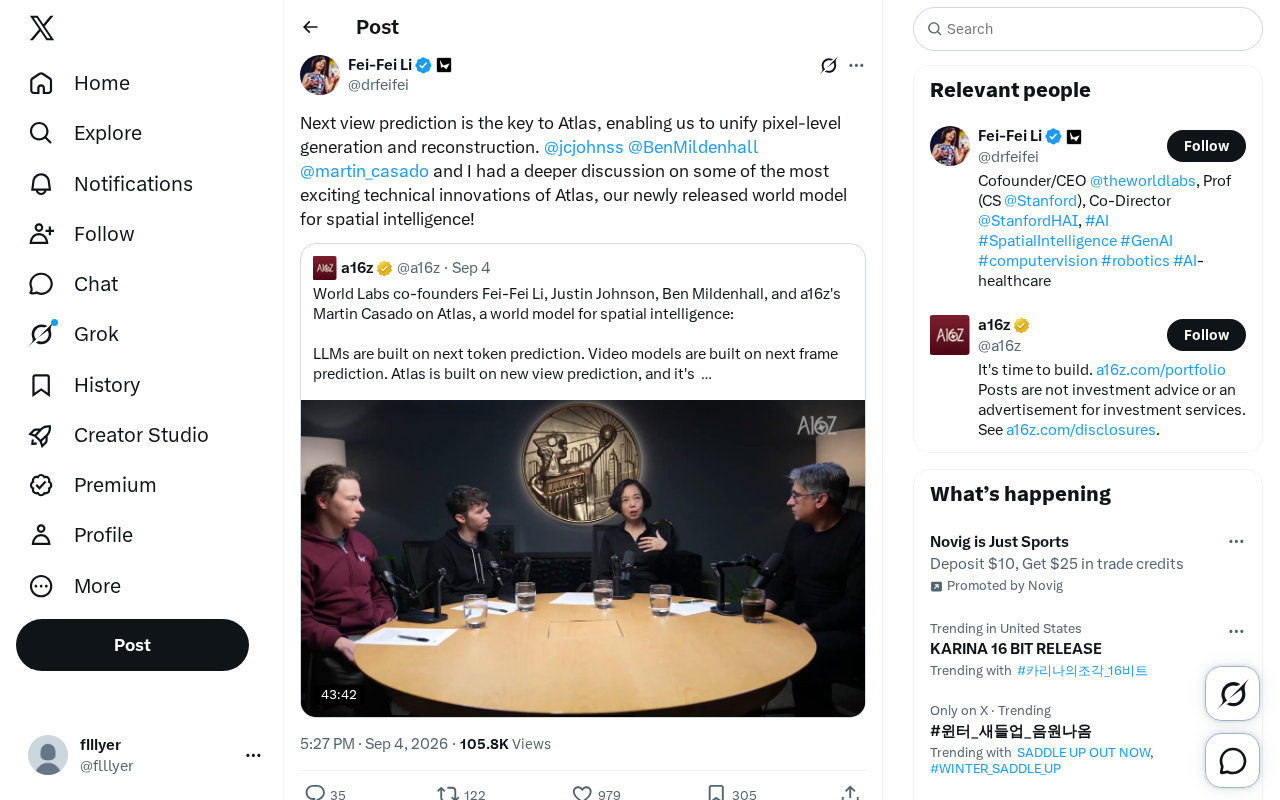
Atlas World Model Explained: How Next View Prediction Unifies Generation and Reconstruction
The Atlas world model uses Next View Prediction as its core to unify pixel-level generation and reconstruction, offering a new approach to spatial intelligence.
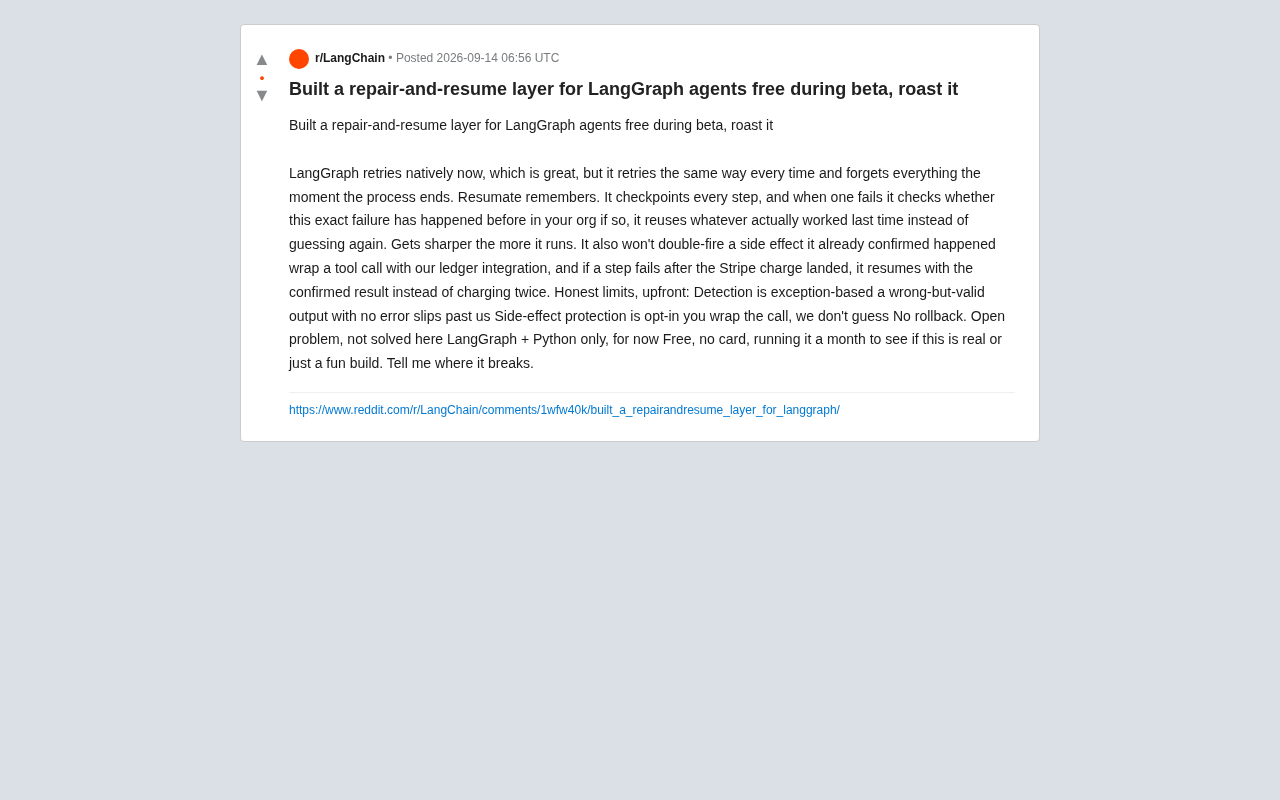
Resumate: A Deep Dive into the Repair-and-Resume Layer for LangGraph Agents
Resumate adds memory-aware checkpointing and idempotent side-effect protection to LangGraph agents, preventing issues like duplicate Stripe charges on retry.