The Forge: Describe Your Idea in One Sentence — an AI Team Builds, Deploys, and Operates It
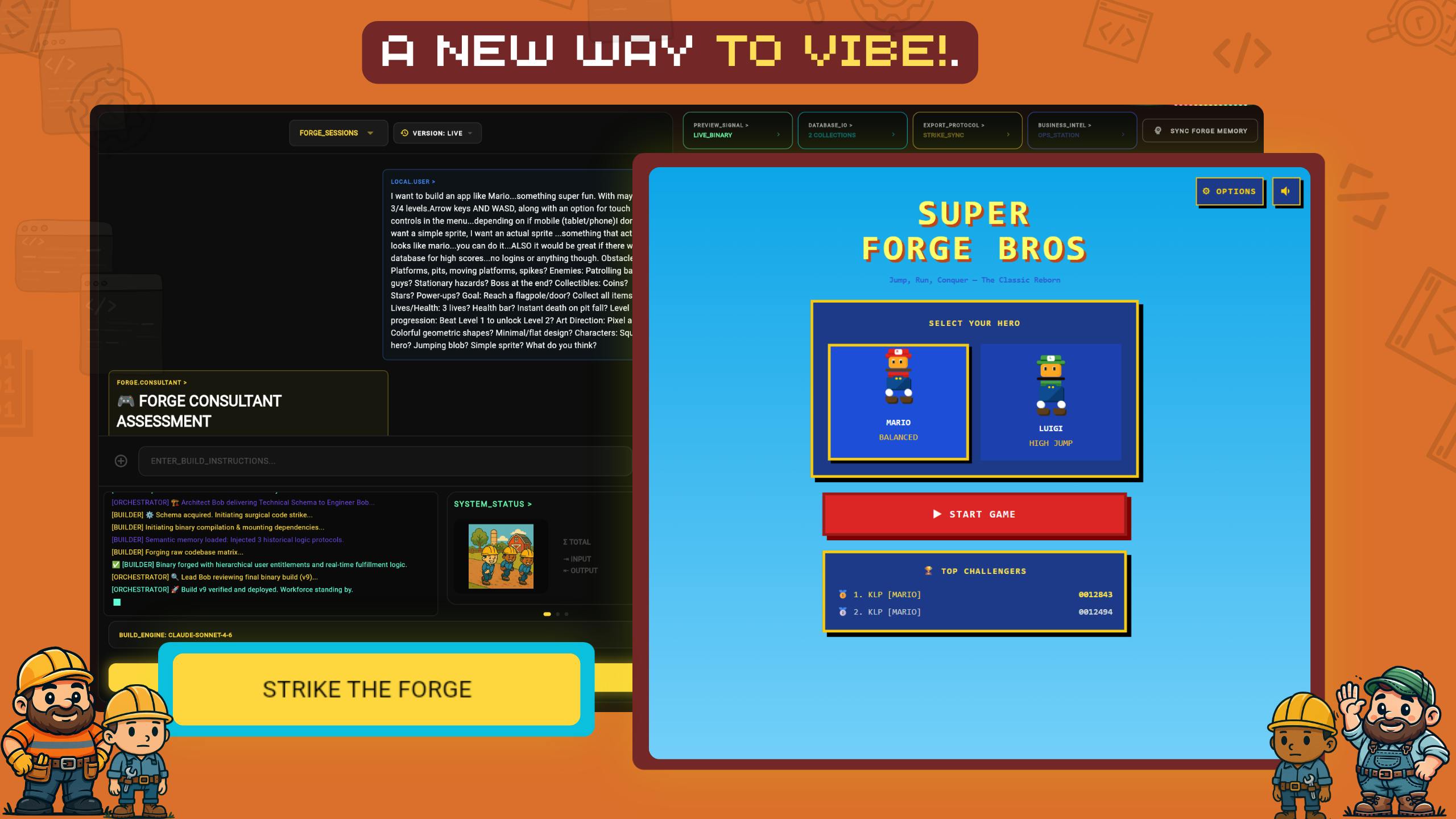
The Forge goes beyond code generation — its AI "team" handles building, deployment, and ongoing business operations.
The Forge by Bob's Workshop is an ambitiously positioned AI app-building tool. Users describe an idea in natural language, and the system acts as a "development, sales, and marketing team" — handling planning, building, deployment, and ongoing operations. It includes production-grade database, authentication, payment integration, CRM, brand management, and autonomous maintenance, positioning itself against Lovable, Bolt, and Replit by claiming it doesn't just generate code but operates products and builds businesses. The article analyzes its differentiation while flagging concerns: the challenge of balancing breadth and depth, vague boundaries around "autonomous operation," and competitive pressure from fast-moving rivals.
The Forge: A Leap from Code Generation to Business Operations
As AI coding tools flood the market, products like Lovable, Bolt, and Replit have already made "generating apps from natural language" the new normal. Now, The Forge by Bob's Workshop — launched on Product Hunt — is pitching a bigger story: rather than just writing code, it aims to serve as a full "development, sales, and marketing team," taking your idea all the way from concept to live operation.
The product earned 72 upvotes and ranked 19th on the leaderboard, spanning the Sales, Developer Tools, GitHub, and No-Code categories. While the vote count isn't explosive, its positioning angle deserves a closer look — because it touches on what may be the central battleground for the next phase of AI app-building tools: moving from "generation" to "operation."
What It Actually Promises
The Forge's core pitch is straightforward: "Describe your idea & your team builds, deploys & operates it."
According to the official description, users simply explain what they want in natural language, and the system handles everything from planning and design to building and deployment — no coding required. More importantly, it claims every delivered application comes with a near-production-ready capability stack:
- Production-grade database and authentication system
- Choice of multiple AI models
- Payment integration
- Built-in CRM
- Brand management
- Autonomous maintenance and operations
The ambition behind this list is clear — it attempts to cover most of the components a SaaS product needs, from its technical foundation to its business loop. The database and authentication handle the infrastructure; payments and CRM target monetization and customer management; and "autonomous maintenance" means AI continues running in the background even after launch.
Differentiation from Lovable, Bolt, and Replit
The Forge directly calls out three prominent competitors in its introduction: "Unlike Lovable, Bolt, or Replit — The Forge doesn't just generate code. It operates your product and builds your business."
This line is the key to understanding the entire product positioning. Today's mainstream AI app-building tools are, at their core, still "code generators" — they translate natural language into runnable front-end and back-end code, deliver a deployable application, and leave the sales, user acquisition, customer management, and long-term maintenance to the user.
The Forge is targeting the "second half" of that chain: not just delivering a product, but helping you operate it and build a business around it. The built-in CRM, brand management, and autonomous maintenance capabilities are all designed around "what happens after launch." If Lovable and its peers answer the question "how do I build it?", The Forge claims to answer "how do I build it and keep it running profitably?"
From Tool to "Team" — The Metaphor at Work
What's worth noting is how consistently The Forge uses the word "team." Rather than describing itself as a more feature-complete tool, it positions itself as a "development, sales, and marketing team." This anthropomorphic framing is a hallmark narrative in today's AI Agent products — bundling multiple automated capabilities into a "digital employee/team" to lower the cognitive barrier for non-technical users. For indie developers, early-stage founders, or small business owners without a technical staff, the promise of "one sentence gets you a whole team" is highly compelling.
AI Agents are the key context for understanding this narrative. Unlike traditional tools that operate on a single input-output interaction, AI Agents can autonomously break down goals, devise plans, invoke external tools (such as databases, APIs, and browsers), and iterate across multiple steps until a complex task is complete. When multiple Agents collaborate, they form what's known as a "multi-agent system" — one handling code generation, another testing, another deployment — passing context between each other and cross-checking outputs. The "development, sales, and marketing team" that The Forge describes is, technically speaking, a commercialized packaging of exactly this architecture: mapping workflows that would otherwise require multiple human employees into a coordinated pipeline of specialized Agents. This is why "team" is a more accurate descriptor than "tool" — it implies continuous, autonomous execution rather than a one-time code output.
Questions Worth Approaching Carefully
Beyond the promotional narrative, this kind of "full-stack autonomous operation" product warrants a more measured look.
First, breadth and depth are hard to achieve simultaneously. Database, authentication, payments, CRM, brand management, autonomous maintenance — claiming "production quality" across this many modules is a bold assertion. Whether the actual delivered quality can hold up under real-world business conditions remains to be validated through hands-on experience. Current public information is largely limited to official descriptions, with no third-party benchmarks available.
Second, the boundaries of "autonomous operation" are undefined. Operating a live product with paying users and real payment flows involves hard constraints around security, compliance, and incident response. How "autonomous" the AI can truly be is the decisive factor for the product's value — and also the area most prone to overpromising.
Third, the moat question. Lovable, Bolt, and Replit are all iterating rapidly, and extending toward "deployment + operations" is only a matter of time. For The Forge to hold its differentiated position of "not just generating, but also operating," it needs to build a genuine lead in business-loop capabilities.
"Production-ready" is an extremely loaded term in the software industry, referring to a system's ability to stably serve real users, real data, and real financial transactions in a genuine commercial environment. This typically means meeting hard requirements such as high availability (e.g., 99.9%+ uptime), data persistence and backup, security vulnerability protection (e.g., SQL injection and XSS defenses), payment compliance (e.g., PCI DSS standards), and scalable architecture design. The history of no-code and low-code platforms is full of promises about "out-of-the-box production-grade capabilities," but actual delivery often exposes limitations under edge-case scenarios like high concurrency, data migration flexibility, or compliance audits. When evaluating The Forge, it's especially important to examine the specifics of its payment compliance, data security, and failure recovery mechanisms — not just the completeness of its feature list.
Final Thoughts
The Forge represents a clear evolutionary direction for the AI app-building space: the competitive focus is shifting from "can you generate code that runs?" to "can you keep an entire product and business running on a user's behalf?" It compresses technical generation, business monetization, and long-term maintenance into a single natural language instruction — a vision that is genuinely imaginative.
Of course, there's often a vast engineering gap between vision and execution. For developers and founders tracking the no-code and AI Agent space, The Forge is worth adding to your watchlist — but before committing real business use cases to it, it's wise to validate the true quality of its "operational" capabilities with a smaller project first.
Related articles
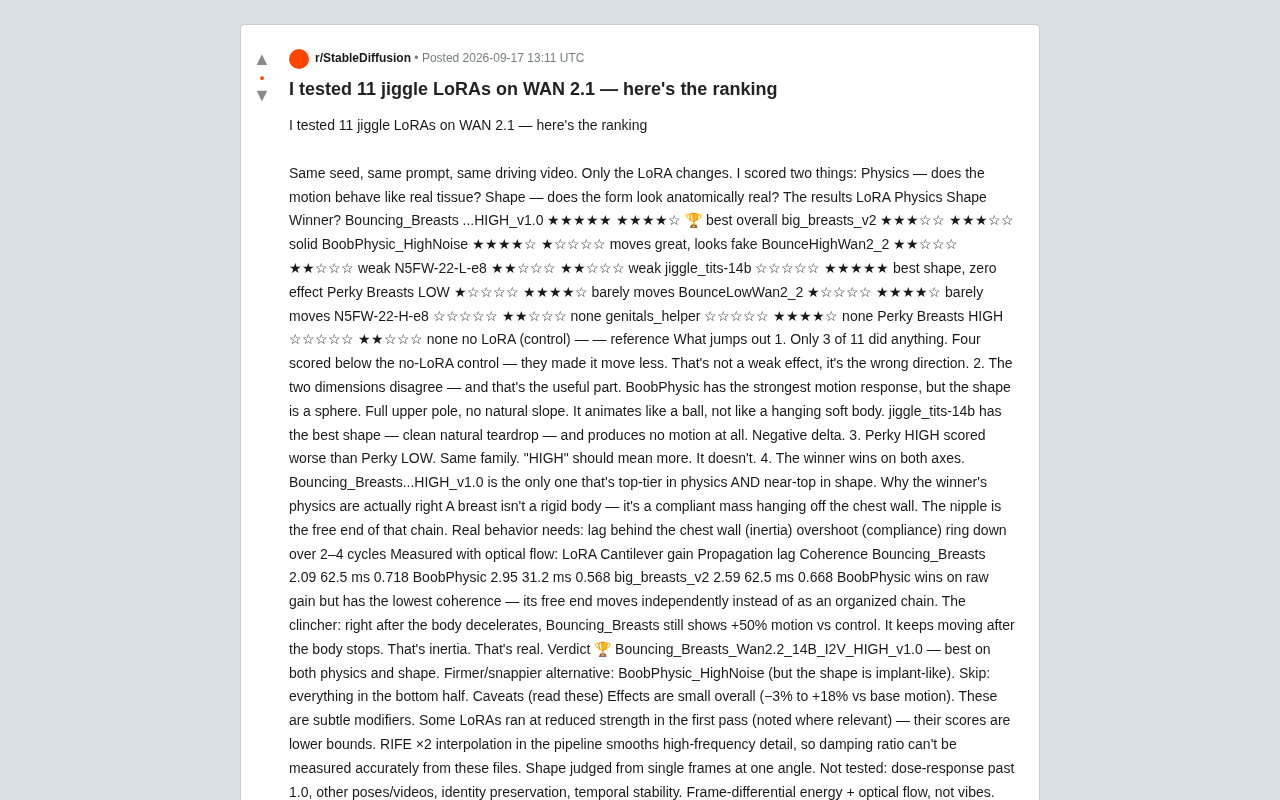
WAN 2.1 Physics Motion LoRA Benchmark: Rankings and Methodology for 11 Models Tested
A Reddit user benchmarked 11 physics-motion LoRAs on WAN 2.1 using optical flow analysis. Only 3 worked meaningfully; 4 scored below the no-LoRA baseline. Full rankings and methodology inside.
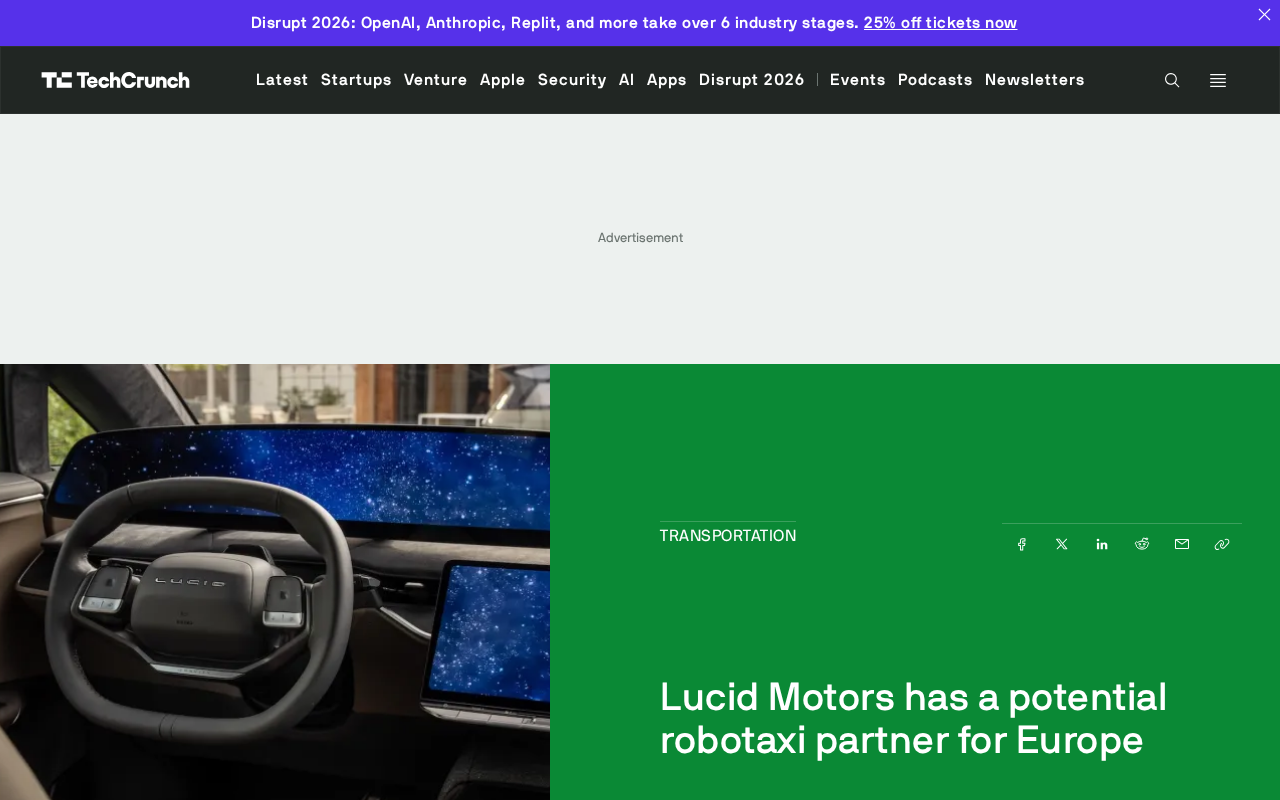
Lucid Partners with Bolt to Target European Robotaxi Market
Lucid Motors has signed a letter of intent with European mobility platform Bolt to explore Robotaxi services in Europe, though no vehicle orders have been placed yet.
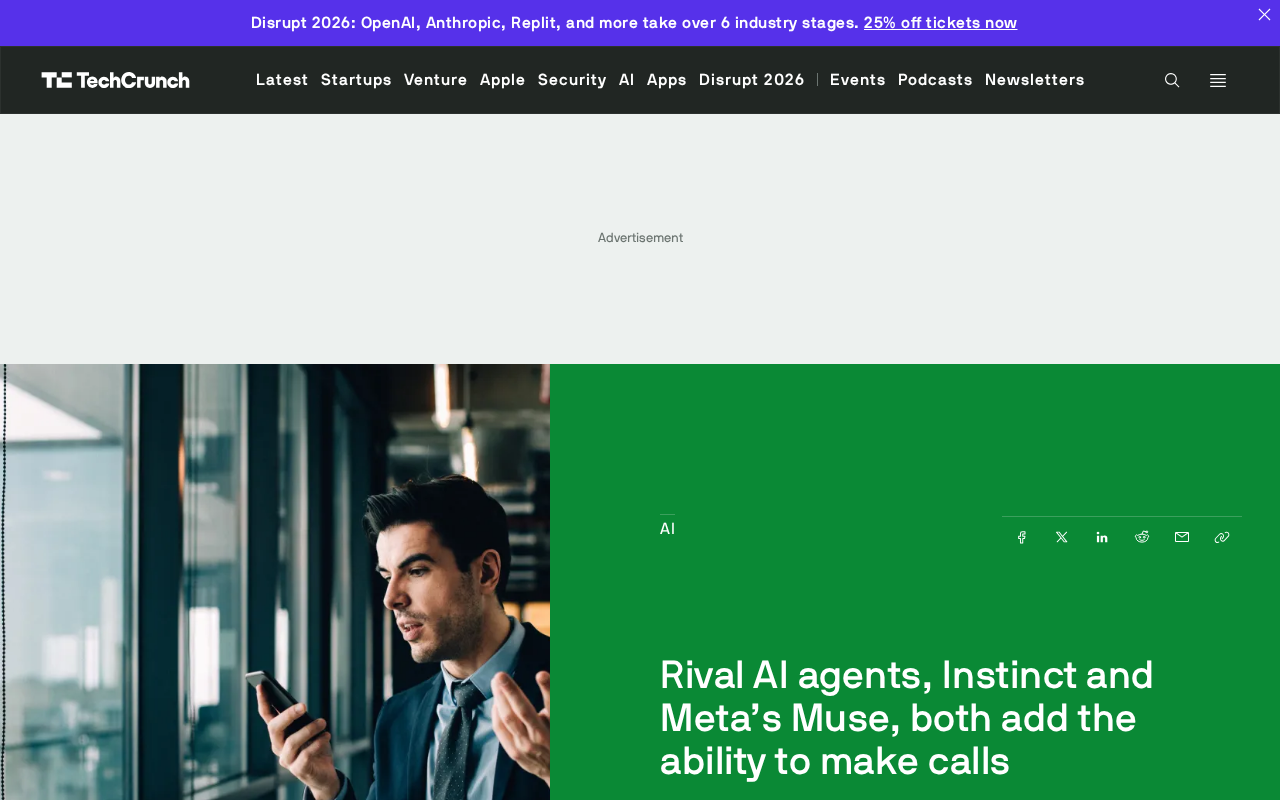
AI Assistants Enter the "Phone Call" Era: Instinct and Meta Muse Add Voice Task Execution
AI assistants Instinct and Meta Muse now make phone calls on your behalf — booking restaurants, canceling subscriptions — marking a leap from chat tools to real-world agents.