The Frontend Mentor Founder Story: From Fitness Trainer to Self-Taught Developer Making $180K/Year

A fitness trainer self-taught coding and built Frontend Mentor, a 200K-user learning community earning $180K/year
Matt Stoddart, a sports graduate and fitness trainer, taught himself to code and transitioned into frontend development. While working as a bootcamp instructor, he discovered that students lacked platforms for hands-on project practice and portfolio building. He created Frontend Mentor, a coding challenge community that grew to 200,000 users and over $180,000 in annual revenue.
How did a fitness trainer with a sports degree, no technical background, teach himself to code and build a programming learning community with 200,000 users and over $180,000 in annual revenue? The story of Frontend Mentor founder Matt Stoddart offers an incredibly valuable real-world playbook for indie developers.
From Fitness Trainer to Frontend Developer: An Unexpected Career Pivot
Matt Stoddart's background is surprising — he studied Sports and Exercise Science in college and started a personal fitness training business in his hometown after graduating. While he enjoyed running his own business, he gradually realized that personal fitness training wasn't an ideal long-term career.
All the startup ideas floating around in his head pointed toward online businesses, but without the funds to hire developers, he decided to teach himself to code. He enrolled in General Assembly's three-month, full-time frontend development bootcamp, and after completing it, landed a developer job.
General Assembly is a tech education institution founded in New York in 2011 and was one of the first global pioneers to commercialize the "Coding Bootcamp" model. Its core philosophy is to help people from non-technical backgrounds complete a career transition in 3-6 months through intensive, short-cycle immersive instruction. This model sparked a global boom between 2012 and 2018, giving rise to hundreds of similar institutions like Flatiron School, Le Wagon, and Lambda School. The bootcamp model is essentially a market supplement to traditional four-year computer science degrees — it doesn't pursue systematic computer science theory but instead focuses on employment-oriented practical skills. However, the bootcamp model also exposed a structural flaw: after completing courses in a high-pressure environment, students often lacked sufficient hands-on project experience to build a job-ready portfolio. This was precisely the fundamental opportunity that Matt identified for Frontend Mentor.
Afterward, he spent his evenings and weekends going back to General Assembly as a teaching assistant. A year later, he became a part-time lead instructor teaching a ten-week frontend course. It was this teaching experience that revealed a real market pain point — the most common question students asked was: "After the course ends, where can I practice building projects and develop my portfolio?"
Related articles
Meta Muse Hits 900K Downloads in Six D…
Meta Muse Hits 900K Downloads in Six Days: The AI Agent Era Has Officially Arrived
Meta's AI agent Muse hit 902K downloads in 6 days, topping US App Store and Google Play charts above ChatGPT and Claude. A deep dive into Muse's capabilities and the AI Agent race.
 Industry Insights
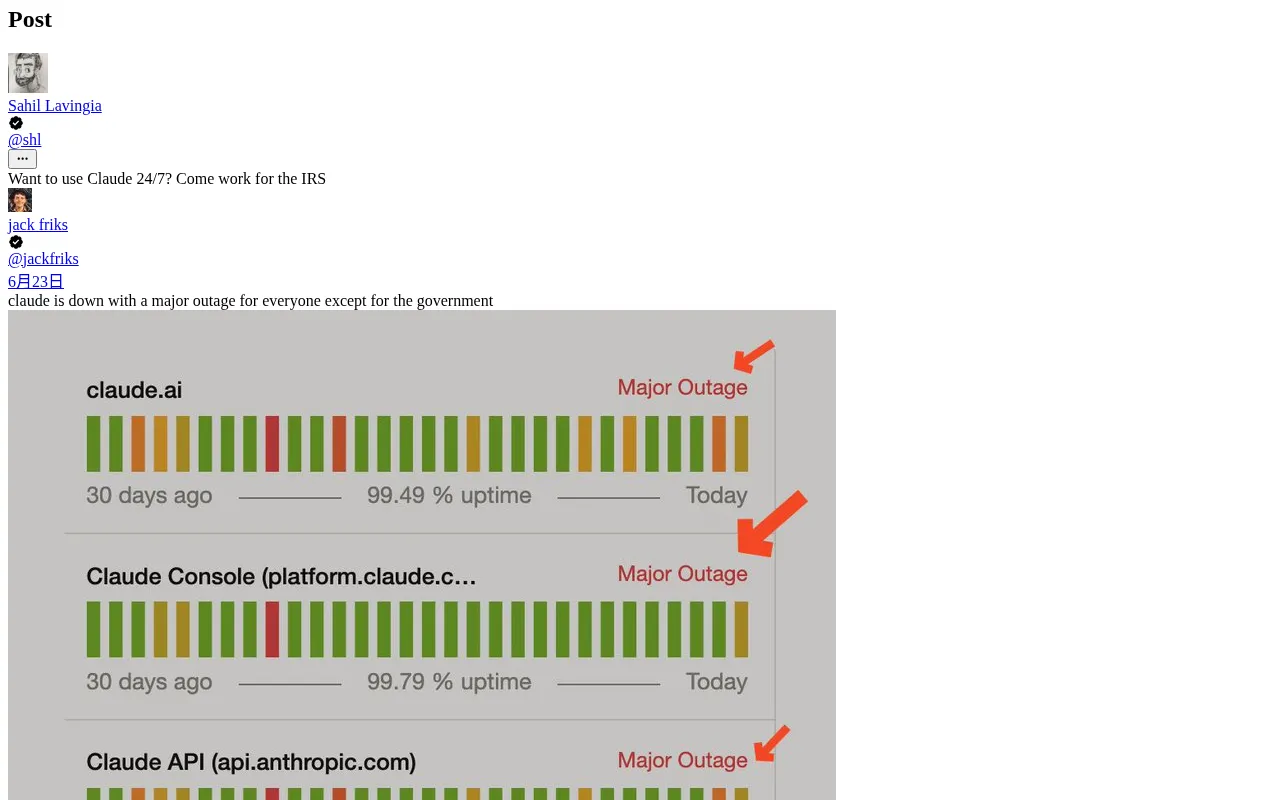
IRS Fully Embraces Claude AI, Accelerating Federal Government's AI Adoption
The IRS is recruiting staff with 24/7 Claude AI access, marking Anthropic's breakthrough into the federal government. Explore the strategic implications and tax use cases.
 Industry Insights
The IRS Mobile App Debate: A Trust Crisis in Government Digital Transformation
The IRS's proposed mobile app has sparked heated debate. This article analyzes the core arguments, exploring data security, privacy, and the trust crisis in government digital transformation.