The Xbox Comeback Plan: Microsoft's Internal Rally Reveals a Gaming Strategy Reboot

Microsoft Xbox launches a full strategic reboot with "The Return of Xbox" internal rally.
Xbox CEO Asha Sharma gathered hundreds of employees for an internal rally themed "The Return of Xbox." Amid lagging console sales behind PS5, massive layoffs, and studio closures, Xbox is shifting from pure hardware competition to a comprehensive ecosystem strategy spanning next-gen consoles, exclusive content, Game Pass subscription optimization, and cloud-based cross-platform gaming experiences.
Microsoft Xbox Is Brewing a Major Comeback
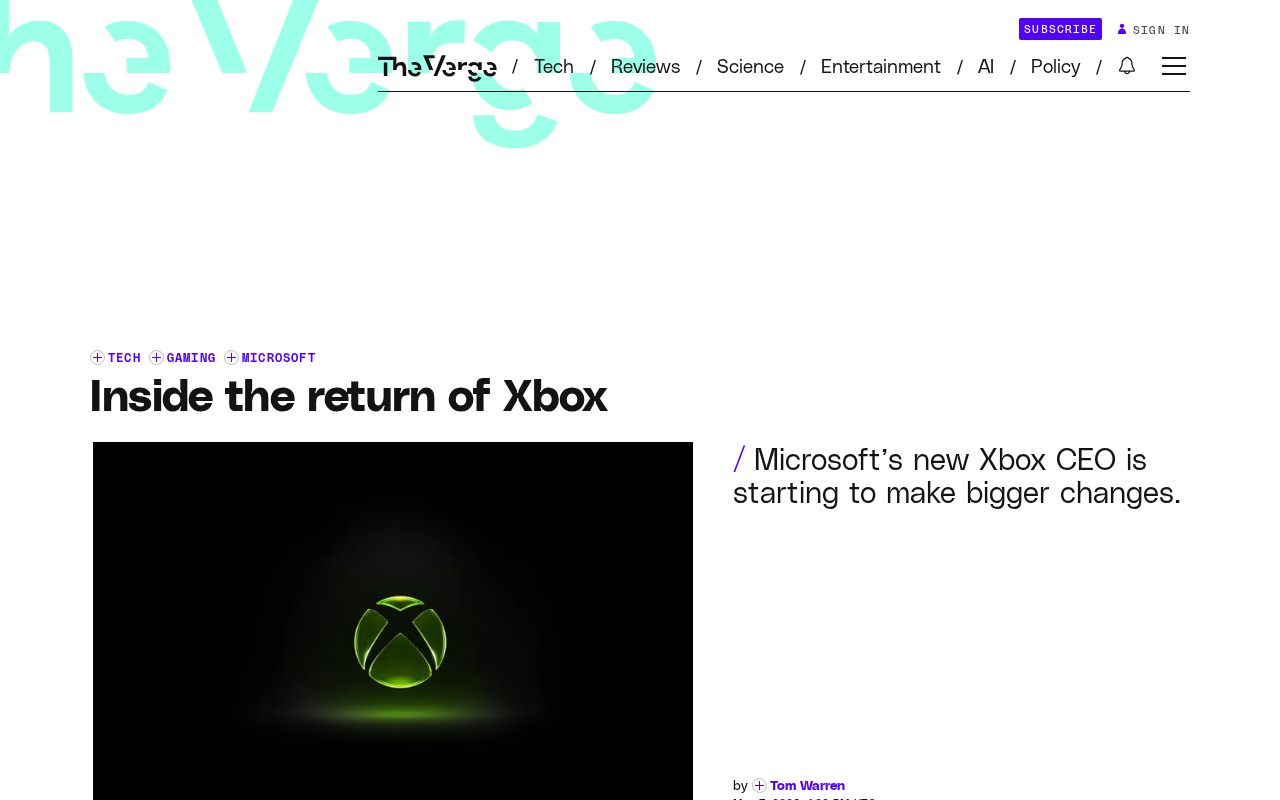
Two weeks ago, a special atmosphere filled Microsoft's Studio D building. Hundreds of Xbox employees gathered on a Thursday morning, packing the hallways and atrium, waiting for Xbox CEO Asha Sharma to speak. The slogan "The Return of Xbox" was plastered on every wall of the building, sending a clear signal — Xbox is redefining its future.
Xbox's Challenges and the Context for Transformation
Intensifying Competition in the Console Market
In recent years, Xbox has faced fierce competition from Sony PlayStation and Nintendo in the console market. Although Microsoft completed its historic $69 billion acquisition of Activision Blizzard in October 2023 — the largest merger in gaming history, bringing top-tier IPs like Call of Duty, World of Warcraft, Diablo, and Overwatch with monthly active users once exceeding 350 million — how to convert these assets into tangible market advantages remains a core challenge for the team.
The acquisition endured nearly two years of regulatory scrutiny, facing investigations and challenges from the U.S. FTC, the European Commission, and the UK's CMA, ultimately clearing regulatory hurdles through measures such as licensing Call of Duty cloud gaming rights to Ubisoft. Yet even after the deal closed, integrating such a massive content portfolio, avoiding creative culture clashes, and transforming these IPs into Game Pass's core draw remain long-term challenges for Microsoft. With Xbox Series X/S continuing to trail PS5 in global sales, Microsoft has been forced to fundamentally re-examine the underlying logic of its gaming strategy.
A Fundamental Shift in Strategic Direction
Over the past year, Microsoft has made several major decisions, including bringing select first-party games to competitor platforms, restructuring its gaming division, and adjusting Game Pass subscription pricing and content.
Game Pass is Microsoft's game subscription service launched in 2017, widely regarded as gaming's "Netflix moment." It allows users to access hundreds of games for a monthly fee, anchored by the core promise that Microsoft first-party titles are available on launch day. As of 2024, Game Pass has surpassed 34 million subscribers. However, this model faces sustainability questions: the balancing act between high content costs and relatively limited subscription revenue prompted Microsoft to raise the top-tier Game Pass price to $22.99 per month in 2024 while discontinuing some entry-level plans. The core logic of the subscription economy lies in maximizing user lifetime value (LTV) rather than per-transaction revenue — a fundamental commercial logic that differs from the traditional game sales model.
While these moves sparked controversy among core gamers in the short term, they represent a long-term shift from pure hardware sales competition to a broader ecosystem play — a gaming empire no longer confined to a single device.
Asha Sharma's Leadership and the New Xbox Vision
The New Xbox CEO's Core Mission
As Xbox CEO, Asha Sharma carries the responsibility of leading the brand back to the top. Choosing "The Return of Xbox" as the central theme for the employee rally was more than a slogan — it was a strategic mobilization of the entire internal team. This all-hands approach signals that Microsoft is driving change at the organizational culture level, aiming to reignite the team's fighting spirit and sense of mission.
Rebuilding Internal Morale Is Urgent
For an Xbox team that has endured multiple rounds of layoffs and strategic pivots, this kind of gathering holds special significance. Microsoft's gaming division has laid off thousands of employees over the past two years, including shutting down well-known studios like Tango Gameworks.
The closure of Tango Gameworks epitomized the gaming industry's 2024 layoff wave. The studio, known for Ghostwire: Tokyo and Hi-Fi Rush, was shuttered despite the latter earning exceptional critical acclaim — a decision that sent shockwaves across the industry. Between 2023 and 2024, the gaming industry saw cumulative layoffs exceeding 25,000 people, affecting virtually every major publisher including EA, Sony, Epic Games, and Ubisoft. The deeper causes include: post-pandemic corrections after over-expansion, exponentially rising AAA development costs (with some titles' budgets exceeding $300 million), and tightened capital due to rising interest rates. For Microsoft specifically, studio closures also involved post-acquisition asset restructuring logic, but the negative impact of these decisions on employee morale and external brand perception is precisely one of the core issues "The Return of Xbox" needs to address head-on.
In this context, rebuilding team confidence and cohesion is not just a management necessity — it's a prerequisite for strategic execution.
Possible Paths for Xbox's Comeback and Industry Impact
A Multi-Dimensional Comeback Plan
Based on information revealed so far, Xbox's "return" likely spans multiple dimensions:
- Hardware: Planning and market positioning for the next-generation Xbox console, potentially including devices in multiple form factors
- Content: Leveraging studio groups like Activision Blizzard and Bethesda to deliver blockbuster exclusive titles
- Game Pass Services: Further refining the subscription ecosystem, improving content library quality and user retention
- Cross-Platform: Building Xbox into a ubiquitous gaming brand, no longer confined to the living room console
The technological pillar of the cross-platform vision is Xbox Cloud Gaming (formerly Project xCloud) — Microsoft's game streaming service built on Azure cloud infrastructure, allowing users to run console-quality games on phones, tablets, browsers, and other non-traditional gaming devices. The core technical challenge of cloud gaming is latency control; an ideal experience requires compressing end-to-end latency to under 20 milliseconds, which places extremely high demands on the geographic density of data centers and network protocol optimization. Microsoft has deployed over 60 Azure data center regions worldwide, providing a unique infrastructure advantage for cloud gaming. When games can run on any screen, Xbox is no longer a hardware brand — it becomes a ubiquitous gaming service entry point, aligning closely with Microsoft's overarching "cloud-first, mobile-first" corporate strategy.
Ripple Effects Across the Entire Gaming Industry
As one of the largest players in the gaming industry, any strategic adjustment by Microsoft has far-reaching implications for the entire sector. If Xbox successfully achieves its "return," it will not only reshape the three-way competitive landscape in the console market but could also accelerate the industry's evolution in subscription services, cloud gaming, and cross-platform experiences.
Conclusion: A Deep Strategic Reboot
"The Return of Xbox" is still in its early stages, and specific product and strategy details have yet to be fully revealed. But judging by the scale of Microsoft's internal mobilization, this is far from a simple brand marketing campaign — it's a comprehensive reboot spanning organizational structure, product direction, and market strategy. In the coming months, we can expect more concrete details about Xbox's future direction to surface. For gamers and industry observers alike, this is undoubtedly one of the most noteworthy gaming industry developments of 2025.
Key Takeaways
- Hundreds of Xbox employees attended an internal rally, with "The Return of Xbox" banners displayed throughout Microsoft's Studio D building
- Xbox CEO Asha Sharma spearheaded the internal mobilization, signaling a brand strategy reboot
- Facing competitive pressure in the console market, Xbox is shifting from hardware competition to a broader ecosystem play
- After layoffs and restructuring, Microsoft's gaming division is working to rebuild team morale and cohesion
- Xbox's comeback may span multiple dimensions including hardware, content, services, and cross-platform experiences
Related articles
Meta Muse Hits 900K Downloads in Six D…
Meta Muse Hits 900K Downloads in Six Days: The AI Agent Era Has Officially Arrived
Meta's AI agent Muse hit 902K downloads in 6 days, topping US App Store and Google Play charts above ChatGPT and Claude. A deep dive into Muse's capabilities and the AI Agent race.
 Industry Insights
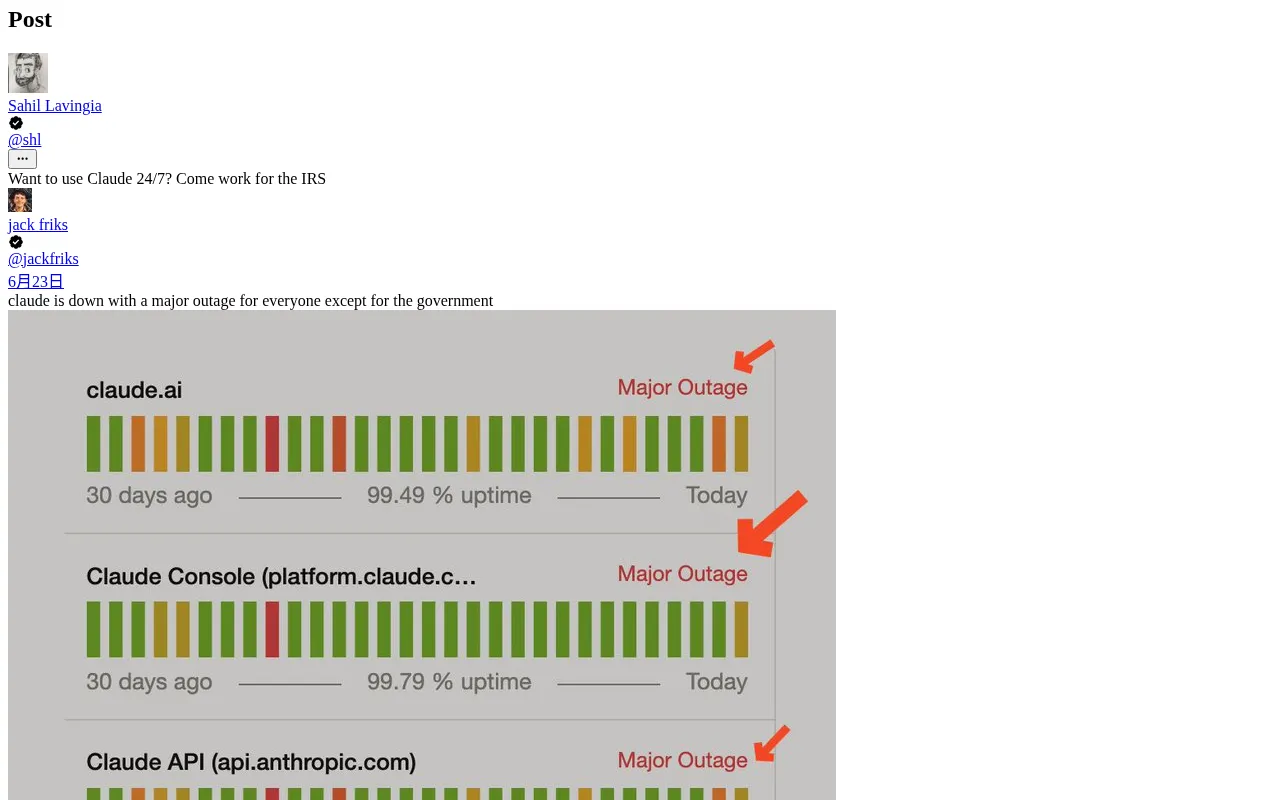
IRS Fully Embraces Claude AI, Accelerating Federal Government's AI Adoption
The IRS is recruiting staff with 24/7 Claude AI access, marking Anthropic's breakthrough into the federal government. Explore the strategic implications and tax use cases.
 Industry Insights
The IRS Mobile App Debate: A Trust Crisis in Government Digital Transformation
The IRS's proposed mobile app has sparked heated debate. This article analyzes the core arguments, exploring data security, privacy, and the trust crisis in government digital transformation.