Tired of Complex Workflows? A Roundup of Platforms for Building AI Agents with Natural Language
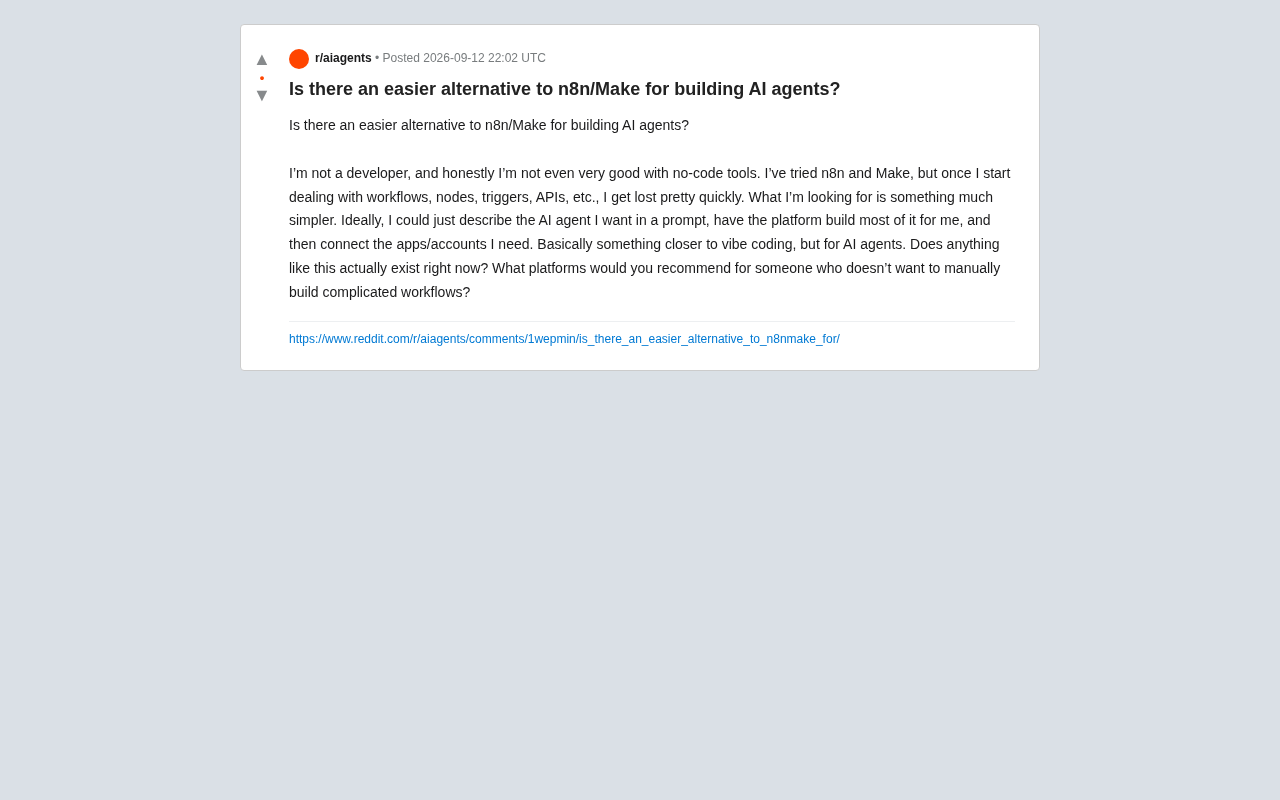
Natural language AI Agent builders are emerging as a friendlier alternative to n8n and Make for non-technical users.
Starting from a non-technical user's frustration with n8n and Make, this article explains why visual workflow tools are inherently unfriendly to beginners — node orchestration still requires programming-style thinking. It identifies two emerging approaches: layering AI generation onto existing platforms, and fully conversational Agent builders. It also advises readers to weigh integration coverage, debuggability, and pricing, and recommends starting with a single concrete task rather than waiting for a perfect zero-effort solution.
For many non-developers, platforms like n8n and Make carry a surprisingly steep learning curve. Nodes, triggers, API mapping, error handling — any one of these can stop a newcomer cold. One Reddit user put into words what a lot of people feel: he's not a programmer, doesn't consider himself skilled with no-code tools, and after trying both n8n and Make, he got lost the moment workflow building began. What he actually wanted was to "describe the AI Agent I need in a prompt, have the platform build most of it for me, and then just connect my accounts" — essentially bringing the vibe coding experience to AI Agent construction.
This desire reflects a rapidly evolving market trend: AI Agent builder tools are shifting from "visual node orchestration" toward "natural language generation." With that in mind, this article surveys several categories of tools that are better suited to non-technical users.
Why n8n and Make Push Beginners Away
At their core, n8n and Make are "automation orchestration tools" built around a design philosophy of making every logical step explicit. That delivers tremendous control and flexibility — but it demands that users understand how data flows between nodes.
For developers or people with a technical background, this explicit structure is actually a feature. You get precise control over every step. But for users like the Reddit poster, the problem is fundamental: he doesn't want to understand how triggers map to API parameters. He just wants to describe the goal and let the system figure out how to achieve it.
These two needs are fundamentally misaligned. Visual workflows are still essentially programming — just replacing code with draggable boxes. Once the business logic gets even slightly complex, the number of boxes and connectors explodes, and the cognitive load isn't much lower than writing code.
Natural Language Agent Generation Is the Current Mainstream Direction
The ideal state the Reddit poster described — "describe what you need, platform builds it automatically" — is exactly the selling point of a new wave of tools. The core idea behind these products is to use a large language model as a "translation layer": you describe what you want in plain language, and the model generates the underlying workflow or invocation logic.
These solutions generally fall into two categories:
1. Layering AI Generation on Top of Existing Platforms
Some established automation platforms have added an AI-powered "describe it in text, auto-generate the workflow" feature on top of their existing visual interfaces. You can still manually tweak nodes after generation, but the barrier to getting started drops significantly. The advantage of this model is that it preserves control while eliminating the pain of building from scratch — a good fit for users who are willing to learn a bit but don't want to do everything by hand.
2. Fully Conversational Agent Builder Platforms
A second category abandons explicit node views entirely, leading with a "build your Agent like a chat conversation" experience. You describe the task, the system generates a runnable Agent, and then guides you through authorizing connections to the apps you need (email, calendar, Slack, databases, etc.). For users who want nothing to do with workflow concepts, this type of tool comes closest to the "vibe coding for agents" experience the poster had in mind.
What to Weigh When Choosing a Tool
Natural language generation sounds great in theory, but there are several practical factors to consider when actually making a choice.
Integration coverage: No matter how smart an Agent is, it's useless if it can't connect to the apps you need. A big reason n8n and Make are so popular is that they support hundreds or even thousands of integrations. Newer conversational platforms often lag behind in breadth, so always verify that a platform supports your core tools before committing.
Controllability and debugging: AI-generated Agents have a hidden risk — when something goes wrong, non-technical users may have no idea where the problem is. Visual tools at least let you see which step broke. The convenience of a "pure black box" comes at the cost of debuggability.
Pricing and usage: AI-generated and AI-run Agents typically consume a large number of tokens. On usage-based pricing plans, costs can scale quickly. For individuals just exploring, it's safer to validate your needs with a free tier before committing to a paid plan.
Practical Advice for Non-Technical Users
If you're like the Reddit poster — clear on your goal of touching workflows as little as possible — here's a sensible approach:
Start with a specific, single task rather than trying to build a complex multi-step Agent right away. Something like "summarize my unread emails and send them to me every morning" is the kind of clear, bounded task that natural language tools are most likely to understand and execute correctly.
Prioritize platforms with built-in common integrations and conversational generation capabilities. Get one small scenario working end-to-end first, build your confidence, then expand gradually.
Also set realistic expectations: the technology for "generate a perfect Agent from a single sentence" isn't mature yet. In most cases you'll still need to do some clarifying, authorizing, and minor adjustments. "Vibe coding for agents" is getting closer — but it's not fully hands-off yet.
Conclusion
The Reddit poster's request represents a large and underestimated user segment: people with real automation needs who are locked out by the complexity of existing tools. The good news is that building AI Agents with natural language has become an industry consensus, and more and more platforms are moving toward that experience. For those who want to start now, the pragmatic approach is to begin with simple tasks, prioritize integration coverage, and accept some adjustment costs — rather than waiting for a perfect "zero learning curve" solution.
Related articles
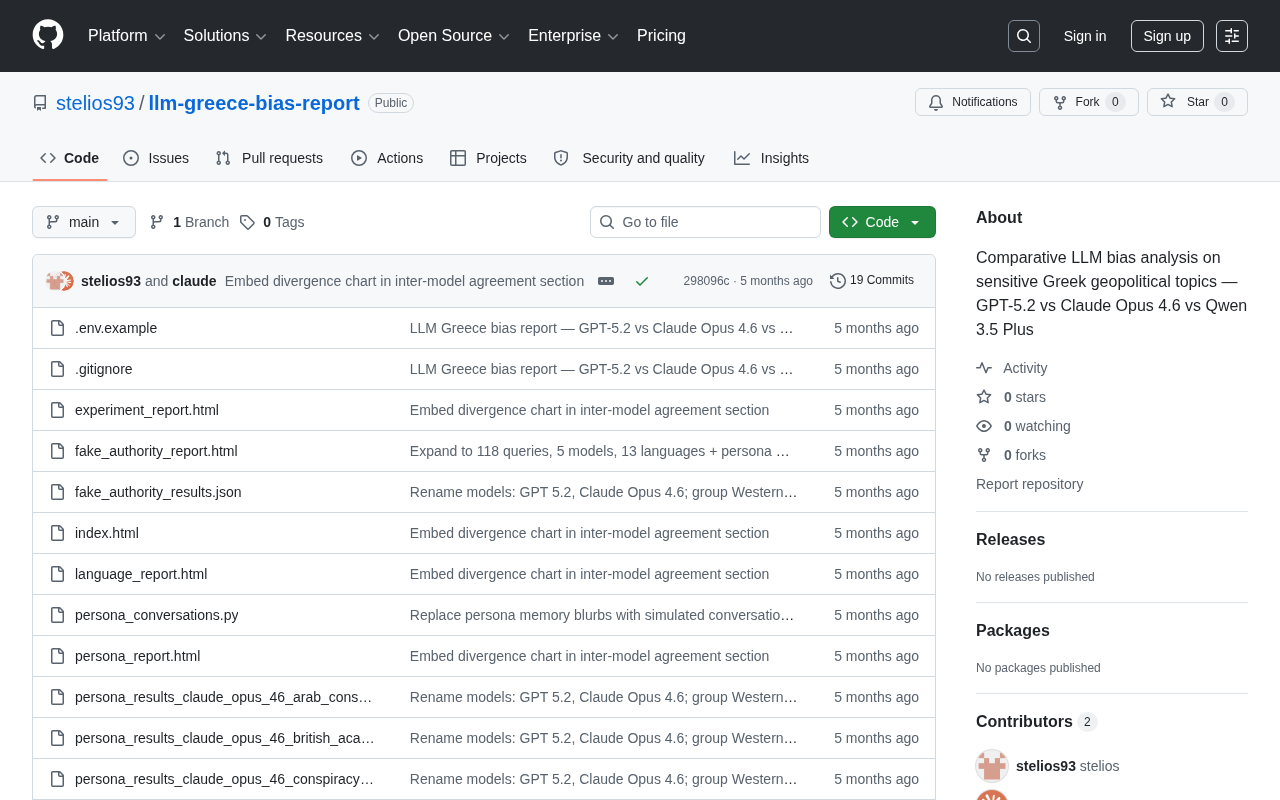
Geopolitical Bias Compared Across Three AI Models: GPT-5.2, Claude, and Qwen Tested
An open-source project compares GPT-5.2, Claude Opus 4.6, and Qwen 3.5 Plus on sensitive Greek geopolitical topics. We break down its methodology, limitations, and why LLM neutrality audits matter.
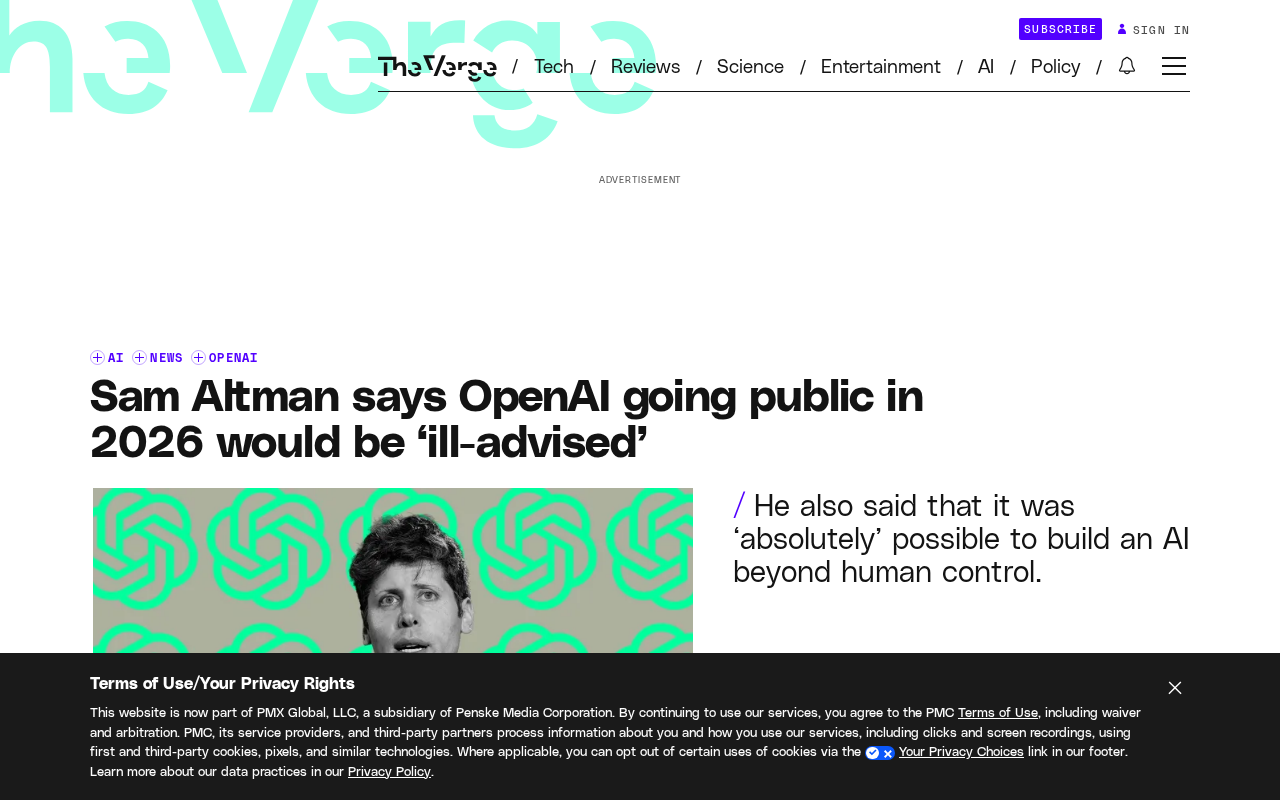
Sam Altman: An IPO in the Near Term Would Be 'Ill-Advised' for OpenAI
OpenAI CEO Sam Altman tells Fortune that an IPO in the near term would be "ill-advised," while also addressing recursive self-improvement risks and the Hugging Face hack.
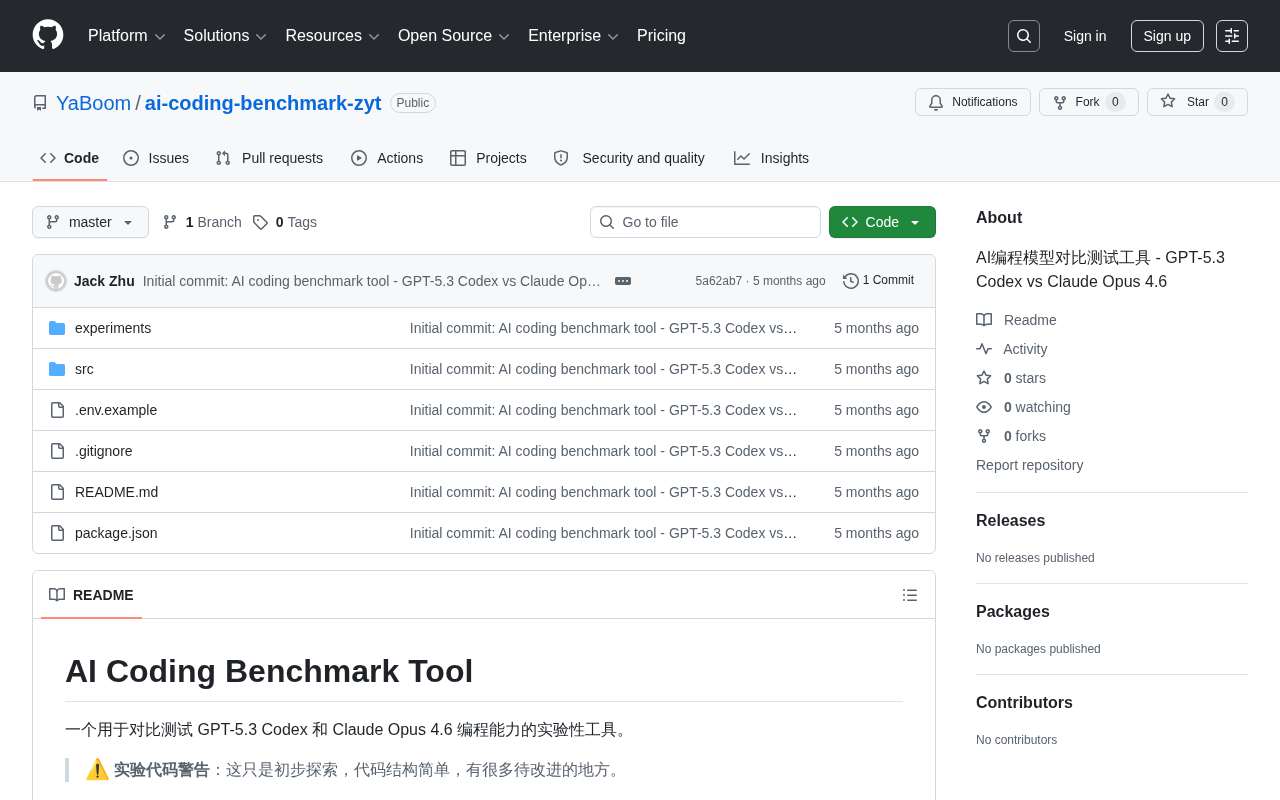
AI Coding Model Benchmark Tool: GPT-5.3 Codex vs. Claude Opus 4.6 — Which One Wins?
The open-source project ai-coding-benchmark-zyt benchmarks GPT-5.3 Codex vs. Claude Opus 4.6. This article explores its methodology, value, and developer guidance.