Transitions.dev: A New Tool for Building UI Transition Animations for AI Agents
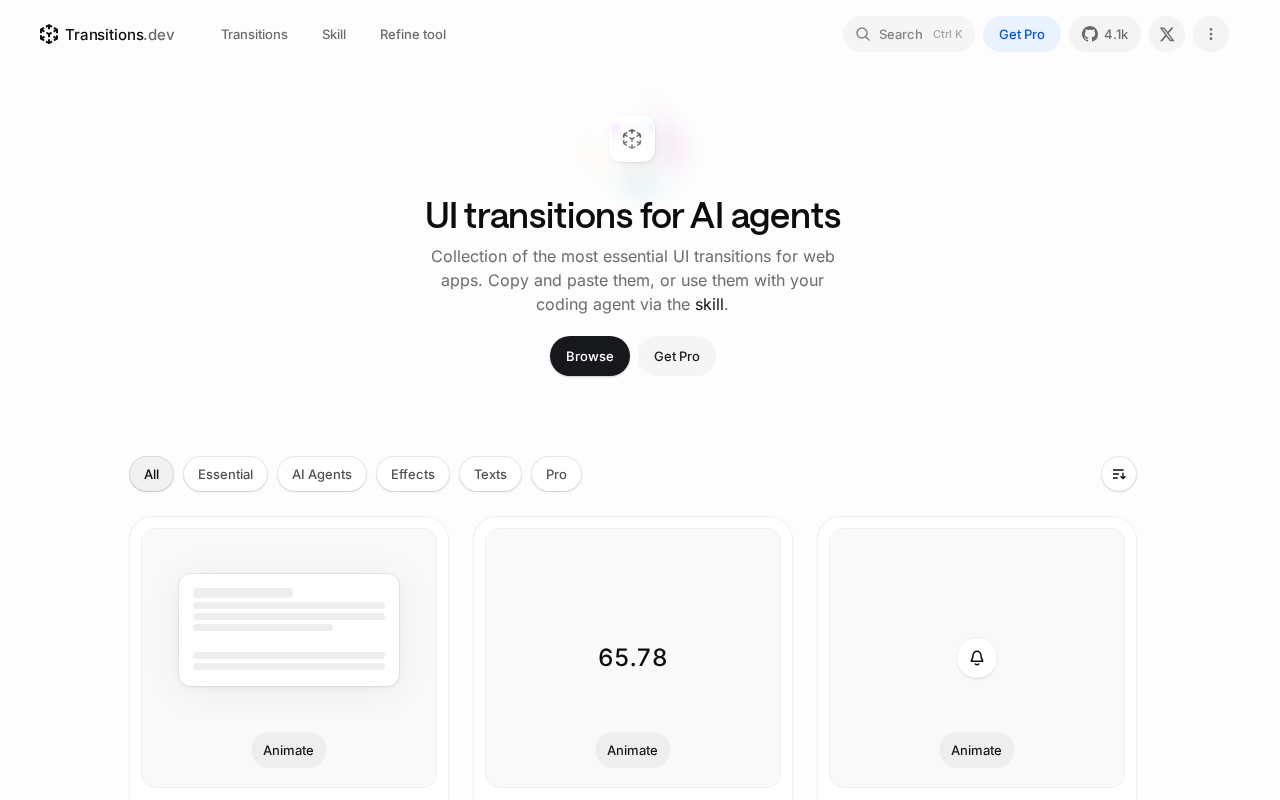
Transitions.dev provides smooth UI transition animations for AI agent-driven interfaces, bridging the gap between AI capabilities and front-end UX.
Transitions.dev is a UI transition animation tool focused on AI agent scenarios. Traditional web animation approaches rely on developers knowing when state changes will occur, but AI agents modify interfaces asynchronously and non-deterministically, making existing solutions a poor fit. Without proper transition handling, jarring interface "jumps" undermine user trust and comprehension. Transitions.dev helps developers convey "what the AI is doing" through visual continuity, reducing the cost of polishing interactions in AI Agent products. The project reflects a broader shift from AI apps being merely "functional" to genuinely "good to use," though its framework integration and production-environment performance remain to be verified.
The UI Interaction Challenge in the Age of AI Agents
As AI agents move from the background into the foreground — directly participating in the operation and presentation of user interfaces — a previously overlooked problem has emerged: when AI autonomously controls UI elements, dynamically generates content, or updates views in real time, how do you keep the user experience smooth and coherent? Transitions.dev is a tool launched specifically for this niche scenario, focused on providing UI transition animation solutions for interfaces driven by AI agents.
In traditional web applications, interface changes are typically triggered by explicit user actions, and developers can pre-define transition animations to smooth out view switches. But in AI agent-driven scenarios, interface changes are often asynchronous and non-deterministic — the AI may insert new content, modify existing elements, or rearrange layouts at any moment. Without proper transition handling, users experience jarring "jumps" in the interface, making it hard to follow what the AI is doing, which in turn erodes trust and usability.
What Transitions.dev Is Trying to Solve
From its name and positioning, the core value of Transitions.dev lies in bridging the gap between "AI agents" and "front-end user experience." When an AI agent executes tasks and reflects them in real time on the interface, appropriate animations can convey critical information about what just happened: which elements were added, which were updated, and which were removed. Visual continuity helps users build a mental model and understand the logic behind the AI's behavior.
The significance of this kind of tool is that it takes transition animations — a relatively mature capability in traditional front-end development — and re-adapts them to the dynamic, unpredictable context of AI applications. For developers building AI Agent products, this means not having to handle the visual continuity of interface state changes from scratch.
Why This Direction Is Worth Watching
The shape of AI applications is evolving rapidly. From early chat-style dialog boxes to agents that can now operate browsers, fill out forms, and generate and modify entire pages, the interface itself is becoming a key vehicle for AI capabilities. As the interface becomes the stage for human-AI collaboration, refining the interaction experience becomes unavoidable.
Transition animations may seem like a detail, but they directly affect a product's polish and usability. An AI application that elegantly presents state changes will significantly boost users' sense of control and trust in the system. Transitions.dev's decision to enter this space at this particular moment reflects a broader trend of AI products evolving from "functional" to "truly usable" — beyond raw capabilities, careful refinement of the interaction layer is starting to get the attention it deserves.
What Remains to Be Seen
It's worth noting that public information about Transitions.dev is currently limited. The project received modest engagement on Hacker News (8 upvotes, no comments at the time of writing), and there's little detailed information available about its specific implementation, tech stack, integration with mainstream frameworks, or real-world performance.
For developers considering giving it a try, the following questions are worth keeping an eye on: Does it provide out-of-the-box integration with popular front-end frameworks like React and Vue? Can it handle complex, concurrent UI state changes? And how does it perform in real AI Agent products? The answers to these questions will determine whether it can grow from a conceptual tool into a reliable choice for production environments.
Summary
Transitions.dev represents an emerging niche need in AI application development — providing smooth visual transitions for agent-driven interfaces. While detailed information is currently limited, the problem it addresses is real and increasingly important. As more AI products allow agents to directly manipulate user interfaces, making those automated changes user-friendly and understandable will become a key dimension in measuring the quality of AI application experiences.
Related articles
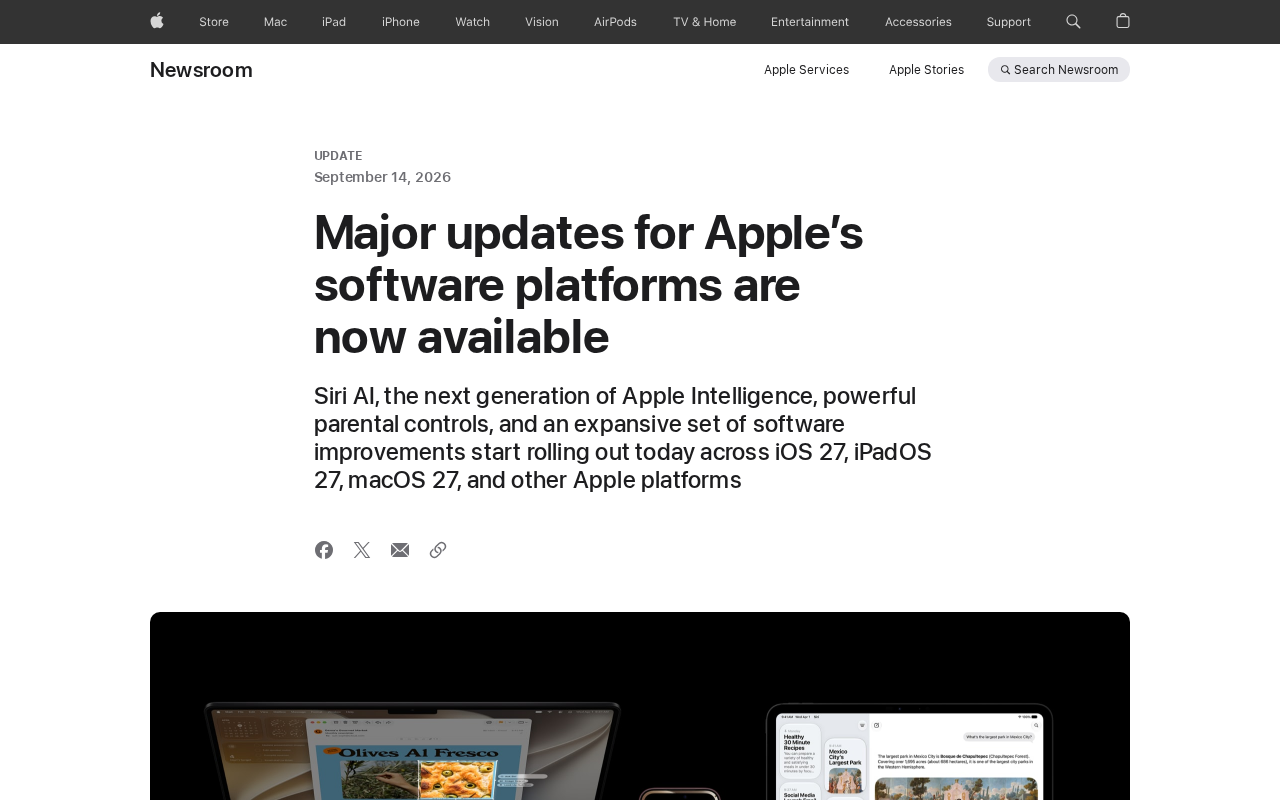
iOS 27, iPadOS 27, and macOS 27: The Information Gap Behind a Discussion
A Hacker News post about iOS 27, iPadOS 27, and macOS 27 sparked speculation about Apple unifying its version numbering. Here's how to read it with limited info.
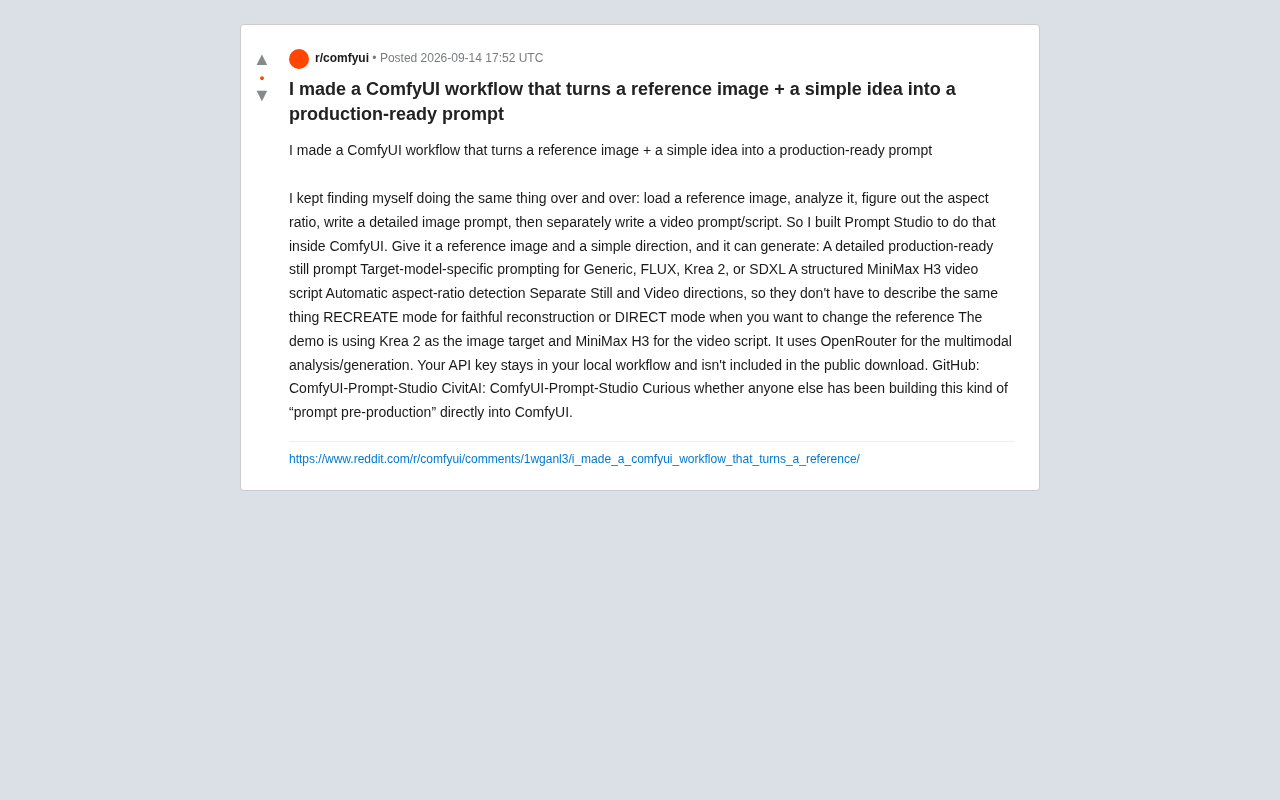
ComfyUI Prompt Studio: A Workflow for Turning Reference Images into Production-Ready Prompts
ComfyUI Prompt Studio is an open-source workflow that auto-generates production-ready image prompts, multi-model custom prompts, and MiniMax video scripts from reference images.
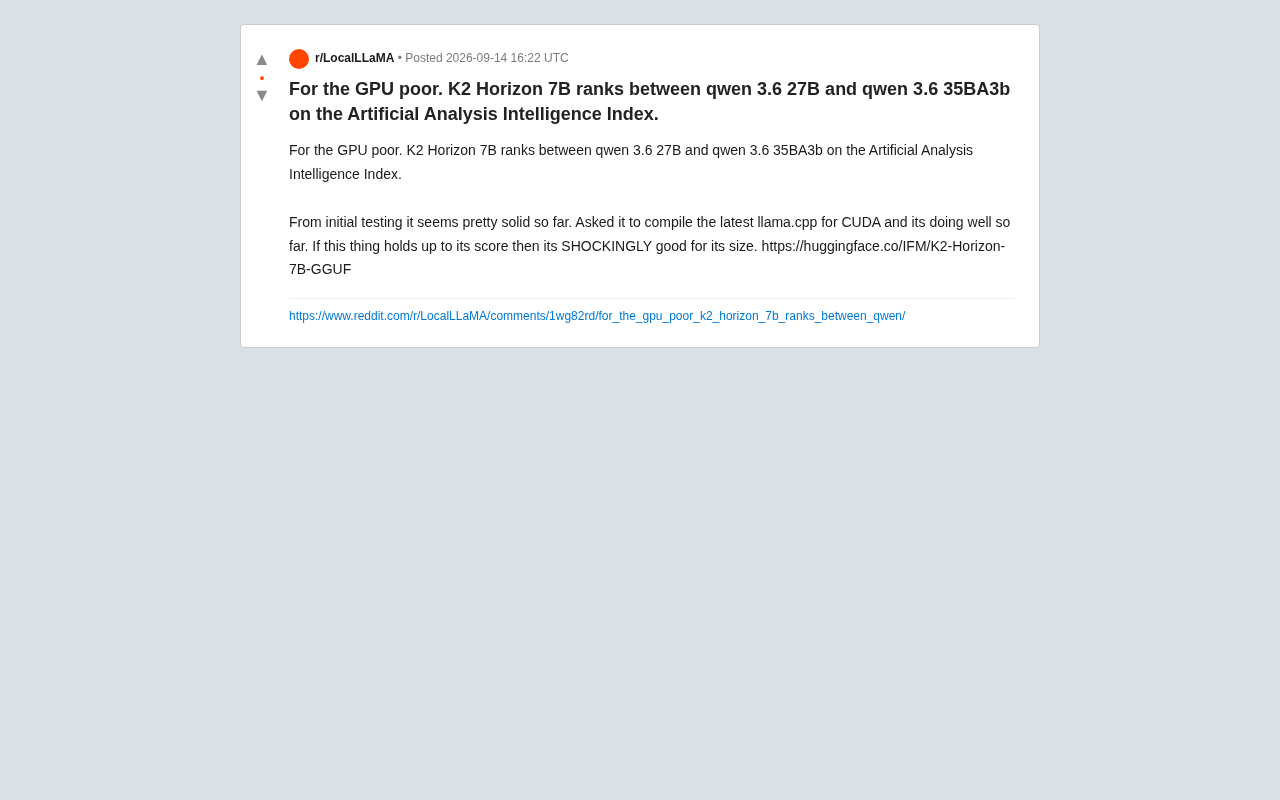
K2 Horizon 7B: A Small Model Punching Above Its Weight
K2 Horizon 7B ranks between Qwen 3.6 27B and 35BA3b on the Artificial Analysis Intelligence Index, delivering near-mid-tier intelligence at 7B parameters — a strong local deployment option.