Truecaller vs. TRAI: The Battle Over India's Anti-Spam Call Regulations

Truecaller and India's TRAI clash over whether dedicated business number ranges actually reduce spam calls.
Truecaller has publicly disputed TRAI's Dedicated Business Number Series policy, arguing that users increasingly block entire commercial number ranges rather than selectively screening calls — undermining legitimate businesses. The dispute highlights a deeper tension between top-down regulatory standardization and market-driven crowdsourced caller ID systems, with India's massive mobile market making the outcome a key reference for global anti-spam governance.
Background: The Regulatory Clash Over Anti-Spam Call Rules
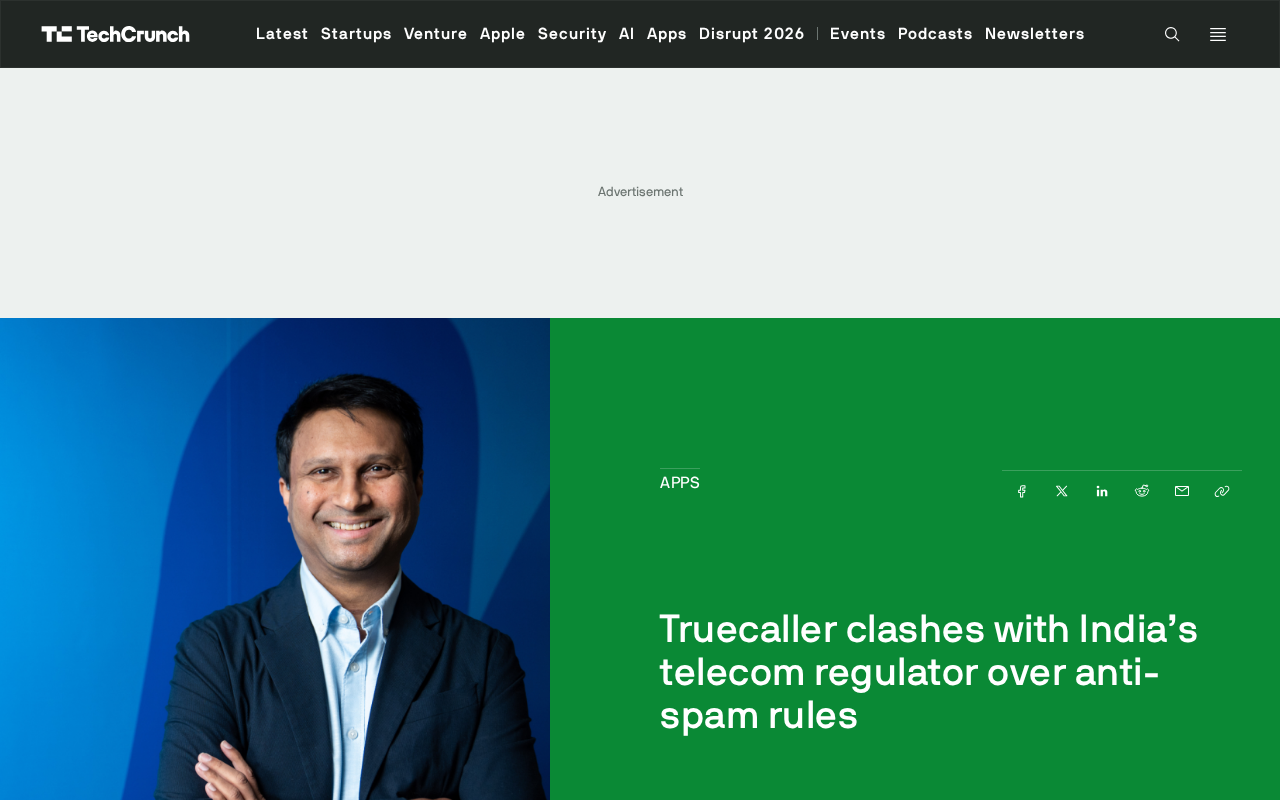
Caller ID app Truecaller has found itself in a sharp dispute with India's Telecom Regulatory Authority (TRAI) over anti-spam call regulations. As a caller identification service with hundreds of millions of users worldwide, Truecaller holds significant influence in India — its single largest market.
At the heart of the controversy is TRAI's push for a Dedicated Business Number Series mechanism. The regulator wants to assign specific number ranges to businesses so users can identify commercial calls before answering, thereby curbing the growing problem of spam calls and telecom fraud.
The Core Dispute: Does a Dedicated Number Series Actually Work?
Truecaller has raised a pointed, real-world concern: the company says users are increasingly ignoring and outright blocking calls from India's dedicated commercial number series.
The Gap Between Regulatory Intent and Actual Outcomes
TRAI's rationale for creating dedicated number ranges was to improve transparency — giving users a clear signal about the nature of an incoming call. Yet Truecaller's observations reveal a counterintuitive result: once users can easily recognize a commercial number range, their instinct is often not to selectively answer, but to block it wholesale.
In practice, this means the dedicated number series may actually be lowering connection rates for legitimate businesses. Banks sending alerts, couriers confirming deliveries, and after-sales support teams are all at heightened risk of being caught in the crossfire. Companies that pay to register compliant numbers end up facing higher rejection rates — a clear misalignment between policy goals and business reality.
The Deeper Tension: Who Controls Caller Identification?
On the surface, this dispute is about the technical details of anti-spam rules. In substance, it reflects a deeper struggle over who holds authority.
Platform vs. Regulator: Competing Roles
Truecaller's core strength lies in its crowdsourced caller identification database — a system that dynamically assesses whether a number is spam or fraudulent based on mass user tagging and feedback. By 2024, this crowdsourcing model covered more than 350 billion numbers and processed billions of caller ID requests daily. Any new scam number, once flagged by enough users, triggers a warning for the next person who receives a call from it — a level of real-time, dynamic identification that traditional carrier systems struggle to match. That said, the crowdsourced model carries its own controversies: privacy concerns over user contact data being uploaded to third-party servers, false positive rates where legitimate numbers get incorrectly flagged, and questions of data sovereignty — all of which give regulators strong motivation to establish an official standard system and reduce dependence on a single commercial platform.
TRAI's official dedicated number series, by contrast, is fundamentally a top-down, standardized labeling system.
The two approaches overlap significantly in function and even compete directly:
- The Truecaller model: Dynamic identification driven by community data and algorithms — broad coverage, with accuracy dependent on data quality
- The regulatory number series model: Officially assigned and managed — high authority, but limited flexibility, and potentially prone to triggering blanket blocking by users
As the regulator attempts to build a caller identification "infrastructure" through administrative means, third-party services like Truecaller face the dual risk of being marginalized and seeing the effectiveness of their own identification systems undermined.
India's Unique Market Context
Understanding this dispute requires appreciating India's distinctive market environment. India is one of the world's most severely affected regions for spam calls and telecom fraud, with users enduring persistently high volumes of unwanted calls — which is precisely why Truecaller achieved mass adoption in India, addressing a fundamental user need for call safety.
This is why TRAI has such a strong policy mandate to tackle spam calls. Founded in 1997 as India's top telecom regulator, TRAI has been particularly active in recent years on anti-spam communications: its 2018 Distributed Ledger Technology (DLT)-based platform for commercial SMS control — requiring all commercial SMS senders to register — is considered one of the largest blockchain applications in the telecom sector globally. Its Calling Name Presentation (CNAP) proposal aims to embed carrier-level caller identification natively into the system, placing it in direct competition with Truecaller's third-party model. The Dedicated Business Number Series (the 140-prefix range) is the latest continuation of this broader push.
Yet strong regulatory intervention inevitably creates friction with market-driven solutions. Truecaller's public stance is, in effect, an effort to carve out space for the entire third-party caller ID industry.
Industry Lessons: Three Persistent Challenges in Anti-Spam Governance
This localized regulatory dispute offers a useful case study for global telecom spam governance.
First, transparency doesn't automatically mean effectiveness. Helping users identify the nature of incoming calls is a worthy goal, but labels that are too "clear-cut" can trigger defensive blocking and harm legitimate businesses. Governance design needs to find a genuine balance between transparency and usability.
Second, how can administrative standards and market innovation coexist? Regulatory standardization systems and algorithmic identification by third-party platforms are not inherently at odds. In an ideal scenario, official number ranges provide a baseline of trustworthiness while third-party services deliver dynamic risk assessment — a complementary relationship. Building that kind of collaborative framework is a challenge regulators worldwide share.
Third, user behavior is the ultimate test. No matter how well-designed a policy is, it must ultimately withstand scrutiny from real user behavior. Truecaller's data-driven observation that blocking rates are rising is precisely that kind of direct feedback — regulatory decisions that ignore actual user responses risk producing outcomes that are the opposite of what was intended.
Conclusion
The clash between Truecaller and TRAI is about far more than a company's friction with a regulator. It touches on a fundamental question of the digital age: when governing communications abuse, should it be officially led standardization or market-driven technological innovation that takes the lead? The answer is likely not either/or, but rather how to make the two work in concert. As one of the world's largest mobile markets, the direction India takes in this dispute will serve as an important reference point for telecom anti-spam governance in other countries and regions.
Key Takeaways
Related articles
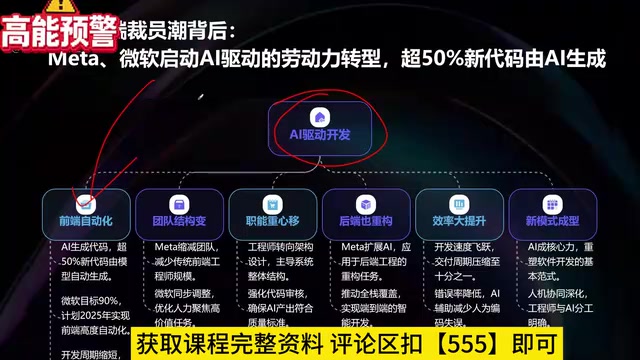
What Is Vibe Coding? The AI Programming Skill Every Developer Needs
What is Vibe Coding? Learn how AI programming is reshaping dev teams, why traditional programmers face displacement, and why Cursor & Claude Code matter.
Making Rocks Think: A Philosophical Exploration of Generative AI and Information Compression
From a viral Reddit post to deep AI theory: why compression equals understanding, the Library of Babel thought experiment, semantic compression, and the Hutter Prize.
Irregular Warns: Four AI Lab Security Breaches Traced to the Same Root Cause
Irregular reveals four AI lab security breaches share a single root cause, exposing systemic risks from technology stack homogeneity across the AI industry.