Trump Threatens Heavy Taxes on Overseas AI Data Centers
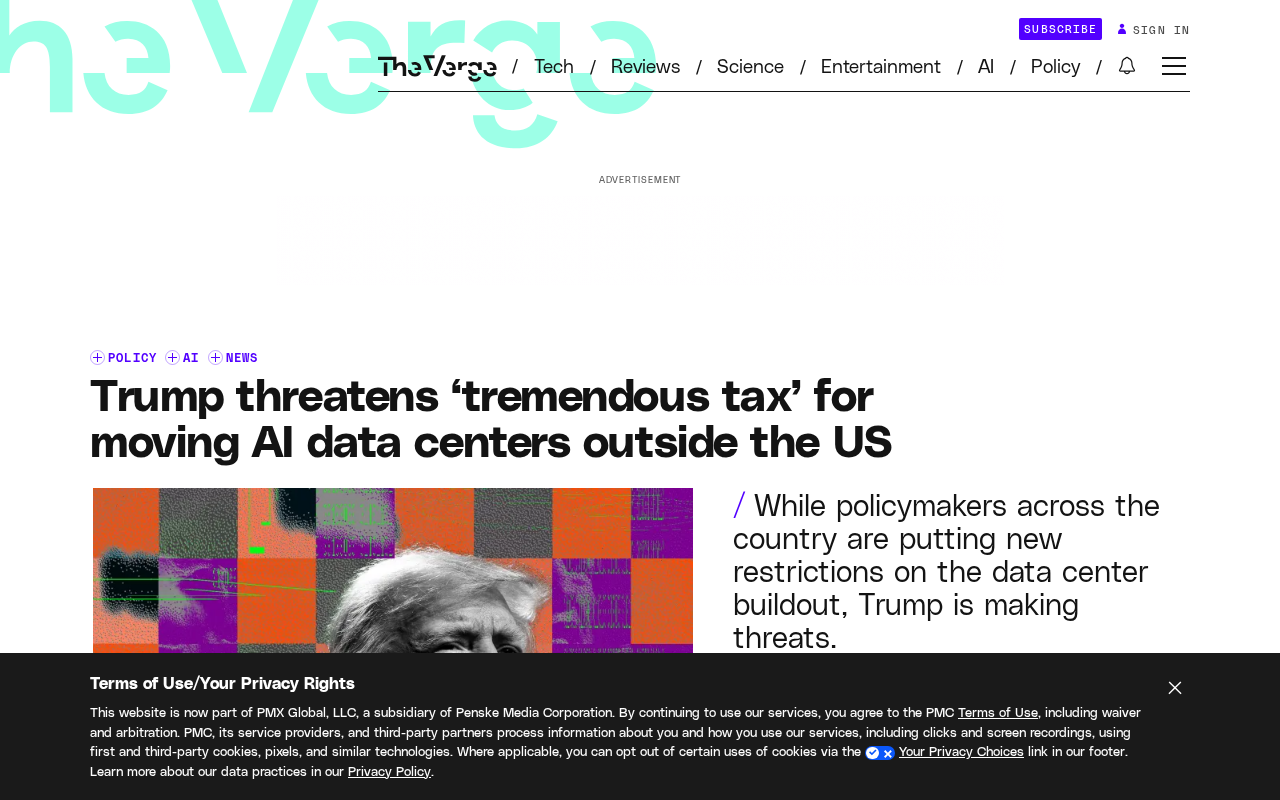
Trump threatens heavy taxes on companies building data centers overseas, creating policy tension with local restrictions.
The article reports that U.S. President Trump publicly threatened to impose a "tremendous tax" on companies building data centers outside the U.S., explicitly stating he will not allow American companies to build data centers overseas. The statement targets tech giants' global compute expansion and aims to keep AI infrastructure investment at home. But the article also notes that U.S. states and cities are tightening approvals for new data centers, creating a mismatch with the federal intent to retain them. Data center construction requires large amounts of land, electricity, and water, and local communities have concerns about grid and environmental pressure. The article concludes that the statement is currently only a policy threat, with tax rates and scope undisclosed, but AI companies relying on overseas compute expansion need to keep watching this policy risk.
Policy Signal: Data Centers Must Stay in the U.S.
According to RSS sources, U.S. President Donald Trump has publicly stated that he will impose a "tremendous tax" on companies that build data centers outside the United States. In his remarks, he made clear: "We will not allow our companies to build data centers outside the United States." This statement directly targets a key contradiction in the current AI infrastructure landscape: tech giants are choosing sites worldwide to build computing facilities, while the U.S. government wants to keep these investments at home.
This is not an isolated statement. The original report noted that U.S. states and cities are imposing restrictions on applications for new data centers. This means Trump's "tax threat" and local-level "restriction orders" create a kind of policy tension—the federal level wants to retain data centers, while the local level is tightening approvals.
The relationship between data centers and AI compute: Data centers are physical facilities that house servers, storage, and networking equipment, providing the compute foundation for AI model training and inference. Large-model training requires thousands to tens of thousands of GPUs working together, with extremely high demands for power capacity, cooling, and network bandwidth. A single AI data center can consume tens to hundreds of megawatts of electricity, equivalent to the power usage of tens of thousands of households. For this reason, data center site selection relies heavily on cheap electricity, abundant water (for cooling), and land resources—which is also a major driver of tech giants' overseas expansion.
The Mismatch Between Local Resistance and Federal Intent
Data centers are the physical foundation of the AI industry, but their construction requires large amounts of land, electricity, and water, and may put pressure on local power grids and the environment. For this reason, some U.S. states and cities have begun setting thresholds for new data center projects, limiting the number of applications or raising approval requirements.
Trump's remarks approach this from another direction: he is concerned about data centers "flowing out" to other countries, rather than about local communities' capacity to host them. This mismatch is noteworthy—even if the federal level uses tax measures to stop companies from building data centers overseas, companies may still face local government restrictions when selecting sites within the U.S. Caught between these two pressures, the pace of AI infrastructure expansion could be affected.
The division of authority between U.S. federal and local governments over data center approvals: Under the U.S. system, approval for data center projects is primarily controlled by state and local governments, involving land-use zoning, environmental assessments, grid interconnection permits, and other steps. The federal government has no direct approval authority. Therefore, even if the federal level uses tax tools to influence companies' overseas site-selection decisions, it cannot resolve the local approval obstacles companies face when choosing domestic sites. This division of federal and local authority is the institutional backdrop for understanding the "policy tension" described in this article.
Potential Impact on the AI Industry
Major cloud service providers and AI companies have been laying out data centers globally in recent years to be closer to users, take advantage of cheap energy, or avoid regulation. If the U.S. truly imposes heavy taxes on overseas data centers, companies' global compute layout strategies may need to be reassessed.
However, this is still a policy threat rather than enacted regulation. The original report did not disclose the specific tax rate, scope of application, or whether it targets specific countries or regions. For AI companies relying on overseas compute expansion, this is a policy risk signal that warrants continued attention.
How tax tools influence corporate site selection: Taxing overseas investment typically follows two paths: first, imposing additional tax burdens on the profits of overseas subsidiaries; second, levying punitive tariffs or taxes on specific overseas capital expenditures. Such tools raise the relative cost of overseas data centers, thereby changing companies' return-on-investment calculations. But site selection is also affected by energy prices, latency (being closer to users reduces latency), data sovereignty regulations, and other factors. Taxes are only one variable, and the actual effect depends on the tax rate and how it weighs against other costs.
Summary
Trump's "tremendous tax" threat reflects the U.S. government's concern about the outflow of AI infrastructure. However, there is a clear tension between local data center restrictions and the federal intent to retain them, and the actual effect of the policy remains to be seen.
Related articles
AI Data Center Construction Hits Roadblocks: The Neoclouds Winter and Nvidia's New Bar
Nvidia says it won't support unfinished AI data centers, leaving neoclouds squeezed by construction delays and rising debt costs. We analyze what this means for AI infrastructure.
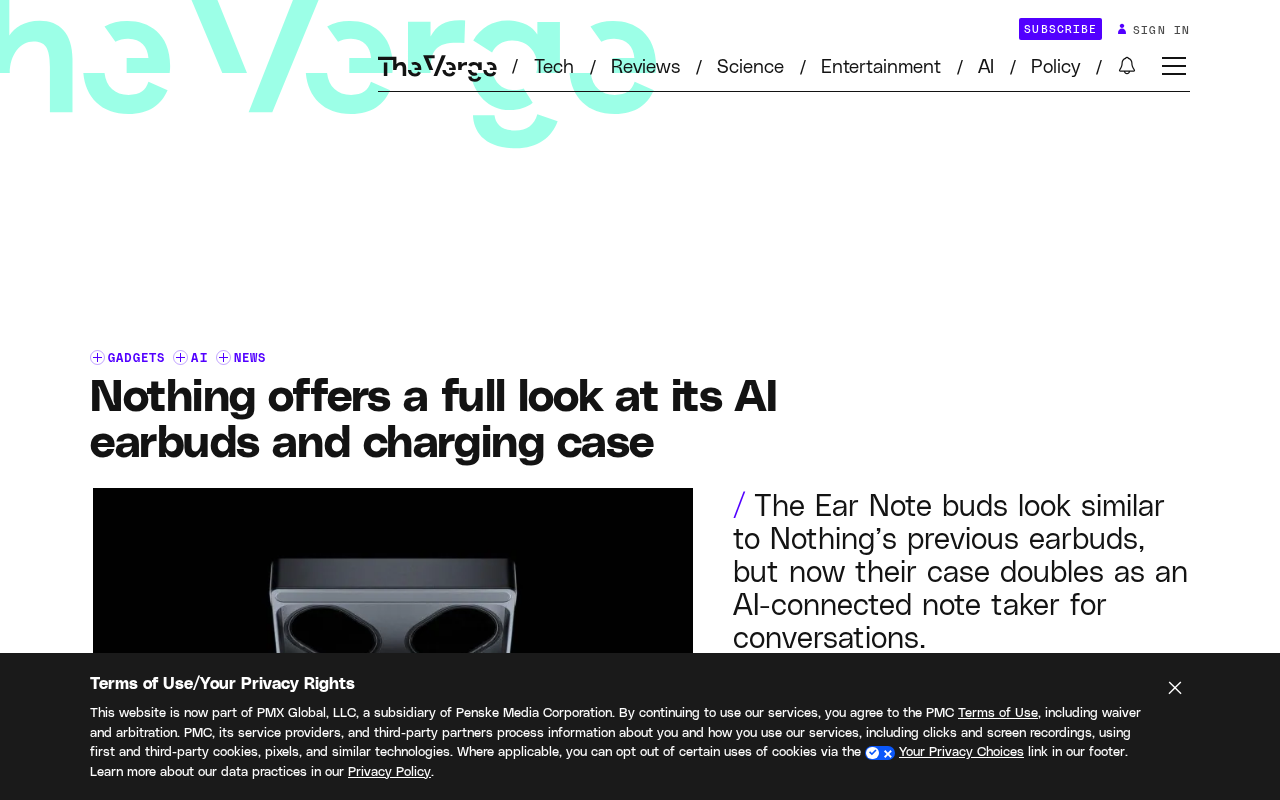
Nothing's AI Earbuds Fully Revealed: The Charging Case Can Record and Transcribe
Nothing reveals full details of the Ear Note AI earbuds: the charging case has a built-in mic for recording, transcription, and conversation summaries, while the earbuds support call recording. Launching December 8.
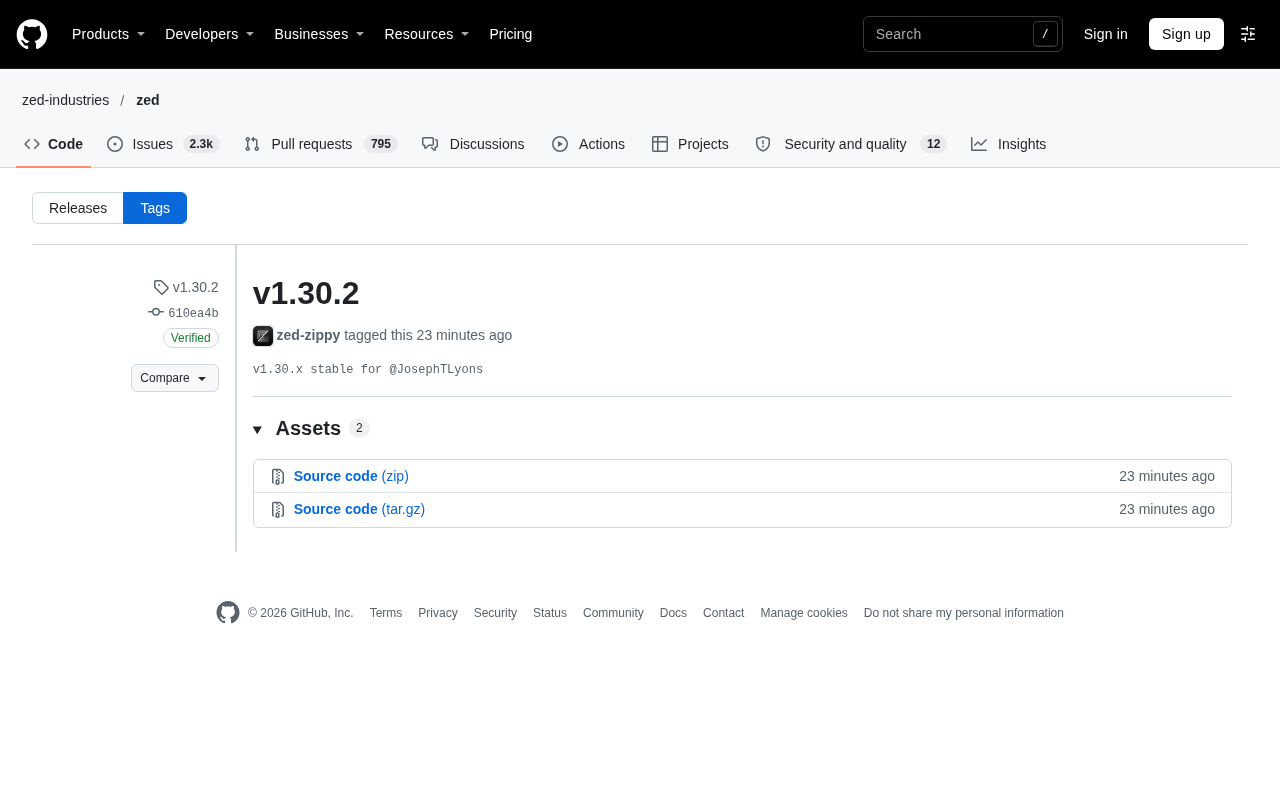
Zed Editor Releases v1.30.2 Stable: The Maintenance Signals Behind a Minor Update
Zed editor releases v1.30.2 stable, labeled as a patch update to the v1.30.x stable branch. This article analyzes the stability maintenance signals, signature verification, and release process rigor behind this minor release to help developers decide whether upgrading is worthwhile.