Type.com Review: A Deep Dive into the Team AI Collaboration Shared Workspace
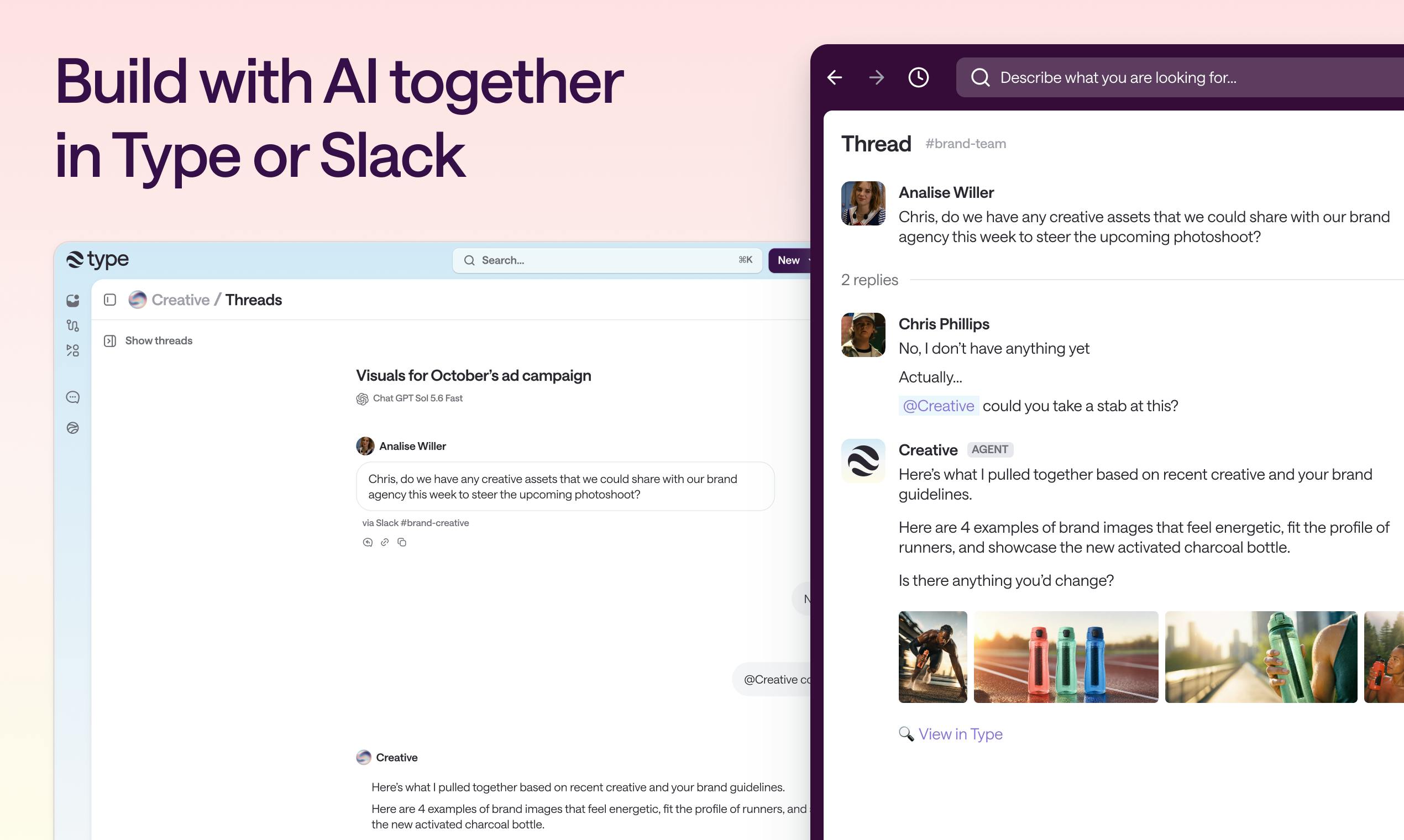
Type.com unifies multiple AI models into a shared team workspace with knowledge accumulation and automation.
Type.com is a team-oriented AI collaboration workspace that integrates models like Claude and Codex into one unified platform. It features centralized knowledge management, custom app building, and automated workflows that evolve over time — creating a "company brain" that gets smarter with use. Positioned between consumer AI chatbots and heavy enterprise platforms, it addresses real team collaboration pain points with multi-model routing, shared prompt libraries, and cumulative organizational memory.
Product Overview
Type.com is an AI collaboration workspace designed specifically for teams, integrating multiple AI models including Claude, Codex, and others into a unified platform. This product, which earned 81 upvotes and ranked #14 on Product Hunt, is redefining how teams leverage AI to boost productivity.
Unlike traditional standalone AI tools, Type.com's core value lies in consolidating scattered AI capabilities, team knowledge, and workflows into a single shared space, allowing teams to accumulate and reuse their AI experience over time.
Core Features
Unified Multi-Model Access
Type.com's biggest highlight is its "connect once, use any model" design philosophy. Teams can invoke mainstream AI models like Claude and Codex without switching between multiple platforms. This unified access approach not only simplifies tool management but also reduces the learning curve for team members.
The AI industry currently faces a serious model fragmentation problem. Anthropic's Claude excels at long-text analysis and logical reasoning, OpenAI's Codex (now integrated into the GPT-4 series) stands out in code generation, and Google's Gemini has advantages in multimodal understanding. Enterprise teams often need to switch frequently between multiple platforms to get the best results, leading to inefficiency, chaotic API key management, and scattered usage data. Type.com's "model routing" architecture essentially builds a unified abstraction layer between users and underlying models — a design pattern known in software engineering as the "adapter pattern" — enabling teams to choose the most suitable model for each specific task without worrying about underlying interface differences.
Knowledge Base and Context Sharing
The platform provides centralized knowledge management, allowing teams to store skills, files, and conversation threads in one place. This means a prompt refined by one team member or a curated resource library can be directly reused by colleagues, eliminating redundant work.
Enterprise knowledge management has always been a core bottleneck for organizational efficiency. McKinsey research shows that knowledge workers spend an average of 19% of their work time searching for and gathering information. In the context of AI tool usage, this problem is even more pronounced — team members individually tweak prompts and explore best practices, yet rarely have mechanisms to systematically capture and preserve these insights. Type.com's "skills" concept essentially turns prompt engineering outputs into reusable templates. This aligns with the rising "Prompt Library" concept but goes further by deeply binding it with an organization's private data and workflows, forming what's known as "Organizational Memory."
Custom Applications and Automation
Type.com allows teams to build customized applications and automated workflows based on accumulated knowledge. More importantly, the system continuously learns and optimizes as the team uses it, forming a "growing company brain" — a capacity for continuous evolution that many AI tools lack.
From a technical perspective, this "growing company brain" relies on two core technologies: Retrieval-Augmented Generation (RAG) and continuous learning. RAG technology allows AI models to retrieve relevant documents from an enterprise's internal knowledge base in real time when generating responses, delivering more accurate answers that better fit the company's context. Continuous learning means the system can continuously fine-tune based on user feedback and usage patterns — for example, remembering the team's preferred output formats and commonly used professional terminology. This "gets smarter the more you use it" characteristic builds strong user stickiness and a data moat — the more knowledge a team accumulates, the higher the cost of migrating to another platform.
Use Case Analysis
R&D Team Collaboration
For engineering teams, Type.com can serve as a hub for code reviews, technical documentation, and architecture discussions. Through the integration of coding models like Codex, teams can establish unified code standard libraries and best practice templates.
It's worth noting that OpenAI's Codex model was originally fine-tuned from GPT-3 and trained on billions of lines of public code from GitHub, supporting over a dozen programming languages including Python, JavaScript, and Go. However, it's important to recognize that Codex (and its subsequent iterations) is better suited for assistive tasks like code completion, function generation, and bug detection, rather than replacing a complete software development workflow. In Type.com's context, combining Codex with a team's existing code standards and architecture documentation can significantly improve code review consistency and technical documentation generation efficiency. For example, code submitted by new members can be automatically checked against the team's best practices with improvement suggestions provided.
Content Creation Teams
Marketing and content teams can leverage language models like Claude for copywriting, SEO optimization, and content planning. Shared brand voice guidelines and past high-quality content examples can help new members get up to speed quickly while maintaining output consistency.
Cross-Functional Project Collaboration
For projects requiring multi-department coordination, Type.com provides a unified platform for information and tools. Product managers, designers, and developers can use their respective AI capabilities within the same space while keeping project context synchronized.
Market Positioning and Competitive Analysis
Type.com is positioned between general-purpose AI chat tools (like ChatGPT) and enterprise-grade AI platforms (like Microsoft Copilot). It places greater emphasis on team collaboration and knowledge accumulation than the former, while being more flexible and easier to adopt than the latter.
Specifically, the current AI collaboration tool market is showing a clear tiered structure. At the base level are general-purpose conversational products like ChatGPT and Claude.ai, targeting individual users and lacking team collaboration and knowledge management features. The middle tier consists of "AI-enhanced" collaboration platforms like Notion AI and Coda AI, which layer AI capabilities on top of existing document/project management tools. At the top tier are enterprise solutions tied to large ecosystems like Microsoft Copilot and Google Duet AI, which are comprehensive but complex to deploy and expensive. Type.com precisely occupies the gap between the middle and top tiers — its AI capabilities are stronger than Notion AI's (supporting multi-model switching), while being lighter and more flexible than Microsoft Copilot.
Based on Product Hunt feedback, users particularly appreciate its "all-in-one" and "cumulative" characteristics. In an era flooded with AI tools, products that truly address team collaboration pain points are rare. Type.com's "company brain" concept is essentially building a team's AI usage knowledge graph, which could become its long-term competitive advantage. While traditional knowledge graphs organize information through structured entities and relationships, what Type.com builds is more of an "AI usage knowledge graph" — recording meta-knowledge such as "which model works best for which task, which prompts deliver the best results, and which resources are most valuable." These accumulated insights form organizational assets that are difficult to replicate.
Potential Challenges and Outlook
Despite its innovative concept, Type.com still faces several challenges:
Data Security and Privacy: As a shared workspace, ensuring the security of sensitive enterprise information will be a critical consideration. When integrating third-party AI models, data flow and storage policies need to be transparent.
The data security challenges enterprises face when using third-party AI models are far more complex than they appear on the surface. The 2023 incident where Samsung employees leaked confidential code by inputting it into ChatGPT prompted numerous companies to establish strict AI usage policies. As a middleware platform, Type.com handles data through at least three stages: user input → Type.com platform storage → third-party model API calls. Each stage carries potential data exposure risks. On the compliance front, regulations like the EU's GDPR and China's Data Security Law impose strict requirements on cross-border data transfer and processing. Enterprise clients typically require: data not being used for model training, support for on-premises/private deployment, complete audit logs, and compliance with security certifications like SOC 2. For Type.com to truly penetrate the enterprise market, investment in these areas will be unavoidable.
Learning Curve: Although the product aims to lower barriers to entry, teams still need to invest time building knowledge bases and custom workflows to fully realize its value. The initial return on investment may affect adoption rates.
Model Compatibility: AI models iterate rapidly, and Type.com needs to continuously keep up with updates to mainstream models while maintaining platform stability.
In the long run, Type.com represents an important direction in AI tool evolution: from personal assistant to team intelligent agent, from one-off conversations to sustainable knowledge accumulation. If it can successfully address data security and user experience concerns, this type of "AI collaboration operating system" could become standard equipment for future team workflows.
Key Takeaways
Related articles
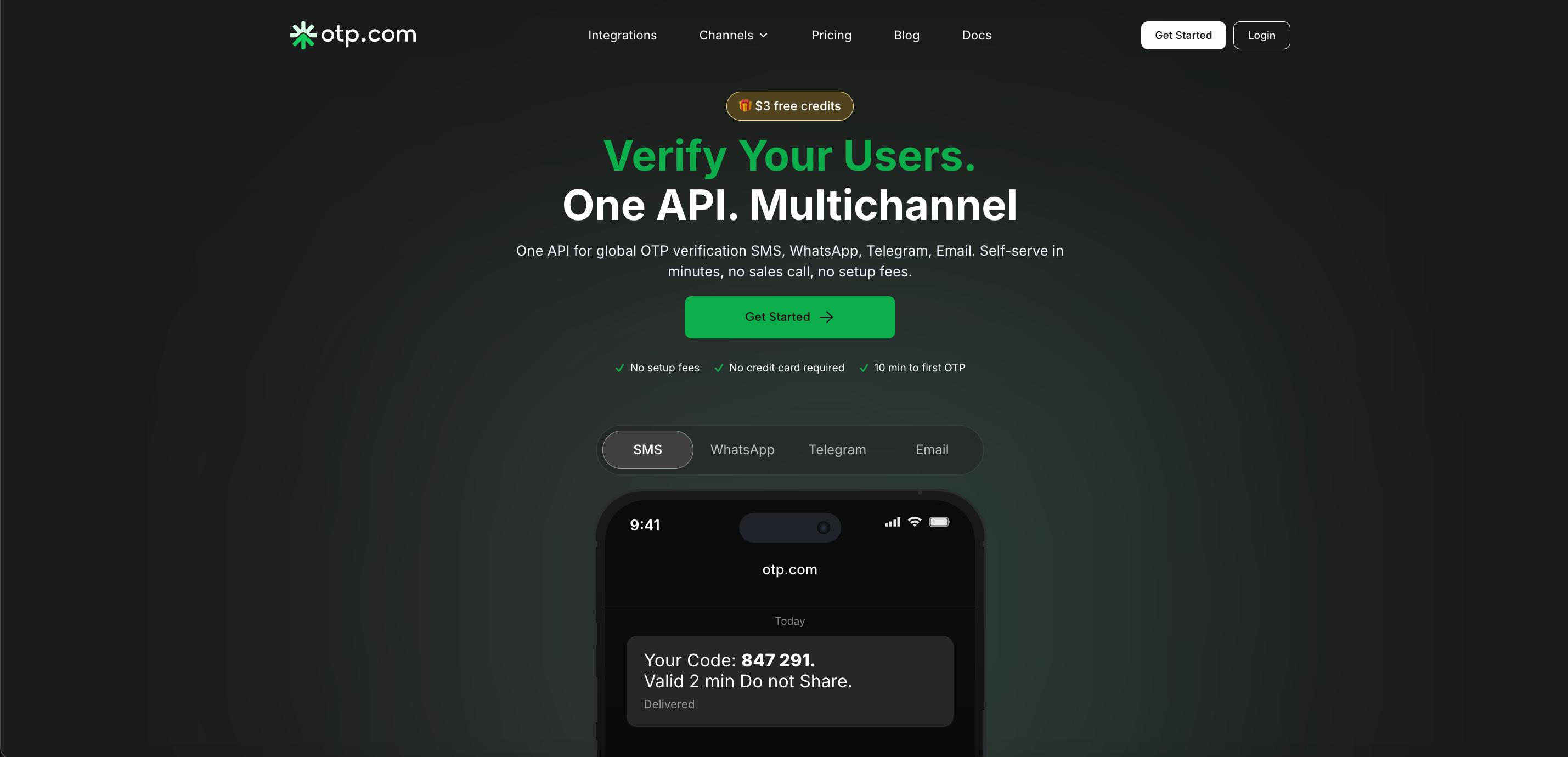
OTP.com Review: One API to Unify SMS, WhatsApp, Email, and Telegram OTP Delivery
In-depth review of OTP.com: a single API unifying SMS, WhatsApp, Email, and Telegram OTP channels to cut integration costs and boost delivery rates for developers.
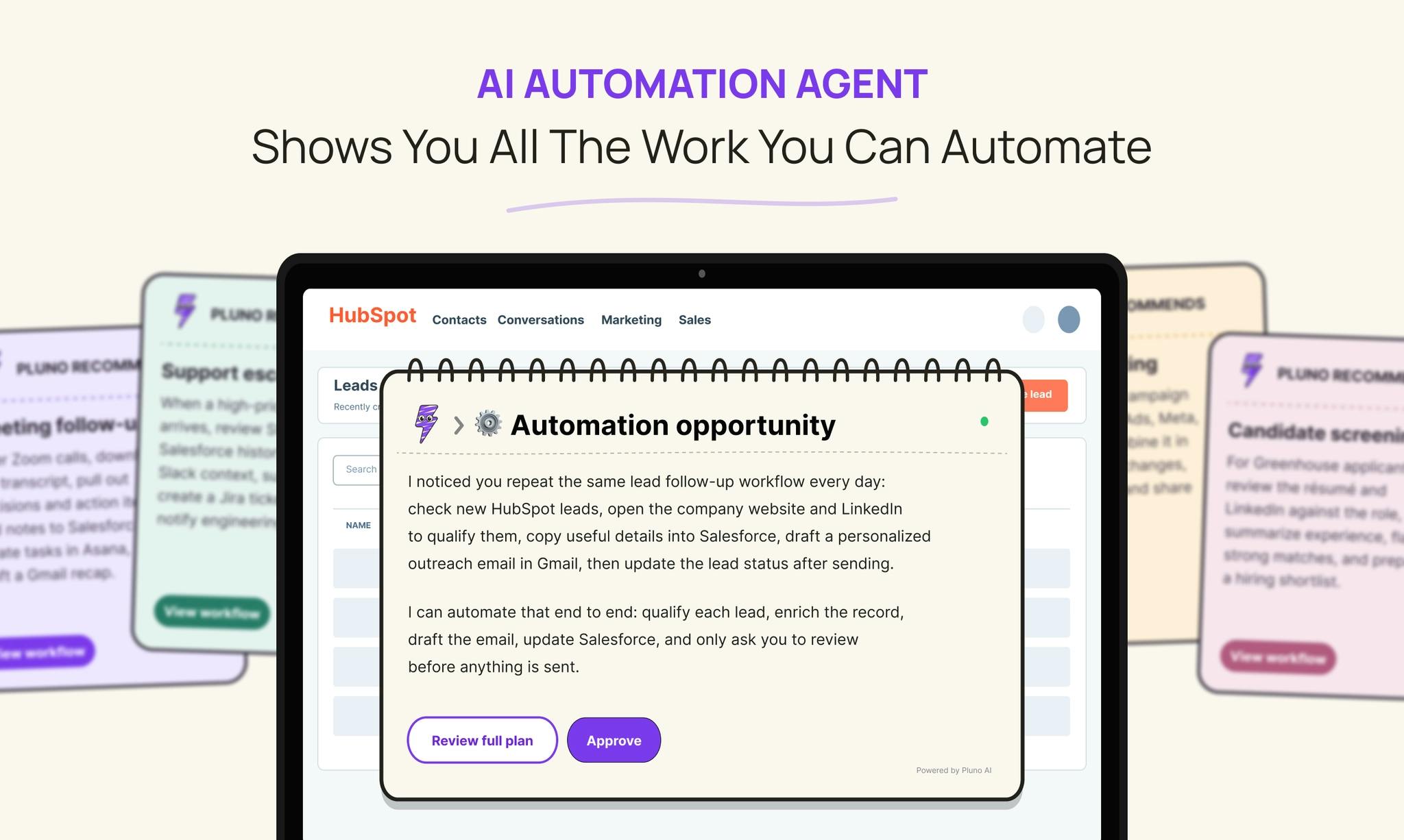
Pluno Review: An AI Chrome Extension That Proactively Discovers Automation Opportunities
Pluno is an AI Chrome extension that proactively discovers and executes automation tasks. No manual workflow setup needed — it observes user behavior, identifies repetitive tasks, and proposes automation solutions.
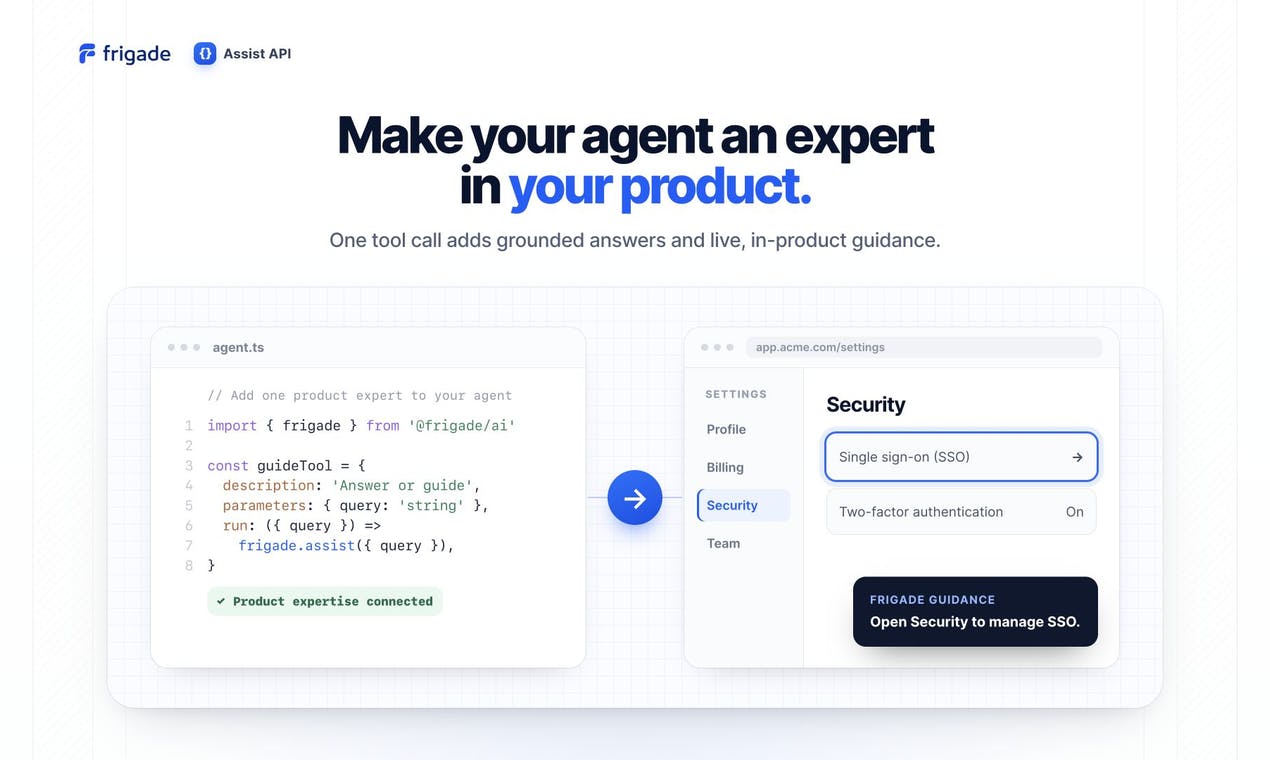
Frigade Assist API: Turning AI Customer Service from Document Dumps to Precise On-Screen Guidance
Frigade Assist API adds screen awareness and visual step-by-step guidance to AI customer service via a single tool call. Browser Agents auto-learn your product — no manual setup needed.