Understanding Price-Matching Policies at Best Buy, Walmart, and Other Retailers
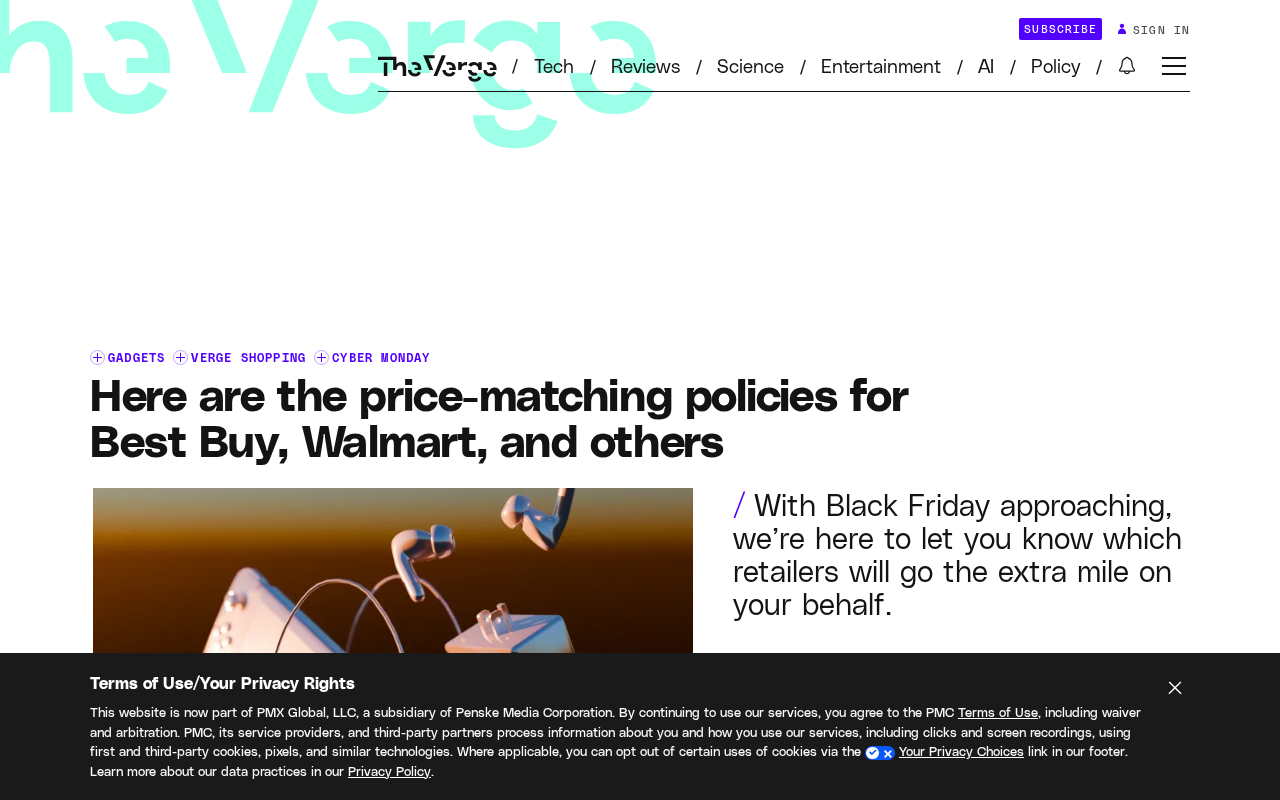
Price-matching policies retain customers through price-difference refunds, but come with strict conditions.
The article explains the price-matching policies widely adopted by retailers, using Best Buy and Walmart as examples to illustrate how they work: if consumers find the same item cheaper at a competitor after purchase, they can apply for a refund of the difference with proof, reducing comparison-shopping costs and boosting conversion rates. Policies typically impose limits on time windows, competitor scope, product conditions, and documentation, often excluding promotional items and member prices. For merchants it's a double-edged sword—reducing churn but squeezing margins and risking strategic exploitation. The article advises consumers to understand the rules, keep receipts, apply promptly, and treat price matching as a shopping aid rather than a substitute for comparison shopping.
Price-Matching Policies: A Customer Retention Tool for Retailers
Buying a new pair of headphones or an OLED TV, only to find it cheaper elsewhere a few days or weeks later—this is arguably one of the most frustrating shopping experiences for consumers. To retain customers and prevent them from defecting to other merchants, some retailers have introduced price-matching policies, promising to match competitors' prices. According to RSS sources, Best Buy, Walmart, and other retailers are among them.
The core logic of these policies is not complicated: when consumers know a retailer is willing to match lower prices elsewhere, they don't have to repeatedly compare prices or even abandon a purchase just to save a few dollars. For merchants, this is both a service commitment and a competitive strategy—trading price certainty for customer loyalty and conversion rates.
How Price Matching Works
The typical scenario for price matching is: after purchasing a product, a consumer finds the same item priced lower at a competitor and can request a refund of the price difference from the original retailer with valid proof. The specifics vary across retailers, but generally revolve around a few key dimensions—the time window for matching, the range of comparable competitors, the conditions the product must meet, and the documentation required for the request.
Details Consumers Should Watch For
Policy texts are often more complex than the promotional slogans. The time window determines how long after purchase a claim can be filed; the competitor scope determines which merchants' lower prices are recognized; and product conditions may exclude promotional items, member-exclusive prices, or limited-time discounts. Consumers should carefully review these points before applying to avoid a wasted trip due to ineligibility.
For retailers, price matching is also a double-edged sword. It can indeed reduce customer churn, but it also squeezes profit margins and may be strategically exploited by some consumers. As a result, most policies set fairly strict eligibility boundaries.
Price-matching policies are not new to the retail industry, and their modern form is closely tied to the rise of discount retailing in the United States in the 1960s. At the time, price wars between department stores and discount stores gave rise to "we won't be undersold"-style slogans, but truly systematic written policies became widespread in the 1990s after chain giants expanded and cross-regional competition intensified. From a legal perspective, such policies are unilateral commitments voluntarily made by retailers, not statutory obligations, so merchants reserve the right to modify or terminate them at any time, and consumers generally cannot claim breach-of-contract damages on that basis. In most U.S. states, price-matching commitments are not governed by dedicated consumer protection regulations unless the policy text itself constitutes contractual terms. In practice, some retailers also partner with credit card issuers to offer "price protection" services, in which a third party automatically reimburses the price difference within a limited time frame; such services differ from a merchant's own price matching in terms of the claiming party and the flow of funds.
The determination of "comparable products" is the most contested aspect of price matching. Most policies require the brand, model, specifications, and even packaging to be completely identical, and the item must be in stock and available for sale through the same sales channel, which excludes refurbished units, open-box items, third-party seller offers, and clearance prices. Some retailers also require the competitor to have a physical store that is geographically accessible, thereby excluding quotes from purely online low-price platforms. As for documentation, the original purchase receipt, the competitor's ad page, or a timestamped screenshot is usually required, and some merchants require claims to be submitted within 14 to 30 days of purchase, with late submissions not accepted. Another easily overlooked point is the form of refund: some merchants refund to the original payment method, while others return the difference in the form of a store gift card—the latter effectively locks consumers into the same retail ecosystem, reducing the actual cost of price matching to the merchant.
Practical Implications for Consumers
The value of price-matching policies lies in reducing the cost of price comparison. Consumers don't have to check every channel before buying, nor do they have to worry about "losing out by buying too early." According to the RSS source, Best Buy, Walmart, and other retailers all offer such policies, meaning consumers have an extra layer of price protection when shopping through these channels.
However, the existence of a policy does not mean it applies automatically. Consumers still need to proactively understand the rules, keep their receipts, and apply promptly when they find a lower price. Treating price matching as an auxiliary tool for shopping decisions—rather than a complete substitute for comparison shopping—is the more pragmatic approach.
Summary
Price-matching policies are a means for retailers to retain customers amid fierce competition, and they also provide consumers with a price safety net. Understanding how they work and their limitations can help consumers make more confident choices when shopping and avoid the frustration of "paying too much."
Related articles

Codex and AI Coding Agents in Practice: A Complete Guide from Prompts to MCP
A Codex-centered guide to agentic coding: Task-Context-Output prompts, AGENTS.md project memory, plan mode, skills, characterization vs. spec tests, permissions and config.toml, MCP tool calls, plus secrets safety and context management.

GPT-6 Security Model and the AI Attack-Defense Escalation: This Week in AI
This week in AI: OpenAI's GPT-6 Saber found 948 Linux kernel root-escalation paths; Cursor deploys full apps from one sentence; Binance details a social engineering attack; C++26 fails ISO vote.
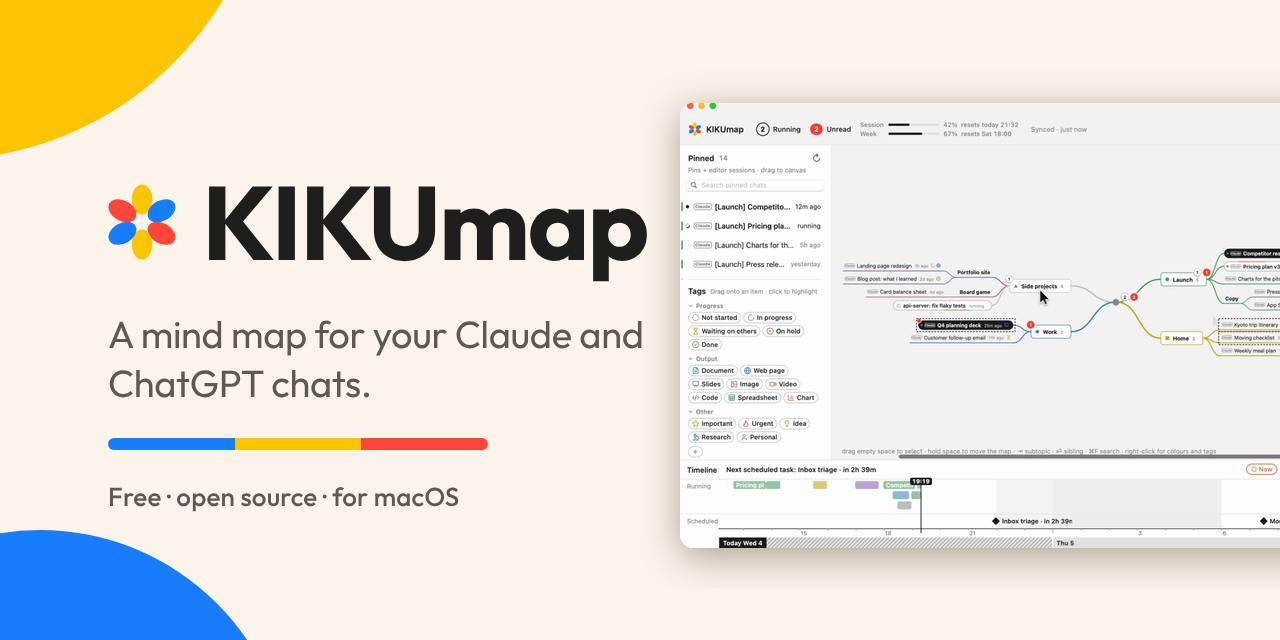
KIKUmap: Manage Your Claude and ChatGPT Conversations with Mind Maps
KIKUmap is a macOS menu bar app that visualizes Claude and ChatGPT conversations as mind maps with real-time status. Free and open source.