US Air Force Seeks Vintage CF/PC Memory Cards, Sparking Speculation
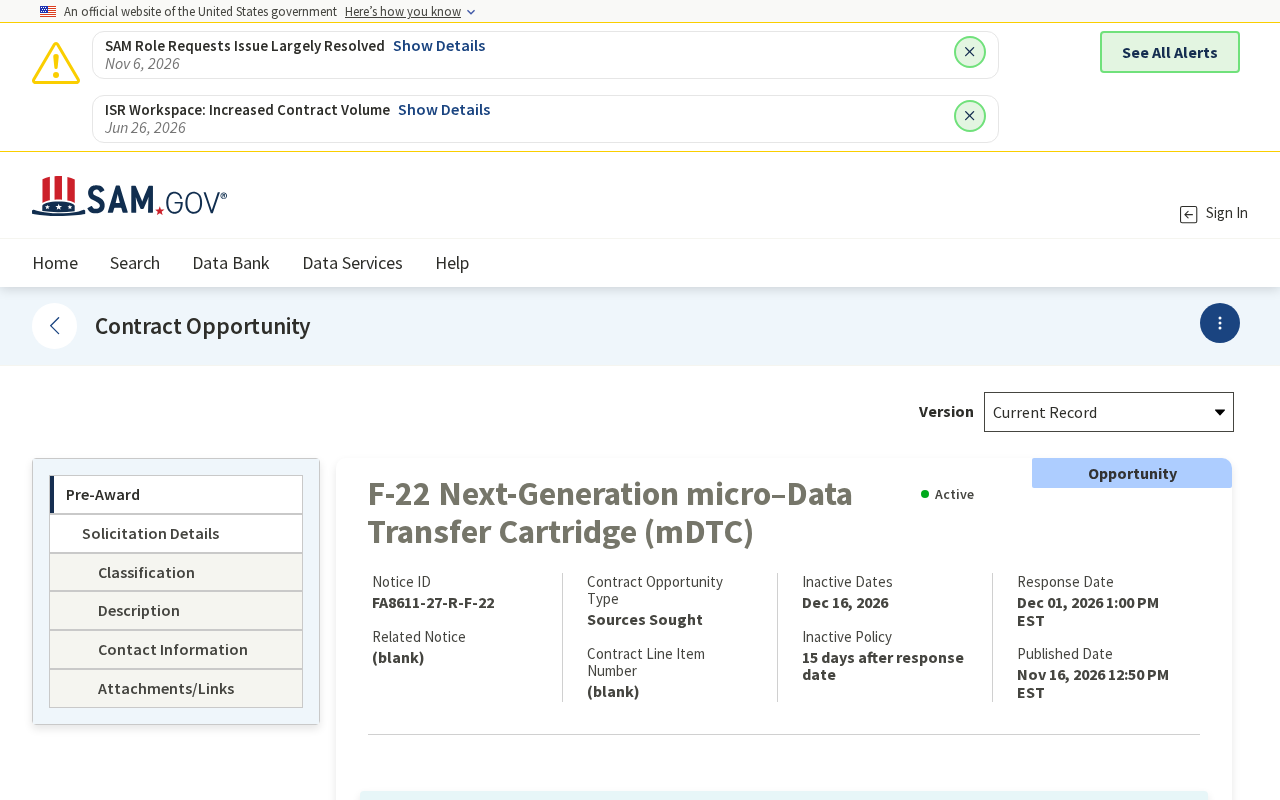
The US Air Force's solicitation of legacy storage media like CF and PC cards highlights the spare parts dilemma caused by long military hardware lifecycles.
The US Air Force posted a solicitation on Hacker News seeking legacy storage media such as CF cards and PC cards that have exited the consumer market. The article analyzes that the main reason is that military equipment lifecycles far exceed those of consumer electronics. Systems deployed in the 1990s or early 2000s still use CF or PC card interfaces, and as long as the equipment remains in service, replacement consumables are needed. In addition, reading data from old systems, lack of budget for digital transformation, and spare parts supply chains relying on small-batch procurement are also practical factors. The event received very little attention in the tech community, resembling more of a procurement notice, but it also suggests that inventory and refurbishment of legacy storage media may still have a specific market.
The US Air Force is publicly soliciting old-style storage media, including CF cards and PC cards. The news appeared on Hacker News. Although it didn't generate much discussion, the content itself is quite telling: why would a military branch with cutting-edge military technology need memory cards that have long exited the mainstream market?
Basic Facts of the Solicitation
According to information on Hacker News, the US Air Force is looking for legacy storage media, explicitly mentioning CF (CompactFlash) cards and PC cards (PCMCIA cards). The post received 12 points and no comments.
CF cards were born in the 1990s, while PC cards are a product of the even earlier PCMCIA standard. Both were once standard storage solutions for portable devices, but are now nearly extinct in the consumer market.
Why the Military Still Needs Antique-Level Storage Media
The most direct explanation is device compatibility. The lifecycle of military equipment far exceeds that of consumer electronics. A system deployed in the 1990s or early 2000s may have a storage interface that is CF or PC card. As long as the equipment remains in service, replacement consumables are needed.
Another possibility is data migration. Data in old systems needs to be read, and the reading equipment requires matching storage media. For project teams lacking the budget or motivation for digital transformation, purchasing old media is more pragmatic than upgrading the entire system.
There is also an overlooked factor: the supply chain. Spare parts supply for customized military hardware often relies on small-batch procurement. When the original manufacturer discontinues production, turning to the second-hand market or inventory surplus becomes a realistic option.
Technical Background of PCMCIA and CF
The PC card (PCMCIA card) standard was established by the Personal Computer Memory Card International Association in 1989, initially for memory expansion in laptops. It later developed into the 16-bit PC Card and 32-bit CardBus versions, with a 68-pin interface. CF cards, on the other hand, are a 50-pin interface standard introduced by SanDisk and other companies in 1994. Electrically, they are compatible with the 16-bit mode of PCMCIA, so they can be inserted into PC card slots via a passive adapter. Both are based on parallel interfaces, with capacities growing from a few MB in the early days to the CF card limit of about 256GB. With the popularization of USB and SD cards, PC cards essentially exited the consumer market in the mid-to-late 2000s. CF cards have survived to this day due to demand from professional cameras, but the interface has shifted to CFast and CFexpress. Understanding the electrical and mechanical differences of these interfaces helps to recognize why old military equipment cannot easily switch to modern storage media.
Signals Revealed by This Event
This solicitation itself shows that the technological updating of military systems is not as synchronized with the consumer market as outsiders imagine. The zero-comment, low-engagement status on Hacker News also indirectly reflects the limited attention such information receives in the tech community—it is more like a procurement notice than a tech news story.
For practitioners concerned with hardware supply chains and retro computing, such demand suggests a direction: inventory and refurbishment of legacy storage media may still have a specific market, but the scale is difficult to judge.
(Note: The original material only contains a brief title and platform data, without details such as solicitation quantity, specific models, or deadlines. This analysis is based on limited information.)
Institutional Causes of Military Hardware Lifecycles
The long service life of military equipment is not simply technical inertia, but is shaped by procurement and budget systems. Major weapon systems of the US Department of Defense often span more than 30 years from initiation to retirement, undergoing multiple upgrades during that period. However, upgrades usually focus on mission systems and software, while underlying hardware such as storage and interfaces are often classified as "sustainment" projects with low budget priority. In addition, strict military standards for electromagnetic compatibility, temperature range, and vibration resistance make it difficult for consumer-grade replacements to pass certification directly. This leads to the long-term existence of many old interfaces in active systems, creating continuous demand for "antique" media such as CF cards and PC cards.
One-line Summary
The US Air Force's solicitation of legacy storage media such as CF cards and PC cards highlights the spare parts dilemma caused by long military hardware lifecycles.
Paragraph Summary
The US Air Force posted a solicitation on Hacker News seeking legacy storage media such as CF cards and PC cards that have exited the consumer market. The article analyzes that the main reason is that military equipment lifecycles far exceed those of consumer electronics. Systems deployed in the 1990s or early 2000s still use CF or PC card interfaces, and as long as the equipment remains in service, replacement consumables are needed. In addition, reading data from old systems, lack of budget for digital transformation, and spare parts supply chains relying on small-batch procurement are also practical factors. The event received very little attention in the tech community, resembling more of a procurement notice, but it also suggests that inventory and refurbishment of legacy storage media may still have a specific market. Since the original material only contains a brief title and platform data, the analysis is based on limited information.
Related articles

Cyber Monday Early Deals: Tech Offers Worth Watching
Cyber Monday deals start early as Black Friday discounts continue. We outline tech deal trends and shopping strategies to help you buy wisely this season.
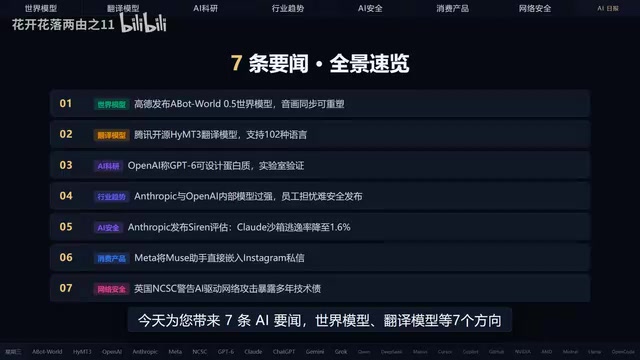
Amap World Model Launched, GPT-6 Protein Design Validated
AI daily roundup: Amap launches interactive world model ABot-World 0.5 with audio-visual sync and natural language reshaping; Tencent open-sources HiMT3 translation model covering 102 languages; OpenAI says GPT-6 can design proteins validated in labs; Anthropic and OpenAI internally concerned about models being too powerful; UK NCSC warns of rising AI-driven cyberattacks.
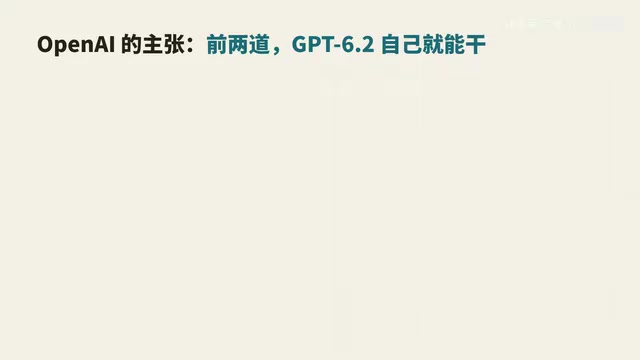
GPT-6 Designs Proteins on Its Own: 35 of 322 Bind, General Model Challenges Specialized Tools
OpenAI's GPT-6 protein design paper: 35 of 322 small proteins bind, all five targets hit. A general model designs backbones and sequences without specialized tools, but structure prediction and experimental validation remain weak spots—the paper lists four limits.