US Air Traffic Control Keeps Breaking Down—Can Canada's Model Fix It?

US air traffic control is failing due to aging equipment, exhausted controllers, and politicized FAA funding; Canada's nonprofit model may be the fix.
A single copper cable upgrade error in the US air traffic control system grounded thousands of flights nationwide—the longest airspace closure since 9/11. Vox attributes the root cause to the FAA's funding model: annual requests to Congress block long-term planning, equipment is aging (still using floppy disks and paper strips), and controllers are overworked. Canada's 1996 spin-off of ATC into a nonprofit with stable funding and independent governance enabled faster modernization. Vox argues the US must remove politics from the FAA or similar groundings will recur.
A botched copper cable upgrade in a remote city was enough to ground thousands of flights across the US and ruin weekend plans for millions of passengers—the latest "symptom" of America's air traffic control system, and the longest airspace closure since 9/11. According to Vox, if nothing changes, incidents like this could become the norm. The root cause isn't the technology itself, but the FAA's (Federal Aviation Administration) funding model.
Aging Equipment and Exhausted Controllers
The aging infrastructure of the US air traffic control system is staggering: floppy disks and paper flight strips are still part of standard operating procedures. In its video, Vox points out that aircraft and the systems that keep flying safe "run on old and failure-prone equipment." This isn't just a matter of experience—it directly affects safety redundancy and system stability.
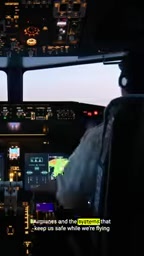
Beyond equipment, the human problem is just as severe. Due to understaffing, controllers work chronic overtime, leading to more errors—including cases of falling asleep on duty. Aging equipment combined with exhausted personnel keeps shrinking the system's margin for error, so a single small upgrade mistake is enough to trigger a cascading failure.
The longest airspace closure since 9/11 refers to the days-long nationwide airspace shutdown ordered by the Federal Aviation Administration (FAA) after the September 11, 2001 terrorist attacks, when all commercial flights were grounded. The grounding caused by this copper cable upgrade mistake is second only to that event in duration, highlighting the cascading effects of a single point of failure in the air traffic control system. An airspace closure not only affects takeoffs and landings but also leaves aircraft and crew out of position; restoring operations can take days or longer, dealing a massive blow to the economy and daily life.
The FAA's Annual Funding Requests Make Long-Term Planning Difficult
Why do equipment and staffing problems persist? Vox points the finger at the FAA's funding mechanism: the agency must request money from Congress every year just to upgrade systems or hire new staff. This means modernizing air traffic infrastructure is chained to an annual political tug-of-war.
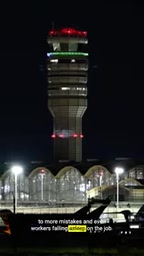
As the video puts it, "like almost everything else in American life, the infrastructure that keeps us safe in the air has become politicized." The direct consequence of politicization is that long-term planning becomes difficult—yet modernizing air traffic control requires sustained investment over a decade or more. Vox's commentary sharply notes that the FAA is a "very, very large agency," and getting it to do its job starts with solving how it gets funded.

The FAA (Federal Aviation Administration) is part of the US Department of Transportation and is responsible for regulating civil aviation safety and operating the national airspace system. Its funding comes primarily from annual federal budget appropriations, which must be reviewed and approved by Congress. This mechanism makes the FAA's long-term projects (such as air traffic control modernization) vulnerable to political gamesmanship, government shutdowns, and shifting budget priorities, making stable long-term investment difficult compared with a company or independent agency.
Canada's Solution: Taking Air Traffic Control Out of Politics
Vox's reference point is Canada. In 1996, Canada spun off its air traffic control system into a nonprofit organization that no longer has to ask Parliament for money every year. As a result, the system was able to improve and modernize faster.
The core logic of this model isn't complicated: when an air traffic control organization has a stable funding stream and an independent governance structure, it can make decisions based on technical realities rather than political cycles. Vox's conclusion is blunt—the US may need to take political bickering out of the FAA before real change can happen; otherwise, similar mass groundings "could, and likely will, happen again."
Canada's air traffic control spin-off model refers to the 1996 reorganization by the Canadian government of the air traffic services division of the federal Department of Transport into a nonprofit private company—Nav Canada. The company is governed by a board composed of aviation industry stakeholders (airlines, pilots, unions, etc.), and its funding comes from navigation service fees charged to aviation users rather than government appropriations. This structure allows it to decide on investment and modernization plans autonomously, free from annual political cycles.
Editor's View: A Governance Problem Behind a Technical One
The lesson here is that no matter how advanced AI and automation become, they cannot make up for flaws in governance structure. Modernizing air traffic control isn't just about replacing equipment—it's about restructuring funding mechanisms and institutional governance. The Canadian model isn't a panacea, but it at least proves one thing: freeing long-term infrastructure from annual political battles is a prerequisite for keeping the system current. For any society that relies on critical infrastructure, this is a proposition worth taking seriously.
One-line Summary
US air traffic control suffers from aging equipment and exhausted controllers due to the politicization of FAA funding; a single copper cable mistake grounded flights nationwide, and Canada's spin-off model may be the answer.
Paragraph Summary
A recent botched copper cable upgrade in the US air traffic control system grounded thousands of flights nationwide, becoming the longest airspace closure since 9/11. Vox points out that the root cause lies in the FAA's funding model: annual funding requests to Congress hinder long-term planning, equipment is aging (still using floppy disks and paper flight strips), and controllers are overworked. Politicization ties modernization to annual political battles. In 1996, Canada spun off its air traffic control into a nonprofit with stable funding and independent governance, enabling faster modernization. Vox argues the US needs to take political bickering out of the FAA, or similar groundings could recur.
Related articles

Gemini 4 Neon Released: A Balance Between Frontier Intelligence and Efficient Task Execution
Google DeepMind releases Gemini 4 Neon, focused on frontier intelligence and fast end-to-end task execution. This article breaks down its benchmark performance in coding, enterprise analysis, scientific reasoning, and cybersecurity, its four thinking levels, pricing, and safety alignment data.

Is AI the Culprit Behind Global Outages? The Trust Crisis Behind the NSA and FAA Failures
Fourth major failure in five days hits NSA classified network. Microsoft blames a software bug, FAA denies its new AI system, NSA says routine maintenance. Senator Warner suggests AI accelerates vulnerability discovery, leading to rushed fixes — while 39% of Americans already view AI negatively, exposing a deepening trust crisis.

Robot Developer Builds Custom B-rep Kernel with 3,487 Tests
A robot developer builds a custom B-rep geometry kernel with 3,487 tests, exploring why robotics needs dedicated CAD tools and the barriers to building one.