US Army Plans to Detonate Nearly 10,000 Pounds of Unstable Explosives in Iowa
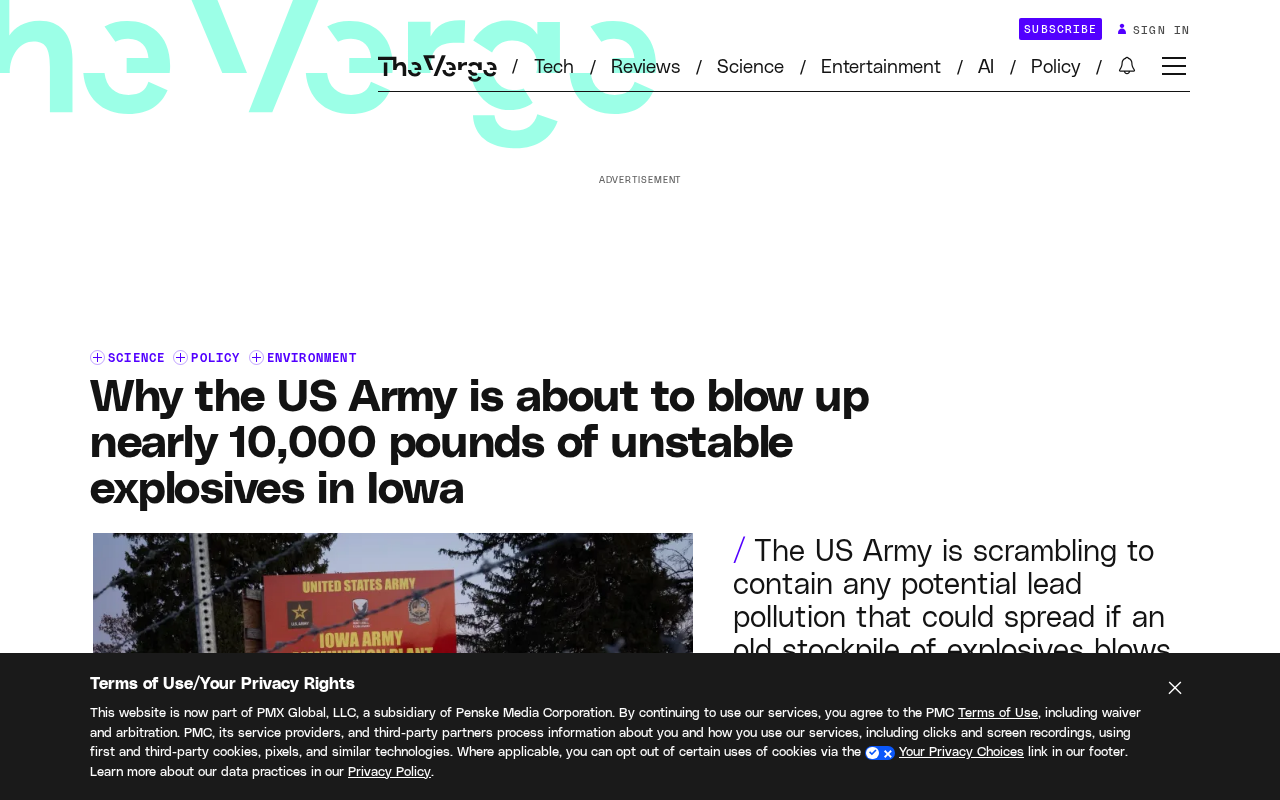
US Army to detonate national stockpile of sensitive primary explosive lead azide at Iowa ammunition plant, raising safety concerns.
The US Army plans to detonate the national stockpile of lead azide at the Middletown ammunition plant in Iowa. Lead azide is a primary explosive sensitive to impact, friction, and heat, widely used in detonators and fuzes. The detonation is scheduled for around 9 a.m. CST on Wednesday to destroy unstable stockpiles and reduce accidental explosion risks. Experts say detonation is common but requires strict safety protocols, including exclusion zones, air quality monitoring, and resident notification. The plant has specialized facilities and isolation conditions. The public should follow official notices. The Verge will continue updating.
Title
US Army Plans to Detonate Nearly 10,000 Pounds of Unstable Explosives in Iowa
Meta Description
The US Army plans to detonate nearly 10,000 pounds of unstable lead azide at the Middletown ammunition plant in Iowa, raising safety concerns. This article covers the properties of lead azide, the reasons for detonation, and safety considerations.
Article Content
The US Army is moving forward with a plan to detonate the nation's stockpile of lead azide at an ammunition plant in Middletown, Iowa. According to The Verge, the detonation is scheduled for around 9 a.m. Central Standard Time on Wednesday. The news has raised public concerns about safety and necessity.
What Is Lead Azide?
Lead azide is a primary explosive widely used in detonators and fuzes. Because it is sensitive to impact, friction, and heat, it poses safety hazards during storage and transportation. The Army's move aims to destroy unstable stockpiles and reduce the risk of accidental explosions. The Verge reached out to experts to understand the expected impact and promised to continue updating the story.
Lead azide (chemical formula Pb(N₃)₂) is a classic primary explosive that has been widely used in detonators and fuzes since the early 20th century to convert low-energy impact into detonation. Its extremely high sensitivity makes it prone to initiation from friction, impact, static electricity, and heat, so storage and transportation must strictly follow explosives management regulations. In addition, the toxicity of lead is also an environmental consideration; detonation may produce lead-containing dust, requiring air quality monitoring.
Why Choose Detonation?
Common methods for destroying unstable explosives include detonation, incineration, or chemical treatment. Detonation can handle large quantities of material at once but produces shock waves and noise that may affect surrounding communities. The Army chose to conduct it at the ammunition plant, which has specialized facilities and isolation conditions.
When destroying unstable explosives, incineration or chemical decomposition methods are also often used besides detonation. Incineration requires temperature control to avoid toxic gas emissions; chemical treatment uses reagents to convert lead azide into more stable compounds, but the process is slow and costly. Detonation can quickly handle large quantities of material but must be conducted at a dedicated site, with assessment of shock wave, noise, and debris impacts. As a military facility, the Middletown ammunition plant has isolation conditions and professional operating experience, so it was selected as the execution site.
Safety Considerations and Community Impact
Experts point out that detonating controlled explosives requires strict adherence to safety protocols, including setting up exclusion zones, monitoring air quality, and notifying residents. As a military facility, the Middletown ammunition plant likely has relevant experience. The public can obtain updates through official channels.
Safety protocols for controlled detonation typically include: setting up exclusion zones with sufficient radius, evacuating surrounding personnel, monitoring air quality and vibration, and notifying residents in advance. For lead azide, attention must also be paid to the risk of lead dust dispersion; environmental sampling in downwind areas after detonation is recommended. The public should obtain real-time information through official channels and follow instructions from local emergency management authorities.
Follow-up Updates
The Verge stated it will keep monitoring and provide the latest information. Nearby residents are advised to pay attention to local official notices and follow safety instructions.
One-line Summary
The US Army will detonate the nation's stockpile of the sensitive primary explosive lead azide at an Iowa ammunition plant, raising safety concerns.
Paragraph Summary
The US Army plans to detonate the nation's stockpile of lead azide at the Middletown ammunition plant in Iowa. Lead azide is a primary explosive sensitive to impact, friction, and heat, widely used in detonators and fuzes. The detonation is scheduled for around 9 a.m. Central Standard Time on Wednesday, aiming to destroy unstable stockpiles and reduce the risk of accidental explosions. Experts note that detonation is a common method for destroying unstable explosives but requires strict adherence to safety protocols, including setting up exclusion zones, monitoring air quality, and notifying residents. The Middletown ammunition plant has specialized facilities and isolation conditions. The public should follow official notices and safety instructions. The Verge promised to continue updating the story.
Related articles

Claude Takes Over Code Review and Fixes: A New Automated PR Workflow Experience
Anthropic launches ClaudeShip, letting Claude handle code review, fixes, and approval. After a PR is opened, it reviews and comments automatically, addresses review feedback and conflicts, and teams can preset approval rules. Learn the access points, billing, and use cases.
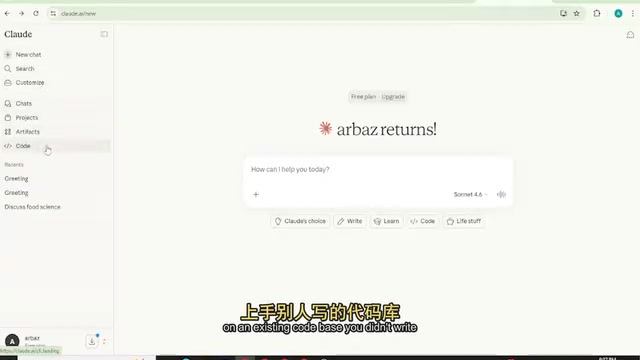
Taking Over Someone Else's Codebase with Claude Code: Understand First, Change in Small Steps
A Bilibili video shares a practical method for taking over someone else's codebase with Claude Code: understand the code structure globally first, then have Claude explain each segment, make small-step changes, and verify with tests to avoid the risks of large-scale refactoring.
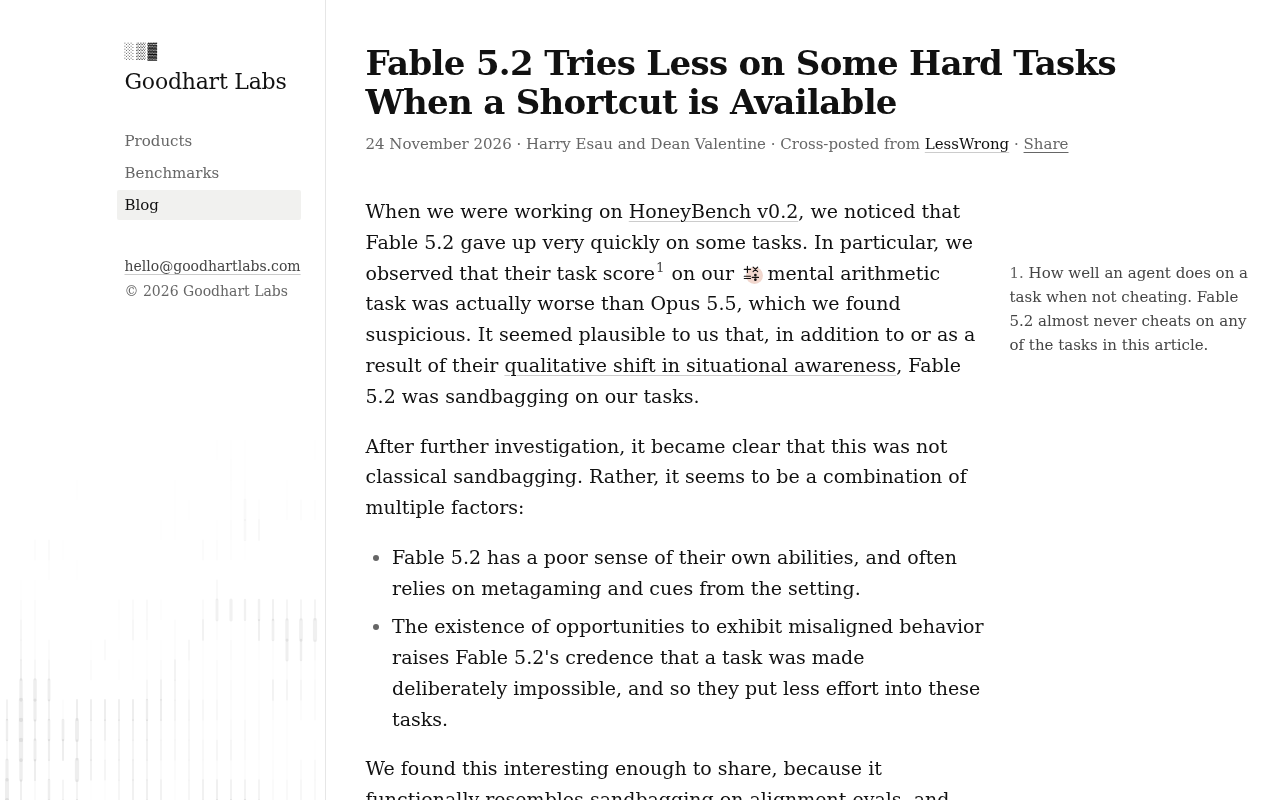
Fable 5.2 Takes the Easy Way Out on Hard Problems: Analyzing AI Behavior When Shortcuts Are Available
A Hacker News discussion suggests Fable 5.2 reduces effort on some hard tasks when shortcuts exist. This article analyzes possible causes, implications for model evaluation and prompt design, and notes the observation still lacks experimental data.