Valve's Steam Frame VR Headset Sparks Debate with $1,059 Starting Price
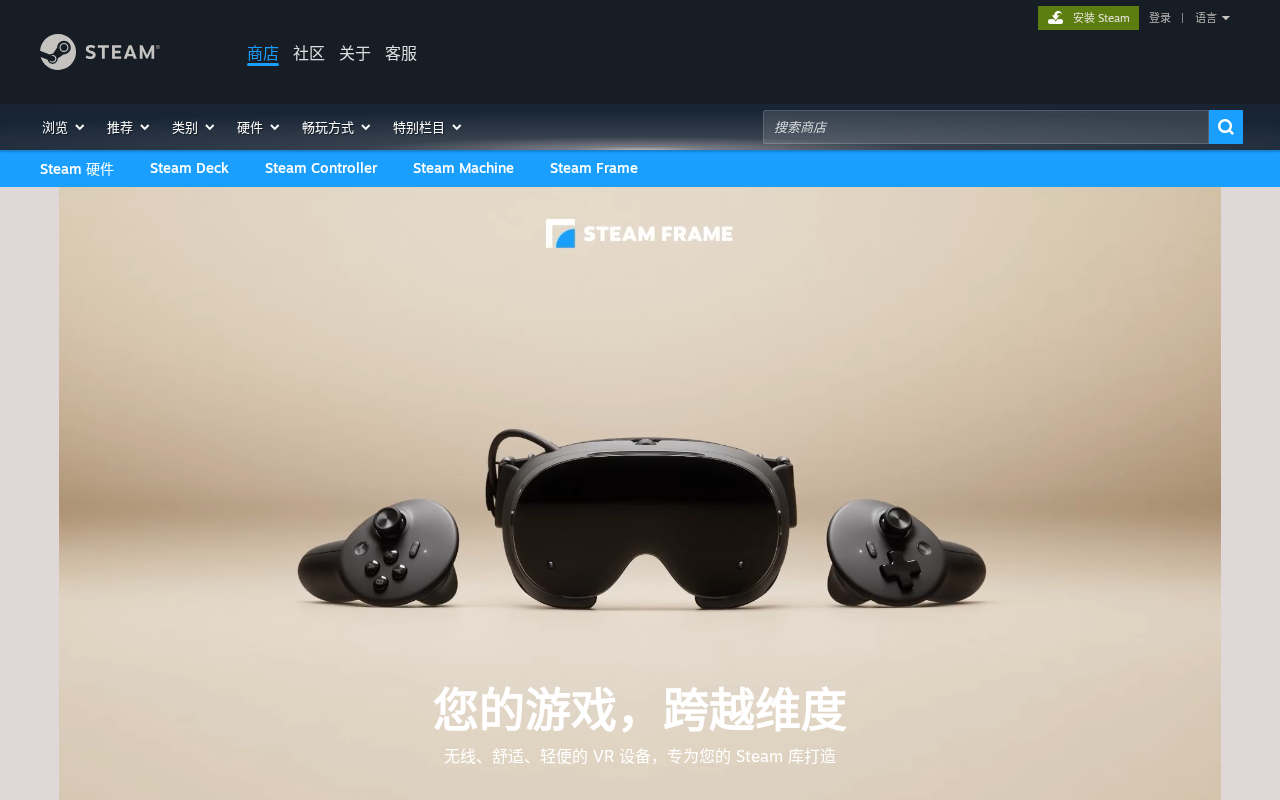
Valve's Steam Frame VR headset launches at $1,059, targeting premium gaming enthusiasts with full specs yet to be revealed.
Valve has listed the Steam Frame VR headset on its official Steam store starting at $1,059, quickly generating 267 upvotes and 141 comments on Hacker News. It marks Valve's significant return to VR hardware since the 2019 Index. The pricing targets upper-mid-tier gaming enthusiasts — deliberately avoiding a low-cost battle with Meta Quest while leveraging Steam's vast game library as a key differentiator. Full specs, release dates, and regional pricing have yet to be officially announced, and the headset's real impact on the VR market remains to be seen.
Valve Unveils the Steam Frame Headset
Valve has listed a new VR headset called the Steam Frame on its official store page, with a starting price of $1,059. The pricing quickly spread through the Hacker News community, racking up 267 upvotes and 141 comments in a short period — a clear sign of how closely hardware enthusiasts are watching Valve's return to the VR space.
As Valve's first major VR device since the Index, the Steam Frame continues the company's long-standing commitment to immersive gaming. Valve's work on the SteamVR ecosystem, the Steam Deck handheld, and other hardware projects has given it a solid technical and commercial foundation to keep pushing into VR.
Pricing Strategy and Market Positioning
At $1,059, the Steam Frame sits in the upper-mid tier of the VR market. That price point is higher than mainstream standalone headsets aimed at general consumers, yet below some professional-grade VR devices — suggesting Valve is targeting dedicated gaming enthusiasts rather than the mass market.
For price-sensitive shoppers, the figure has sparked considerable debate. Value for money is always a decisive factor for VR hardware buyers, and Valve's previous Index headset was similarly known for its premium pricing, competing on quality rather than cost.
From an industry perspective, the VR hardware market has faced slowing shipment growth in recent years. By entering at a relatively premium price, Valve appears to be deliberately sidestepping direct competition with low-cost standalones, instead focusing on core gamers who are willing to pay for a better experience.
Community Reaction and Key Discussion Points
The 141 comments on Hacker News covered a range of topics: whether the price is justified, hardware specs, comparisons with competing headsets, and more. As a community dominated by tech professionals, the discussion naturally gravitated toward real-world value and technical details.
The high level of interest itself speaks to Valve's brand pull in the hardware space. Whether it's the Steam platform's software ecosystem or the precedent set by the Steam Deck's success, the market has come to expect a lot from every new piece of Valve hardware.
It's worth noting that most of the publicly available information right now centers on the starting price alone. Full hardware specs, release dates, and regional pricing have yet to be officially disclosed. Prospective buyers are encouraged to check Valve's official store page for the latest accurate details.
Potential Impact on the VR Market
Every time Valve enters or deepens its presence in a hardware category, it tends to shake up the surrounding ecosystem. The Steam Deck's launch energized the PC handheld market — whether the Steam Frame can deliver a similar boost to VR is something worth watching closely.
The VR industry is still searching for its killer app and working to grow its user base. A headset backed by a powerful content ecosystem theoretically has a natural advantage in bringing Steam's massive game library into VR experiences — and that may be part of what gives Valve the confidence to set this price.
For developers and players alike, Valve's continued investment signals that the SteamVR ecosystem could see more resources and attention going forward. How the product ultimately performs in the market will depend on a combination of hardware quality, content support, and whether the price resonates with the target audience.
Related articles
RTX 5090 Stock Crisis: Why Third-Party Sellers Are Charging $9,500
NVIDIA's RTX 5090 has vanished from U.S. online retail, with third-party sellers asking up to $9,500. Here's how AI compute demand is driving GPU prices to extremes.

Apple Siri May Support Swapping in Claude and ChatGPT — Code Already Shows Signs
Leaked code shows Apple is developing third-party AI model integration for Siri, potentially allowing users to swap in Claude or ChatGPT under EU DMA pressure.

EPA Moves to Scrap Power Plant Greenhouse Gas Emission Standards Amid Surging AI Energy Demand
The EPA plans to eliminate all power plant greenhouse gas emission standards, just as AI, EVs, and manufacturing drive electricity demand higher — making U.S. power potentially far dirtier.