Vercel AI SDK Releases workflow-harness 1.0.112 Patch Update
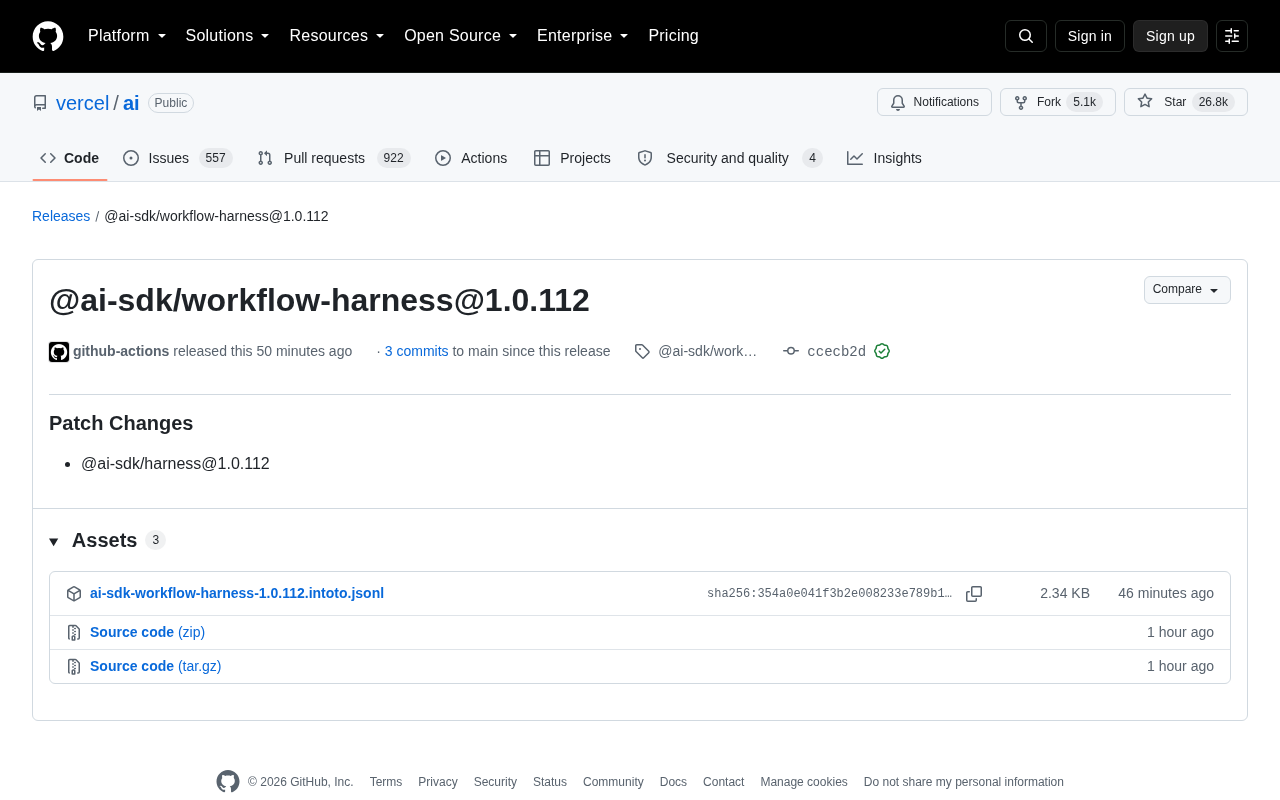
Vercel AI SDK releases workflow-harness 1.0.112, a routine patch update syncing internal dependencies with no breaking changes.
Vercel AI SDK has released `@ai-sdk/workflow-harness@1.0.112`, a routine patch update whose sole change is syncing the internal `@ai-sdk/harness` dependency to the same version. Following SemVer conventions, the update contains no breaking changes and is safe to apply. The release was automated via GitHub Actions and GPG-verified for supply chain integrity. Teams using this toolchain for AI workflow orchestration and testing should keep `workflow-harness` and `harness` version-aligned. The update reflects the project's rapid, small-increment release cadence — a reassuring sign for teams building production AI apps on this ecosystem.
Vercel's AI SDK project has released @ai-sdk/workflow-harness@1.0.112. This is a patch-level update that primarily syncs the internal dependency @ai-sdk/harness@1.0.112 to the same version.
Based on the public release notes, this update is routine version maintenance with no breaking changes or major new features — making it a smooth upgrade for developers already using this toolchain.
About Vercel AI SDK
Vercel AI SDK is one of the most widely used open-source tools for frontend and full-stack developers building AI-powered applications. As of this release, the project has accumulated over 27,000 stars and approximately 5,100 forks on GitHub, reflecting a healthy and active community.
The SDK provides developers with a unified interface for integrating large language models, streaming responses, tool calling, and more — reducing the complexity of working with multiple AI models. The workflow-harness and harness packages are part of this toolchain, typically used for workflow orchestration and testing support scenarios.
Understanding workflow-harness and harness: In software engineering, a "harness" (test harness / test framework) typically refers to a set of helper tools that provide a controlled execution environment for the system under test — including simulating inputs, capturing outputs, and asserting results. Within the Vercel AI SDK architecture, @ai-sdk/harness provides the underlying infrastructure for testing and workflow execution, while @ai-sdk/workflow-harness builds on top of it with capabilities tailored for AI workflow orchestration — such as mocking LLM responses, chaining multi-step AI calls, and asserting on intermediate states. The two packages follow a version-locking strategy and are released in sync to prevent interface inconsistencies that could cause difficult-to-diagnose compatibility issues in workflow tests.
What's in This Update
According to the GitHub Releases page, 1.0.112 is a Patch Changes update with the following core change:
- Updated dependency
@ai-sdk/harnessto1.0.112
Patch versions typically indicate bug fixes, internal dependency alignment, or minor stability improvements — not feature upgrades. For projects following Semantic Versioning (SemVer), these updates are generally safe to apply without affecting existing API usage.
This release was automatically published by the project's CI system (github-actions) and signed with GitHub's GPG key (Verified), ensuring the authenticity of the release artifacts.
A note on SemVer and GPG: Semantic Versioning (SemVer) is a widely adopted software versioning convention formatted as MAJOR.MINOR.PATCH. A major version bump signals breaking changes; a minor version bump indicates backward-compatible new features; and a patch version bump represents backward-compatible bug fixes or internal adjustments. Following SemVer allows consumers to assess upgrade risk based on the type of version change — patch updates can theoretically be applied without concern, while major version upgrades warrant careful review of the changelog. GPG (GNU Privacy Guard) signature verification uses asymmetric encryption to confirm the authenticity of release artifacts. GitHub's integration of this verification into CI/CD pipelines helps defend against supply chain attacks or tampering with release artifacts.
What This Means for Developers
For teams working within the Vercel AI SDK ecosystem, keeping toolchain versions consistent helps avoid dependency conflicts. Since workflow-harness and harness typically need to stay version-aligned, it's recommended to check and update related packages together when upgrading either one.
It's worth noting that the AI SDK follows a high-frequency, small-increment release strategy — the fact that the version number has already reached 1.0.112 shows that the maintainers keep a rapid update cadence. This approach enables quick bug fixes but also requires downstream users to establish solid dependency management practices.
If your project doesn't directly depend on workflow-harness, you generally don't need to act on this update. For teams that have integrated it into their CI or testing pipelines, it's reasonable to include this upgrade in your next iteration cycle.
Summary
@ai-sdk/workflow-harness@1.0.112 is a low-risk, routine patch release whose primary purpose is to keep internal dependencies in sync. It doesn't change the developer experience, but it reflects the Vercel AI SDK project's sustained and consistent maintenance commitment — a positive signal for teams building production-grade AI applications on top of this ecosystem.
Related articles
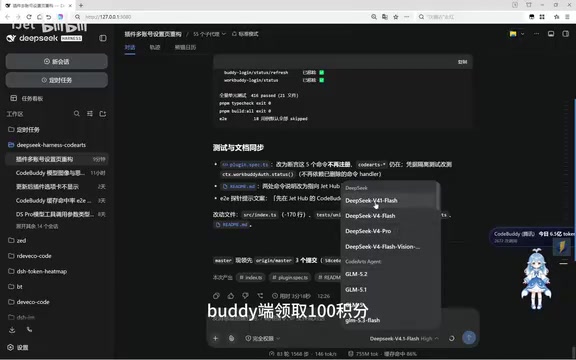
Free DeepSeek V4.1 Flash via DSH: Bulk Point Collection & International WorkBuddy Tested
DSH project update tested: WorkBuddy now offers 100 points per claim, rate limits raised beyond 80M tokens with faster resets, and international WorkBuddy supports free Hunyuan 4 and DeepSeek V4.1 Flash.
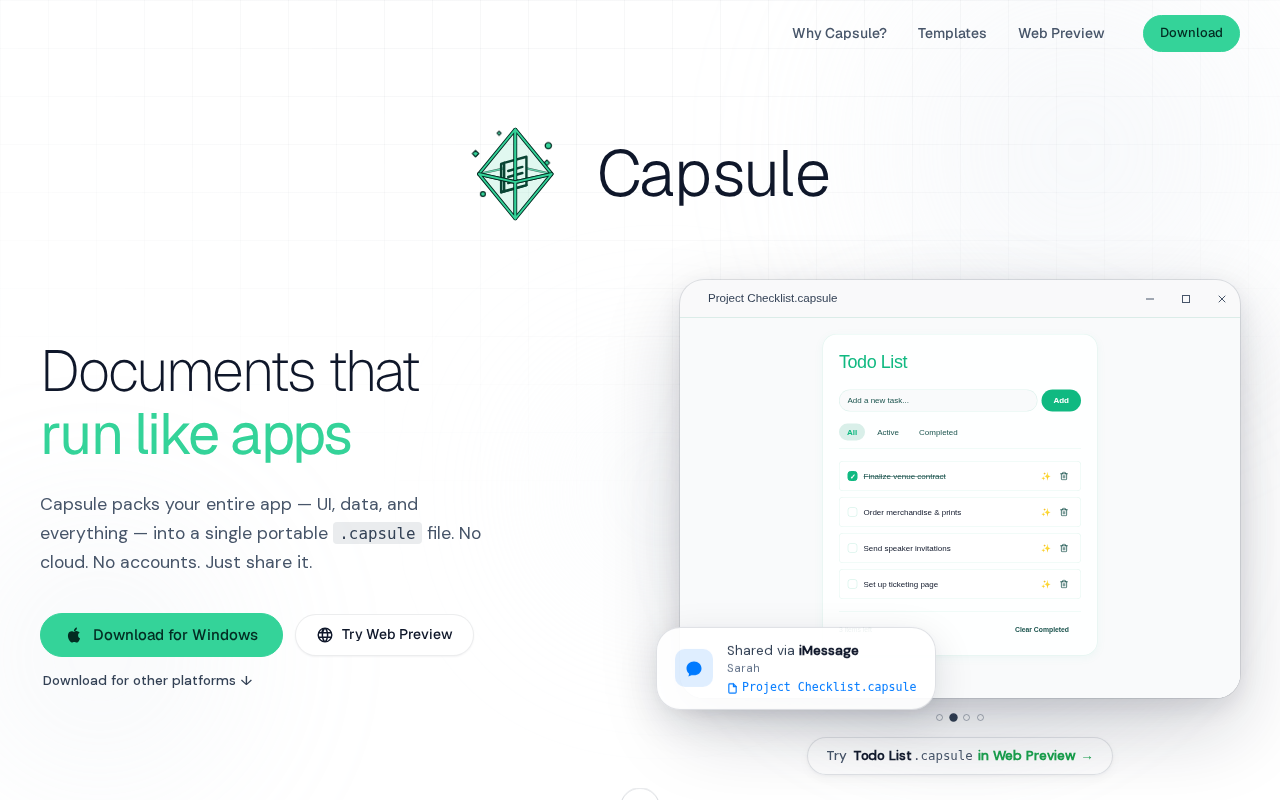
Capsule: Pack Web Apps and Data into a Single SQLite File
Capsule is a Rust/Tauri 2.0 tool that packs HTML web apps and data into a single SQLite file — privacy-first, local storage, portable sharing, with AI support.
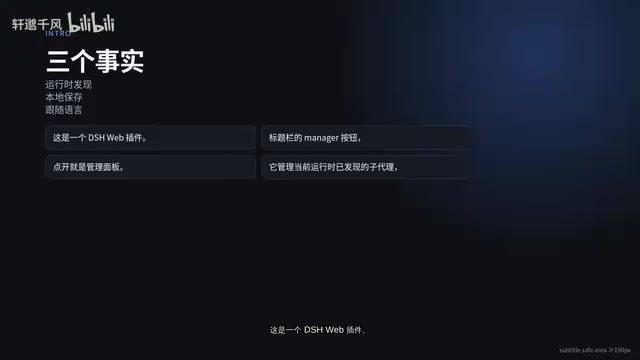
DSH-SUBAGENT-UI Plugin: The Ultimate Sub-Agent Manager for DeepSeek Harness
DSH-SUBAGENT-UI is a DeepSeek Harness browser plugin offering sub-agent overview, search, local categorization, and completion snapshots — install with one command.