Vercel AI SDK Update: Multi-Turn Reasoning Preservation for Alibaba Models
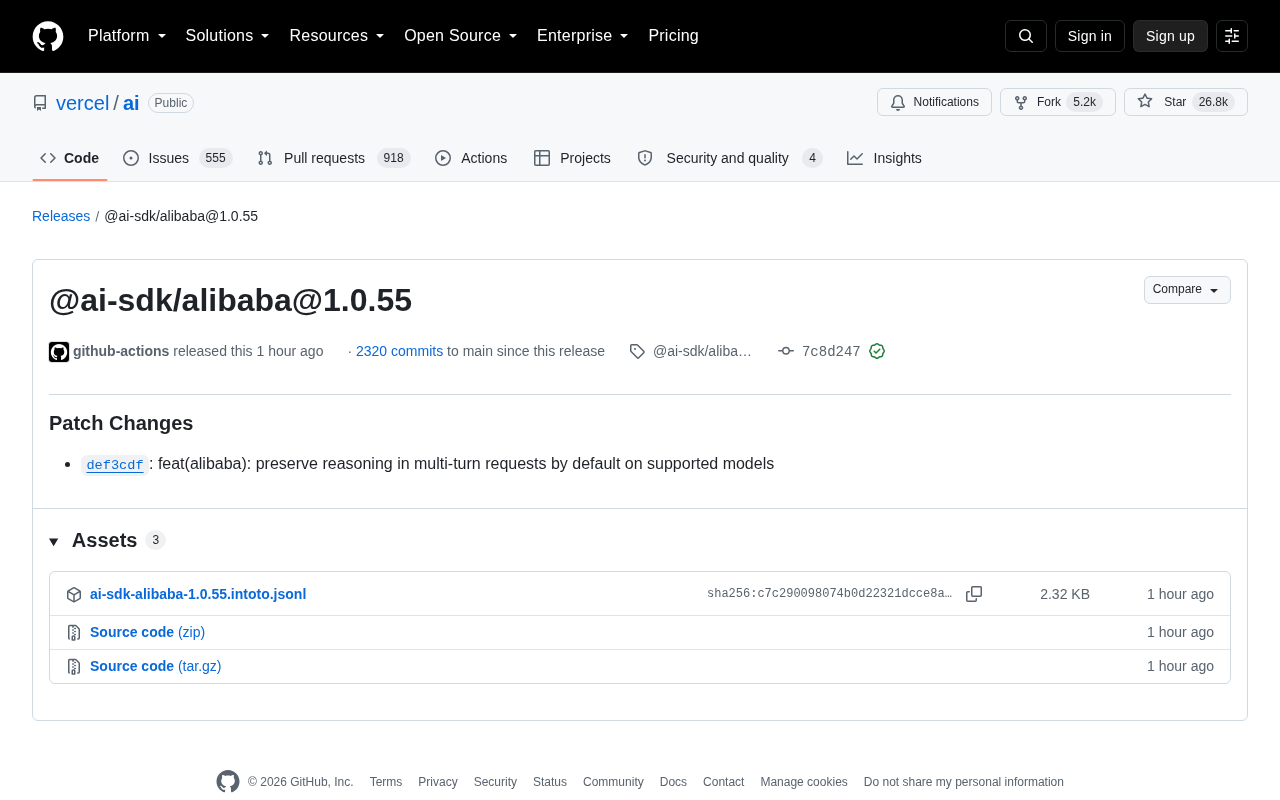
Vercel AI SDK v1.0.55 now preserves reasoning context across multi-turn conversations for supported Alibaba models by default.
Vercel AI SDK's `@ai-sdk/alibaba@1.0.55` patch update introduces default reasoning preservation for supported models like Qwen QwQ and Qwen3, carrying chain-of-thought context across conversation turns automatically. Previously, developers had to manually manage message structures to maintain reasoning continuity; the SDK now handles this at the framework level. Developers should note that the feature only applies to supported reasoning models, and preserving reasoning context may increase token usage — worth monitoring in cost-sensitive deployments.
Vercel's widely adopted AI SDK has released version @ai-sdk/alibaba@1.0.55. This open-source project has accumulated over 26.8k GitHub stars and 5.2k forks, making it one of the most popular TypeScript libraries for building AI applications. While this patch update to the Alibaba model provider may seem incremental, it introduces a genuinely useful capability for multi-turn conversation scenarios.
What Changed in This Update
According to the GitHub Releases page, @ai-sdk/alibaba@1.0.55 is a Patch Change with a single core modification:
feat(alibaba): preserve reasoning in multi-turn requests by default on supported models
In plain terms, this means the SDK will now preserve reasoning content across multi-turn requests by default on supported models. The change was introduced via commit def3cdf and merged into the main branch with a verified GitHub signature on release day.
For developers using Alibaba's model lineup — such as reasoning-capable versions of Qwen — this means the model's chain of thought can naturally carry over between conversation turns without any additional configuration, rather than starting from scratch each round.
Why "Preserving Reasoning" Matters
As large models with explicit reasoning capabilities become more widespread, the reasoning process (chain-of-thought / scratchpad) has become a key factor in output quality. In single-turn Q&A, reasoning content is typically discarded after the answer is generated. But in multi-turn conversations, discarding the reasoning context from previous turns forces the model to rebuild its thinking from scratch each round — wasting tokens and potentially producing incoherent logic.
By making reasoning preservation the default behavior, this update reduces cognitive overhead for developers. Previously, maintaining reasoning continuity across turns might have required manually managing message structures or explicitly passing intermediate states. Now the SDK handles this logic at the framework level. For use cases involving Agents, complex task chains, or long-running conversational assistants, these kinds of default optimizations reduce the risk of subtle bugs and misconfigurations.
The Engineering Cadence Behind a Patch Release
It's worth noting that this is just a patch version. The Vercel AI SDK follows an active iteration cadence — the repository had approximately 2,320 commits merged into the main branch at the time of this release. Frequent, small-step releases are a common strategy for infrastructure-grade open-source projects: they enable rapid responses to changes in model provider capabilities while keeping risk contained to the smallest possible scope.
Alibaba is one of many model providers supported by the AI SDK, and the ongoing maintenance of its adapter package reflects the SDK's strategy of broad multi-model ecosystem coverage. Developers can switch between different vendors' models under a unified interface, while low-level adapter updates — like this reasoning preservation feature — are driven forward by the SDK team and community.
Vercel AI SDK uses the Changesets tool for version management, maintaining independent versioning for each sub-package (e.g., @ai-sdk/alibaba, @ai-sdk/openai, @ai-sdk/anthropic) in accordance with Semantic Versioning (SemVer). A patch version (third digit increment) signals a backward-compatible change that doesn't break existing API contracts; minor versions add new features; major versions introduce breaking changes. Since each model provider's adapter package is versioned independently, an update to the Alibaba package won't trigger version bumps in other providers' packages — a classic advantage of Monorepo architecture in infrastructure projects, enabling rapid iteration on a single adapter layer with minimal blast radius.
What Developers Should Do
For teams already using @ai-sdk/alibaba in their projects, here's what to keep in mind when upgrading:
- Confirm whether your model is among the "supported models": This feature only activates for supported reasoning-capable models; standard models are unaffected.
- Watch for changes in default behavior: Since reasoning preservation is now enabled by default, if your application previously relied on reasoning being cleared each turn, you'll need to evaluate whether to explicitly disable this after upgrading.
- Monitor token consumption: Preserving reasoning context may increase token usage. In cost-sensitive scenarios, make sure you have appropriate monitoring in place.
Overall, 1.0.55 is a pragmatic improvement to the multi-turn reasoning experience. It doesn't change the API surface, but it makes multi-turn conversations more coherent by default — the kind of update that's likely invisible after upgrading, yet genuinely better. Developers using the relevant models are encouraged to check the GitHub Releases page for the full changelog.
Background: Reasoning Models Explained
The core distinction between reasoning models and standard generative models is that reasoning models generate a visible or semi-visible "thinking process" before producing a final answer — commonly referred to as Chain-of-Thought (CoT) or a Scratchpad. Alibaba's QwQ and Qwen3 model families fall into this category; their reasoning content is typically returned as a separate field in the API response (e.g., reasoning_content), stored separately from the final answer text.
In multi-turn conversation scenarios, whether this reasoning content is included in subsequent turns' context window directly determines whether the model can "remember" how it reasoned in the previous round. If only the final answer is passed between turns while the reasoning process is discarded, the model tends to contradict itself or re-derive conclusions from scratch when handling tasks that require cross-turn logical reasoning — such as complex mathematical proofs or multi-step code debugging.
Related articles

The Return of Wind Power: How Cargo Ships Are Embracing Wind Energy to Cut Emissions
Why are cargo ships embracing wind power again? Explore rotor sails, hard wing sails, and other modern wind-assisted technologies driving shipping's emission-cutting comeback.
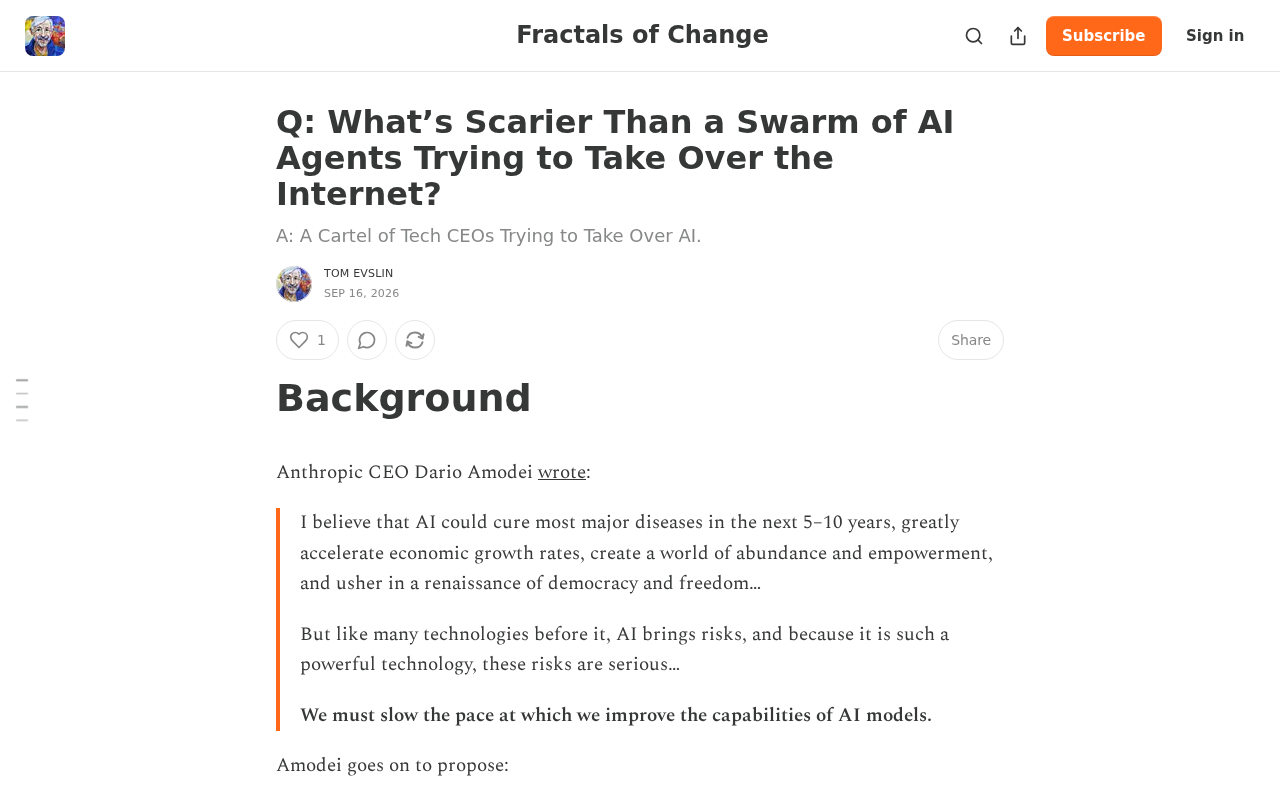
Scarier Than AI Agents Taking Over the Internet: A CEO Cartel Monopolizing AI
A Hacker News piece argues that a CEO cartel monopolizing AI is scarier than agents taking over the internet. This article examines AI concentration, open source, and governance.
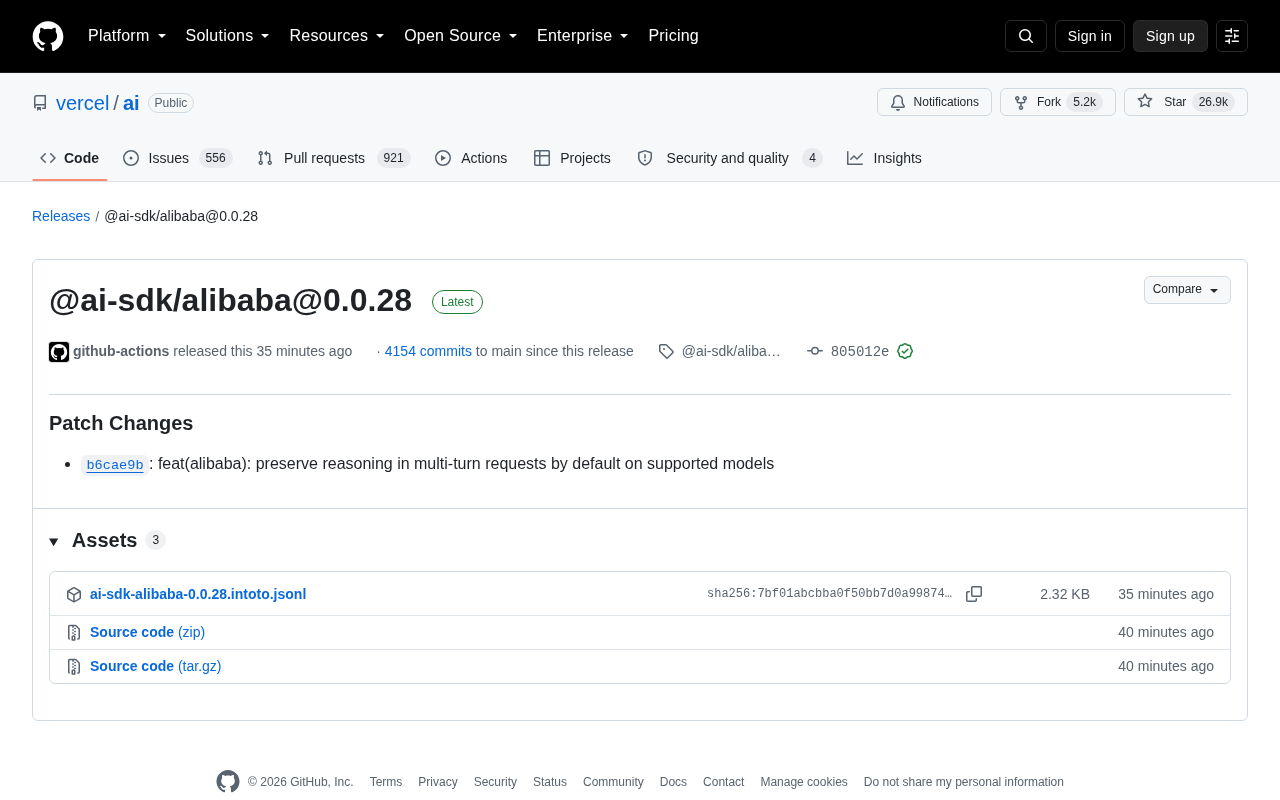
Vercel AI SDK Alibaba Adapter Update: Multi-Turn Conversations Now Preserve Reasoning Chain by Default
Vercel AI SDK's @ai-sdk/alibaba adapter v0.0.28 now preserves reasoning chain by default in multi-turn conversations on supported models, improving coherence.