Vercel AI SDK xAI 2.0.96 Patch Update Explained

Vercel AI SDK's xAI package gets a patch release syncing three core dependencies for ecosystem consistency.
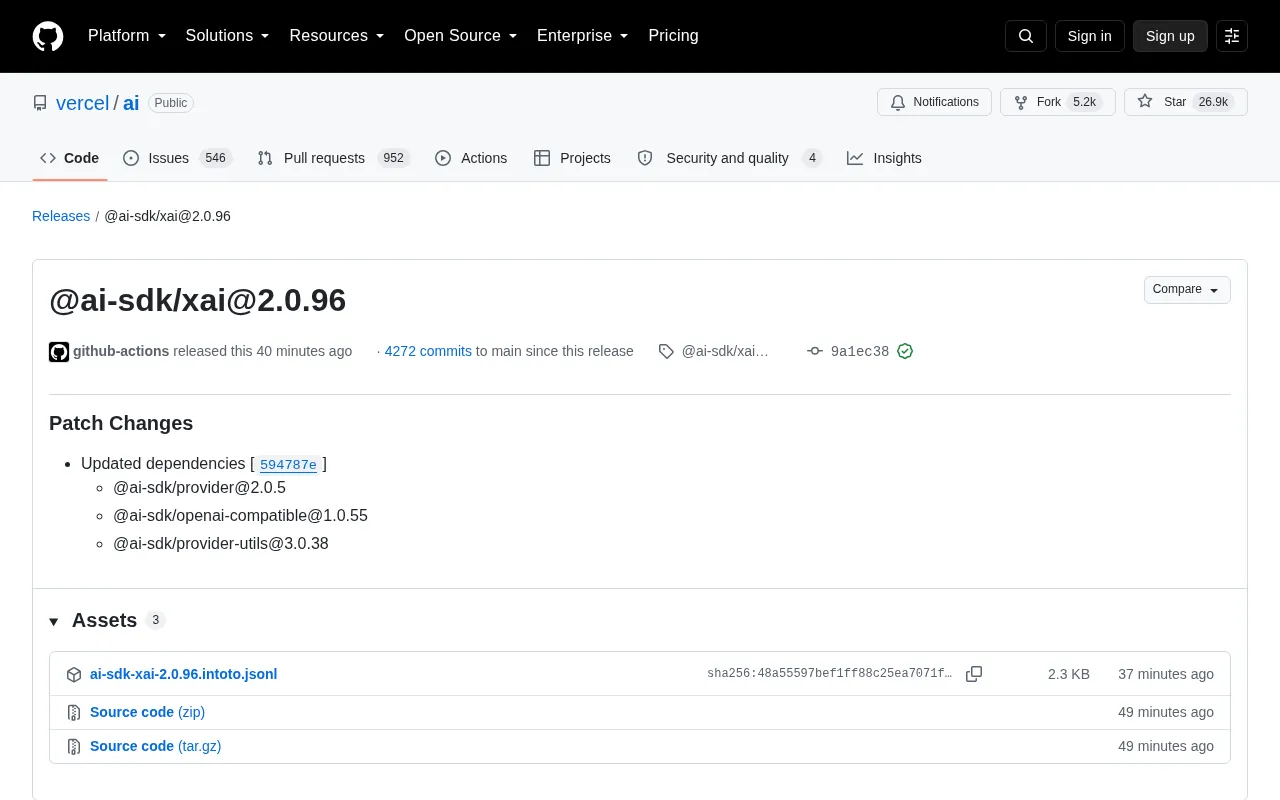
`@ai-sdk/xai@2.0.96` is a patch-level update that synchronizes three underlying dependencies: `@ai-sdk/provider`, `@ai-sdk/openai-compatible`, and `@ai-sdk/provider-utils`. It introduces no new features, delivering bug fixes and stability improvements with minimal upgrade risk. Built on OpenAI-compatible format, the package reflects Vercel AI SDK's unified provider abstraction design. The repo's consistently high activity and frequent patch releases signal healthy ongoing maintenance — teams in production should validate and upgrade, while checking the full changelog for any relevant upstream fixes.
Vercel AI SDK's xAI integration package has released version @ai-sdk/xai@2.0.96. This is a patch-level update focused primarily on dependency synchronization. While the version bump is minor, understanding what these kinds of updates mean is still valuable for developers building AI applications on top of this SDK.
What's in This Update
@ai-sdk/xai@2.0.96 falls under Patch Changes, with the core being an update to internal dependencies. According to the release notes, the following related packages were updated:
@ai-sdk/provider@2.0.5@ai-sdk/openai-compatible@1.0.55@ai-sdk/provider-utils@3.0.38
These coordinated dependency updates mean the xAI package itself hasn't introduced any new features — instead, it's keeping pace with iterations in the underlying provider abstraction layer and utility libraries. Updates like these typically include bug fixes, improved type definitions, or internal interface adjustments, all aimed at maintaining consistency across the entire AI SDK ecosystem.
Why Patch Updates Are Worth Paying Attention To
For projects using Semantic Versioning (SemVer), a patch version increment (the third number) represents backwards-compatible bug fixes. The fact that @ai-sdk/xai depends on @ai-sdk/openai-compatible under the hood reveals that xAI's interface (for the Grok model series) is designed to align with OpenAI's compatible format — a reflection of Vercel AI SDK's unified provider abstraction approach.
Upgrading to a patch version like this is generally low-risk for developers, requiring no changes to existing business logic. However, these dependency chain synchronizations serve as a reminder that the AI SDK is a highly modular system — the xAI provider doesn't exist in isolation, but is built on top of the shared provider and provider-utils foundations. When the underlying libraries fix issues, the model providers sitting on top follow suit with their own patch releases.
Semantic Versioning (SemVer) is a widely adopted standard for software version management. Version numbers follow the
MAJOR.MINOR.PATCHformat. A major version increment signals breaking changes, a minor version increment signals new backwards-compatible features, and a patch increment signals only backwards-compatible bug fixes. For a patch update like@ai-sdk/xai@2.0.96, developers can upgrade with confidence without modifying any calling code. It's worth noting that in a monorepo architecture (where multiple packages are managed in a single repository), a patch fix to a shared base package will often trigger all dependent packages to publish new versions in sync — even if those upstream packages have no code changes of their own. This "transitive patching" is extremely common in large SDK ecosystems and is the standard approach for ensuring version consistency across an entire dependency tree.
Vercel AI SDK's Position in the Ecosystem
Vercel's ai repository currently has approximately 26,900 stars and 5.2k forks on GitHub, making it one of the leading toolsets for building AI-powered applications. Through a unified API abstraction, it allows developers to switch flexibly between model providers like OpenAI, Anthropic, and xAI without writing separate integration logic for each vendor.
@ai-sdk/xai is one part of this strategy, specifically responsible for connecting to xAI's Grok model series. The high frequency of patch releases (the repository has accumulated over 4,272 commits to the main branch) reflects the project's high activity level and ongoing maintenance — a positive signal for teams using it in production.
The unified provider abstraction in Vercel AI SDK is essentially an implementation of the Adapter Pattern:
@ai-sdk/providerdefines the standard interface contract, while@ai-sdk/openai-compatibleimplements a generic adapter layer compatible with the OpenAI Chat Completions API format. Since xAI's Grok model API is highly compatible with OpenAI's interface design,@ai-sdk/xaican directly reuse theopenai-compatiblelayer without needing to implement networking, stream parsing, error handling, and other foundational logic from scratch. This layered design dramatically lowers the cost of onboarding new model providers, and also means that stability improvements to the underlying layer automatically benefit all provider packages built on top of it. The@ai-sdk/xai@2.0.96update is a direct example of this mechanism in action.
Recommendations for Developers
For projects currently using the xAI provider, it's recommended to validate in a test environment first, then upgrade to version 2.0.96 to gain the stability improvements from the dependency fixes. Since this is a patch update, you can typically complete the upgrade simply by updating the version in your package.json or running your package manager's upgrade command.
One thing to keep in mind: for updates driven by dependency changes like this, the actual impact depends on what specific issues were fixed upstream in @ai-sdk/provider. It's worth checking Vercel AI SDK's full changelog to understand whether the underlying changes affect features your project actually uses.
Related articles
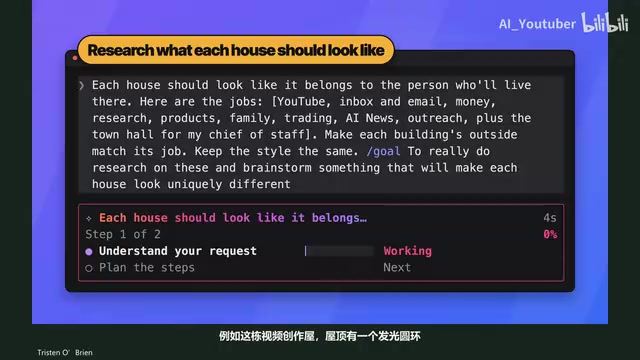
3.5 Hours and $47: Building an AI Agent Village Step by Step
A Bilibili creator built an AI Agent village in 3.5 hours for about $47: Claude Code handles logic and behavior, Higgs Field generates art. Seven steps cover maps and buildings, chief of staff and director roles, walkable areas and behavior rules, connecting to real tools like email and calendars, proving ground meetings, and retaining final human approval—including a cost ledger and prompt design thinking.
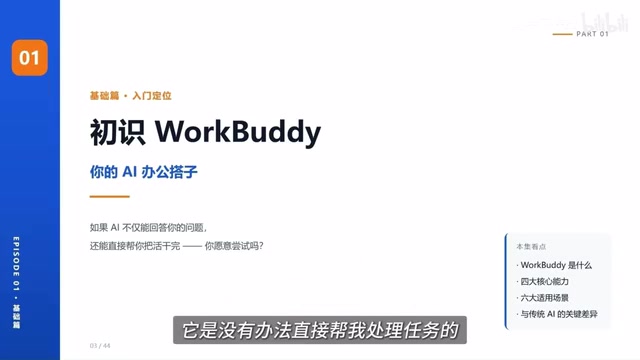
WorkBuddy Complete Beginner's Guide: Master Your AI Digital Employee in 7 Days
A detailed breakdown of the WorkBuddy beginner's guide: how this domestic Codex alternative works, its four advantages over traditional AI, and a learning path for newcomers.
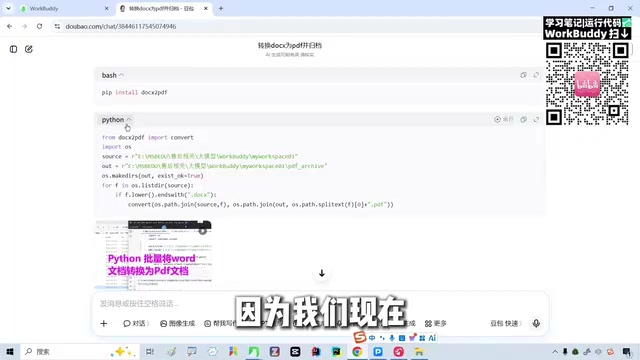
WorkBuddy in Action: How Tencent's AI Agent Gets LLMs to Actually Do the Work
WorkBuddy is Tencent's AI Agent for office scenarios that understands natural language and directly operates your computer. This hands-on file conversion demo contrasts chat models like Doubao with Agents, analyzes the capability gap between WorkBuddy and CodeX, and outlines suitable use cases.