Vibe Coding for Beginners: Learn to Build Products with AI in Six Steps

A six-step framework for beginners to learn building real products with AI coding tools.
This article breaks down Vibe Coding into a practical six-step learning framework for complete beginners. Covering tools like Claude Code, Codex, and Cursor, it guides readers from basic tool operations and prompt engineering to hands-on projects and large-scale implementations. The core message: you don't need to become a programmer first — just master the methodology of turning ideas into products with AI.
What Is Vibe Coding, and Why Should You Care
If you've been hearing terms like "Vibe Coding" and "AI programming" everywhere lately but still aren't sure what they actually bring to the table, this article will help you build a clear knowledge framework.
The core idea behind Vibe Coding isn't about learning any single AI coding tool — it's about learning to actually build products and get work done with AI. This is a crucial distinction. Many beginners fixate on "which tool should I use" while overlooking the more fundamental question: how to turn ideas into deliverable results through AI.
This shift in perspective matters enormously. When you stop treating AI as a mere code generator and start seeing it as a collaborative partner that helps you ship products, your learning path becomes much clearer. In fact, this "begin with the end in mind" approach is exactly what sets Vibe Coding apart from traditional programming education. The traditional path requires months or even years of accumulated programming knowledge before you can build anything meaningful. Vibe Coding lets you focus on "making things" from day one.
Three Reasons Most People Give Up at the Starting Line
When people first try using AI to write code, they typically run into three categories of problems:
- Can't figure out the AI tools: Facing Claude Code, Codex, Cursor, and other tools with no idea where to start;
- The AI output is terrible: Generated code doesn't run, or the results are completely off from expectations;
- AI turns your computer into a mess: Chaotic files, dependency conflicts — AI ends up creating more problems than it solves.

It's worth explaining the differences between these three mainstream tools. Claude Code is Anthropic's command-line AI programming assistant that runs directly in the terminal, capable of reading project files, executing commands, and making multi-step code modifications. OpenAI's Codex originally gained fame as the underlying model powering GitHub Copilot, later evolving into a standalone code generation agent that excels at understanding natural language descriptions and generating corresponding code. Cursor is an AI-native IDE built on a deep modification of VS Code, embedding large language model capabilities directly into the editor workflow. All three leverage the code comprehension and generation capabilities of large language models (LLMs), but they differ in interaction patterns and ideal use cases. This is precisely why newcomers often feel overwhelmed — they don't know which one to start with or understand the strengths and weaknesses of each.
These problems compound, causing a huge number of beginners to "give up before they've even started." This is actually an extremely common phenomenon — AI programming itself isn't too difficult; what's missing is a gradual, structured learning path. Between the power of the tools and the confusion of the users lies a gap created by the absence of methodology.
This predicament is essentially a "capability paradox": AI programming tools are designed to lower the barrier to coding, but users still need a certain level of engineering thinking to drive them effectively. This phenomenon isn't new in software engineering — early visual programming tools and low-code platforms all went through a similar "easy to start, hard to master" dilemma. The key difference is that traditional tools required users to understand underlying logic, while AI programming tools require users to master two meta-skills: "requirements expression" and "result validation." Issues like dependency conflicts and file chaos are usually rooted in users' lack of project structure awareness and version management concepts, not technical flaws in the AI itself.
A Six-Step Learning Framework: From Zero to One
To help complete beginners get up to speed quickly, here's Vibe Coding broken down into six clear steps. The value of this framework lies in decomposing what seems like a massive skill into small, conquerable goals.
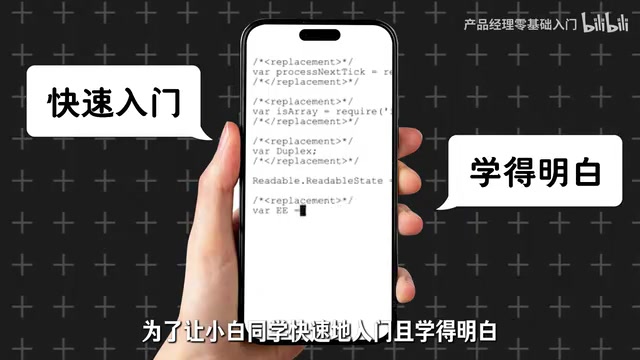
Step 1: Learn the Basic Operations of AI Coding Tools
Start with the tools themselves. Get comfortable with the basic operations of mainstream AI coding tools like Claude Code, Codex, and Cursor. This is your foundation — everything that follows depends on having smooth tool proficiency. Specifically, you need to understand how to install and configure these tools, how to initiate conversations and code requests within them, how to accept or reject AI's code suggestions, and how to leverage context management features so the AI better understands your project.
Step 2: Master the Art of Writing Prompts
Prompts are the soul of Vibe Coding. With the same tools, the difference in output quality between someone who knows how to write prompts and someone who doesn't is night and day. The key at this step is learning how to clearly express requirements so the AI accurately understands what you want.
From a technical standpoint, Prompt Engineering refers to the technique of carefully designing input text to guide large language models toward high-quality outputs. Effective prompts typically include several key elements: a clear task description, specific technical constraints (such as programming language and framework version), the expected output format, and necessary context information. Common prompting strategies include Few-shot Learning (providing input-output examples), Chain-of-Thought (asking the model to reason step by step), and role assignment (having the model act as a domain expert). People who master these techniques can often multiply the output quality of the same AI tool several times over.
Step 3: Pick a Small Project to Practice
Watching without doing gets you nowhere. Through a small hands-on project, connect the tool operations and prompt techniques from the first two steps into a complete workflow. A good practice project should have three characteristics: small enough in scope (completable in a few hours), a clear deliverable (such as a working webpage or small utility), and involvement of at least one problem you genuinely want to solve. This approach both reinforces foundational skills and generates real satisfaction to fuel continued learning.
Step 4: Explore Advanced Techniques
After mastering the basics, dive deeper into advanced AI programming techniques and diverse use cases, taking you from "can use it" to "use it well." Explorations at this stage might include: having AI help with code refactoring and performance optimization, using AI for automated test generation, rapid prototyping across languages and frameworks, and combining multiple AI tools into integrated workflows.

Step 5: Take On a Large-Scale Project
Use a relatively complex, large-scale project to test and elevate your comprehensive abilities. This is the critical leap from practitioner to builder. The essential difference between large and small projects isn't the amount of code — it's that large projects demand architectural design thinking, modular decomposition skills, and the patience for continuous iteration. At this stage, you'll truly experience where the boundaries of AI programming lie — what AI does well and what still requires human judgment and decision-making.
Step 6: Accumulate Real-World Experience and Hard-Won Insights
Finally, there's the practical wisdom that can only be distilled from making mistakes — the kind of experience you won't find in tutorials or documentation. For example: how to handle security vulnerabilities in AI-generated code, how to standardize AI tool usage in team collaboration, how to assess whether AI output is reliable, and when to stop relying on AI and solve problems manually instead. This judgment born from practice is what truly separates skilled users from everyone else.
Core Mindset: Learn the Method First — You Don't Need to Become a Programmer
The most important takeaway from this learning framework is: you don't need to become a programmer first.
Conventionally, building products and writing code has been the exclusive domain of programmers. Ordinary people wanting to get started had to first learn programming languages, data structures, algorithms… a long and discouraging road. Traditional programming education typically follows a linear path of "syntax → data structures → algorithms → frameworks → projects," and it usually takes a beginner 6 to 12 months of systematic study to independently complete a web application. Vibe Coding upends this path. It's closer to a "demand-driven" learning model: first clarify what you want to build, then leverage AI to implement it quickly, and fill in knowledge gaps as problems arise. This model aligns closely with Project-Based Learning in educational theory — learning driven by real projects rather than accumulating isolated knowledge before attempting integration. Of course, this doesn't mean foundational knowledge is unimportant — rather, the sequence and priority of learning have fundamentally changed.
That said, one thing is worth noting: before you actually have AI write code, you need to understand the entire methodology first. In other words, no matter how powerful the tools are, they require the right usage approach and thinking framework to drive them effectively. This is precisely why the six-step learning method exists.
Summary: Start Your AI Programming Journey on the Right Path
For complete beginners looking to get into AI programming, this six-step tutorial covering Claude Code, Codex, and Cursor provides a clear progression path: from tool operations and prompt techniques to small project practice, all the way to large-scale project implementation and advanced techniques.
Its core value isn't teaching you to become a programmer — it's helping you master the ability to turn ideas into reality and get work done with AI. As AI tools become increasingly ubiquitous, this capability is becoming an ever more important universal skill. McKinsey's 2024 report noted that generative AI is expected to add $2.6 trillion to $4.4 trillion in value to the global economy annually, with software development being one of the most impacted fields. A growing number of non-technical roles — product managers, designers, marketers, entrepreneurs — are incorporating AI programming into their daily workflows, giving rise to a new emerging group of "Technical Non-Technical" professionals. GitHub's data also shows that developers using Copilot complete tasks 55% faster on average, and for non-professional developers, the efficiency gains may be even more significant.
If you've been hovering at the doorstep of AI programming, consider starting by building the right methodology — and take that first step.
Related articles
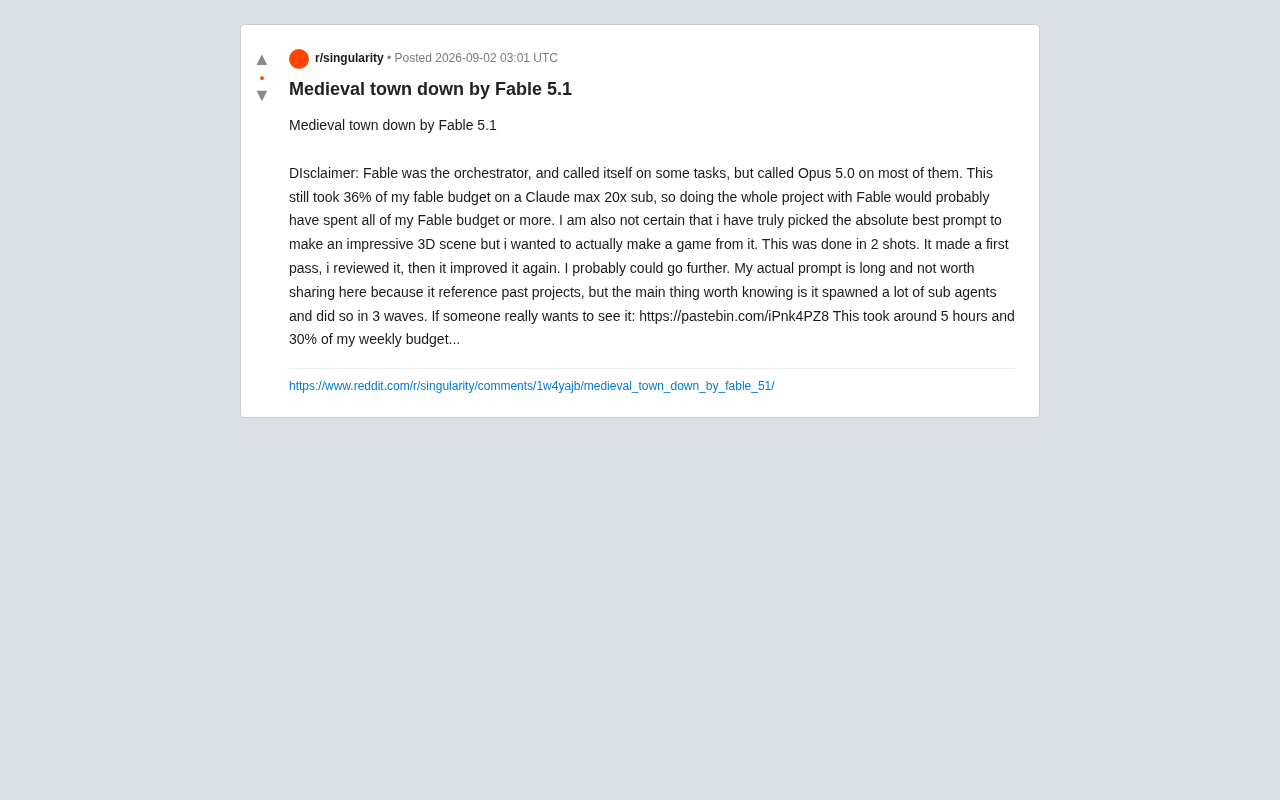
Fable 5.1 Real-World Test: The Truth About Generating a Medieval 3D Town in 5.5 Hours — Results and Costs
A Reddit developer tests Fable 5.1 generating a full medieval 3D town, revealing multi-wave sub-agent coordination, two-round iteration, and 5.5 hours consuming 30% of weekly budget.
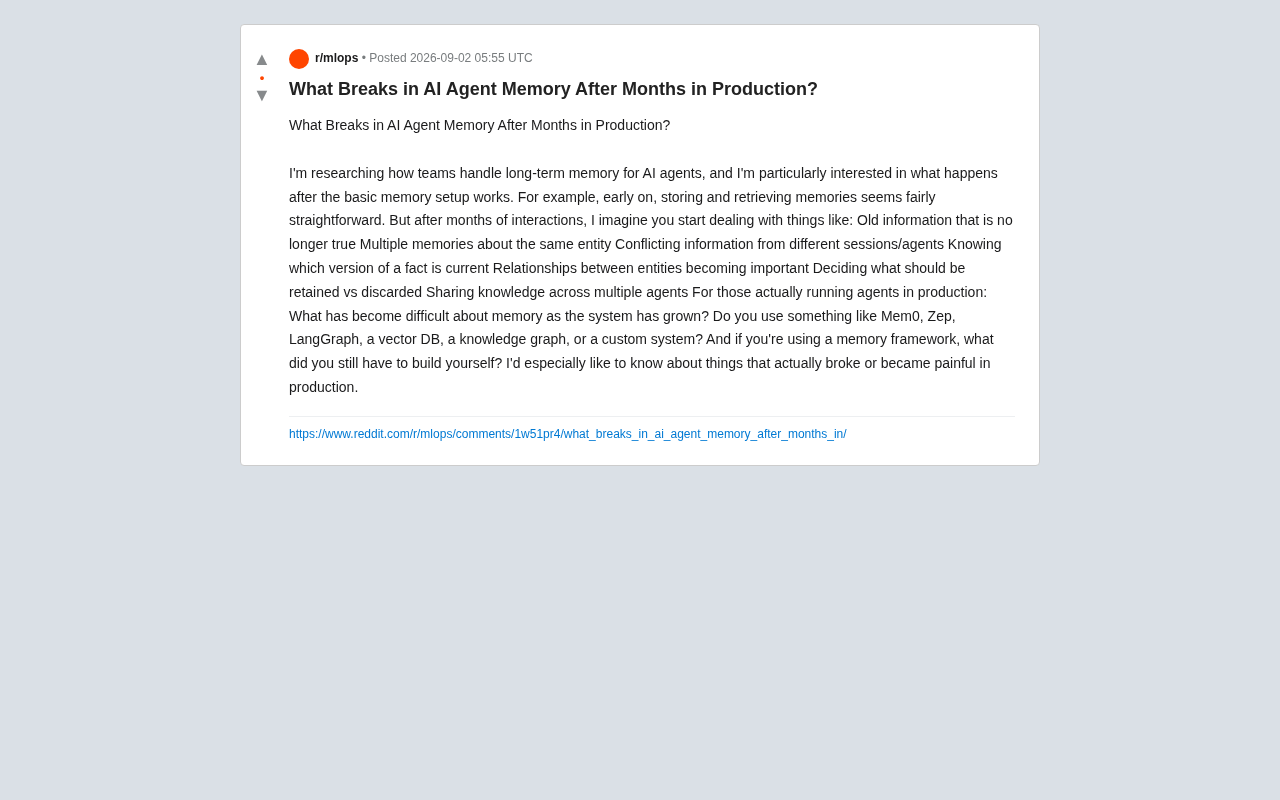
The Truth Behind AI Agent Memory System Failures in Production: Seven Pain Points and Governance Strategies
An in-depth analysis of 7 critical issues AI Agent memory systems face in production, including stale info, entity deduplication, and memory bloat, with practical governance strategies.
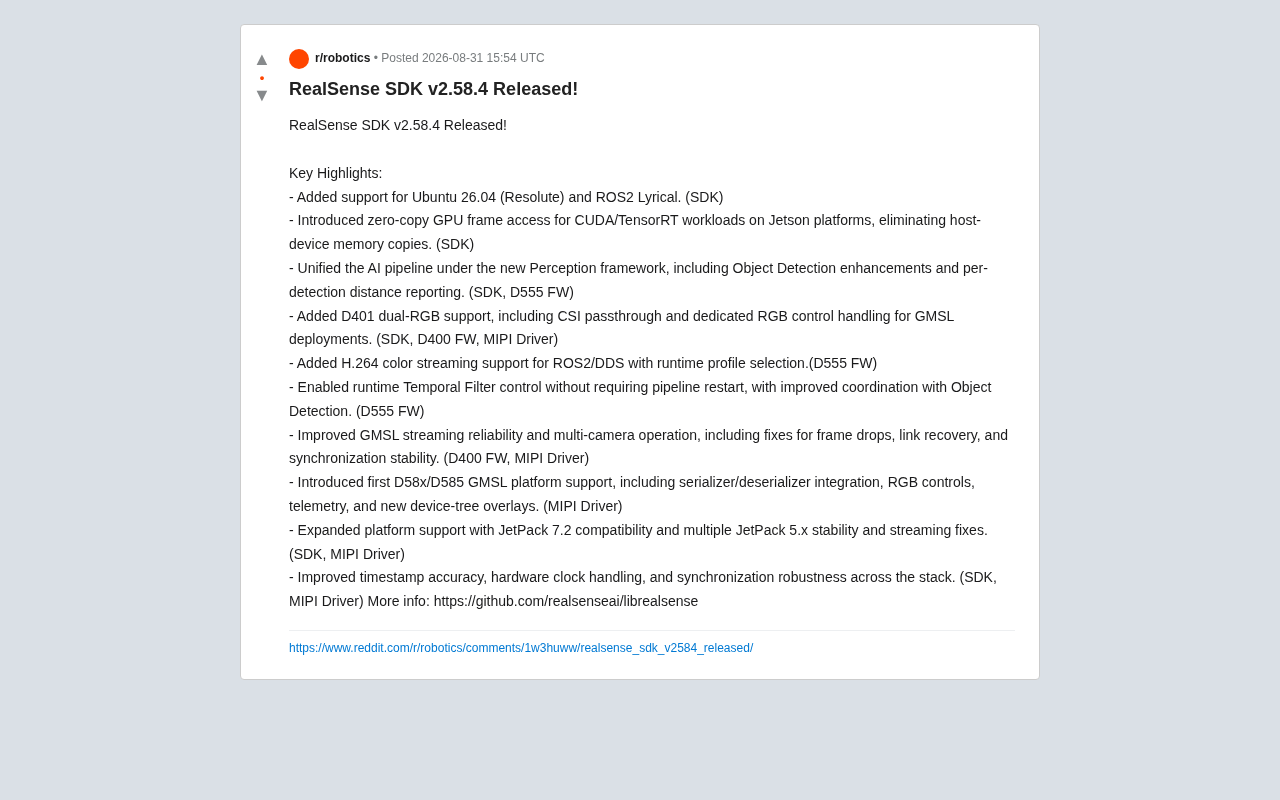
RealSense SDK v2.58.4 Released: GPU Zero-Copy and AI Perception Framework Major Upgrade
RealSense SDK v2.58.4 introduces GPU zero-copy frame access for Jetson, unified Perception AI framework, per-detection distance reporting, GMSL multi-camera support, and ROS2 H.264 streaming.