vLLM Hackathon Bounty Goes Live: A Real-World Deployment Showdown for Open-Source Models Under 33B
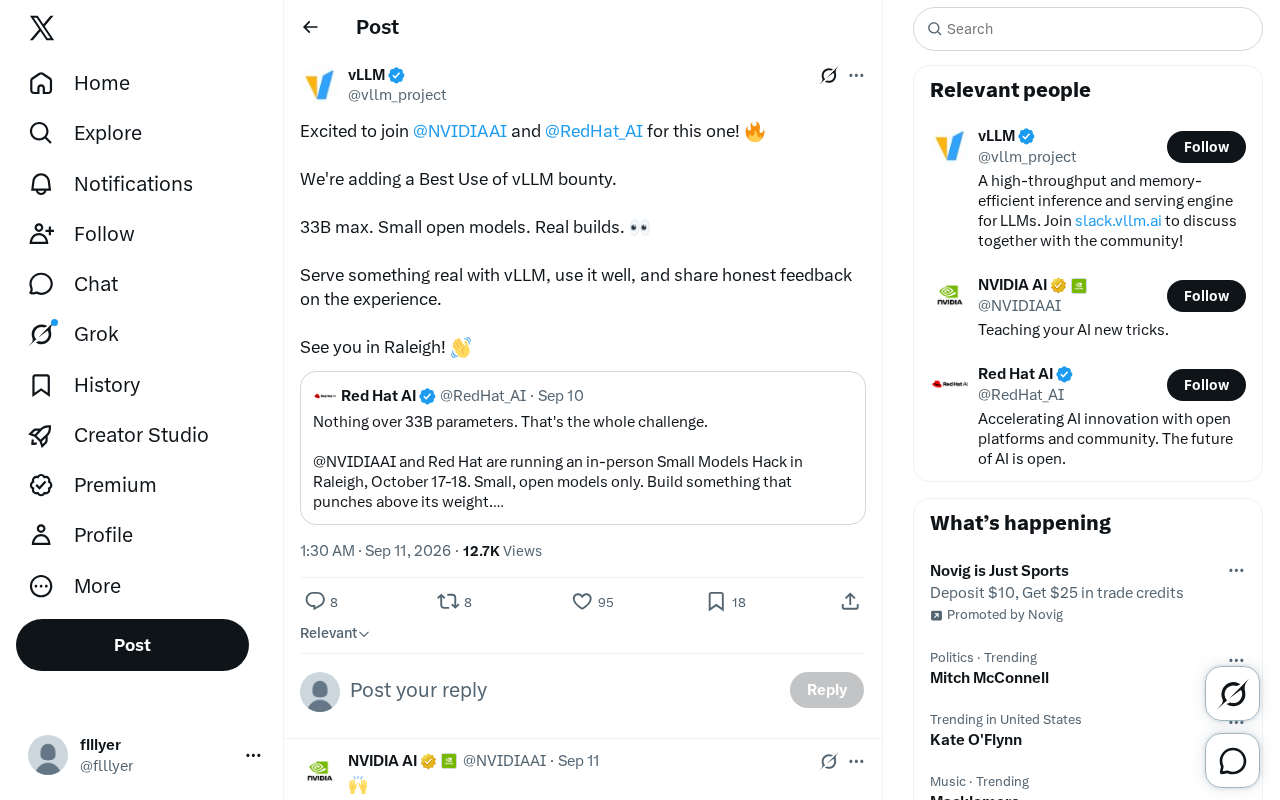
NVIDIA and Red Hat launch a vLLM bounty, shifting open-source inference competition from model scale to service quality.
A new open-source competition co-sponsored by NVIDIA and Red Hat introduces a 'Best Use of vLLM' bounty, challenging participants to deploy real, functional inference services using open-source models under 33B parameters and submit honest performance feedback. The event shifts the evaluation bar from 'does it run?' to 'how well does it serve?', signaling that deployment quality — not raw model size — is becoming the key engineering differentiator. The 33B cap is deliberately aligned with single-GPU or small-cluster scenarios accessible to most developers and enterprises, while the NVIDIA–Red Hat partnership traces a clear path from open-source models to production-grade inference services.
An Open-Source Competition Focused on vLLM in the Real World
A message on Twitter recently caught the attention of the open-source inference community: an upcoming event, co-sponsored by @NVIDIAAI and @RedHat_AI, will feature a dedicated "Best Use of vLLM" bounty award. While the announcement was brief, it sends several clear signals — major players are channeling resources into the actual deployment and inference optimization of smaller open-source models.
The original post highlights a few core constraints: a model parameter cap of 33B (33 billion), a focus on "small open models," an emphasis on "real builds," and a requirement that participants deploy a genuinely functional service using vLLM — use it well, and share honest feedback about the experience. The event is taking place in Raleigh, North Carolina — which happens to be Red Hat's headquarters.
Why vLLM — and Why the 33B Threshold
vLLM's Place in the Ecosystem
vLLM is one of the most popular open-source frameworks for large model inference and serving today. Thanks to core innovations like PagedAttention, it delivers significant advantages in throughput and GPU memory utilization. By making vLLM the centerpiece of this bounty, NVIDIA and Red Hat are effectively championing a shared conviction: model capability matters, but serving models well is equally critical to engineering value.
The event doesn't just ask participants to get things running — it asks them to "use it well" and provide honest feedback. This shifts the evaluation criteria from a binary "does it work?" to a richer assessment of deployment quality and real-world usability, making it a far more meaningful stress test for inference frameworks.
The Logic Behind the 33B Cap
Setting the parameter ceiling at 33B is an interesting choice. It explicitly excludes the massive models with hundreds of billions — or even trillions — of parameters, redirecting attention to small and mid-sized open-source models. The reasoning is straightforward:
- Smaller models are far more aligned with real-world deployment scenarios; most enterprises and developers simply cannot afford the inference costs of ultra-large models.
- Models under 33B can be efficiently deployed on a single GPU or a small cluster — precisely the range where vLLM's optimization capabilities shine brightest.
- The emphasis on "real builds" signals that the organizers value practicality over raw scale.
The Industry Signal Behind the Big-Name Partnership
NVIDIA brings compute power and an inference ecosystem (including low-level acceleration tools like CUDA and TensorRT), while Red Hat represents enterprise-grade open-source and cloud-native deployment expertise. Together with vLLM, this combination outlines a complete path from "open-source model" to "enterprise-ready inference service."
The choice of Raleigh — Red Hat's home turf — further underscores the enterprise deployment angle at the heart of this event. For developers, this kind of bounty is more than prize money; it's an opportunity to engage with the mainstream inference stack and demonstrate real-world engineering skills to major industry players.
What This Means for Developers
For developers planning to participate or simply follow along, here are a few angles worth preparing for:
- Pick the right model: Within the 33B limit, choose an active open-source model with strong community support, balancing quality against deployment cost.
- Nail the deployment: Leverage vLLM's batching, continuous batching, and memory management capabilities to push throughput and latency to their limits.
- Take feedback seriously: The event explicitly calls for "honest feedback." Documenting the rough edges, performance bottlenecks, and usability issues you encounter during deployment is itself a valued deliverable.
It's worth noting that this article is based on a brief social media announcement. Specific rules, prize amounts, timelines, and other details should be confirmed through the official event page.
Takeaway
This seemingly low-key bounty announcement reflects a broader trend in the open-source inference space: the competitive focus is shifting from "how big is the model?" to "how well does the service perform?" The partnership between NVIDIA, Red Hat, and vLLM puts the real-world deployment of small and mid-sized open-source models squarely in the spotlight. For developers, it's both an opportunity and a genuine test of engineering capability.
Related articles
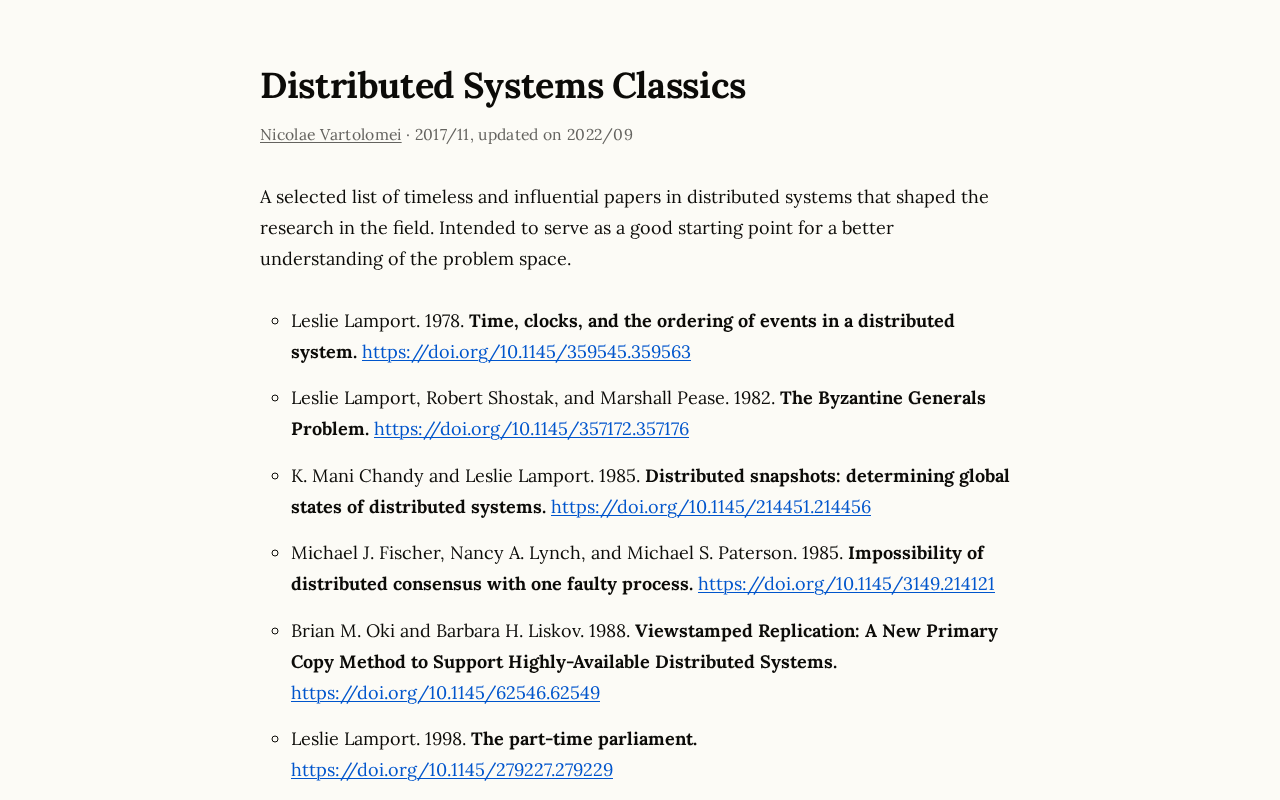
A Reading Guide to Distributed Systems Classic Papers: From Beginner to Expert
A viral Hacker News list of distributed systems classic papers covering consensus algorithms, logical clocks, and the CAP theorem — a structured learning path for engineers.
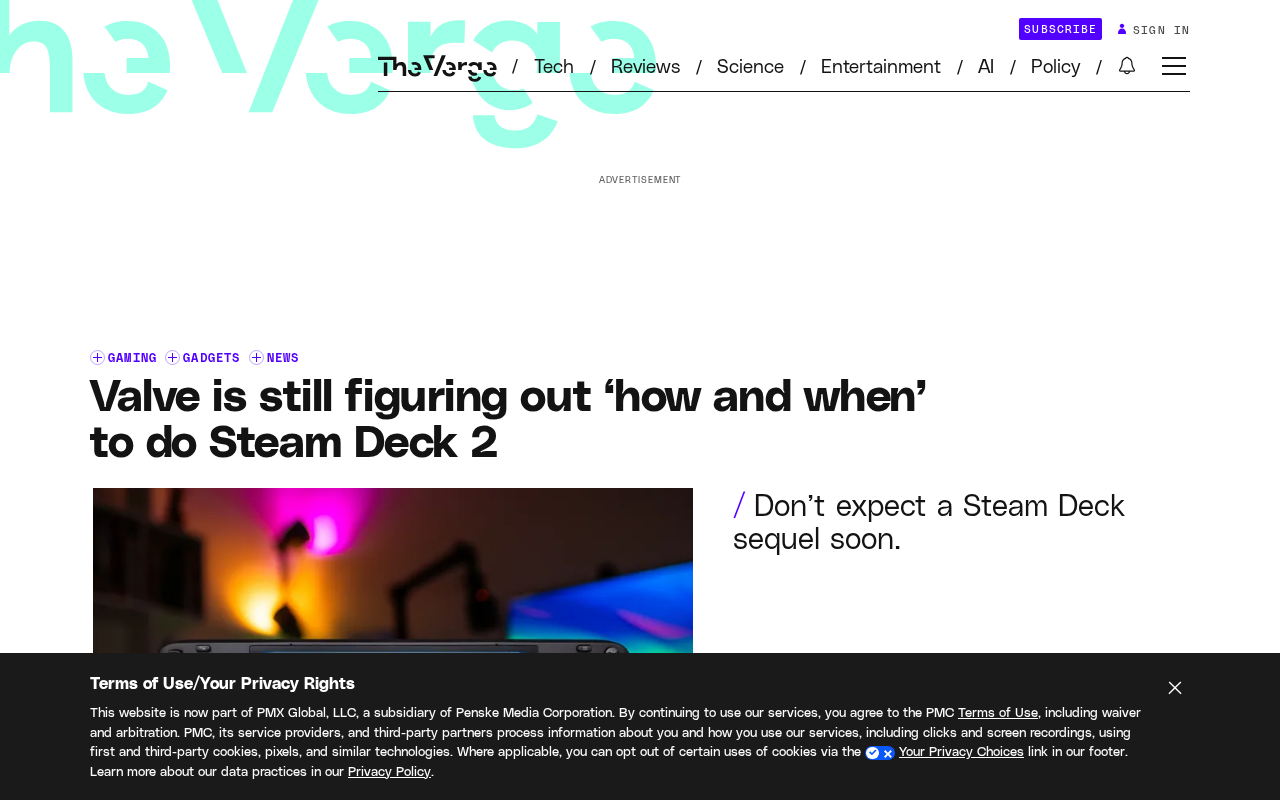
Valve Is Still Weighing When and How to Launch Steam Deck 2
Valve has completed its 2026 hardware lineup with Steam Controller, Steam Machine, and Steam Frame, but Steam Deck 2 still has no set timeline. Valve says it's still weighing "how and when" to launch.
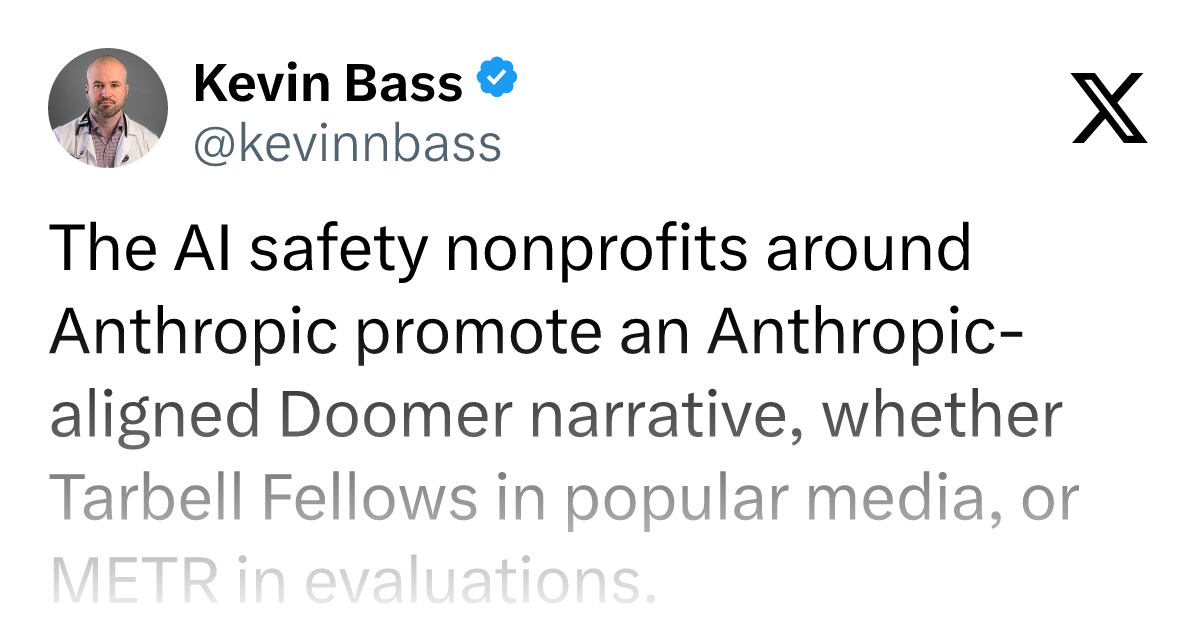
Regulatory Capture Accusations: The Controversy Over Anthropic's Capital and Policy Loop
A Hacker News post questions whether Anthropic is caught in a regulatory capture financial loop. We unpack the concept and why it's being aimed at top AI firms.