vorssaint-utils: A Free and Open-Source macOS Menu Bar Toolkit
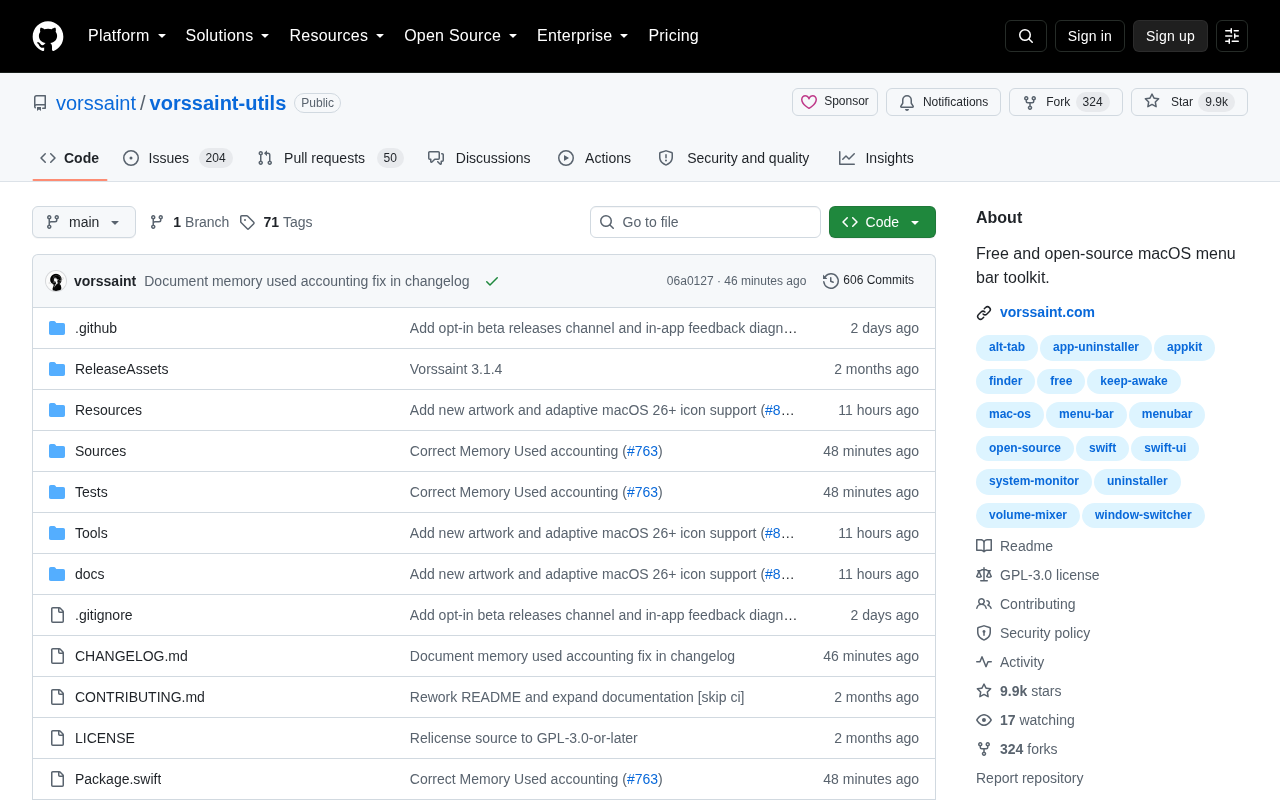
A viral free and open-source macOS Menu Bar toolkit built with native Swift, gaining 9,844 GitHub stars
vorssaint-utils is a rapidly growing open-source macOS Menu Bar toolkit developed in native Swift. With 2,530 stars gained in a single day and nearly 10K total stars, it offers a free alternative to paid tools like Bartender and iStat Menus. Its native Swift architecture ensures superior performance and minimal resource usage compared to Electron-based alternatives.
A Viral macOS Menu Bar Toolkit
In the macOS ecosystem, the Menu Bar has always been a hotly contested space for productivity tools. The macOS Menu Bar is a core interaction area established since the Classic Mac OS era, located at the very top of the screen. The left side displays application menus, while the right side houses system status icons and third-party tool icons. Apple provides developers with the NSStatusItem API to place icons and dropdown menus in the right side of the Menu Bar, which has spawned a massive ecosystem of Menu Bar tools—from Dropbox status indicators to Bartender and iStat Menus. The Menu Bar has gradually become the densest distribution channel for macOS productivity tools.
Recently, an open-source project called vorssaint-utils has rapidly gained popularity on GitHub, adding 2,530 stars in a single day, with cumulative stars reaching 9,844 and 323 forks. This growth rate is quite rare for open-source utility projects, clearly indicating it has touched upon real pain points for many macOS users.
Developed by vorssaint using the Swift native language, this project positions itself as a free and open-source macOS Menu Bar toolkit. In an era dominated by paid subscription tools like Setapp and CleanMyMac, a completely free and open-source alternative naturally holds tremendous appeal.
Why Menu Bar Tools Matter
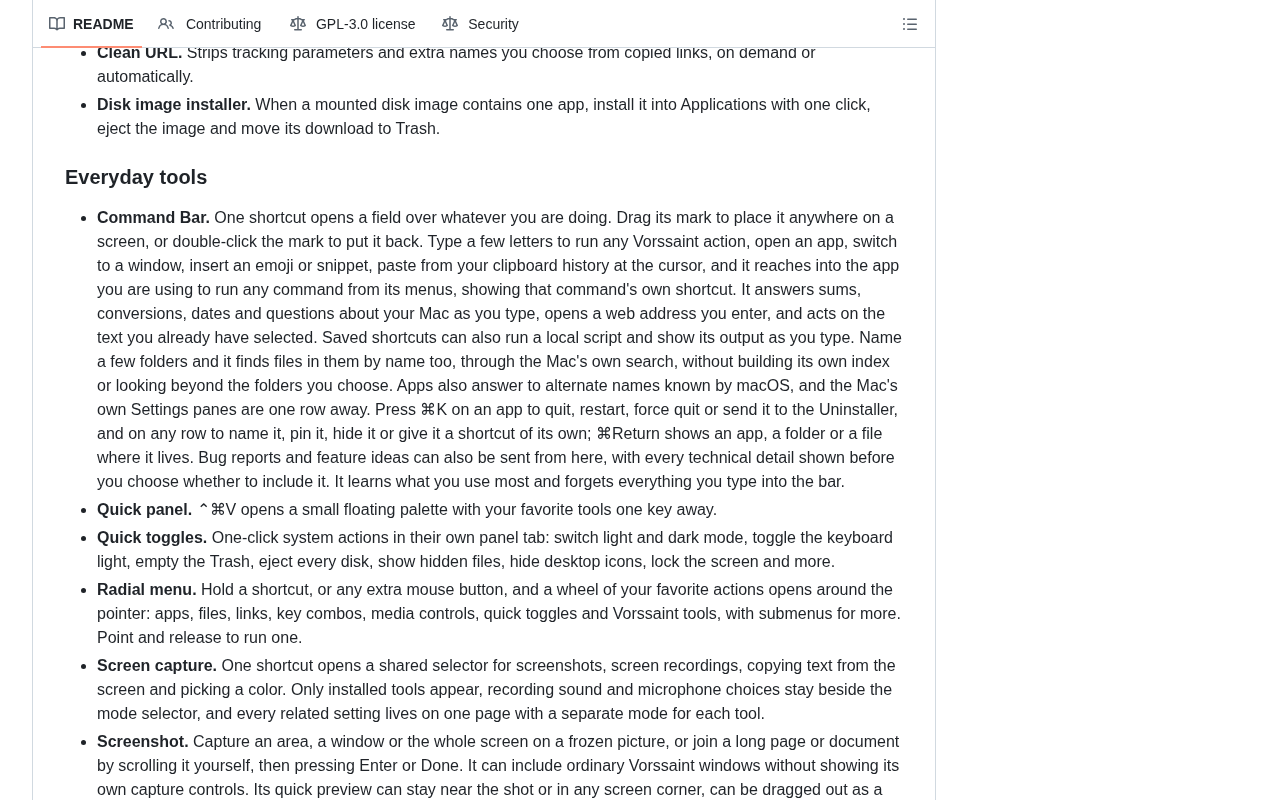
The core value of Menu Bar tools lies in their immediate accessibility. They reside permanently at the top of the screen, requiring no separate application windows—users can complete quick actions with just a click. Whether for system monitoring, clipboard management, or quick toggle switches, the Menu Bar is the ideal platform. vorssaint-utils integrates multiple practical features into a lightweight toolkit, sparing users from cluttering their Menu Bar with fragmented small tools.
Technical Choice: Why Native Swift
You might not have noticed, but vorssaint-utils is entirely developed in Swift, rather than the popular Electron or cross-platform solutions of recent years. Swift is a programming language Apple unveiled at WWDC 2014, designed to replace Objective-C as the preferred development language across Apple's platforms. It features type safety, memory safety, and high performance, compiling directly to machine code without requiring a virtual machine or interpreter. In macOS development, Swift seamlessly integrates with AppKit (the traditional macOS UI framework) and SwiftUI (the declarative UI framework launched in 2019), directly accessing low-level system APIs including Accessibility permissions, IOKit hardware information reading, and NSUserNotification center.
This technical choice brings several significant advantages:
- Better Performance: Native applications have minimal system resource footprint, which is crucial for Menu Bar tools that need to run persistently in the background with low memory and CPU usage.
- Deeper System Integration: Native APIs enable better access to macOS system permissions, notification center, keyboard shortcuts, and other capabilities.
- More Consistent Experience: UI style remains unified with macOS native design, avoiding the "uncanny valley" effect and bloated installation packages common in Electron apps.
Comparison with Electron and Its Limitations
Electron deserves special mention. Electron is an open-source framework developed by GitHub that allows developers to build desktop applications using web technologies like HTML, CSS, and JavaScript. Well-known applications like VS Code, Slack, and Discord are all built on Electron. Its core principle is to package the Chromium browser engine and Node.js runtime into the application, meaning each Electron app essentially embeds a complete browser instance. This leads to several widely criticized issues: a simple Electron app typically has an installation package exceeding 100MB, runtime memory usage easily reaches hundreds of MB, and CPU usage tends to be high. For lightweight tools like Menu Bar utilities that need to run 24/7 in the background, Electron's resource overhead is unacceptable. In contrast, Swift native applications can keep memory usage at single-digit MB levels.
For high-frequency, persistent tools like Menu Bar utilities, native Swift is nearly the optimal solution. This also explains why the project has gained recognition from so many technical users in such a short time.
The Dual Appeal of Open Source and Free
In the macOS tool market, quality tools often mean paid tools. Popular Menu Bar enhancement tools like Bartender, iStat Menus, and Alfred Powerpack all use one-time purchase or subscription-based pricing. vorssaint-utils enters the scene with a completely free + open-source stance, directly addressing user dissatisfaction with "subscription fatigue."
The Industry Context of Subscription Fatigue
In recent years, the macOS tool ecosystem has undergone a massive transformation from purchase-based to subscription-based models. Setapp offers monthly subscription access to hundreds of Mac apps; Bartender 5's shift to subscription sparked community controversy; 1Password's transition from purchase to subscription also drew criticism from many longtime users. This "Subscription Fatigue" phenomenon has become a widespread topic in the software industry—when users simultaneously subscribe to a dozen tools, monthly expenses can easily reach tens of dollars. Against this backdrop, open-source alternatives have received unprecedented attention. Similar success stories include: Raycast's challenge to Alfred (free basic features), Rectangle's replacement of Magnet (completely free and open-source window management tool), and Stats' substitution for iStat Menus (open-source system monitoring tool). The popularity of vorssaint-utils is the latest chapter in this trend.
The Trust Dividend of Open Source
Menu Bar tools typically require elevated system permissions, involving privacy and security concerns. These tools often need to request macOS's sensitive system permissions such as Accessibility, Full Disk Access, or even screen recording permissions. The 2024 incident where Bartender was acquired and injected with suspicious code caused macOS users' trust in closed-source Menu Bar tools to plummet.
The open-source nature allows users to audit the code logic, confirming the tool won't secretly collect data or perform suspicious operations. Security researchers can verify through code audits whether the application has data exfiltration, backdoors, or malicious behavior. Additionally, GitHub's transparent development process (including Issue tracking, Pull Request reviews, Commit history) makes every software change traceable. This transparency is a huge plus among today's increasingly privacy-conscious user base, and provides a trust guarantee that closed-source software cannot offer.
Meanwhile, open source means the community can continuously contribute code, fix bugs, and add new features. The 323 forks indicate that a considerable number of developers have already begun participating in building this project's ecosystem.
Lessons from the Rapid Rise
The explosive popularity of vorssaint-utils reflects several noteworthy industry trends:
- User resentment toward subscription models is intensifying, expanding the market space for free and open-source solutions;
- Native development is making a comeback, as developers increasingly value native performance and experience with the proliferation of Apple Silicon chips;
- Community-driven power of utility projects—a small tool that solves real pain points can still achieve exponential spread through word-of-mouth.
Apple Silicon Era's Push for Native Development
The second trend deserves special elaboration. Apple Silicon is Apple's self-designed chip series launched since 2020, including M1, M2, M3, M4, and their Pro/Max/Ultra variants. These ARM-based chips have completely transformed Mac's performance landscape. On Apple Silicon, natively compiled ARM applications (Universal Binary or pure ARM64 apps) can achieve optimal performance and energy efficiency. While Apple provides the Rosetta 2 translation layer to run x86 applications, the translation process incurs approximately 20-30% performance loss. Electron applications, already carrying performance overhead, experience further degraded performance when running on the translation layer. This makes Apple Silicon era users' preference for native applications even more pronounced, and motivates more developers to return to the Swift native development path. vorssaint-utils is a product that aligns with this technological wave.
How to Get Started
As a GitHub open-source project, users can directly visit the project repository to view the README documentation, download precompiled releases, or build from source code themselves. Being a Swift native application, once installed, relevant features can be accessed from the Menu Bar. For macOS users looking to break free from paid tools while pursuing native experience, this is undoubtedly an option worth trying.
Conclusion
vorssaint-utils, with its achievement of 2,500+ stars in a single day, once again proves the energy that can burst forth from combining open-source spirit with excellent product design. In today's increasingly commercialized macOS tool landscape, such a free, open-source, native Menu Bar toolkit not only provides practical value to users but also injects a breath of fresh air into the entire ecosystem. Interested developers and users might want to explore its GitHub repository, or even participate in co-building the project.
Related articles

Internet Archive Fundraising Crisis: Server Operations Challenge Behind 800 Billion Archived Web Pages
The Internet Archive faces server operations funding pressure with 800 billion archived pages. Analysis of Wayback Machine cost challenges, nonprofit digital preservation survival crisis, and sustainable development paths.
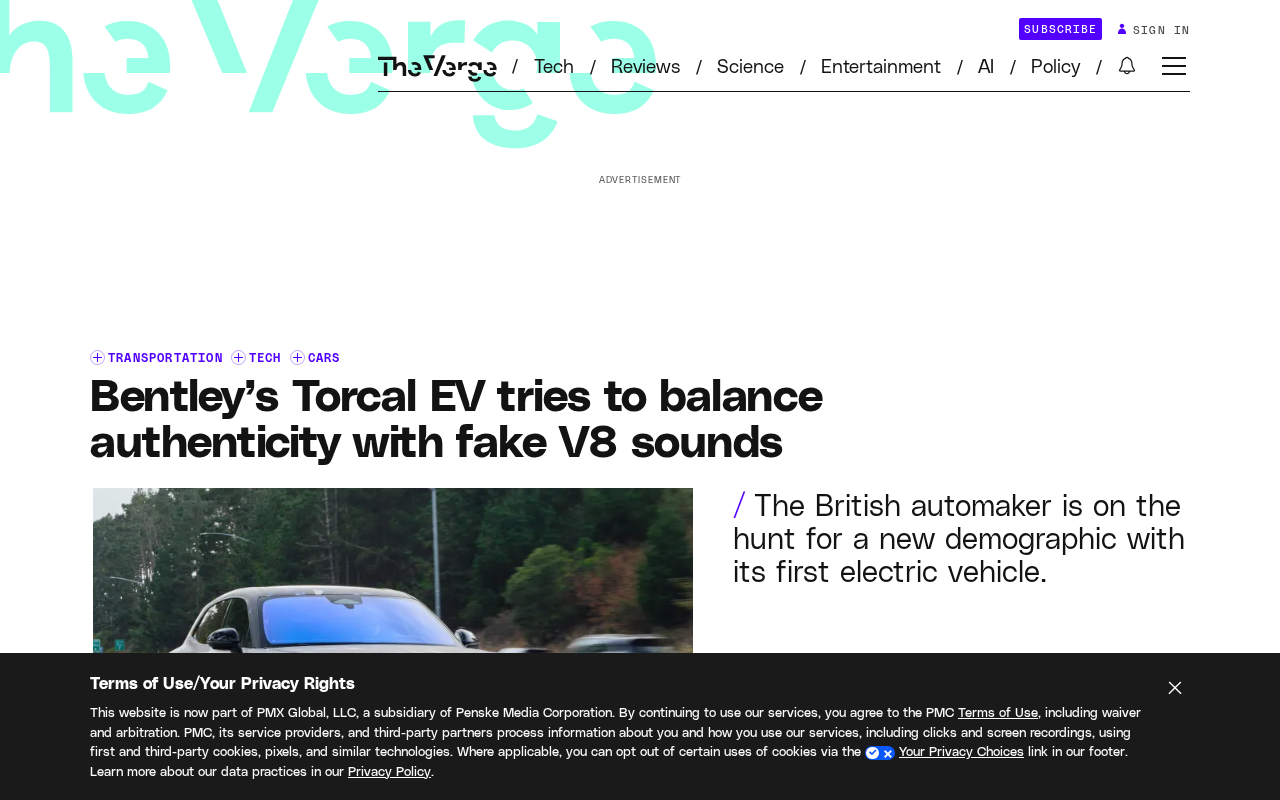
Bentley Torcal EV: The Luxury Brand Transformation Challenge Behind Simulated V8 Sound
Bentley's Torcal EV features simulated V8 sound, balancing electric silence with mechanical emotion. An analysis of luxury brand identity challenges in the EV transition.
Can't Keep Up with AI Model Releases? Practical Strategies for Practitioners to Handle Information Overload
AI model releases are overwhelming. Learn how practitioners can overcome FOMO, establish evaluation criteria, filter information sources, and maintain focus amid the AI model explosion.