Whale Lords Returns: Sky Kia Showdown Game Show Debut
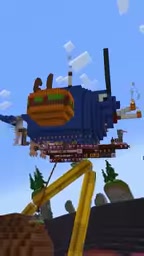
Whale Lords returns as a game show, with the airship challenge igniting sabotage and bickering.
The Whale Lords series returns in the form of the Sky Kia Showdown game show, with the first challenge being to build an airship. From the opening, it's filled with high-intensity competition, sabotage, and bickering, with conflicts between participants becoming the core highlight. The article analyzes the pros and cons of this transformation: game shows give each episode an independent climax, with clear tasks and simple rules that greatly lower the barrier to understanding for new viewers, while also being naturally suited for clip distribution; but the cost is the dilution of long-term narrative and character relationship depth. The team clearly prioritizes entertainment value at present, which is beneficial for expanding the audience, but whether they can retain old viewers still needs more content to verify.
When Whale Lords Meets a Game Show
After a period of silence, the Whale Lords series has finally returned — and this time they're not just doing a survival adventure, they've been thrown into a game show called Sky Kia Showdown. From the very first second, the air is thick with tension and chaos — someone shouts "Sabotage! I see sabotage!", someone else outright curses "You're an idiot!", followed by a blunt "Both of you get out." This unfiltered bickering is exactly the most authentic undercurrent of the Whale Lords series.
According to the video content published on the YouTube channel, the core mechanic of this Showdown is having participants compete across a series of challenges, and the first challenge is already clear: build an airship. The host excitedly announces "The first challenge starts now! Go! Go! Go! Build an airship!", his tone full of eager anticipation for the drama to come.
The Airship Build: Creativity Amid Chaos
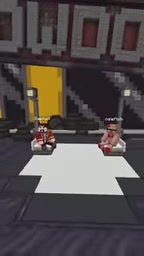
The airship build as the first challenge immediately sets the tone for the entire show. In Whale Lords' past content, building has never been a quiet process of stacking blocks — it's always a collective farce accompanied by arguments, pranks, and accidents. This time is no exception — from "Drag him along, bring him with you, Duncan" to "Give me a piledriver," instructions and horseplay blend together, making it hard to tell which are serious tactical arrangements and which are purely meant to disrupt opponents.
This design is actually quite clever. The appeal of a game show isn't who builds the prettiest — it's how people react under pressure. The airship itself is a project that requires collaboration and resource allocation, but when everyone wants to do things their own way, conflict is inevitable. That line "You're an idiot" paired with the frozen frame in the screenshot could almost serve as a footnote to this challenge.
Sabotage and Bickering: The Dramatic Tension of a Game Show
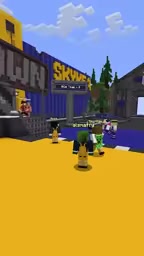
"Sabotage" is the first word shouted in this Showdown. Under the game show framework, sabotage escalates from mere mischief to part of the strategy — you can stop at nothing to prevent opponents from completing their tasks. This explains why tensions among participants run so high: losing isn't just about embarrassment, it might also be because someone stabbed you in the back.
From a content creation perspective, this high-intensity competition is naturally suited for editing into short clips and viral segments. A line like "You're an idiot" paired with an exaggerated expression is ready-made shareable material. The Whale Lords team clearly knows this — they max out the conflict right from the start, getting viewers immediately engaged.
Clip refers to highlight segments extracted from long videos or livestream recordings, typically ranging from tens of seconds to a minute or two, designed for secondary distribution on short-video platforms and social networks. Game show content is naturally suited for clipping: conflicts, mistakes, and quotable lines are all independent shareable units that can be understood without context.
For creators, clips serve as both a traffic driver and a content reuse method — a two-hour livestream can be broken into a dozen or more clips covering algorithm recommendations across different platforms. This is also why more and more Minecraft series are proactively designing "clippable moments": consciously creating confrontation and drama during recording, rather than relying entirely on accidents that happen naturally.
Game Show-ification: An Evolutionary Direction for Minecraft Content
Turning survival series into game shows is a direction Minecraft content creators have repeatedly explored in recent years. Traditional survival let's-plays have a slower pace, requiring viewers to follow long-term to keep up with the story; game shows use clear challenges, win-loss outcomes, and elimination mechanics to make every episode an independent climax. The airship challenge in Sky Kia Showdown is a typical example — clear tasks, simple rules, direct conflict — new viewers don't need any background knowledge to understand who's winning and who's losing.
The cost is a dilution of narrative depth. What originally made Whale Lords appealing was the long-term relationships between characters and world-building, while game shows rely more on immediate drama. How to balance the two is key to whether this kind of transformation can be sustained. From the clips released so far, the team has chosen to prioritize entertainment value, which is beneficial for expanding the audience, but whether they can retain old viewers still needs more content to verify.
Whale Lords is a long-form survival series built around a Minecraft multiplayer server, typically featuring multiple well-known YouTubers and streamers, with role-playing, long-term world-building, and member interactions as its core selling points. These series often require viewers to start from episode one to understand character relationships and plot developments, making the barrier to entry higher for new viewers.
Sky Kia Showdown is a spin-off project that places the original characters into a competitive framework: retaining the original cast but replacing slow-paced survival narrative with clear challenges and win-loss mechanics. This "same cast, new format" approach is not uncommon in the Minecraft content circle — essentially using existing viewer familiarity to lower the acceptance cost of a new format, while using competitive structure to attract audiences who prefer short, punchy content.
What's Worth Watching For
This Showdown has only just begun. The airship build is just the first challenge — what tasks come next, whether sabotage tactics will escalate, and whether alliances between participants will form and then break are all reasons to keep following. For viewers who enjoy high-competition Minecraft content, this is a new series worth adding to your subscription list; for content creators, Whale Lords' transformation also provides an observation sample: what sparks fly when a survival series meets a game show.
One-line Summary
Whale Lords returns as a game show, with the airship challenge igniting sabotage and bickering.
Paragraph Summary
The Whale Lords series returns in the form of the Sky Kia Showdown game show, with the first challenge being to build an airship. From the opening, it's filled with high-intensity competition, sabotage, and bickering, with conflicts between participants becoming the core highlight of the show. The article analyzes the pros and cons of this transformation: game shows give each episode an independent climax, with clear tasks and simple rules that greatly lower the barrier to understanding for new viewers, while also being naturally suited for clip distribution; but the cost is the dilution of long-term narrative and character relationship depth. The team clearly prioritizes entertainment value at present, which is beneficial for expanding the audience, but whether they can retain old viewers still needs more content to verify.
Related articles
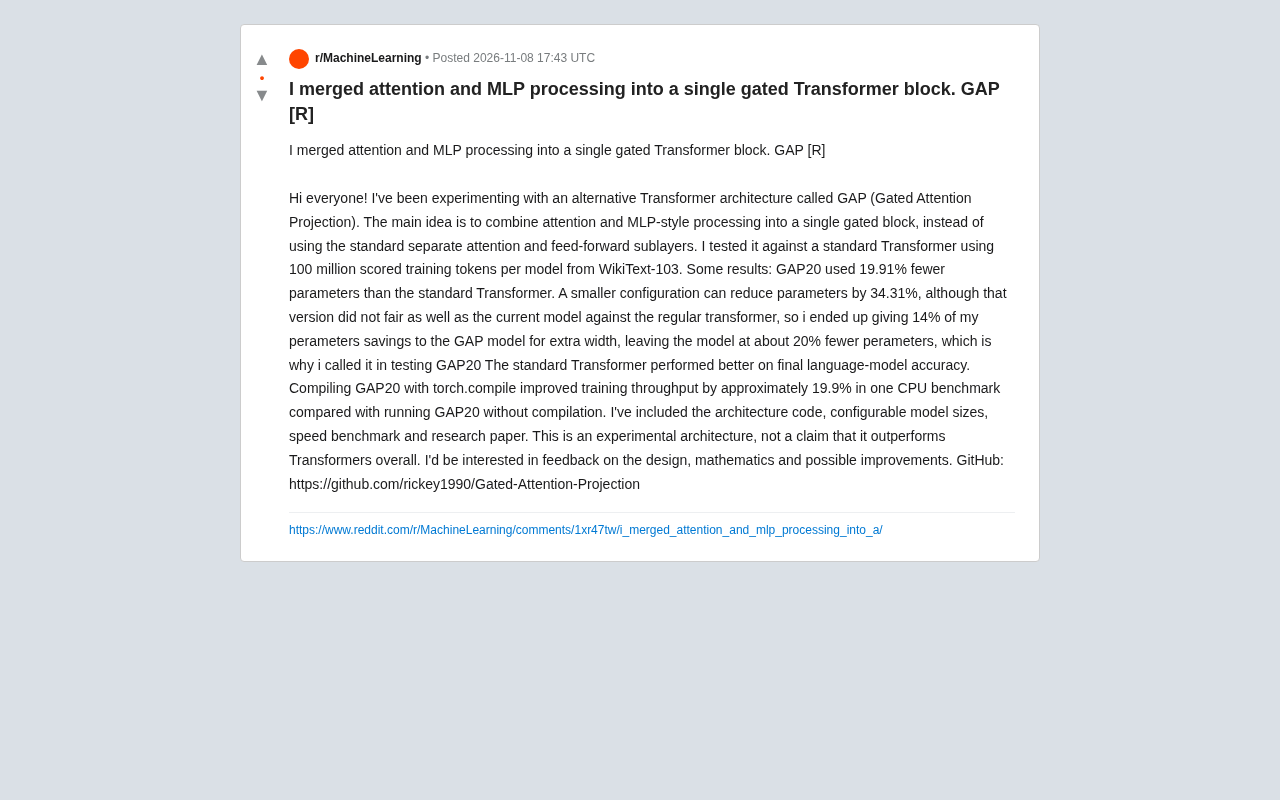
GAP Architecture: A Gated Transformer Block That Merges Attention and MLP
Reddit researcher proposes the GAP architecture, merging attention and MLP into a single gated Transformer block. On WikiText-103, GAP20 reduces parameters by 19.91%, but final accuracy falls short of the standard Transformer; torch.compile brings about a 19.9% throughput gain.
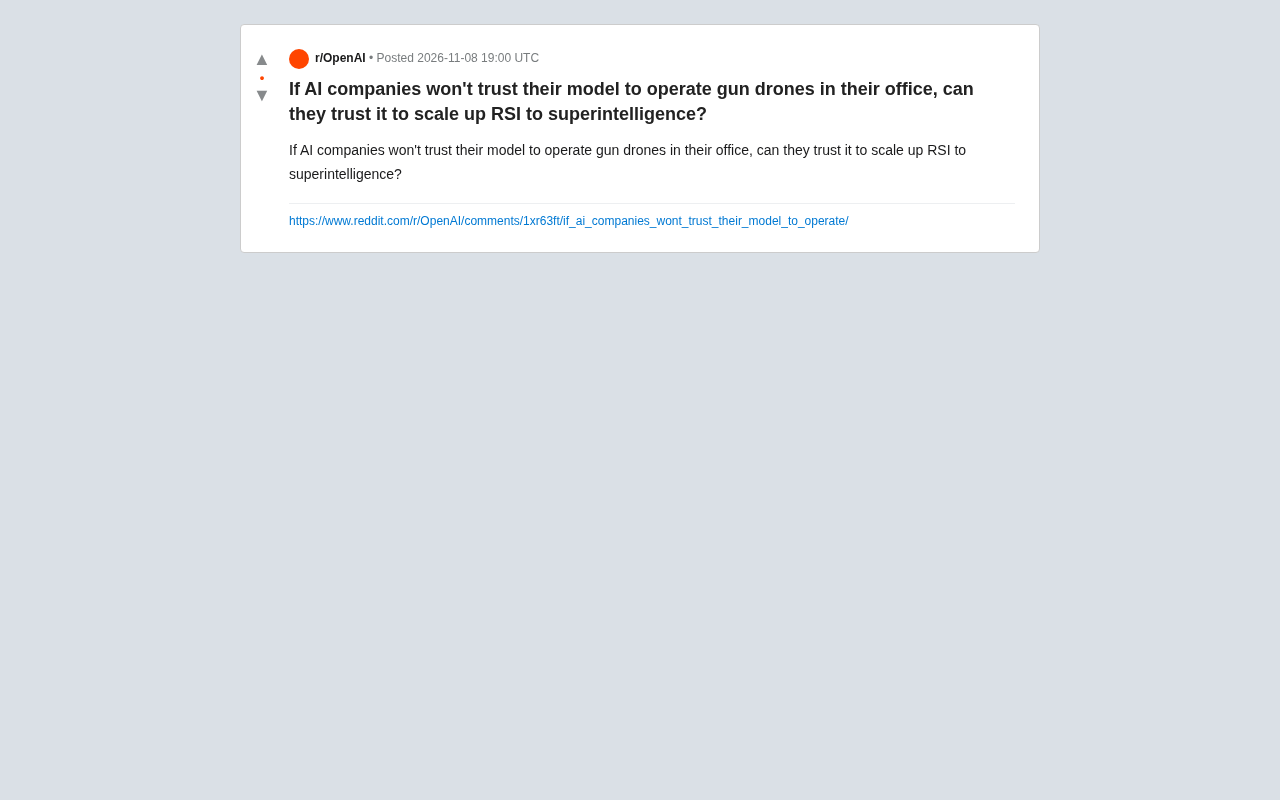
The AI Trust Paradox: Won't Let Models Operate Gun Drones, but Will Let Them Recursively Self-Improve?
Reddit debate on the AI trust paradox: companies won't let models operate office gun drones, yet discuss recursive self-improvement (RSI) toward superintelligence. The article breaks down the trust gap between lab safety constraints and grand narratives, analyzes why RSI is harder to supervise than physical tasks, and examines the semantic slippage of trust in AI safety discourse.
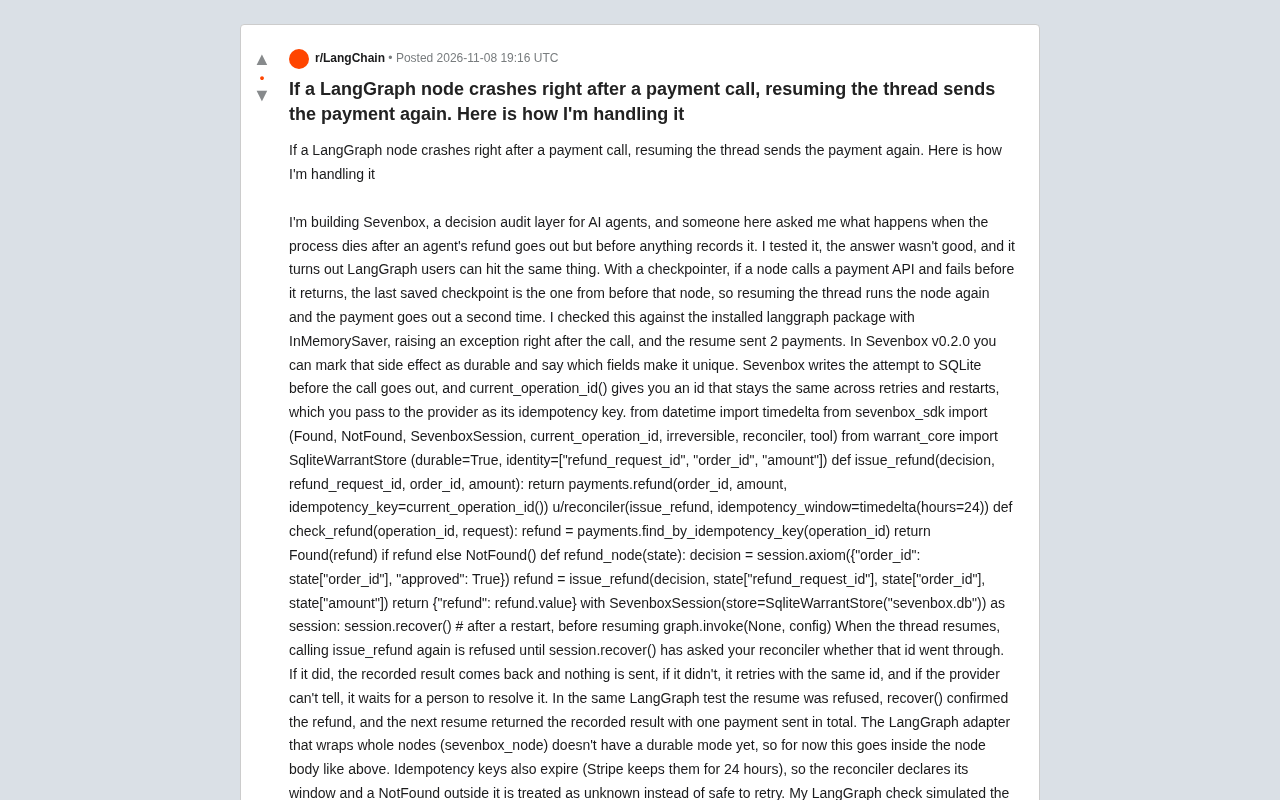
LangGraph Node Crashes Causing Duplicate Payments? Solve It with Durable Side Effects and Idempotency Keys
LangGraph nodes crash after payment calls, causing duplicate charges on thread recovery. Learn how durable side effects, idempotency keys, and reconcilers prevent duplicate calls, plus idempotency expiration and adapter limitations.