What is AEO? How Answer Engine Optimization is Changing Content Distribution Rules
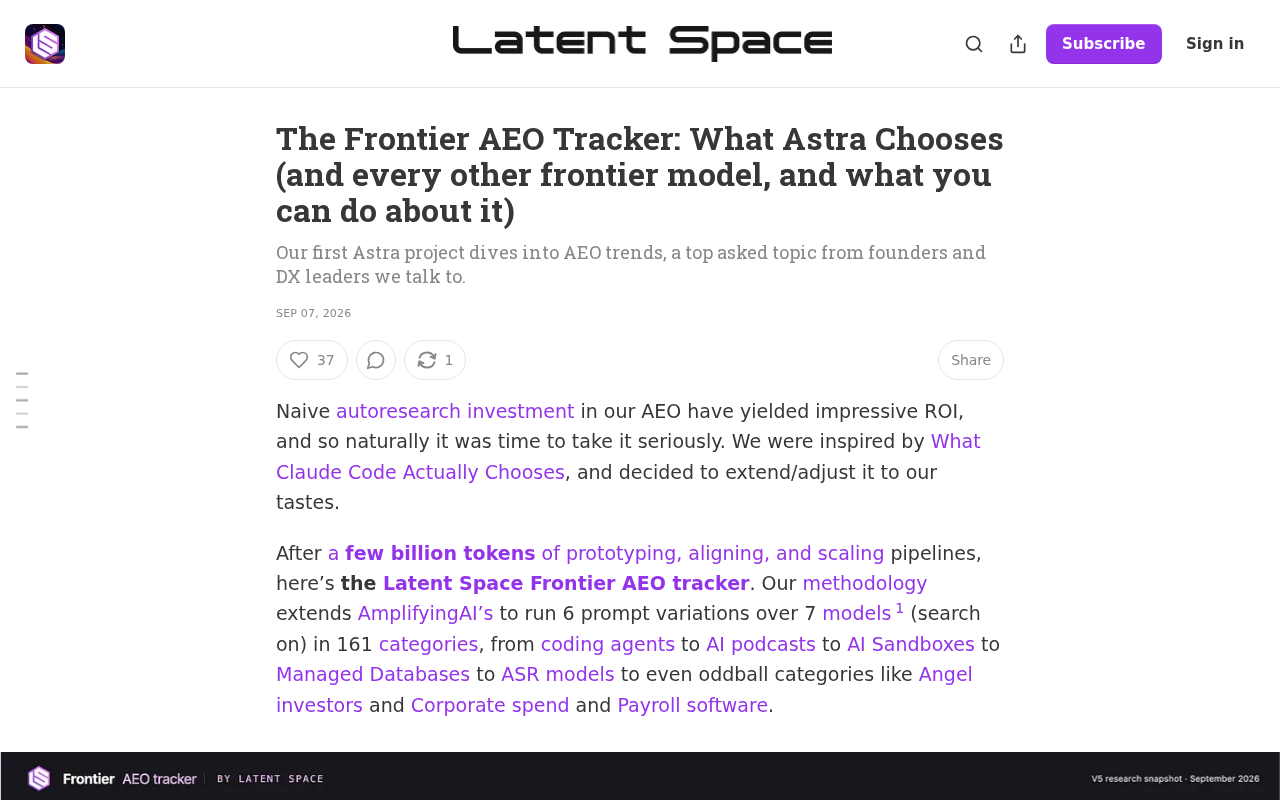
AEO is replacing SEO as AI models become primary information gateways—here's how to optimize for citations.
Answer Engine Optimization (AEO) represents the next evolution after SEO, focusing on being cited by AI models rather than ranking in search results. As ChatGPT, Claude, and Gemini become primary information sources, content must be structured, authoritative, and multimodal to gain AI visibility and citations.
What is AEO? A New Paradigm from Search Rankings to AI Citations
As frontier large language models like ChatGPT, Claude, and Gemini increasingly become users' primary gateway for information retrieval, a brand-new concept is emerging—AEO (Answer Engine Optimization). This is the next battlefield that content creators and enterprises must confront after SEO.
Large Language Models and the Information Retrieval Revolution
Large Language Models (LLMs) like ChatGPT, Claude, and Gemini represent a major breakthrough in artificial intelligence. Built on the Transformer architecture and pre-trained on massive text datasets, these models have acquired the ability to understand and generate natural language. Unlike traditional search engines that return lists of links, large language models can directly comprehend the semantic meaning of user questions and synthesize information from multiple sources to generate coherent answers. This paradigm shift is reshaping how we access information: users no longer need to browse multiple web pages to filter information, but instead obtain synthesized answers directly through conversational interactions. According to industry research, approximately 30% of search queries in 2024 have already shifted to AI assistants, and this trend is expected to continue accelerating.
According to the first research project disclosed by the Astra team, AEO has become one of the most pressing concerns for many entrepreneurs and Developer Experience (DX) leaders. The underlying logic is straightforward: when users no longer click through blue links one by one, but instead ask AI directly and receive a comprehensive answer, "whether your content is selected and cited by AI" becomes critically important.
Core Differences Between SEO and AEO: The Rules Have Changed
Citation Logic Replaces Ranking Logic
The core of traditional SEO is ranking—getting web pages to appear at the top of search results. The core of AEO, however, is being cited. When users ask AI for product recommendations, technical solutions, or industry trends, the model synthesizes answers from training data and real-time retrieval results, and may annotate information sources.
Retrieval-Augmented Generation (RAG) Technology Principles
When AI models answer questions, they often employ Retrieval-Augmented Generation (RAG) technology. This is a hybrid architecture combining information retrieval and text generation: first, relevant content fragments are retrieved from external knowledge bases (such as web pages or document repositories), then these fragments are input as context into the language model to guide it in generating more accurate and timely answers. RAG solves two major pain points of pure generative models: outdated knowledge (model training data has a cutoff date) and factual hallucinations (models may fabricate non-existent information). Under the RAG framework, content retrievability, structural clarity, and authoritativeness directly affect the probability of being adopted by AI—this is the technical foundation of AEO optimization.
This means the optimization goal shifts from "improving search click-through rates" to "increasing the probability of being trusted and cited by AI." Even if content doesn't rank highly in traditional search, as long as it has clear structure, accurate facts, and strong authority, it may be preferentially adopted by large models.
Citation Mechanisms and Source Traceability Transparency
AI model citation mechanisms are at the core of AEO. Unlike traditional search engines' simple link displays, AI citations involve more complex decision-making processes. Models need to evaluate information source credibility, content relevance to questions, information freshness, and other dimensions. Current mainstream AI assistants adopt different citation strategies: ChatGPT's web browsing feature annotates specific source URLs, Perplexity AI uses a real-time search + citation annotation model, while Claude in some scenarios tends to synthesize multi-source information without explicit attribution. Citations not only affect content exposure but also establish the credibility of AI answers. For content creators, being marked as a citation source means dual value: traffic referral and brand endorsement. Understanding different models' citation preferences is a prerequisite for formulating effective AEO strategies.
Different AI Models Have Different Citation Preferences
Astra's "Frontier AEO Tracker" reveals a key fact: different frontier models have different content selection preferences. What kind of content does ChatGPT tend to cite? What sources do Claude and Gemini each favor? These differences have direct implications for content strategy.
For businesses and creators, understanding each mainstream AI model's "taste" enables targeted adjustments to content distribution strategies, rather than trying to use one approach for all platforms.
Why AEO is a Must-Learn for Entrepreneurs and Enterprises
Traffic Entry Points are Migrating
Over the past decade, search engines have been the core customer acquisition channel for most businesses. But as AI conversation-centric information retrieval rapidly gains adoption, traditional search traffic is being continuously diverted. If your brand, products, or perspectives cannot be "seen" and "recommended" by mainstream AI models, you're essentially invisible in the new information ecosystem.
The Astra team's choice to make AEO their first research direction precisely captures this trend. They found that whether startup founders or enterprise Developer Relations leaders, everyone is anxious about the same question: How do I get AI to mention me when answering relevant questions?
Actionable AEO Optimization Strategies
A telling detail: Astra's tracking report subtitle emphasizes "what you can do about it." This indicates AEO is not just trend observation, but a methodology with immediately actionable steps.
From industry practice, improving AEO performance typically involves several directions:
Structured Data and Semantic Markup
Structured content is a key technical approach to improving AEO effectiveness. AI models more easily understand and extract content with clear structure when processing information. This includes: using Schema.org markup to provide structured metadata (such as product information, FAQs, reviews), adopting Markdown or HTML semantic tags to clarify content hierarchy, and breaking down complex information into Q&A format. Research shows pages using JSON-LD structured data have over 40% higher probability of being correctly parsed by AI. Additionally, content "parseability" involves avoiding JavaScript-rendered essential content, providing plain text alternatives, and using descriptive alt text. These technical details may seem trivial, but directly determine whether AI retrieval systems can effectively crawl and understand your content.
- Structured content: Use clear heading hierarchies, lists, and Q&A formats that are easy for AI models to parse and extract
E-E-A-T Principles Extended to AEO
E-E-A-T (Experience, Expertise, Authoritativeness, Trustworthiness) was originally a core standard for Google search quality evaluation, and has gained new importance in the AEO era. AI models similarly evaluate content credibility when selecting citation sources. This includes: author's domain expertise background, whether content is supported by firsthand experience, overall site authority (such as .edu/.gov domains, industry certifications), and information verifiability (citing data sources, providing references). Unlike SEO, AEO places greater emphasis on content quality signals rather than technical SEO metrics (like backlink quantity). An in-depth article written by a domain expert, supported by solid data, and peer-reviewed may be preferentially adopted by AI models even without numerous external links. This provides fair competition opportunities for content creators focused on quality.
- Authority building: Accumulate credible external citations, industry endorsements, and domain expertise
- Factual accuracy: Ensure information withstands cross-verification, reducing risk of model "hallucination" citations
Multimodal Content Optimization
With the proliferation of multimodal models like GPT-4V and Gemini, AEO is no longer limited to text optimization. These models can understand information in images, charts, and videos, and integrate them into answers. Multimodal AEO strategies include: providing detailed alt text and captions for images, making chart data OCR-recognizable, embedding subtitles and timestamps in videos, and using infographics to present complex concepts. Research shows content with high-quality images and data visualizations has 25% higher probability of AI citation. Additionally, mutual verification across different modalities enhances credibility: when text descriptions align with chart data and video demonstrations complement written tutorials, AI is more inclined to deem the content reliable. Future AEO competition will be a comprehensive comparison of content quality across text, visual, audio, and other dimensions.
- Multi-platform content coverage: Make content appear across multiple channels accessible to model training data and retrieval systems
Real-World Value of AEO Tracking
From Passive Waiting to Active Monitoring
Astra's tracker provides a continuous monitoring perspective. AI model selection preferences are not static—as model versions iterate and retrieval mechanisms upgrade, the answer to "what content gets recommended" also changes dynamically. Continuously tracking these trends helps businesses adjust strategies in time, rather than waiting until traffic drops to react belatedly.
Overtaking Opportunities for Small and Medium Enterprises
When AI becomes the information gatekeeper, the dimensions of content competition also change. The past was about keyword density and backlink quantity, while the AEO era is about whether content can be understood, trusted, and proactively cited by models.
This may actually be a rare breakthrough opportunity for small and medium enterprises with strong content quality but lacking traditional SEO resources. Good content itself is the best AEO strategy.
Conclusion: Start Planning for Answer Engine Optimization Early
The rise of AEO marks a completely new phase in information distribution. As users increasingly rely on AI for answers, content creators and businesses must rethink their visibility strategies. Astra's Frontier AEO Tracker provides an observation window for understanding the actual selection logic of mainstream models like ChatGPT, Claude, and Gemini.
For any organization hoping to maintain influence in the AI era, understanding and planning for AEO early may well be a critical step determining future success. The shift from SEO to AEO has already happened. The real question is: are you ready?
Related articles
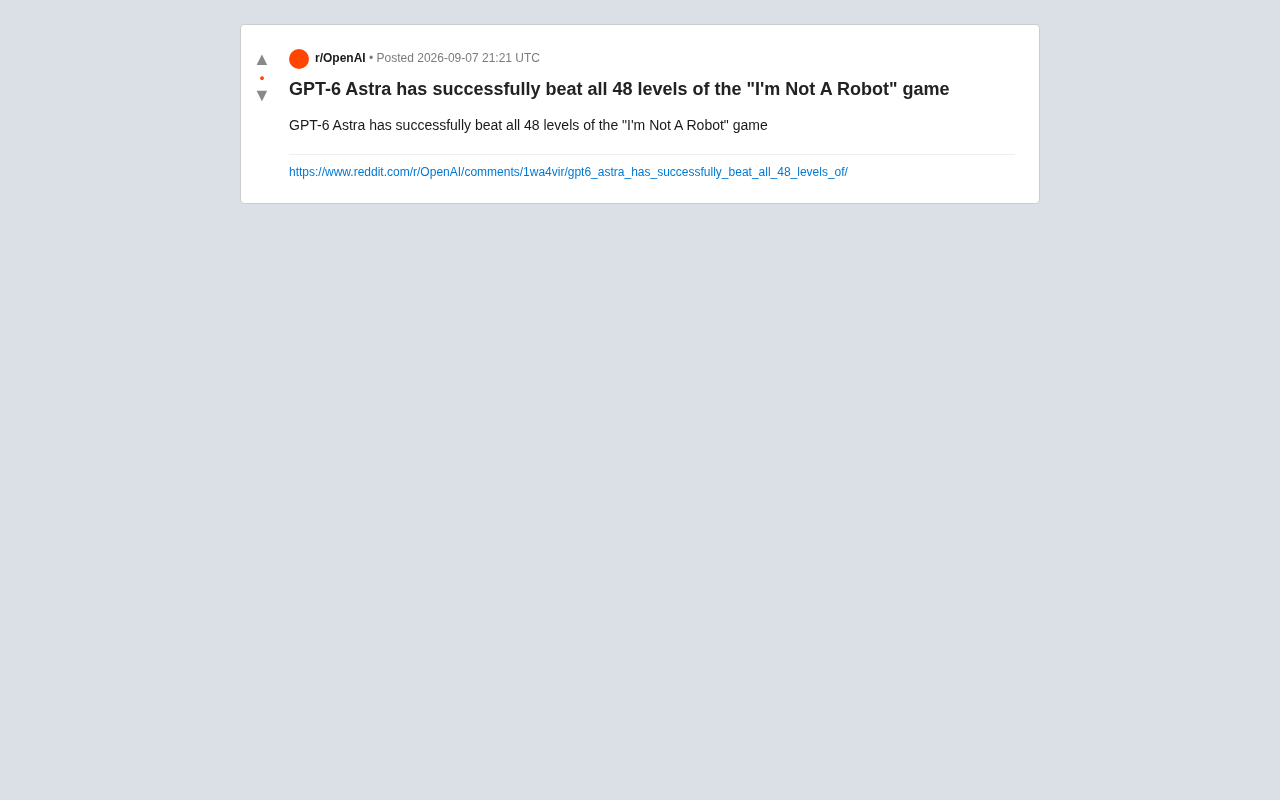
GPT-6 Astra Completes All 48 Levels of 'I'm Not A Robot' Game
GPT-6 Astra successfully completes all 48 levels of the 'I'm Not A Robot' game, demonstrating remarkable visual understanding, logical reasoning, and task adaptation. This article analyzes the technical capabilities behind this breakthrough and its implications for CAPTCHA verification and AI safety.
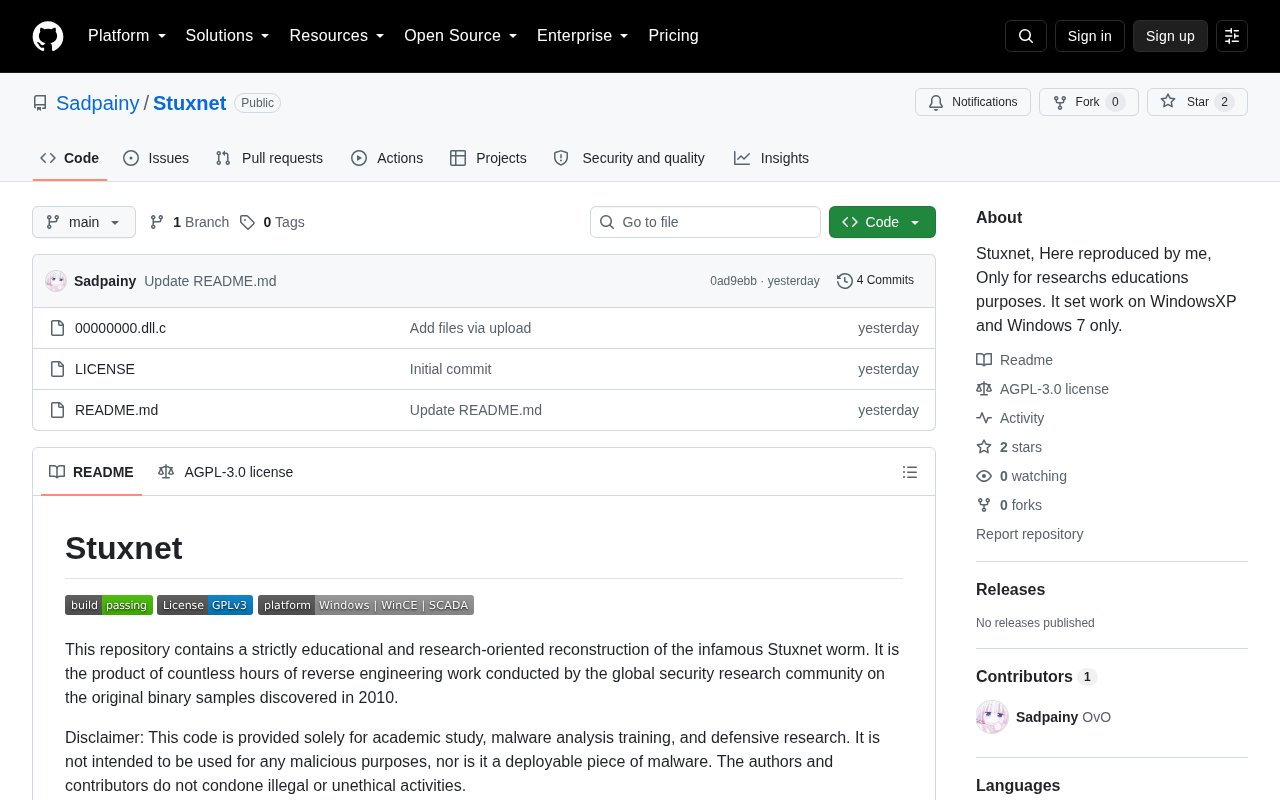
Stuxnet Source Code Reconstruction: Dissecting the Attack Chain of History's Most Complex Cyber Weapon
In-depth analysis of the Stuxnet source code reconstruction open-source project, examining how this cyber weapon targeting Iranian nuclear facilities exploited four zero-day vulnerabilities, stole digital certificates, covertly manipulated PLC centrifuges, and exploring industrial security lessons and ethical controversies of open-source reconstruction.
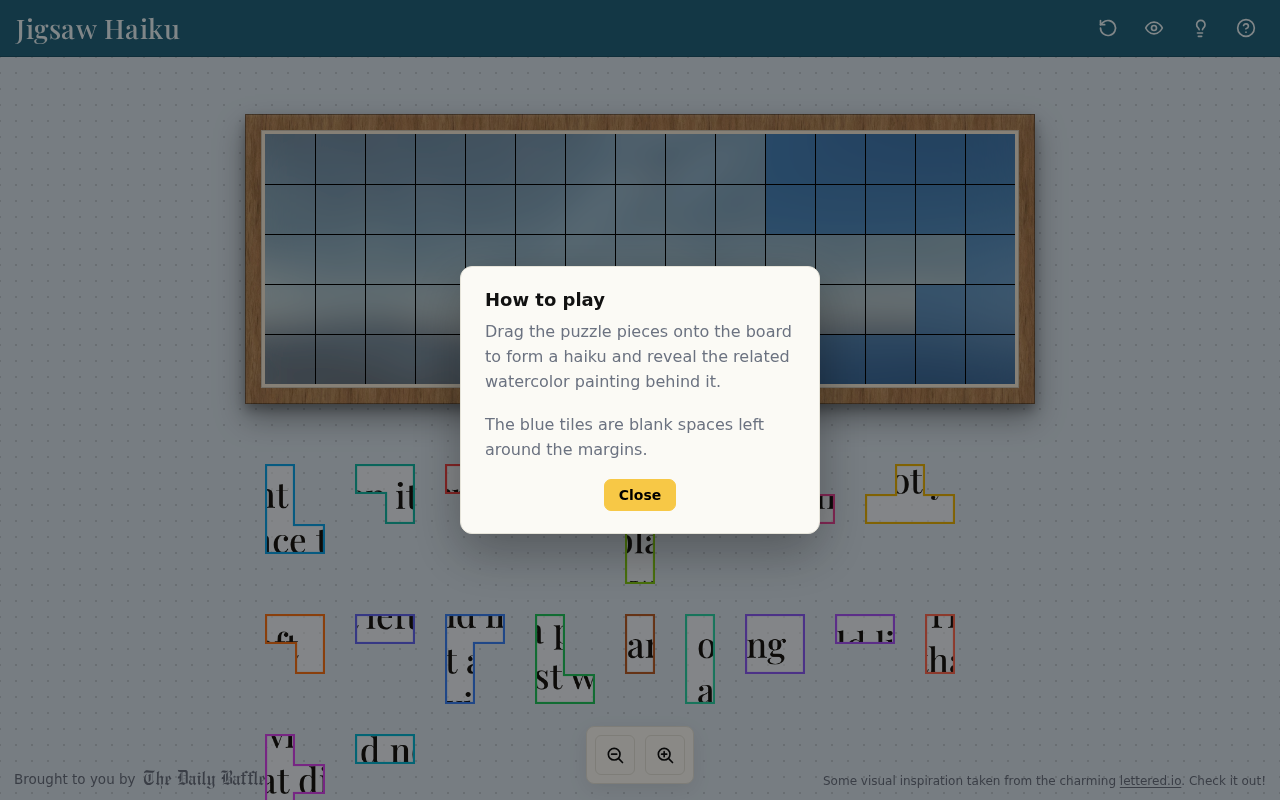
Minimalist Aesthetic Puzzle Game Development: Insights from Independent Creation
An in-depth analysis of an independent developer's aesthetic puzzle project shared on Hacker News, exploring minimalist design philosophy, Show HN community culture, and aesthetics-first product thinking in independent development.