What Projects Should You Build After One Month of Learning to Code? Recommended Projects for Beginners Ready to Level Up

Project recommendations and strategies for coding beginners ready to move beyond tutorials after one month.
After one month of learning to code, many beginners struggle with what to build next. This article explains why project-based learning is the most effective way to grow, how to escape Tutorial Hell, and offers specific project ideas — from enhanced to-do apps to weather query tools. It also covers strategies like incremental difficulty, interest-driven selection, and leveraging community feedback to accelerate growth.
From Zero to Something: One Month of Coding Is Worth Celebrating
In the programming learning community, a beginner with just one month of experience shared their progress on Reddit and asked a question: "What kind of project should I build next?" This seemingly simple question actually touches on a core dilemma every coding learner faces — once foundational skills are in place, how do you choose the right project to keep progressing?
Reddit is one of the world's largest community forum platforms, home to numerous programming learning subreddits like r/learnprogramming and r/webdev. These communities are known for anonymous sharing and a supportive culture where beginners can freely ask questions without fear of ridicule. Compared to platforms like Stack Overflow or Dev.to, Reddit's real-time interactivity is stronger, often delivering multi-perspective feedback from developers around the world within hours. This open learning culture makes Reddit an important channel for self-taught programmers to find inspiration and advice.
For any coding beginner, reaching the stage of "completing a project" within one month is genuinely commendable. The early phase of learning to code is often filled with frustration: syntax errors, logic bugs, and environment configuration issues all drain enormous energy. Being able to persist for a month and produce tangible results means the learner has already crossed the toughest entry barrier.
Why "What to Build Next" Matters So Much
Project-Based Learning Is the Most Effective Way to Grow
In the field of tech education, Project-Based Learning (PBL) is widely regarded as one of the most effective approaches for advancing your skills. PBL originates from constructivist educational theory, emphasizing knowledge construction through solving real problems. Compared to the traditional "learn theory first, then practice" model, PBL allows learners to actively discover problems, seek out knowledge, and apply skills within the context of a project, forming stronger memory connections. Cognitive psychology research shows that this "demand-driven learning" activates the brain's reward mechanisms, significantly boosting motivation and knowledge retention. In programming, PBL is especially effective because coding is fundamentally a problem-solving skill — pure syntax study divorced from practical application is often far less efficient.
Compared to simply watching tutorials or reading documentation, building a complete project by hand forces learners to comprehensively apply what they've learned and discover knowledge gaps through practice. This learner's question reflects a healthy learning mindset — not content to stay in the comfort zone of tutorials, but actively seeking the next challenge. This drive to "find the next project" is the critical turning point from coding beginner to intermediate developer.
Breaking Free from "Tutorial Hell" Is Essential for Real Progress
Many self-taught programmers fall into what's known as "Tutorial Hell" — endlessly following tutorials to complete one example after another, yet never being able to independently build their own projects. Tutorial Hell is a common trap for self-taught coders, and its psychological root lies in the "comfort zone of passive learning": tutorials provide clear steps and instant gratification, sparing learners from the uncertainty of real-world development. Neuroscience research has found that "guided learning" and "autonomous exploration" activate different brain regions — the former primarily relies on memory replication, while the latter requires problem-solving and creative thinking. Many self-learners still "can't write code" after completing a dozen tutorials precisely because they've missed the leap from imitation to creation.
Actively thinking about "what to build next" is essentially breaking this cycle — shifting from passive imitation to active creation. If you're experiencing a similar dilemma, it means you've already recognized the problem, and you're just one step away from a breakthrough. The key to escaping Tutorial Hell is proactively setting learning goals and embracing the cognitive friction that comes with being stuck.
Project Selection Advice for Coding Beginners
Progress Gradually and Control Project Difficulty
For beginners with about one month of experience, the next project should follow the principle of "slightly challenging but not impossibly out of reach." A project difficulty level slightly above your current ability keeps you motivated without creating overwhelming frustration.
Here are several project directions suitable for beginners ready to level up:
-
Enhanced To-Do List App: Build on basic functionality by adding data persistence, user authentication, category tags, and more. Data persistence refers to saving data to non-volatile storage media like hard drives, so data survives after the program closes. Beginners can start with file storage (such as JSON files) or the lightweight database SQLite. Mastering data persistence is an essential skill for building real applications — otherwise, your app stays in the "resets every time you refresh" demo stage.
-
Weather Query App: Practice calling third-party APIs, handling asynchronous requests, and parsing JSON data. An API (Application Programming Interface) is foundational infrastructure in modern software development, allowing you to leverage third-party services without building them from scratch. Understanding API calls involves core concepts like the HTTP protocol, JSON data format, and asynchronous programming. Mastering API calls means developers can "stand on the shoulders of giants," integrating mature services into their own applications — a key skill for moving from "toy projects" to "practical applications."
-
Personal Blog System: Involves comprehensive skills including front-end/back-end interaction and database operations.
-
Simple Calculator or Unit Conversion Tool: Reinforces logical thinking and UI interaction skills.
Choose Projects Based on Personal Interests
Project selection should align with your personal interests whenever possible. If you're into games, try building a simple game with Python or JavaScript. If data analysis excites you, try creating a data visualization tool. Interest is the best fuel for sustained learning and helps you push through when things get tough.
Introduce One or Two New Technologies Per Project
Each new project should introduce one or two new technologies or concepts, rather than tackling too many unfamiliar areas at once. For example:
- Was your previous project mainly front-end? Add back-end logic or a database to the next one.
- Already comfortable with basic API calls? Move on to learning state management or deploying your project online.
- Familiar with single-file scripts? Try building a multi-file, multi-module project structure.
This incremental approach to expanding your tech stack ensures clear learning gains with every project.
Leverage Community Feedback to Accelerate Growth
Interestingly, this learner chose to publicly share their work and seek advice on the Reddit community. This approach itself demonstrates a smart learning strategy.
Tech communities provide not only project inspiration but also code reviews, experience sharing, and emotional support. For developers learning to code on their own, positive community feedback can significantly boost consistency and a sense of achievement. At the same time, publicly showcasing your work is an important step toward building a personal technical portfolio, which helps with future job searches or freelance opportunities.
A technical portfolio is a collection of projects that demonstrates a developer's practical abilities, typically hosted on code platforms like GitHub. Unlike a traditional resume, a portfolio visually presents a developer's skill level through runnable code and live demos. In tech hiring — especially for junior positions — a portfolio often carries more weight than academic credentials, because it proves you "can build things" rather than just "studied the theory." A quality portfolio should include 2–4 complete projects, clear README documentation, clean code style, and live demo links. Many self-taught developers landed their first job precisely through high-quality projects on GitHub.
Learners can share their projects on communities like GitHub, Dev.to, Hashnode, or Reddit to both receive feedback and connect with like-minded peers. For beginners, making your projects public on GitHub from the first month onward lets you gather feedback while gradually building career assets.
Maintain a Building Rhythm and Keep Leveling Up
Learning to code has no finish line. Every completed project reveals new areas of knowledge waiting to be explored. The question "What should I build next?" is fundamentally a signal of continuous growth.
For all coding beginners, the answer is actually simple: Keep building, keep challenging yourself. Pick a project that's slightly difficult yet sparks your interest, learn through practice, exchange ideas in communities, and you'll steadily grow from a beginner into a real developer.
Having something to show after one month of learning is certainly worth celebrating, but what matters more is maintaining that passion and rhythm of continuous building. Your next project doesn't need to be perfect — it just needs to take one more step forward than the last one.
Key Takeaways
Related articles
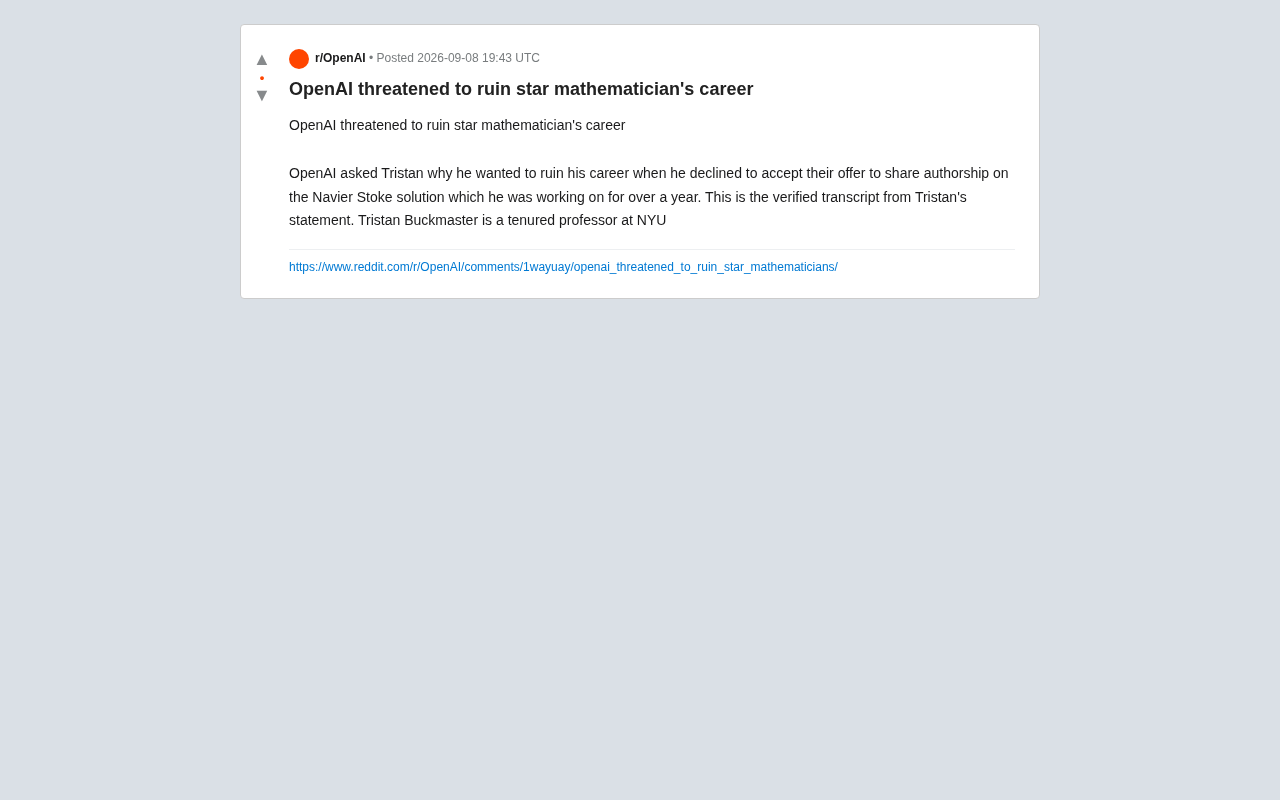
OpenAI Authorship Dispute: The Battle Over Academic Boundaries in the AI Era
OpenAI disputes authorship with mathematician Tristan Buckmaster over Navier-Stokes research, raising ethical questions about AI involvement in science.
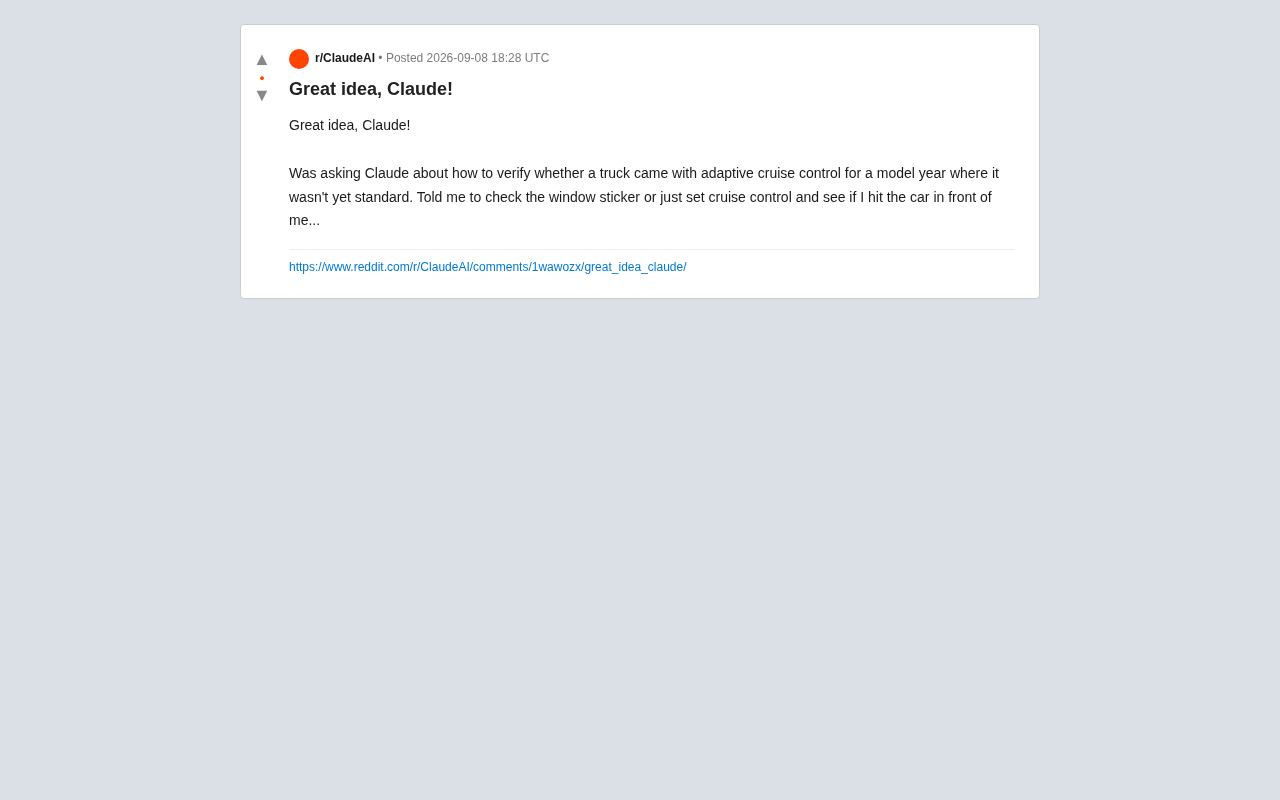
Claude Suggests User Test ACC by Crashing Into Car Ahead: Where Are AI Safety Boundaries?
Claude suggested a user test ACC by crashing into the car ahead—this absurd response sparked AI safety discussions. This article analyzes why LLMs generate implicitly dangerous advice and the blind spots in AI safety guardrails.
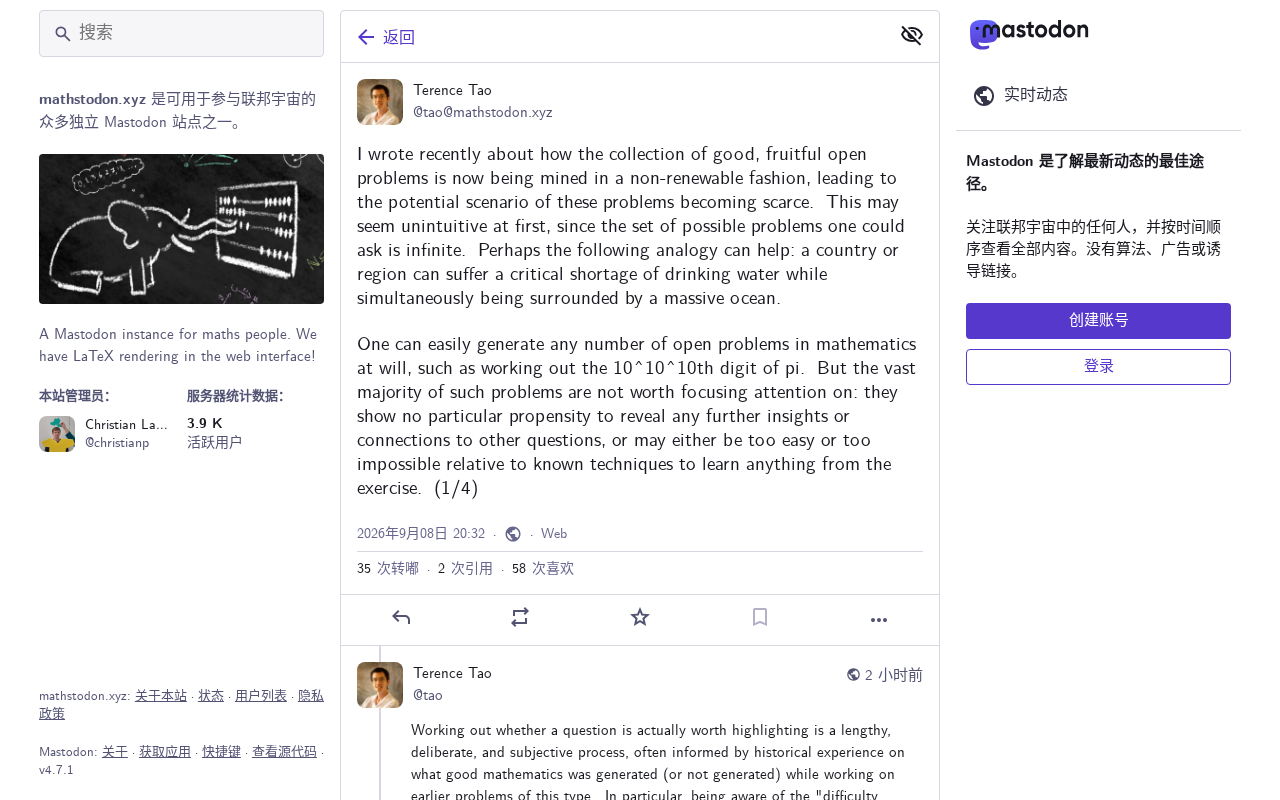
Terence Tao's Warning: AI Is Depleting the Non-Renewable Resource of Mathematical Problems
Fields Medalist Terence Tao warns that AI is mining mathematical problems in a non-renewable way. Exploring sustainability of math research in the AI era, the evolving role of human mathematicians, and balancing AI power with human creativity to maintain academic ecology.